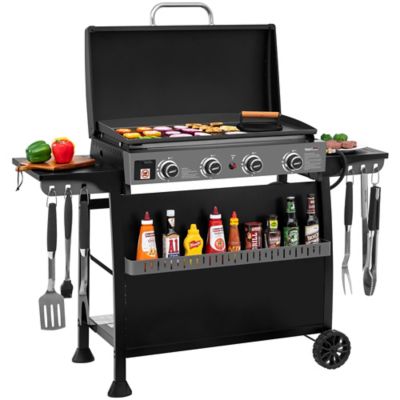
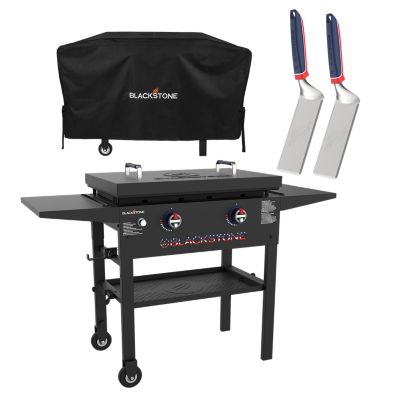
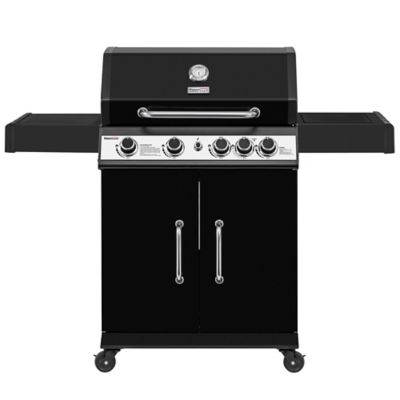
Portable Tailgate Propane Grill Fourth Of July Sale
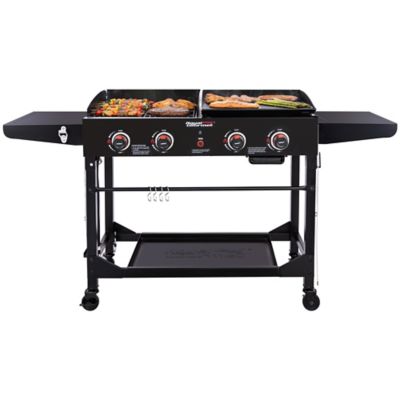
Get ready to fire up the fun with our portable tailgate propane grill Fourth of July sale. Whether you’re gearing up for a backyard barbecue, a day at the lake, or a tailgate party before the big game, these grills are just what you need for easy outdoor cooking. Celebrate Independence Day with great deals on portable propane grills that make grilling on the go simple and convenient. Shop now and get set to serve up tasty eats wherever your Fourth of July adventures take you.
$269
.99
Sale Was $299.99 Save $30.00 (10%)
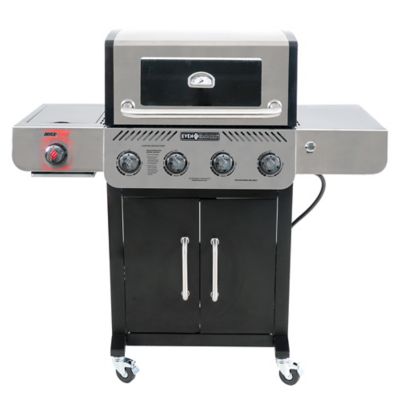
$279
.99
Sale Was $349.99 Save $70.00 (20%)
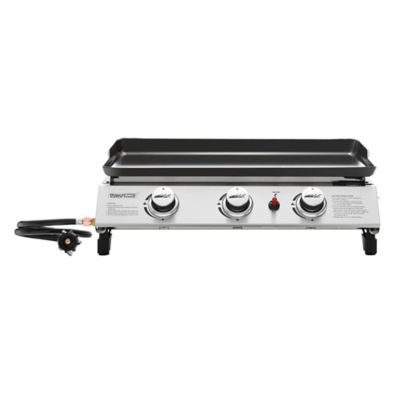
$89
.99
Sale Was $99.99 Save $10.00 (10%)
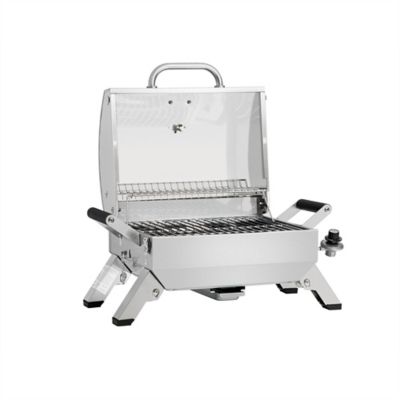
$119
.99
Sale Was $134.99 Save $15.00 (11%)
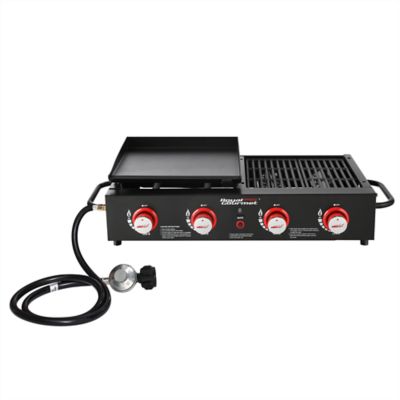
$177
.99
Sale Was $199.99 Save $22.00 (11%)
$229
.99
Sale Was $259.99 Save $30.00 (12%)
$149
.99
Sale Was $169.99 Save $20.00 (12%)
$113
.99
Sale Was $119.99 Save $6.00 (5%)
$497
.99
Sale Was $559.99 Save $62.00 (11%)
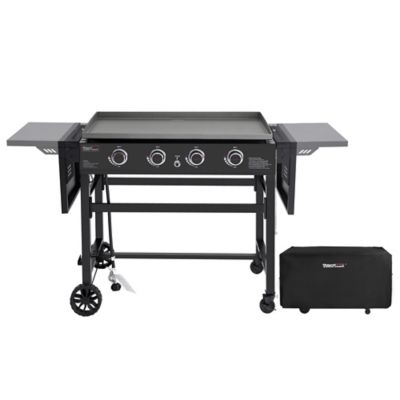
$259
.99
Sale Was $289.99 Save $30.00 (10%)
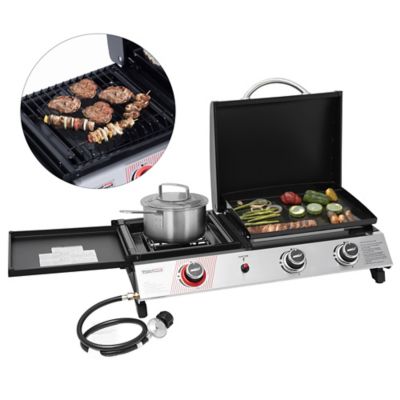
$149
.99
Sale Was $169.99 Save $20.00 (12%)
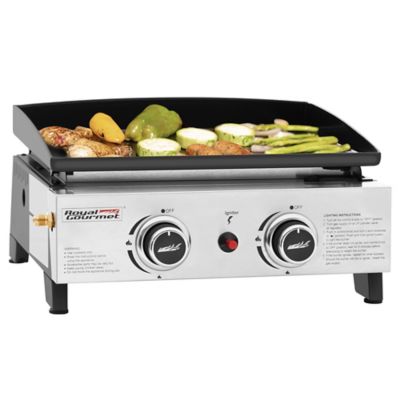
$89
.99
Sale Was $99.99 Save $10.00 (10%)
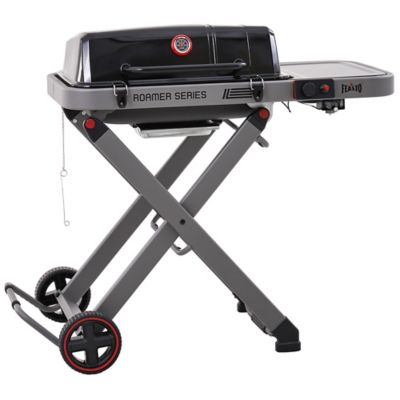
$249
.99
Sale Was $399.99 Save $150.00 (38%)
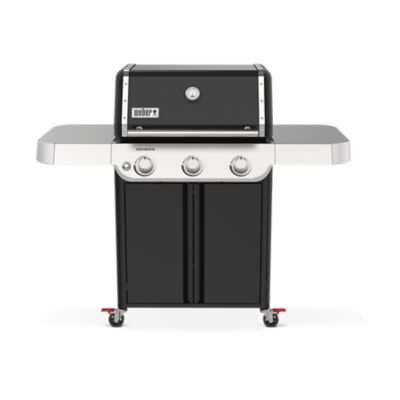
$799
.00
Sale Was $899.00 Save $100.00 (11%)
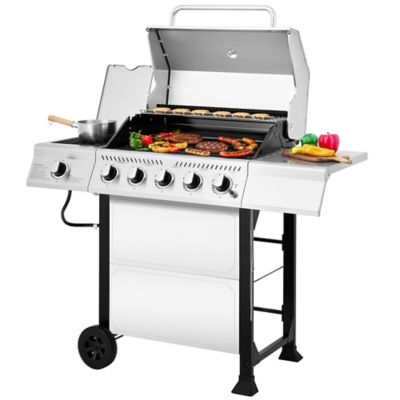
$280
.99
Sale Was $329.99 Save $49.00 (15%)
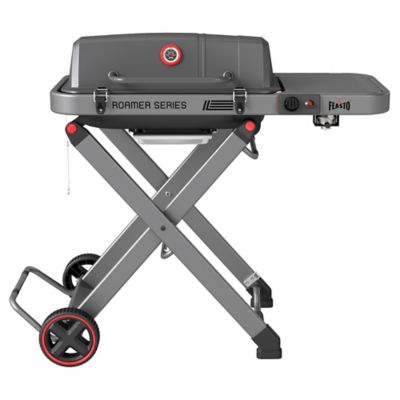
$259
.99
Sale Was $399.99 Save $140.00 (35%)
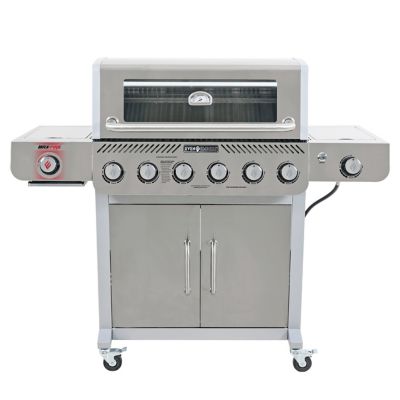
$449
.99
Sale Was $549.99 Save $100.00 (18%)
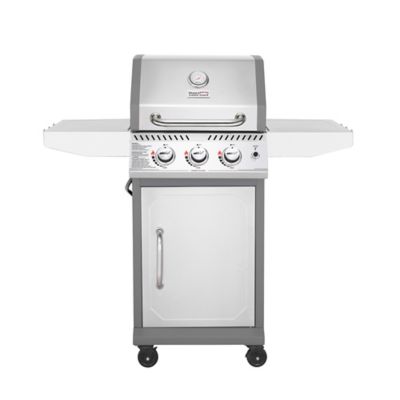
$229
.99
Sale Was $259.99 Save $30.00 (12%)
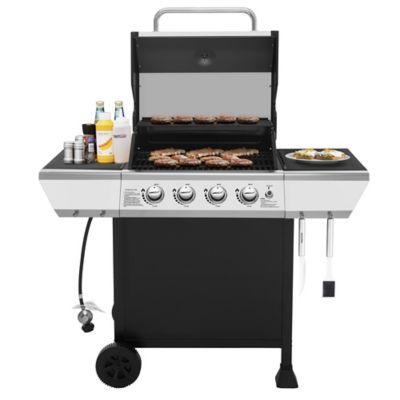
$219
.99
Sale Was $244.99 Save $25.00 (10%)
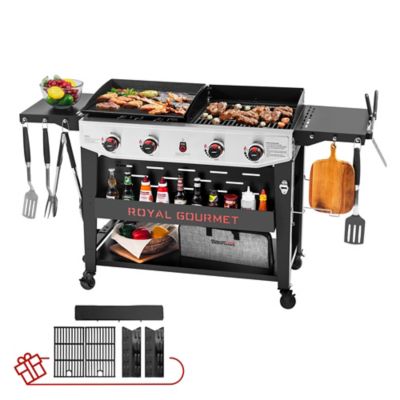
$309
.99
Sale Was $349.99 Save $40.00 (11%)
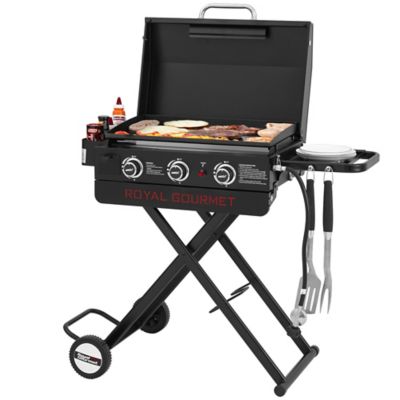
$199
.99
Sale Was $229.99 Save $30.00 (13%)
$239
.99
Sale Was $269.99 Save $30.00 (11%)
$359
.99
Sale Was $399.99 Save $40.00 (10%)
$299
.99
Sale Was $339.99 Save $40.00 (12%)
Best Of FAQ
What are the benefits of having a portable tailgate propane grill for Fourth of July celebrations?
Portable tailgate propane grills offer convenience for outdoor gatherings like Fourth of July parties because they are easy to transport, quick to set up, and provide consistent heat for grilling. Their compact design makes them ideal for tailgating, picnics, and backyard barbecues.
How do I clean and maintain a portable tailgate propane grill after use?
To clean your portable tailgate propane grill, allow it to cool completely, then remove the grates and wash them with warm soapy water. Wipe down the exterior and interior surfaces with a damp cloth. Regular maintenance includes checking for grease buildup and ensuring all parts are dry before storage.
Can I bring a portable tailgate propane grill to parks or public spaces during holiday events?
Many parks and public spaces permit bringing portable propane grills, but it's important to check local regulations before your event. Always follow posted guidelines regarding grilling locations and proper disposal of waste.
What types of food can I prepare on a portable tailgate propane grill during a Fourth of July party?
Portable tailgate propane grills are versatile and allow you to cook burgers, hot dogs, steaks, vegetables, kebabs, and even some desserts. Their adjustable heat settings make it easy to prepare a variety of dishes for your celebration.
How do I store my portable tailgate propane grill when not in use after summer holidays?
Store your portable tailgate propane grill in a cool, dry place away from direct sunlight. Make sure it is clean and fully dry before storing. Disconnect the propane tank and keep it in accordance with manufacturer recommendations.
Best Sellers
-
"Super happy with the grills performance when attached to our RV.They also had the best price by a long"
-
"The instructions were not the best, but the you tube video was very helpful"
-
"I never use my grill and this does a great job and works best with my needs"
-
"Just grilled tonight and LOVE it! So convenient"
-
"Great BBQ grill"