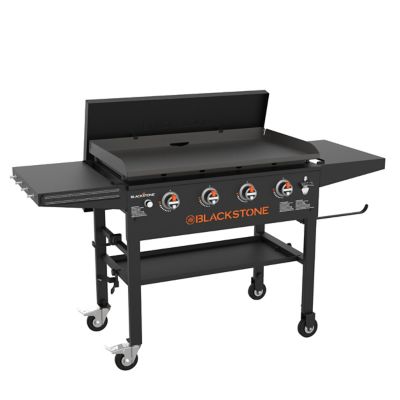
Portable BBQ Grill For Camping Trips Fourth Of July Sale
Fire up your summer adventures with the Portable BBQ Grill For Camping Trips Fourth Of July Sale. Whether you're heading out to the campground, planning a backyard get-together, or gearing up for fireworks and family fun, these grills make it easy to bring great food wherever you roam. It’s the perfect time to snag a deal and make sure your cookouts are packed with flavor all season long. Get ready to grill up some memories and enjoy every bite under the open sky.
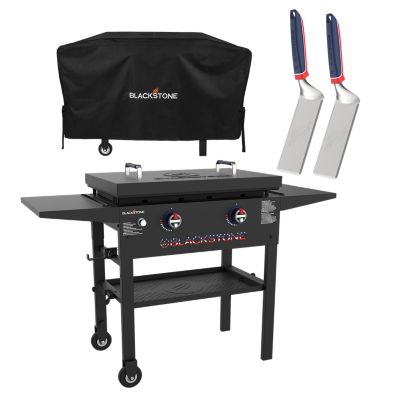
$329
.99
Sale Was $399.99 Save $70.00 (18%)
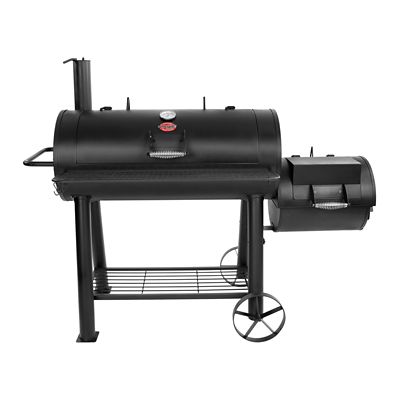
$299
.99
Sale Was $399.99 Save $100.00 (25%)
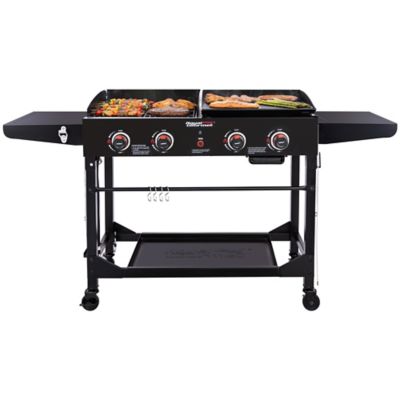
$269
.99
Sale Was $299.99 Save $30.00 (10%)
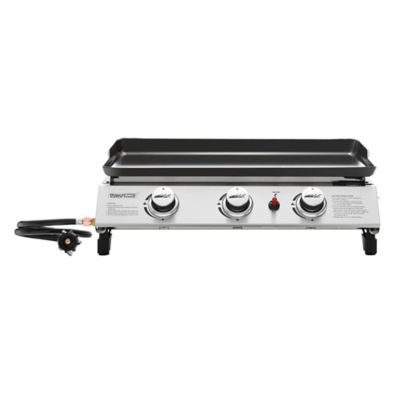
$89
.99
Sale Was $99.99 Save $10.00 (10%)
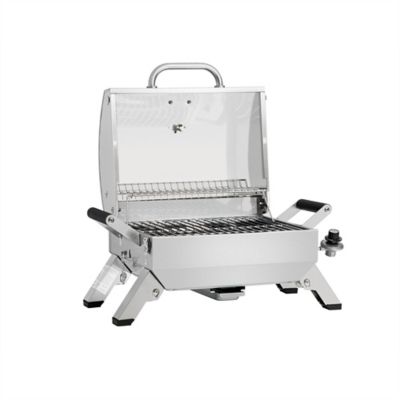
$119
.99
Sale Was $134.99 Save $15.00 (11%)
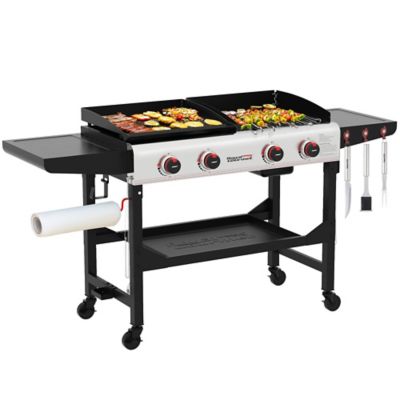
$229
.99
Sale Was $259.99 Save $30.00 (12%)
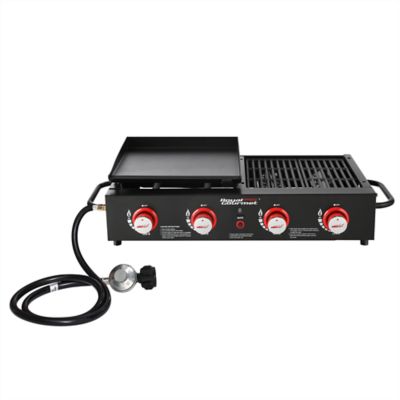
$177
.99
Sale Was $199.99 Save $22.00 (11%)
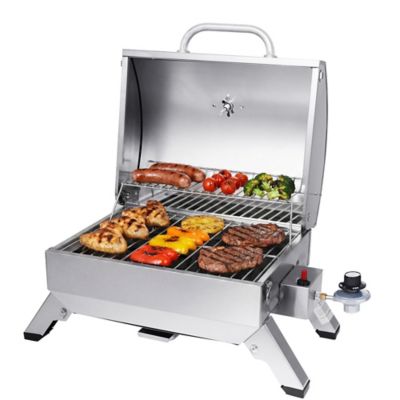
$113
.99
Sale Was $119.99 Save $6.00 (5%)
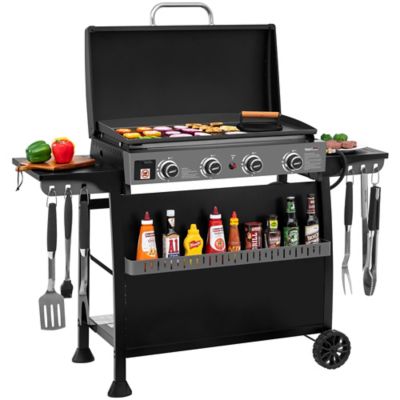
$239
.99
Sale Was $269.99 Save $30.00 (11%)
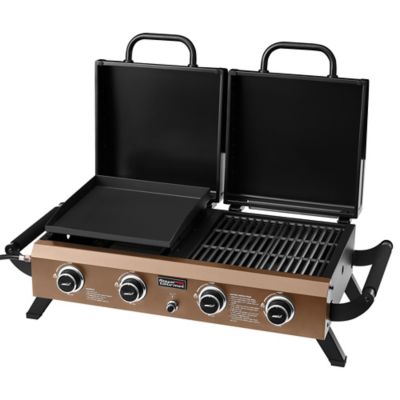
$239
.99
Sale Was $269.99 Save $30.00 (11%)
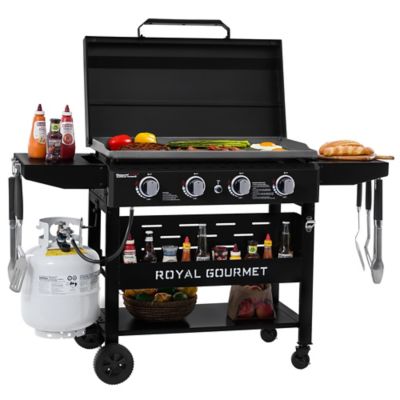
$289
.99
Sale Was $329.99 Save $40.00 (12%)
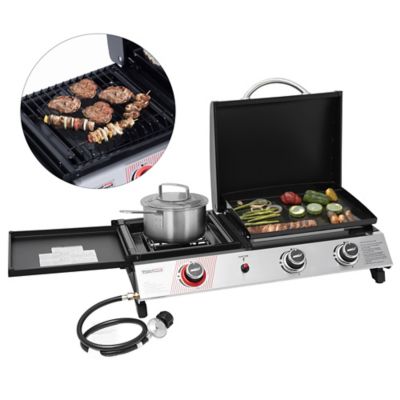
$149
.99
Sale Was $169.99 Save $20.00 (12%)
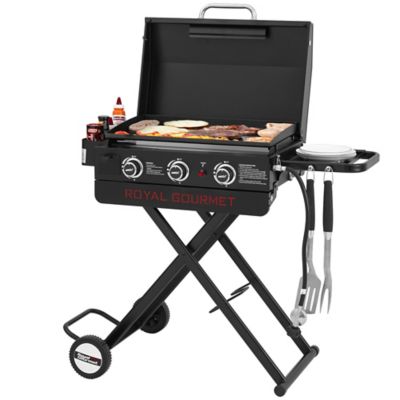
$199
.99
Sale Was $229.99 Save $30.00 (13%)
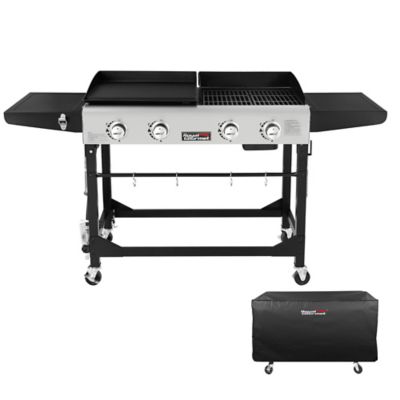
$259
.99
Sale Was $289.99 Save $30.00 (10%)
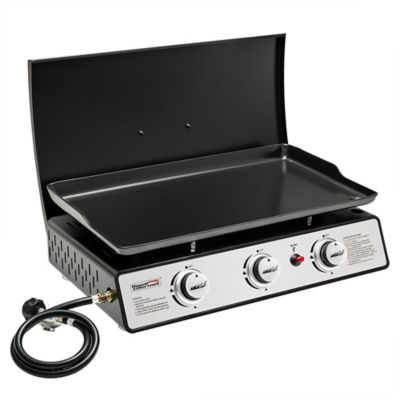
$129
.99
Sale Was $144.99 Save $15.00 (10%)
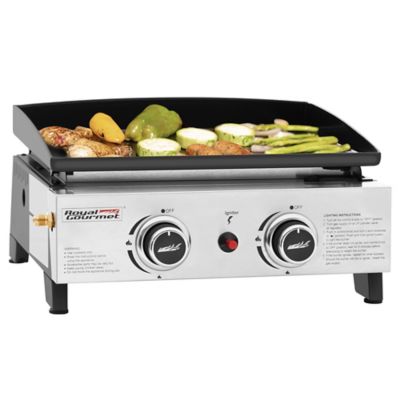
$89
.99
Sale Was $99.99 Save $10.00 (10%)
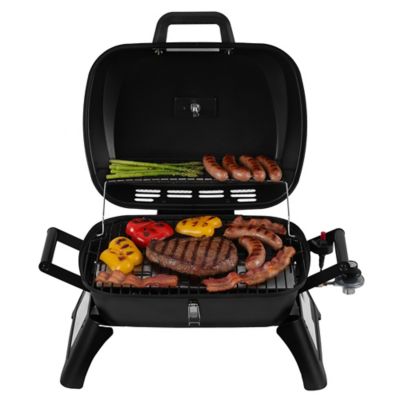
$75
.99
Sale Was $84.99 Save $9.00 (11%)
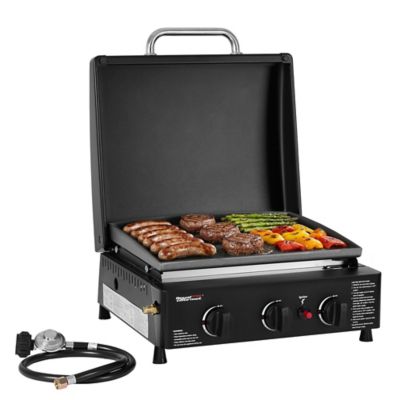
$121
.99
Sale Was $134.99 Save $13.00 (10%)
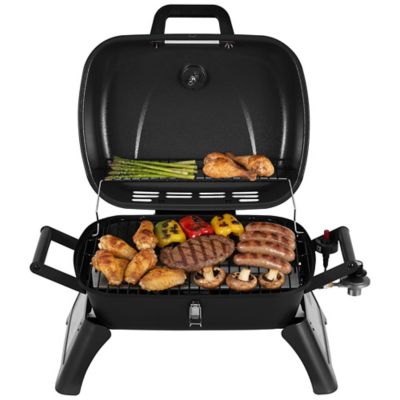
$89
.99
Sale Was $99.99 Save $10.00 (10%)
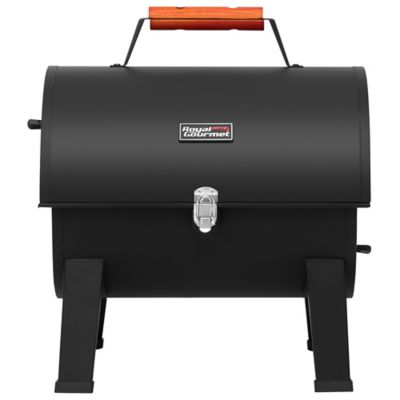
$62
.99
Sale Was $69.99 Save $7.00 (10%)
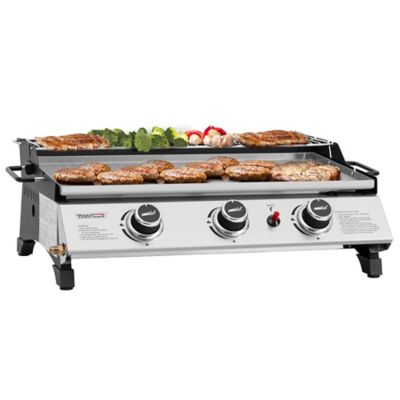
$119
.99
Sale Was $134.99 Save $15.00 (11%)
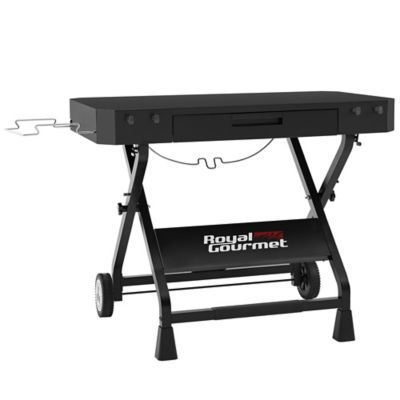
$129
.99
Sale Was $144.99 Save $15.00 (10%)
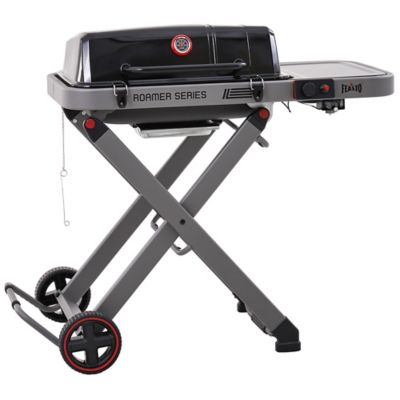
$249
.99
Sale Was $399.99 Save $150.00 (38%)
$111
.99
Sale Was $149.99 Save $38.00 (25%)
Best Of FAQ
What are the benefits of using a portable BBQ grill for camping trips?
Portable BBQ grills are lightweight, easy to transport, and simple to set up, making them ideal for camping trips. They allow you to enjoy freshly grilled meals outdoors without the need for a permanent setup.
How do I clean and maintain a portable BBQ grill after use?
After your grilling session, let the grill cool down completely. Remove any leftover ash or debris, wipe down the grates with a grill brush or sponge, and empty any drip trays. Regular cleaning helps extend the life of your grill.
Can I use different types of fuel with portable BBQ grills?
Many portable BBQ grills are designed for specific fuel types such as charcoal, propane, or wood pellets. Always check the manufacturer's recommendations to ensure you're using the appropriate fuel for your grill model.
What features should I look for in a portable BBQ grill for camping?
Look for features like compact design, sturdy construction, easy ignition systems, adjustable vents or burners, and removable parts for easy cleaning. These features enhance convenience and performance during your camping trip.
Are portable BBQ grills suitable for events like Fourth of July celebrations?
Yes, portable BBQ grills are perfect for outdoor gatherings such as Fourth of July celebrations. Their mobility allows you to set up your grilling station wherever you need it—whether at a campsite, park, or backyard party.
Best Sellers
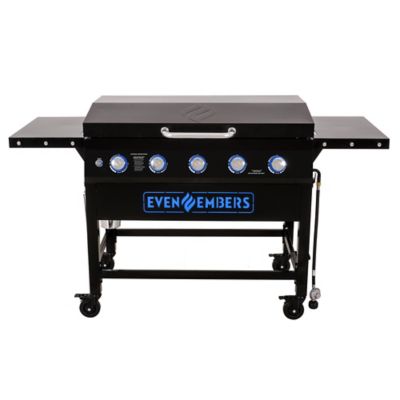
-
"Great investment! Love the new griddle"
-
"Best portable grill for the price"
-
"Love this! Only wish a lid came with it, otherwise a great product"
-
"Best thing to buy your boyfriend/husband won’t have to dirty up so many dishes nor do you have to cook"
-
"Love this! Only wish a lid came with it, otherwise a great product"