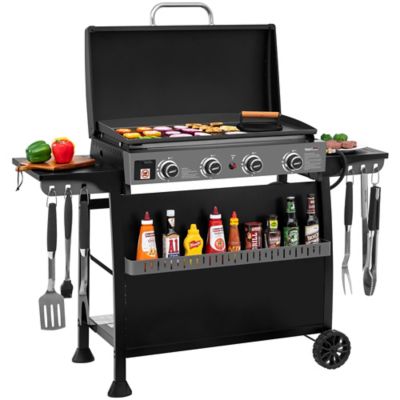
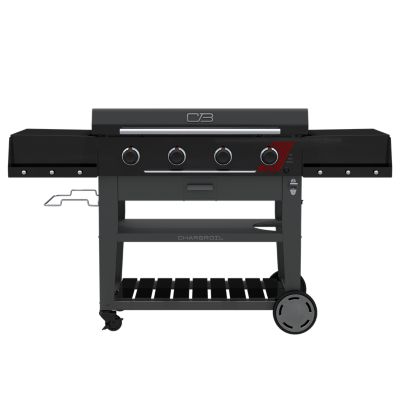
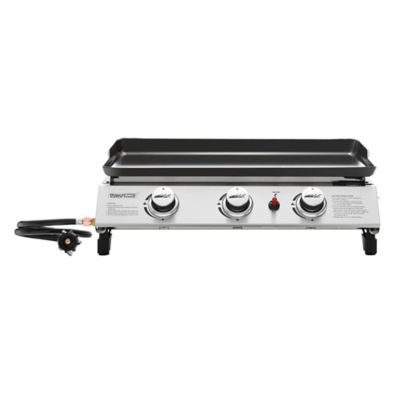
Compact BBQ Grill For Patios Fourth Of July Sale
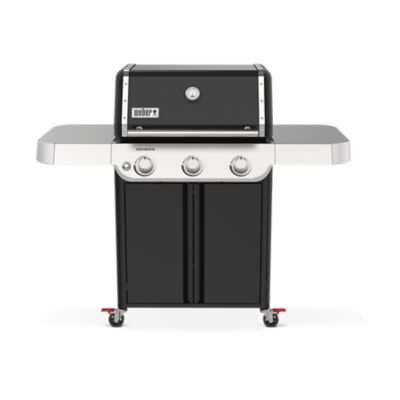
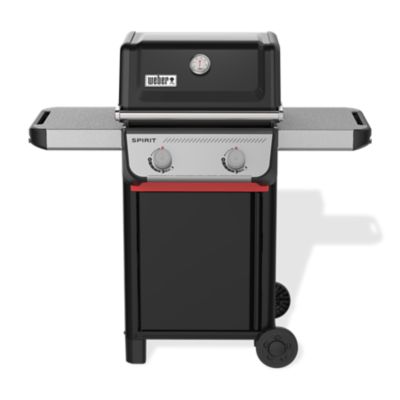
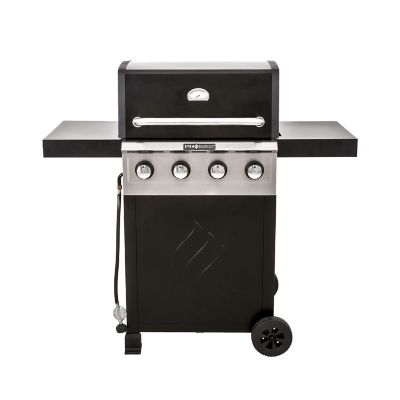
Fire up the fun this summer with the Compact BBQ Grill For Patios Fourth Of July Sale. Whether you’re planning a backyard cookout or just grilling up dinner on the porch, these compact grills are perfect for smaller spaces and big flavors. Get ready to celebrate Independence Day with great deals and everything you need to keep the burgers sizzling and the good times rolling, all season long.
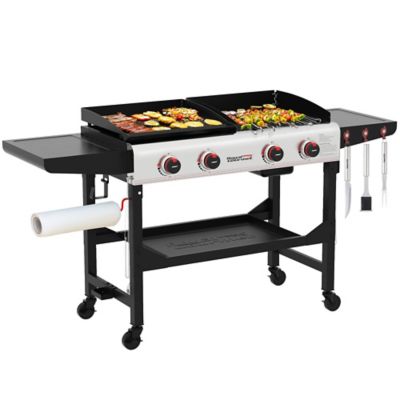
$229
.99
Sale Was $259.99 Save $30.00 (12%)
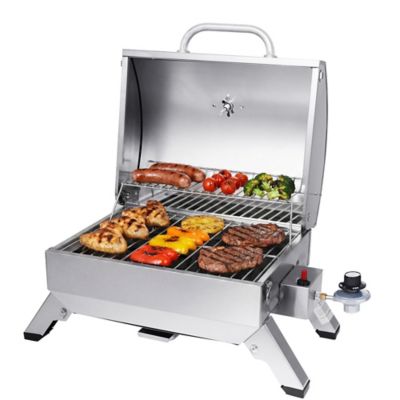
$113
.99
Sale Was $119.99 Save $6.00 (5%)

$279
.99
Sale Was $299.99 Save $20.00 (7%)
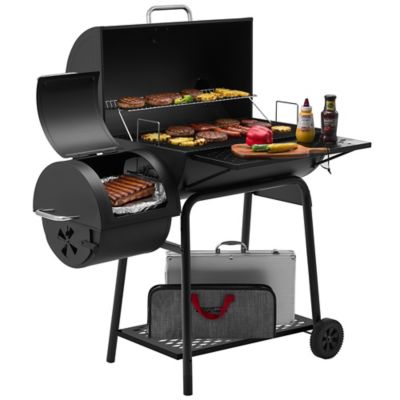
$119
.99
Sale Was $134.99 Save $15.00 (11%)
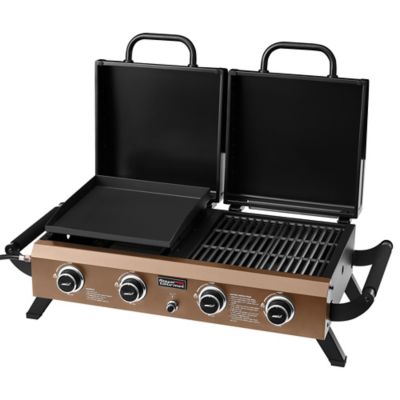
$239
.99
Sale Was $269.99 Save $30.00 (11%)
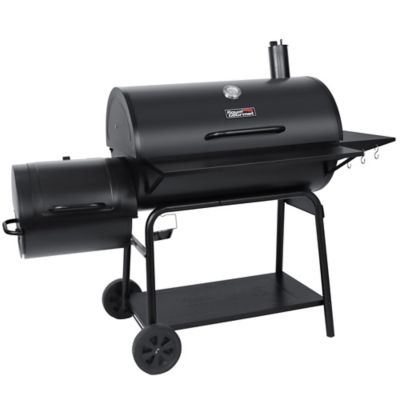
$209
.99
Sale Was $229.99 Save $20.00 (9%)
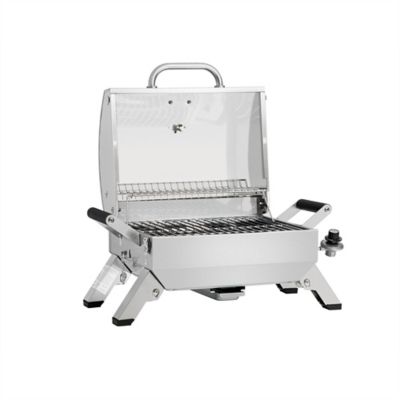
$119
.99
Sale Was $134.99 Save $15.00 (11%)
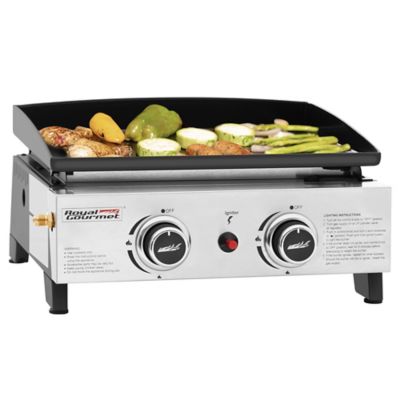
$89
.99
Sale Was $99.99 Save $10.00 (10%)
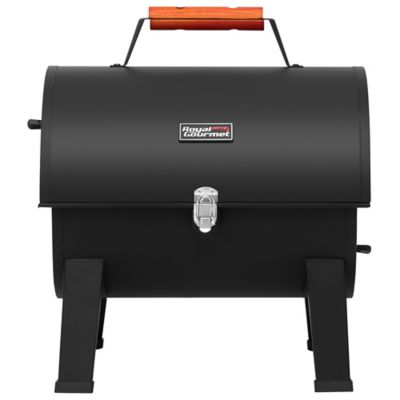
$62
.99
Sale Was $69.99 Save $7.00 (10%)
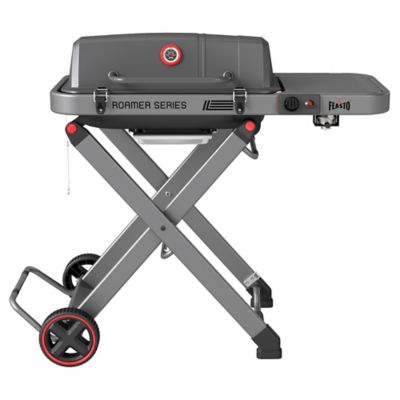
$259
.99
Sale Was $399.99 Save $140.00 (35%)
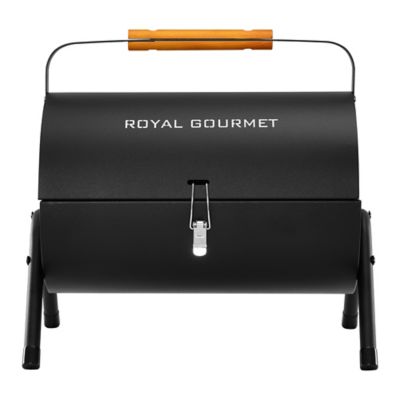
$49
.99
Sale Was $59.99 Save $10.00 (17%)
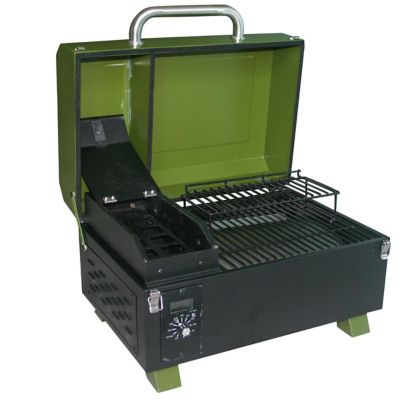
$399
.99
Sale Was $599.99 Save $200.00 (33%)
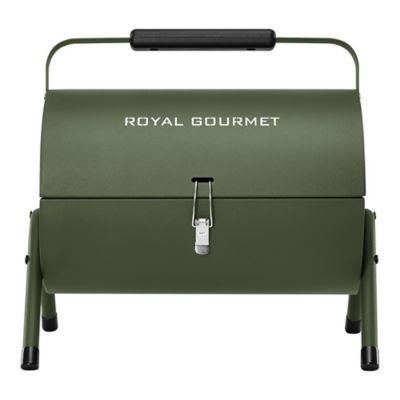
$49
.99
Sale Was $69.99 Save $20.00 (29%)
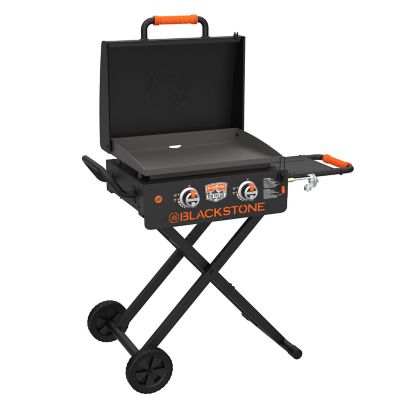
$249
.99
Sale Was $299.99 Save $50.00 (17%)
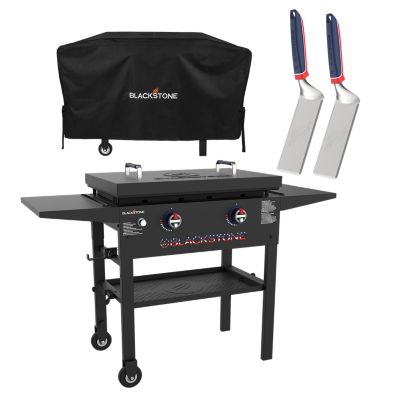
$329
.99
Sale Was $399.99 Save $70.00 (18%)
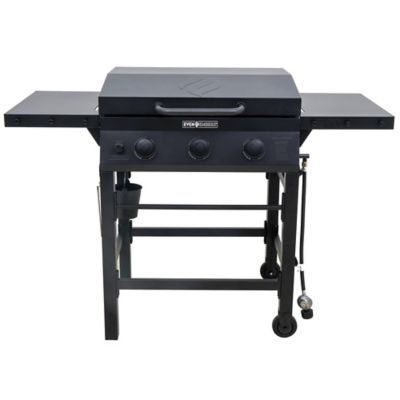
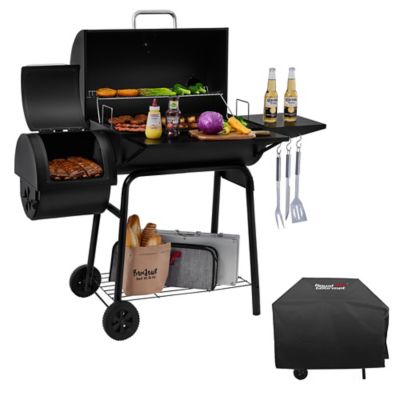
$159
.99
Sale Was $169.99 Save $10.00 (6%)
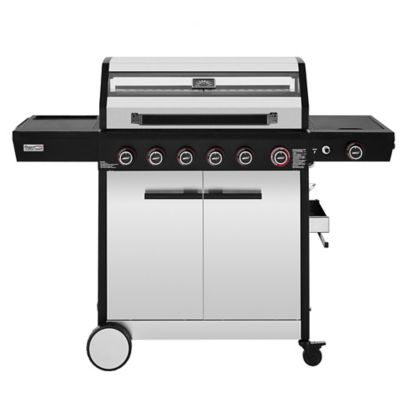
$439
.99
Sale Was $489.99 Save $50.00 (10%)
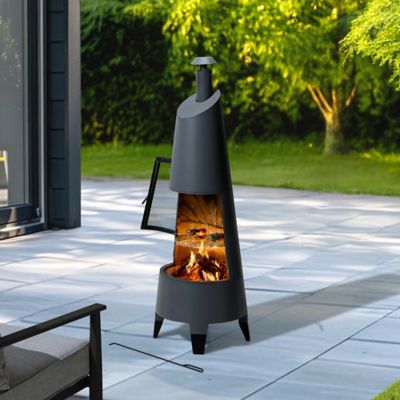
$154
.99
Sale Was $194.99 Save $40.00 (21%)
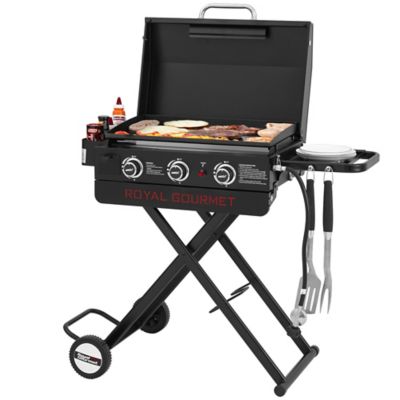
$199
.99
Sale Was $229.99 Save $30.00 (13%)
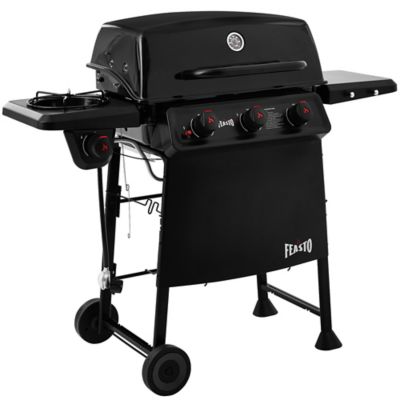
$199
.99
Sale Was $229.99 Save $30.00 (13%)
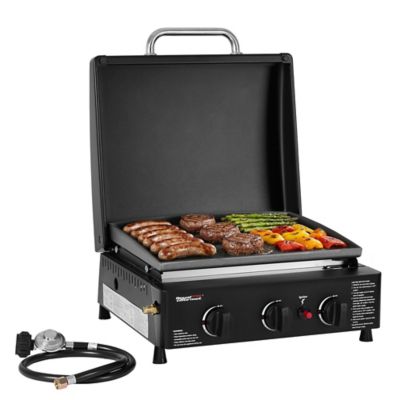
$121
.99
Sale Was $134.99 Save $13.00 (10%)
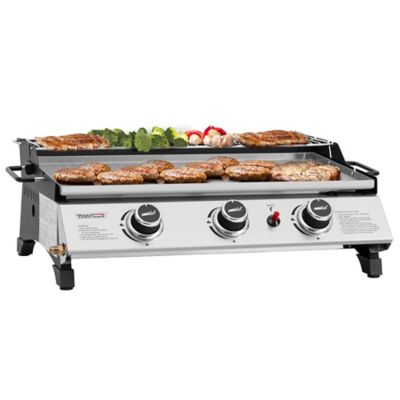
$119
.99
Sale Was $134.99 Save $15.00 (11%)
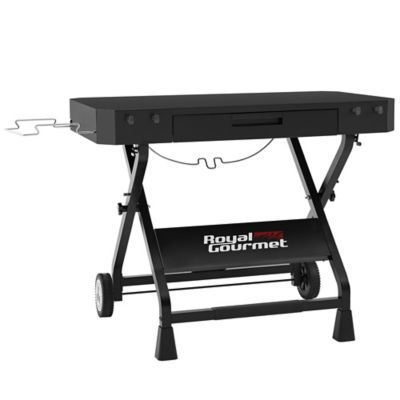
$129
.99
Sale Was $144.99 Save $15.00 (10%)
Best Of FAQ
What are the benefits of using a compact BBQ grill on patios?
Compact BBQ grills are ideal for patios because they save space, are easy to move and store, and still provide excellent grilling performance. Their smaller size makes them perfect for gatherings where space is limited, such as apartment balconies or small backyard patios.
Can I use a compact BBQ grill for different types of cooking?
Yes, many compact BBQ grills offer versatile cooking options. You can grill meats, vegetables, and even use some models for indirect cooking or smoking, making them suitable for a variety of recipes during your Fourth of July celebration.
Are compact BBQ grills easy to clean and maintain?
Most compact BBQ grills are designed with convenience in mind, featuring removable grates and drip trays that make cleaning simple. Regular maintenance ensures your grill stays in great condition for many seasons.
What features should I look for in a compact BBQ grill for patio use?
Look for features like sturdy construction, easy ignition systems, adjustable heat controls, and foldable or portable designs. These features enhance your grilling experience and make the grill more user-friendly on patios.
Why shop for compact BBQ grills during the Fourth of July sale?
The Fourth of July sale is a great time to purchase a compact BBQ grill because you can take advantage of special deals and promotions. It's also the perfect season to enjoy outdoor grilling with friends and family.
Best Sellers
-
"I never use my grill and this does a great job and works best with my needs"
-
"The instructions were not the best, but the you tube video was very helpful"
-
"Wasn’t sure if I wanted to commit to only having a flat top grill, this is the best of both worlds"
-
"Super easy to clean and definitely a great grill by a great brand"
-
"Great grill! Grease cup doesn’t fit snug but other than that love it"