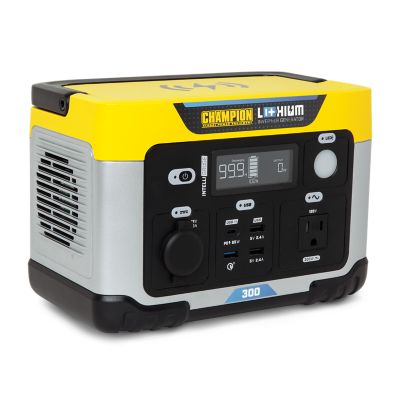
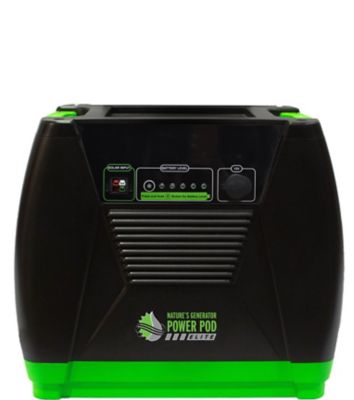
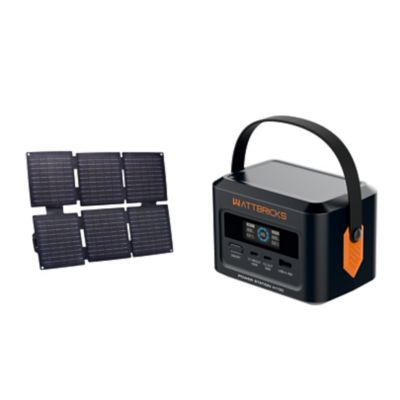
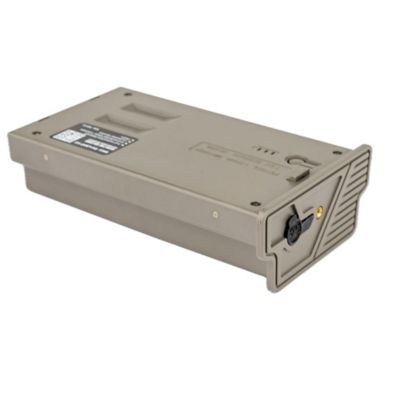
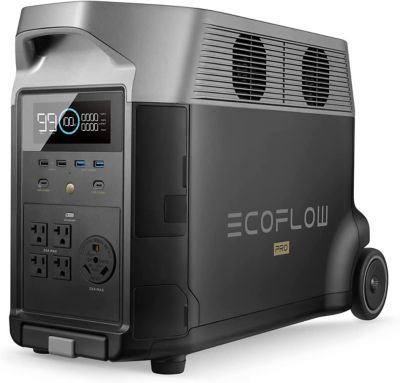
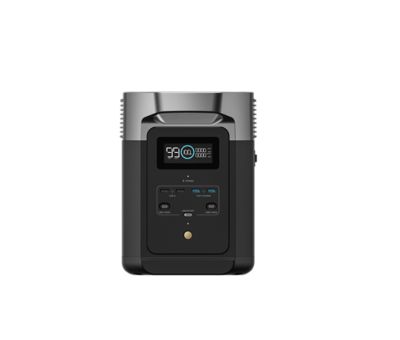
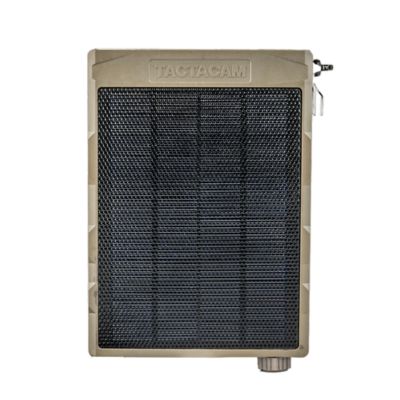
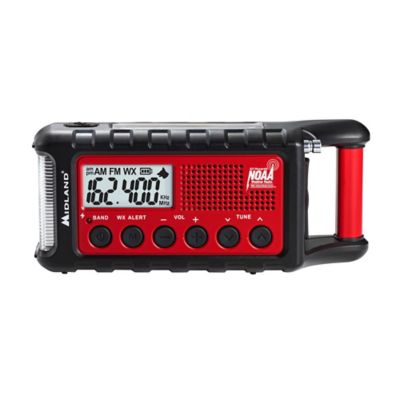
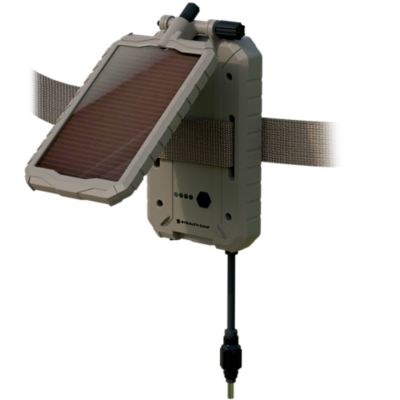
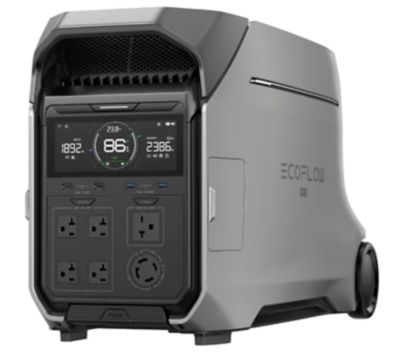
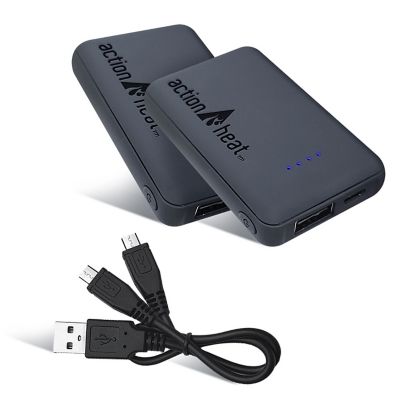
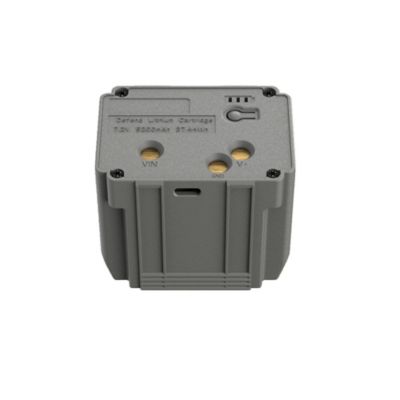
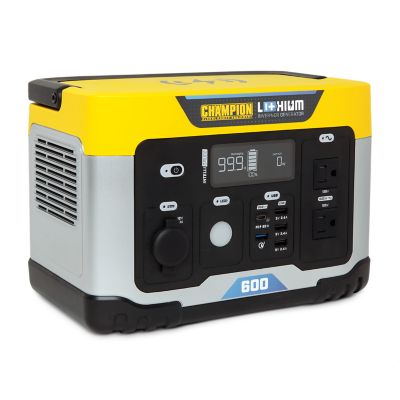
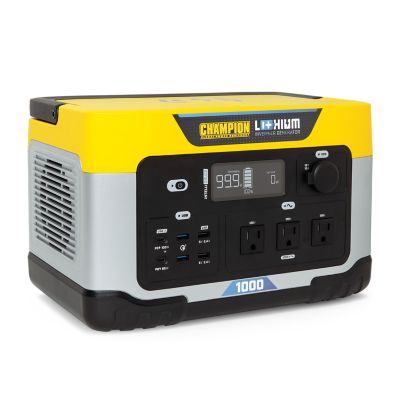
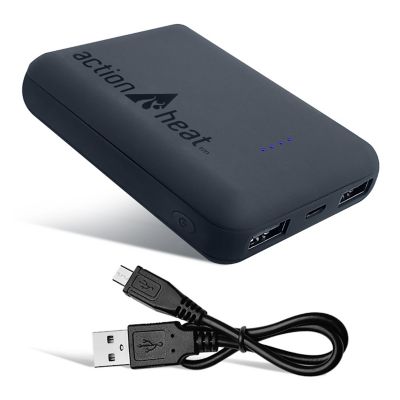
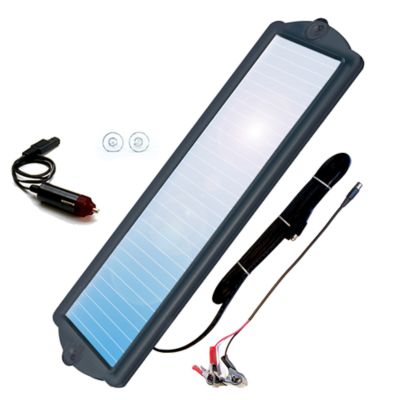
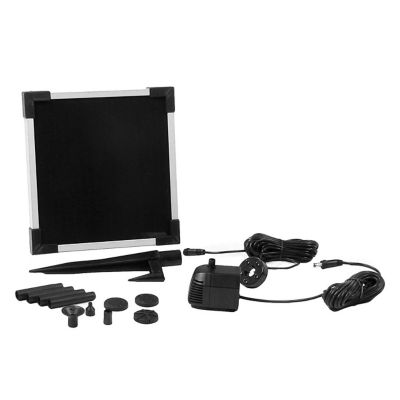
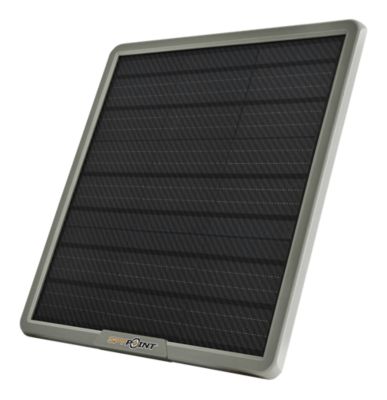
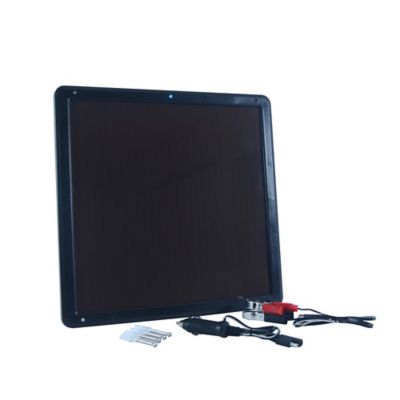
Portable solar batteries give you a handy way to carry stored power wherever the day takes you, from a quiet campsite at the edge of the timber to a work trailer parked beyond the reach of an outlet. Smaller units are often called solar power banks and are made for phones, tablets, GPS units, flashlights, cameras and other small USB devices. They may hold roughly 10,000mAh to 26,800mAh, though actual run time depends on the device, battery condition and how much power is lost during charging. Larger units, often called portable power stations or solar generators, list capacity in watt-hours (Wh) and may range from about 250Wh to more than 3,000Wh. A compact station can keep a laptop, lights, small fan or camera batteries going during a weekend away, while a high-capacity model may support a refrigerator, CPAP machine, sump pump or selected emergency equipment when the power is out. Portable solar batteries are useful for campers, hunters, anglers, farmers, tailgaters, travelers, remote workers and anyone who spends time away from a dependable wall outlet. They can also make a thoughtful gift for a college student in a dorm, a family that enjoys weekend camping or a relative who likes to keep practical emergency gear close at hand. During the warmer part of the year, keep one in the truck for long days on the road, fishing trips and outdoor projects. As the weather turns cooler, a charged unit can help run lights, communications equipment and other essentials during a storm-related outage. For more ways to recharge and use stored solar power outdoors, browse
Portable Solar Panels.
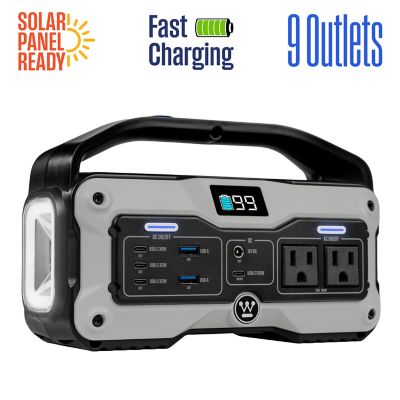
Start by matching the battery’s capacity to the jobs you have in mind. Capacity tells you how much energy the unit stores, but the power rating tells you what it can run at one time. Check the continuous output in watts for items such as a small refrigerator, television, heated blanket or power tool, and pay attention to the surge rating for equipment with a motor or compressor. A unit with plenty of stored energy still may not start a demanding appliance if its inverter cannot handle the initial surge. Look over the available outlets before buying, too. USB-A ports work with many everyday charging cords, while USB-C Power Delivery can provide faster charging for newer phones, tablets and laptops. AC outlets are useful for standard plugs, and 12-volt ports can suit certain automotive and camping accessories. If you plan to charge several devices at once, make sure the unit can supply enough total power without slowing down or shutting off. It is also worth considering the battery chemistry. Lithium iron phosphate, commonly called LiFePO4, is valued for a long service life and may deliver roughly 3,000 to 4,000 or more charge cycles under the manufacturer’s testing conditions. Standard lithium-ion or lithium-polymer designs may be lighter or more compact, so the right choice depends on how often you will use the battery, how much weight you want to carry and how long you expect to keep it in service. A small handheld power bank can slip into a jacket pocket, but it will not replace a full-size station for running a cooler or medical equipment. Larger models offer more capacity and more outlets, yet they can be heavy enough that a built-in handle, wheels or a solid carry frame becomes important. Think about where the battery will ride, whether you can lift it safely, and whether the controls are easy to read in bright sunlight or low light.
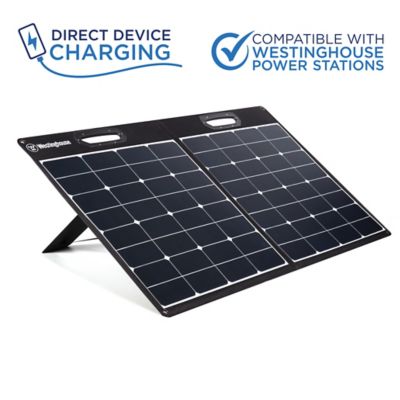
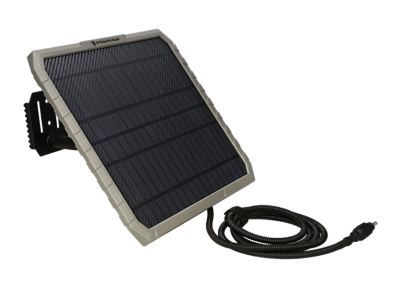
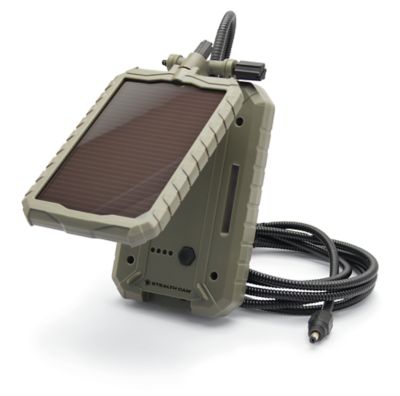
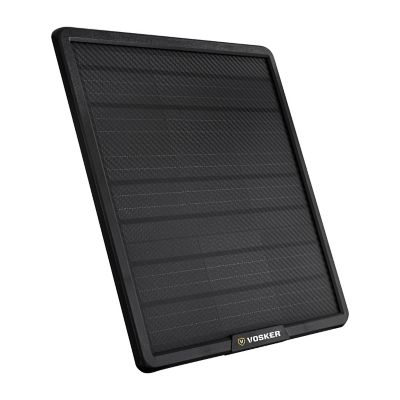
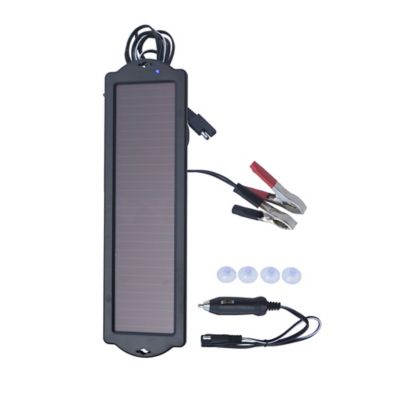
Solar charging speed depends heavily on the input rating, the panel size, the angle of the sun, cloud cover, shade and the battery’s charge level. Tiny built-in panels on handheld units can help top off a phone or maintain a charge, but they are generally slow for filling the battery itself. Foldable or separate panels with a higher wattage provide a more practical match for a mid-size or large power station. A 100-watt panel may suit a smaller setup, while larger stations may accept 200 to 400 watts or more through their solar input. Always compare the panel’s output with the battery’s accepted voltage, amperage and maximum solar input so the pieces work together. Place panels where they receive full sun, move them as the sun crosses the sky when practical, and keep dust, leaves and water from blocking the surface. Solar charging is usually slower than plugging into an outlet, so many people charge a unit ahead of a trip, then use the panels to stretch that stored power over several days. Before heading out, test every cable, charge the battery fully, confirm that your key devices work with its ports and learn the display readings for input, output and remaining capacity. For emergency readiness, store the unit in a dry, temperature-controlled location rather than a hot truck bed or damp shed, and follow the charging, storage and transportation instructions provided with it. Keep vents clear, avoid covering a running power station with blankets or gear, and use only compatible cords and accessories. With the right balance of capacity, output, solar input and portability, a portable solar battery can become a dependable part of a camp kit, farm truck, hunting pack or household backup plan without taking up more room than the job requires.