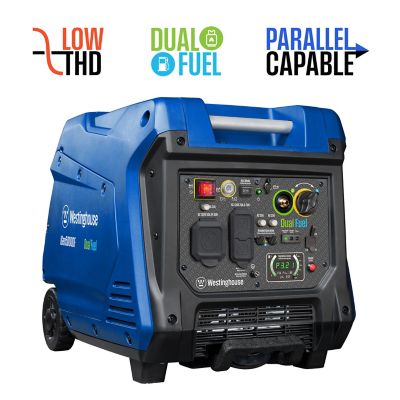
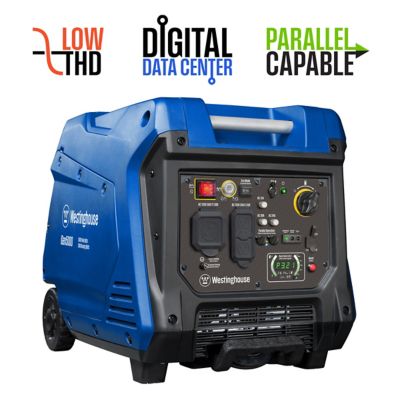
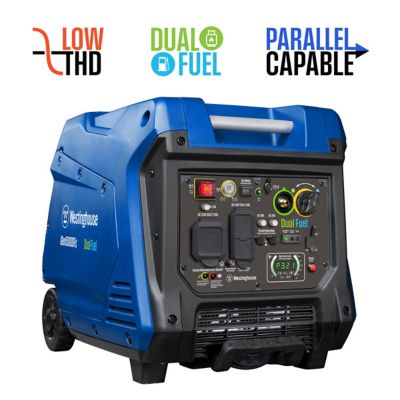
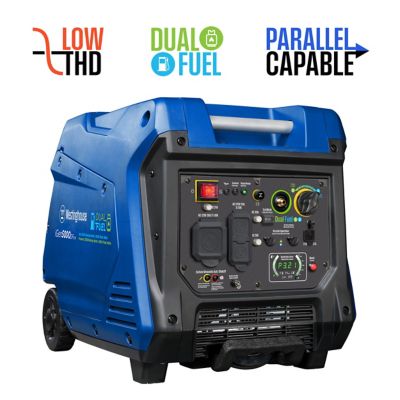
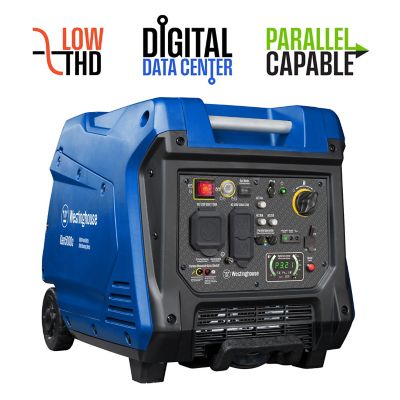
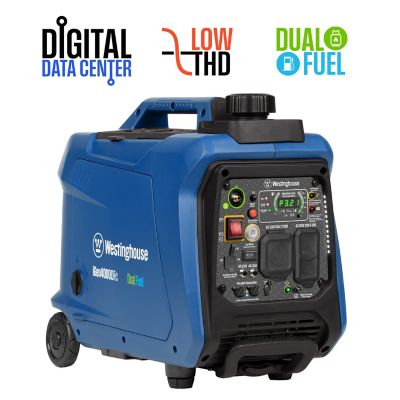
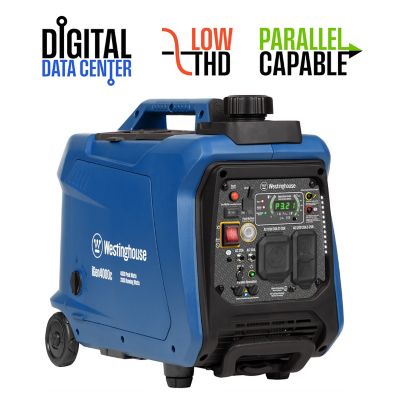
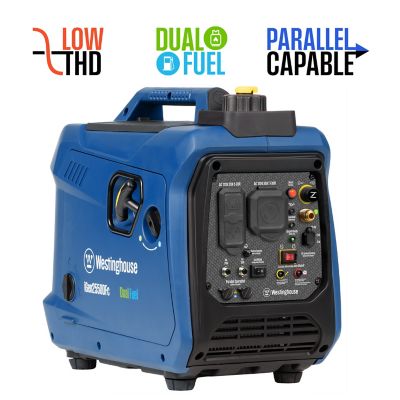
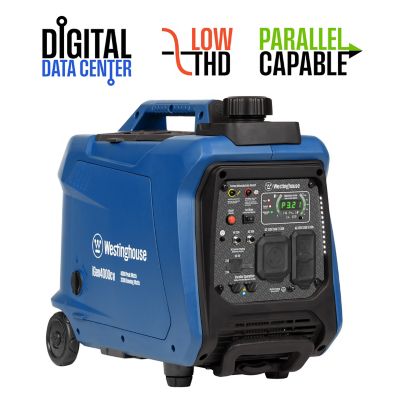
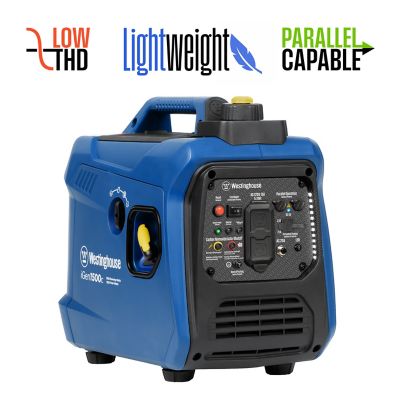
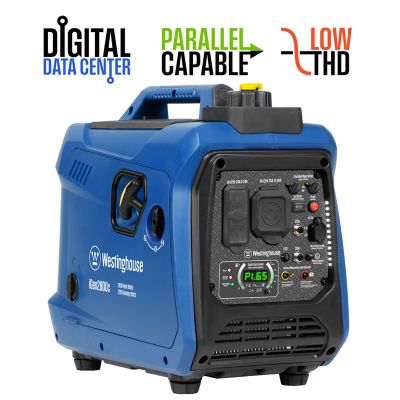
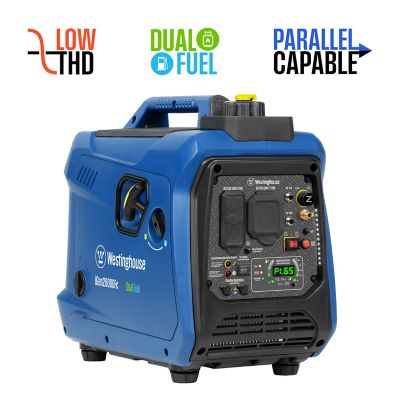
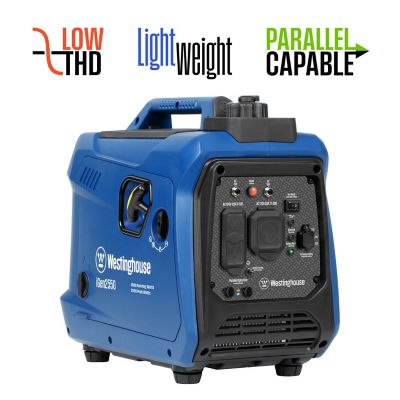
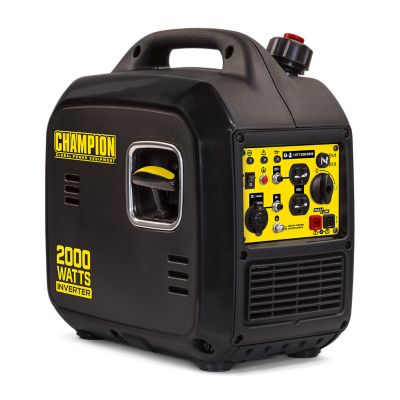
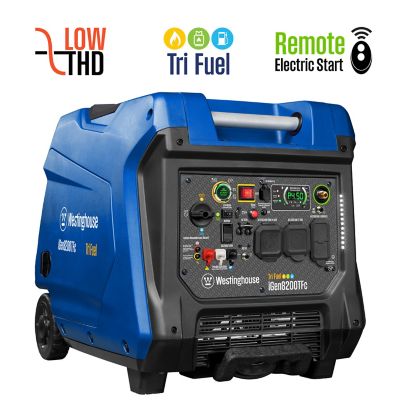
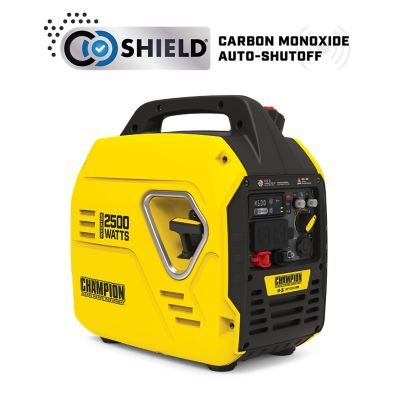
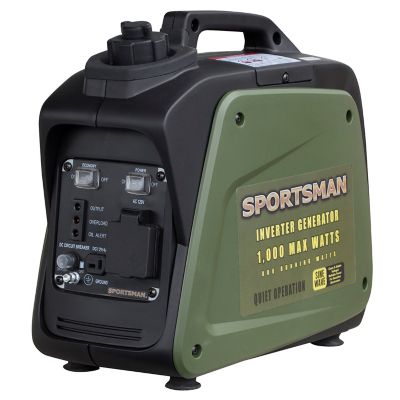
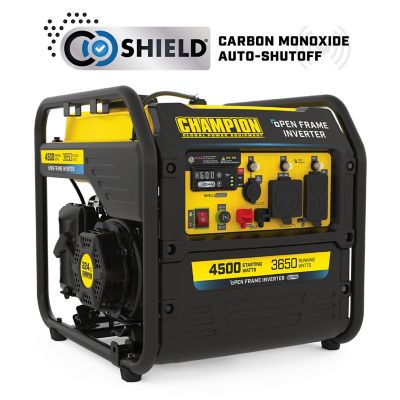
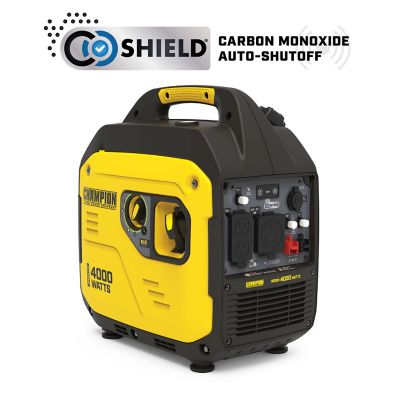
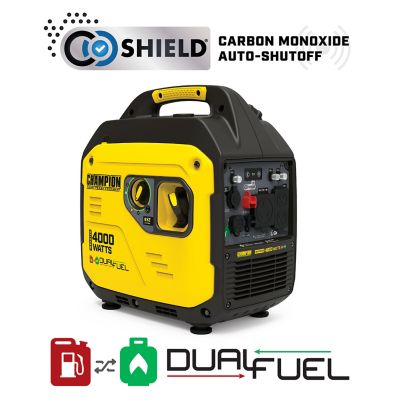
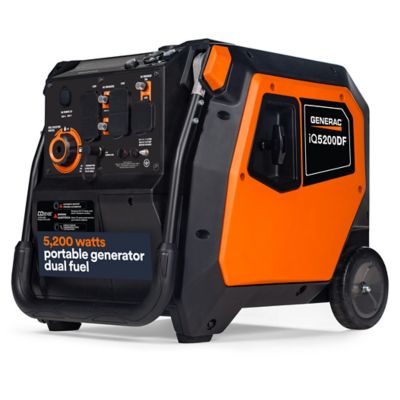
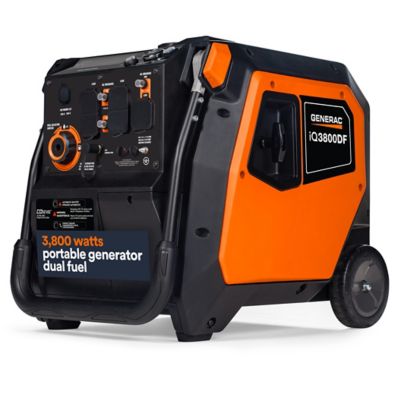
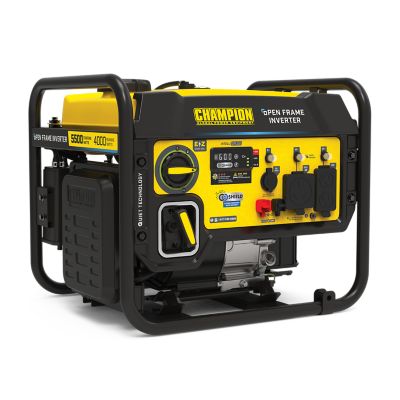
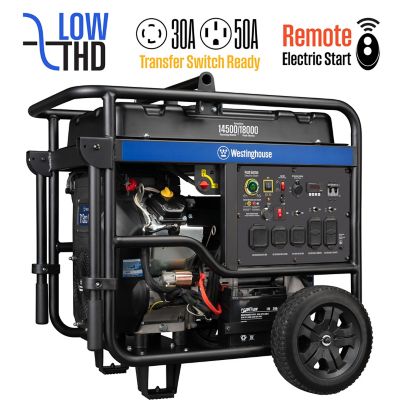
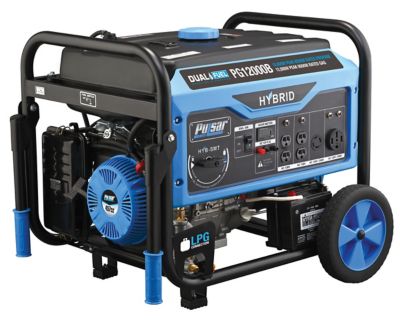
Portable inverter generators for tailgating bring power to the parking lot without making the generator the center of attention. A television showing the pregame coverage, a slow cooker holding chili, and a few phones needing a charge all put different demands on the same power source. The right fit comes down to the equipment plugged in, how long the gathering lasts, and how much weight has to come out of the truck. Inverter technology takes the electricity produced by the generator and processes it electronically into controlled AC power. Many designs also adjust engine speed as electrical demand changes, which can reduce fuel consumption and engine noise at lighter loads. For televisions, streaming equipment, and other electronics, the published total harmonic distortion, or THD, helps describe the electrical waveform. Some inverter generators specify THD below 3 percent, though that figure does not mean built-in protection against every electrical surge. A compact generator in the 2,000- to 2,500-watt class may fit a modest tailgate, but the distinction between starting watts and running watts matters more than the largest number on the label. Running watts describe the continuous load the generator can support; starting watts cover brief extra demand from equipment such as a refrigerator compressor. A setup with a television and phone chargers is a different proposition from one with an electric griddle, coffee maker, and warming appliances running together. Heating appliances can account for much of the available output before anything else gets plugged in. Equipment nameplates provide a better basis for sizing than guesses about what a small appliance might draw. Leaving some capacity beyond the expected load gives the setup breathing room, especially when a compressor starts or another appliance cycles on. For a familiar game-day spread, enough continuous output and manageable carrying weight often matter more than having the biggest generator in the lot.
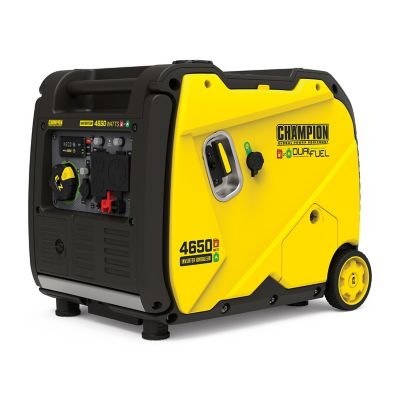
Portability is about more than fitting a generator beside the cooler. Some compact inverter generators weigh less than 50 pounds before fuel, while larger designs may call for wheels, a lifting partner, or a different spot in the truck bed. A well-placed carrying handle, a balanced shape, and room to get a gloved hand around the grip can make loading less awkward. Molded outer housings and enclosed engine compartments help protect internal components from everyday bumps and can help soften operating noise, but they do not make a generator waterproof or suitable for a closed space. Sound ratings deserve a close look because manufacturers may measure them at different distances and load levels. An engine supporting a light electrical load can sound quite different when several appliances switch on, and even a quieter generator needs thoughtful placement away from neighboring gatherings. Fuel choice is another practical difference. Gasoline-powered designs keep the setup straightforward, while dual-fuel generators offer the option of gasoline or propane when specified by the manufacturer. Propane operation often carries a lower wattage rating, and the cylinder, hose, and generator all count toward the gear being hauled. Published runtime also depends on tank capacity and electrical load, so a runtime measured at one-quarter load will not describe an afternoon spent near full output. Outlet layout matters just as much as fuel capacity. Standard household-style receptacles suit many tailgate appliances, while USB ports can simplify charging for compatible devices. An RV-style outlet can be helpful for compatible equipment, but its shape or amperage label does not increase the generator’s actual power capacity. Parallel capability can expand output on certain models, provided the generators and connection equipment are approved to work together. For most parking-lot setups, easy-to-reach controls, clear load indicators, accessible service points, and cords that reach without crossing a busy walkway help make the whole arrangement easier to manage.
A tailgate generator belongs outdoors in a fully open area, never inside a truck bed with a cap, an enclosed trailer, a vehicle, or beneath a tailgate canopy. Carbon monoxide from the exhaust can build up without a noticeable smell, even when an engine sounds like it is running normally. Placement at least 20 feet from buildings, with exhaust directed away from people, vehicles, doors, windows, and vents, is an essential part of planning the setup. Carbon monoxide shutoff systems add protection on equipped generators, but they do not replace safe placement or the operating manual’s requirements. Venue rules may also limit generator operation, fuel containers, noise, or placement, making those rules part of the fit for any stadium parking area. Outdoor-rated extension cords with sufficient capacity for the connected load help carry power to the gathering; damaged cords, loose plugs, and overloaded power strips have no place beside the food table. Connections need to stay dry and clear of foot traffic, and the generator needs a firm, level surface with the clearance specified by its manufacturer. Refueling belongs after shutdown and sufficient cooling, not while the engine is running or hot. Between outings, attention to oil level, air-filter service, and the maintenance schedule helps keep the generator ready for the next trip. Low-oil shutdown can help protect an engine, but it does not take the place of checking the oil. Fuel storage deserves the same care: gasoline left sitting can cause starting trouble, so the manufacturer’s directions for fuel treatment, draining, and storage matter when the generator will sit between games. Handles, outlet covers, and the outer housing also benefit from a quick check after loading and unloading. These practical details suit folks who want power for game day without turning every outing into a repair job. When the same equipment travels beyond the stadium lot,
Portable Generators For Weekend Adventures connects that tailgate setup with other outings where access to an outlet is not a given.