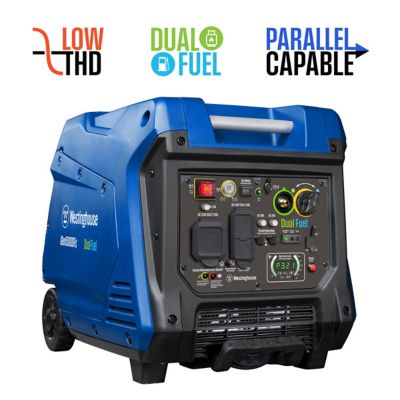
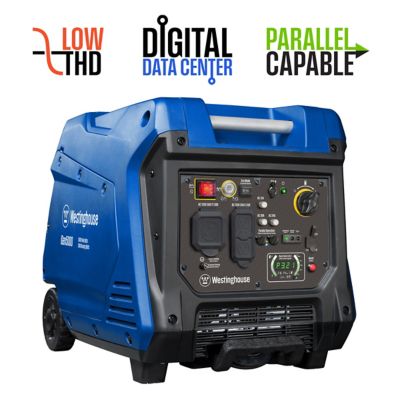
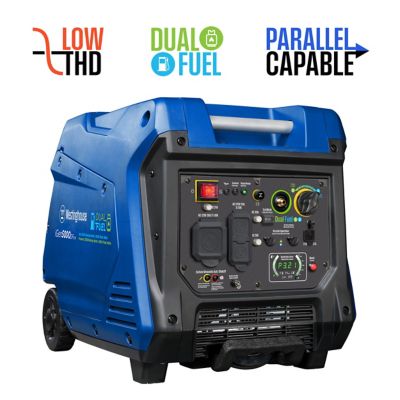
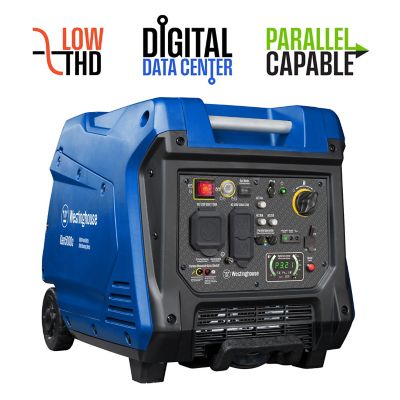
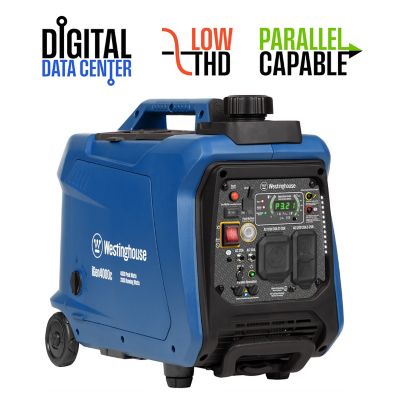
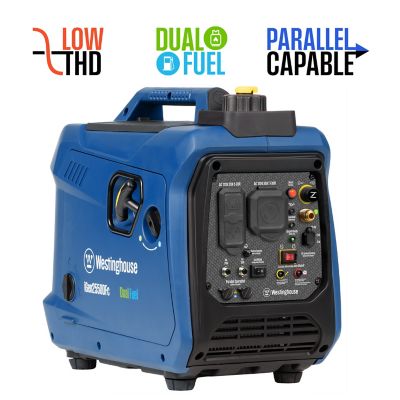
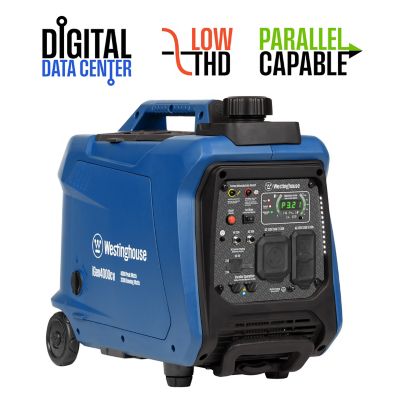
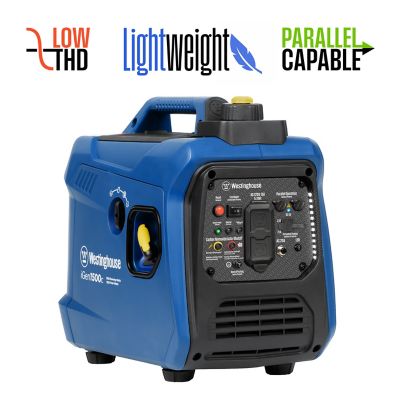
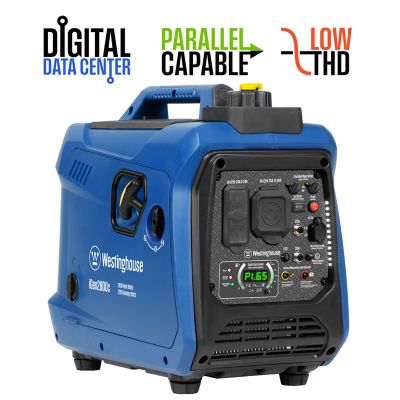
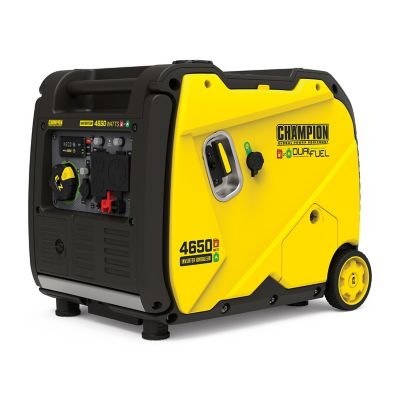
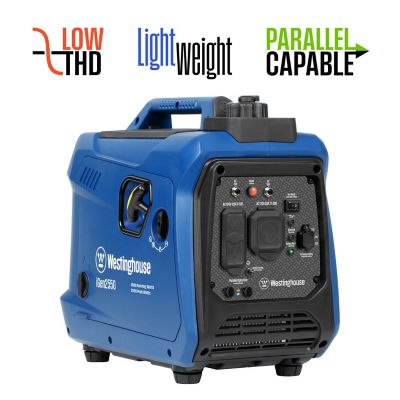
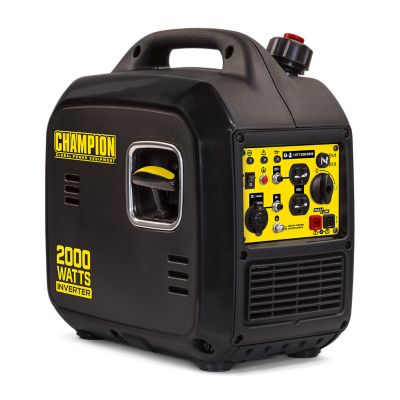
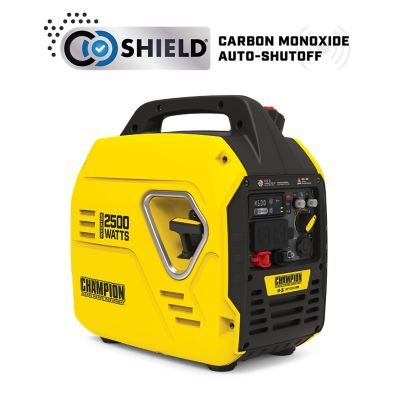
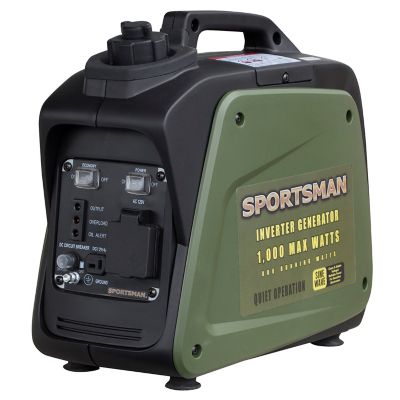
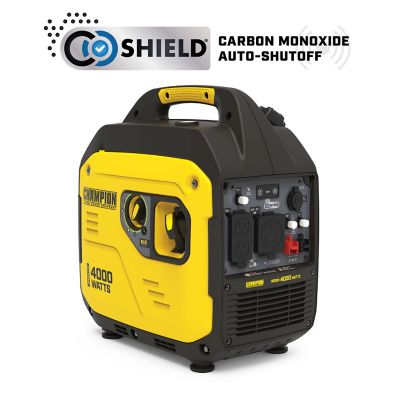
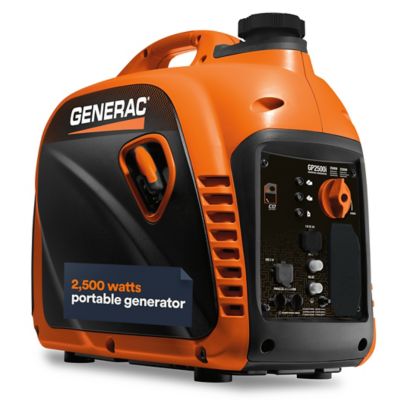
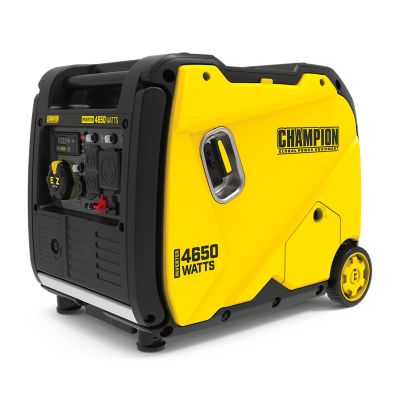
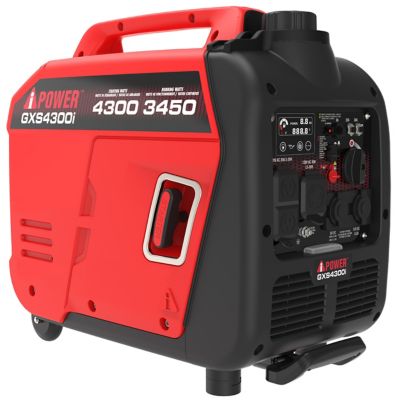
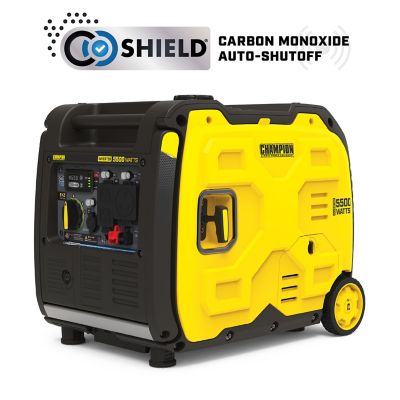
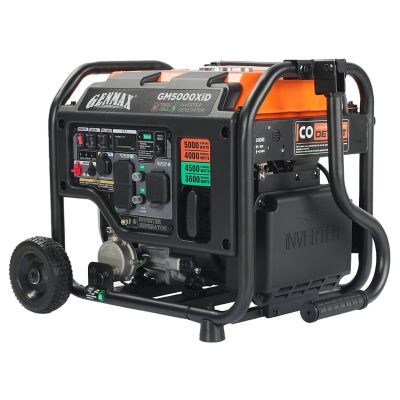
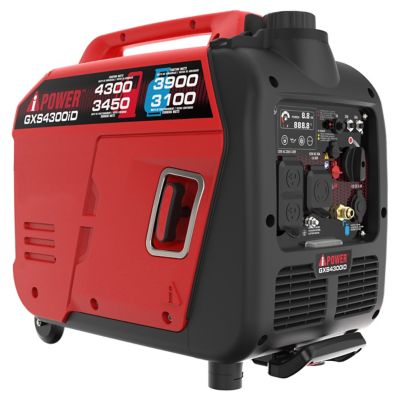
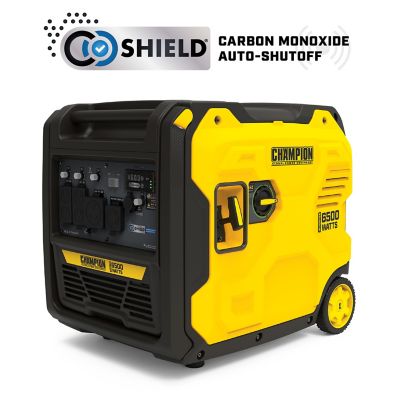
Compact inverter generators provide portable, engine-powered electricity for camping, RV travel, and road trips where a suitable electrical hookup isn’t handy. Their inverter circuitry helps regulate electrical output, making them worth considering for charging electronics and powering compatible appliances away from home. Many smaller models take up less hauling space and operate more quietly than larger conventional generators, although weight, sound levels, and power output vary. For someone pulling a small camper, heading to a fishing camp, or traveling between trailheads, that balance can make packing a little simpler. A compact footprint leaves room for tackle boxes, folding chairs, and the rest of the gear that tends to fill a pickup bed. Carrying weight matters just as much as overall dimensions, especially when the generator needs to move from a storage compartment to a suitable outdoor operating spot. Published dry weight generally doesn’t include fuel, so the ready-to-run load deserves a close look. Top handles, paired carrying grips, and wheeled designs suit different lifting needs, while the shape of the housing affects how comfortably a unit fits through a camper’s compartment opening. Molded outer housings, metal supports, and rubber feet are construction details that can help protect internal components and steady the unit on a firm, level surface. Access panels also matter: an oil fill or air filter that’s easy to reach makes routine upkeep less of a chore between trips. Compact doesn’t mean pocket-size, and a generator still needs secure transport space, room around it while operating, and safe separation from occupied areas. For travelers who want power without hauling more machine than the trip calls for, the best fit comes from matching manageable size with the electrical demands of the gear going along. That match matters more than choosing by appearance or the largest wattage number on the label.
Power needs can look quite different from one trip to the next. Charging phones and running a few lights takes far less capacity than starting an RV air conditioner or operating several appliances together. Generator ratings usually distinguish between running watts, which describe sustained output, and starting or surge watts, which cover brief demands from equipment such as motors and compressors. Both figures matter when a refrigerator cycles on while another appliance is already drawing power. A little room below the generator’s continuous rating can make changing loads easier to manage, but the appliance manufacturer’s requirements remain the starting point. An RV-style outlet can simplify a compatible connection; it does not mean a compact generator can run every circuit in the camper at once. Plug configuration, amperage, voltage, and any adapter requirements all need to line up. For electronics, published voltage regulation and total harmonic distortion specifications offer more useful detail than a broad claim about clean power. Outlet covers, readable controls, overload indicators, and accessible reset switches can also make a difference when setting up after a long drive. On models with an economy or load-sensing mode, engine speed adjusts to electrical demand, which may reduce fuel consumption and sound at lighter loads. Advertised runtime depends on tank size, fuel type, and the load applied during testing, so a light-load runtime figure won’t describe a day spent powering heavier equipment. Sound ratings deserve the same careful comparison because testing distance and operating load affect the number. Campground generator hours still apply, even to a quieter inverter model. Travelers comparing
compact generators for weekend camping can weigh those same practical details against available packing space and the length of the stay. Parallel capability is another feature on some inverter generators, but pairing requires compatible units and the manufacturer-specified connection equipment. It can offer flexibility for changing power needs without making every trip a two-generator trip.
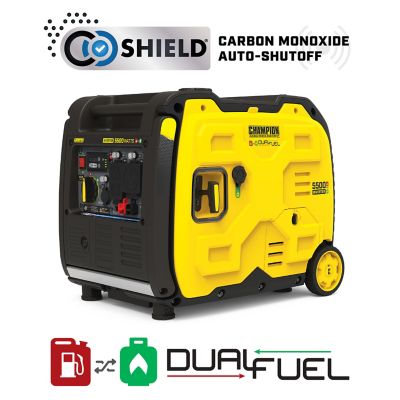
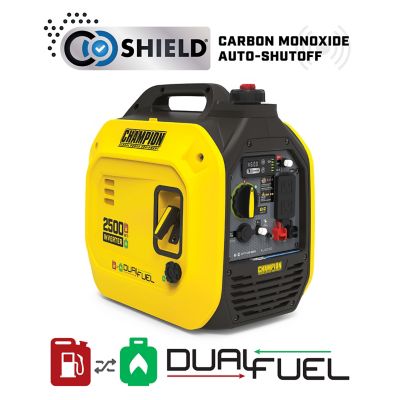
Fuel choice, routine care, and safe operation round out the picture for a travel generator. Gasoline-powered models call for suitable fuel containers and attention to the manufacturer’s storage directions. Dual-fuel designs may offer gasoline and propane operation, though output and runtime can differ between fuels, and a propane cylinder adds its own hauling space and connection requirements. Before transport, the engine needs to be off and cool, with fuel valves and caps positioned as the manual directs. The generator should ride upright and secured against sliding or tipping, with fuel transported according to applicable rules and never in an occupied passenger area. Once parked, a generator belongs outdoors, at least 20 feet from buildings, RVs, tents, and other occupied spaces, with exhaust directed away from people, doors, windows, and vents. It should never operate inside a vehicle, camper, garage, shed, or other enclosed or partly enclosed space, even with doors open. An awning or open tailgate does not make an enclosed operating spot safe. Carbon monoxide is invisible and has no smell, and a built-in shutoff sensor is an added safeguard rather than a substitute for proper placement and working carbon monoxide alarms in occupied spaces. Outdoor-rated cords with the right wire gauge and load rating help carry power to the equipment without overloading the connection. Cords also need a route that keeps them clear of walkways, sharp edges, and hot exhaust parts. A generator must never feed a household wall outlet; any connection to building wiring requires approved transfer equipment and a qualified electrician. Between outings, oil checks, air-filter care, and the scheduled service listed in the manual help keep the engine ready for the next departure. Refueling belongs outside with the engine stopped and cooled. After the trip, proper fuel management and a clean, dry storage spot help protect the generator between runs. Those everyday details are part of choosing portable power that fits the way a camper, angler, or road traveler actually packs, sets up, and heads down the road.