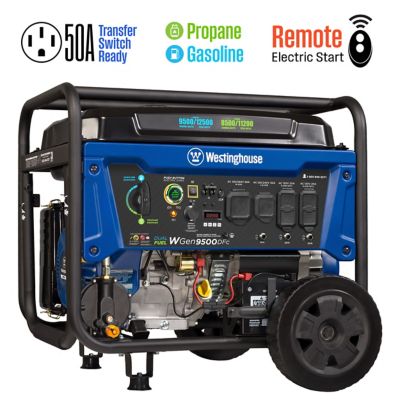
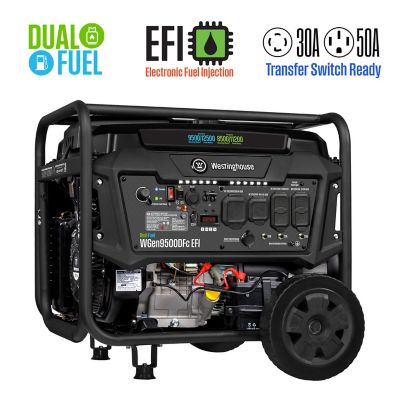
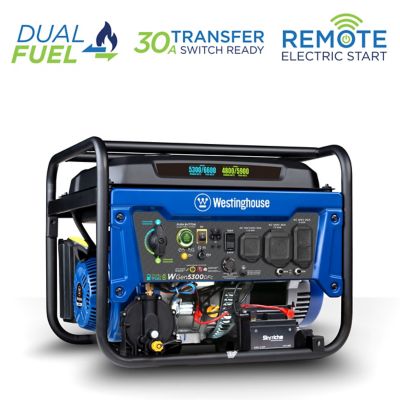
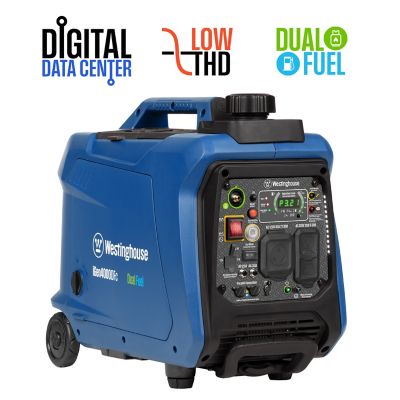
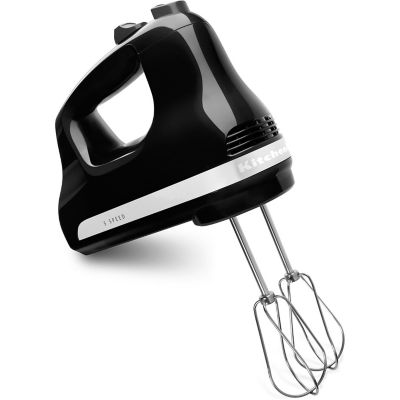
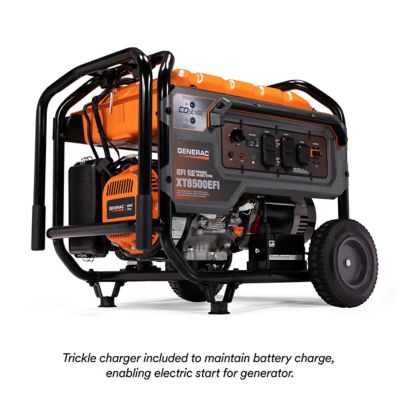
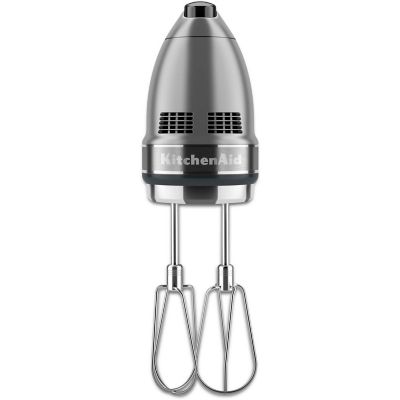
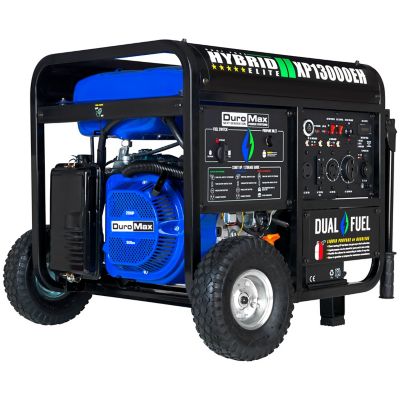
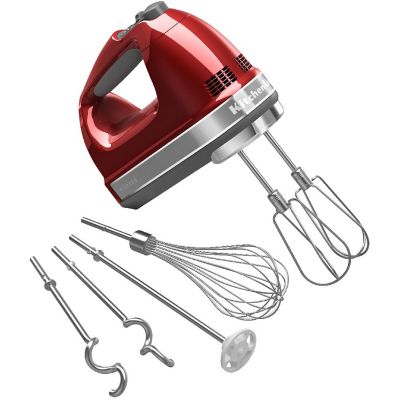
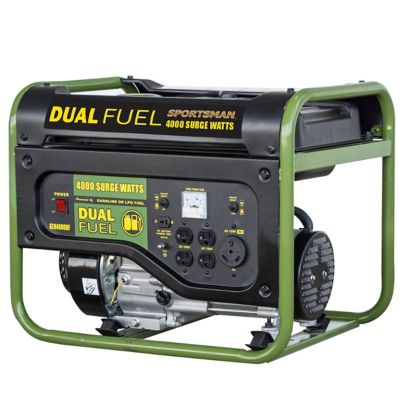
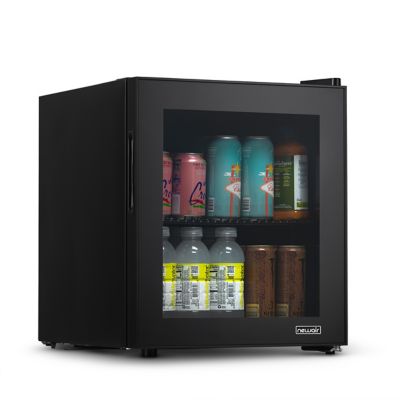
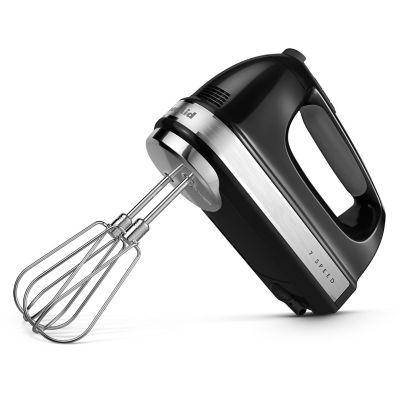
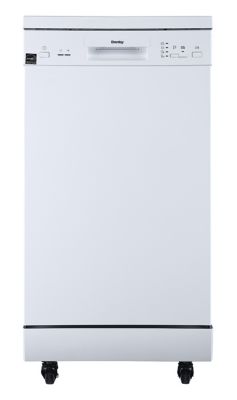
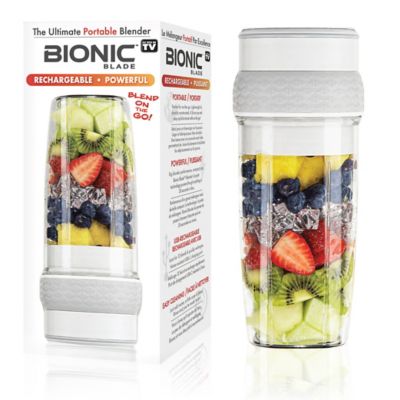
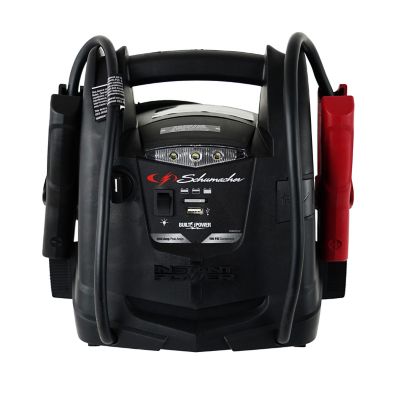
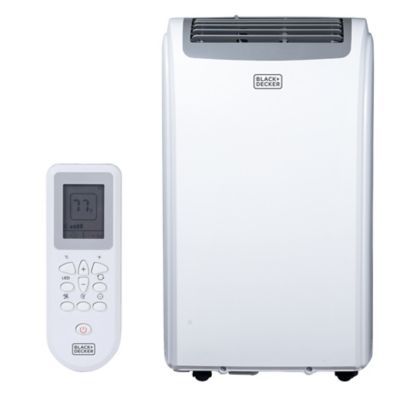
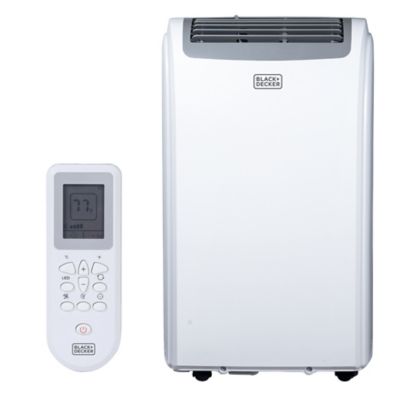
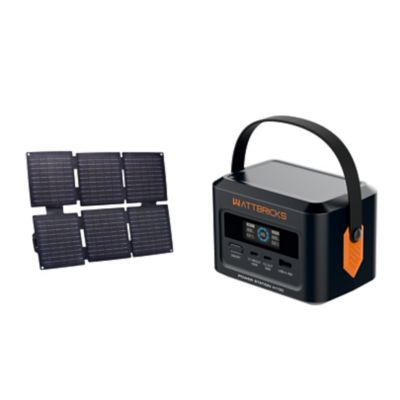
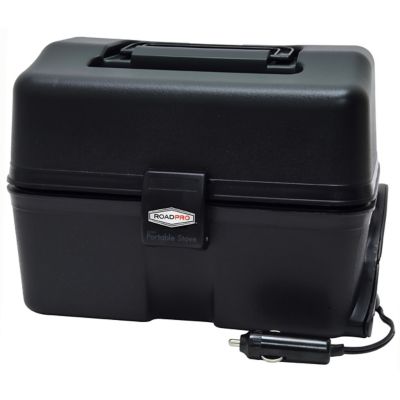
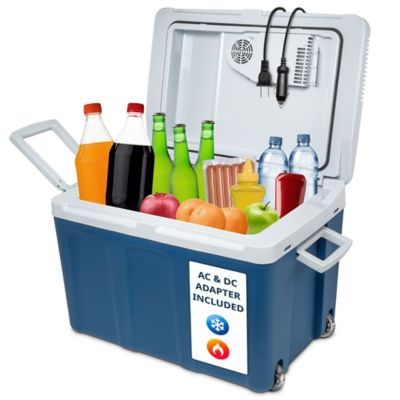
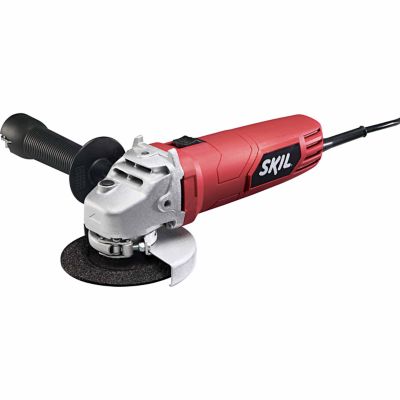
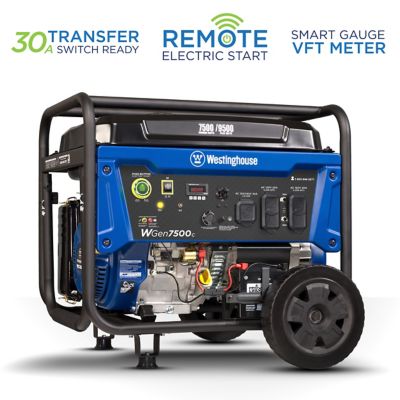
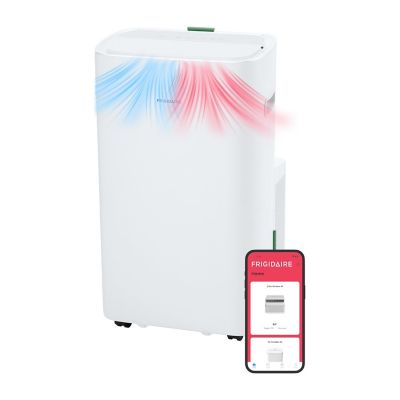
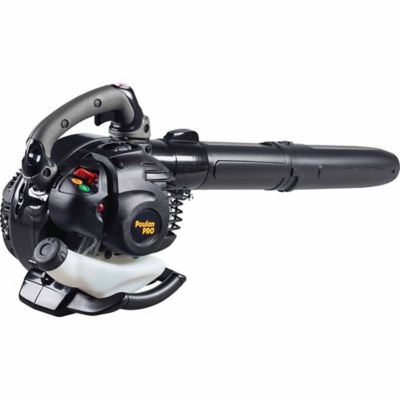
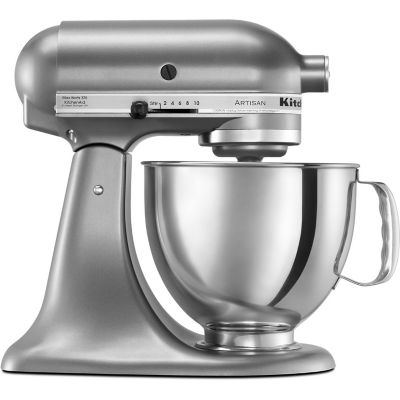
Portable appliances bring everyday convenience to places where a full-size setup is not practical. These compact electrical devices are made to be moved easily, whether they are sitting on a kitchen counter, packed for a trip, set up in a workshop, or carried between rooms. Many use a standard plug and flexible cord, while cordless and USB-C models offer added freedom when an outlet is not close by. In general, portable appliances are lightweight enough for regular handling, often weighing less than 40 pounds, and are designed to be moved while connected or operating when used according to the manufacturer’s instructions. Kitchen and food-prep options can help with quick breakfasts, warm drinks, simple meals, smoothies, and snacks in a dorm, camper, office, hunting cabin, guesthouse, or small apartment. Personal-care and garment-care appliances can make travel easier by helping dry hair, smooth clothing, or freshen up a work shirt before heading out. Comfort and climate appliances are useful for adding airflow, gentle warmth, or moisture control to a personal space, while compact laundry appliances can lend a hand when a full laundry room is unavailable. A portable appliance may be a handy choice for anyone living in a smaller space, working away from home, traveling often, outfitting a camper, or keeping a backup setup on hand for busy days.
When choosing among portable appliances, start with the way the appliance will be used and the space available for it. Check the overall dimensions, weight, cord length, storage needs, and whether the unit has a handle, folding parts, or another easy way to carry it. A countertop appliance should leave enough room around vents and controls, while a heater, fan, or dehumidifier needs proper clearance for safe airflow. Look for controls that are simple to see and operate, along with settings that match the task rather than adding features that may go unused. For kitchen appliances, consider capacity, cleanup, removable parts, spill resistance, and whether the available power supply can handle the appliance. For garment and personal-care appliances, a compact design, travel-friendly voltage information, and a cord that stores neatly can make a noticeable difference in a suitcase. Those shopping for laundry or climate-control equipment should pay close attention to water drainage, tank size, ventilation, noise level, and how often the unit will need to be emptied or cleaned. Outdoor jobs may call for a portable appliance that fits alongside
Portable Outdoor Equipment, while indoor use may place a higher priority on quiet operation and a smaller footprint. It is also worth checking the outlet type, wattage, plug style, and any extension-cord guidance before bringing a new appliance into a barn office, camper, older home, or workshop. A longer cord can be useful, but an extension cord should be rated for the appliance and used only as directed. Never cover heating or ventilation openings, and keep electrical appliances away from standing water unless they are specifically designed for that environment.
Portable appliances also make practical gifts for college students, new homeowners, renters, travelers, campers, ranch hands, teachers, caregivers, and anyone settling into a temporary living space. A small food-prep appliance can be a thoughtful housewarming gift for someone furnishing a first apartment, while a travel-focused personal-care appliance may suit a frequent road traveler or someone who works out of town. Compact comfort appliances can help make a drafty office, hunting cabin, or spare room more livable during the cooler months, and easy-to-store garment-care tools can be welcome for a graduate starting a new job. For a gift, think about the recipient’s routine, available counter or storage space, access to power, and comfort with cleanup and maintenance. Safety belongs at the center of every purchase and every use. Inspect cords and plugs for cuts, fraying, bent prongs, scorch marks, or loose connections, and stop using an appliance if it shows signs of damage, unusual heat, smoke, or a burning smell. Keep instructions nearby, follow the recommended operating time, and unplug the appliance before cleaning, moving, or storing it unless the instructions say otherwise. In workplaces, rental properties, lodging facilities, and shared living spaces, routine Portable Appliance Testing, often called PAT, may be used as part of an electrical-safety program; local rules and property requirements should always be followed. With sensible sizing, dependable storage, and careful attention to power and safety, portable appliances can help keep meals, chores, clothing, and personal comfort on track from warm-weather projects through the cooler months.