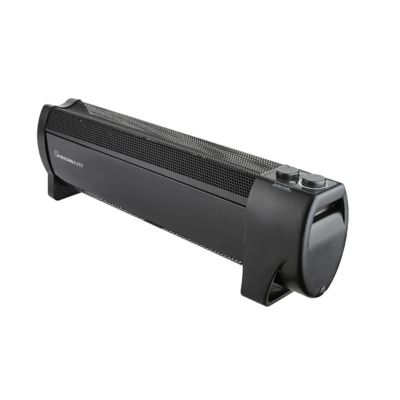
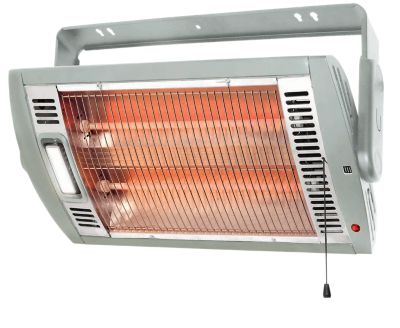
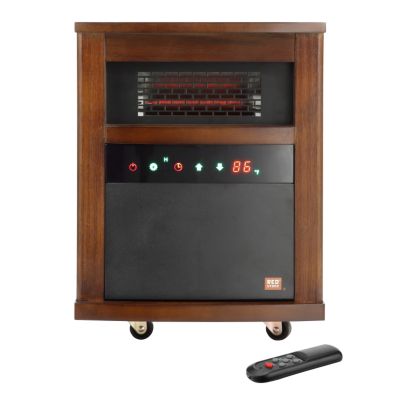
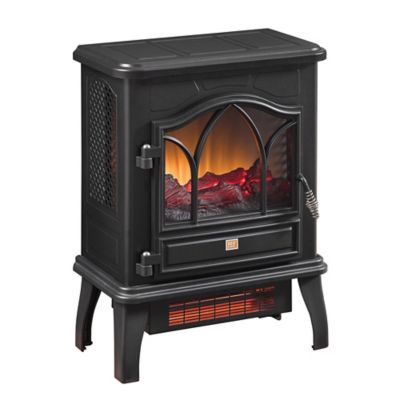
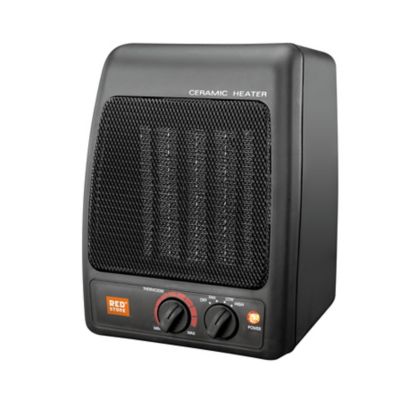
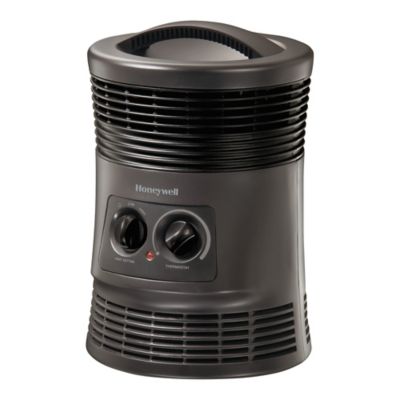
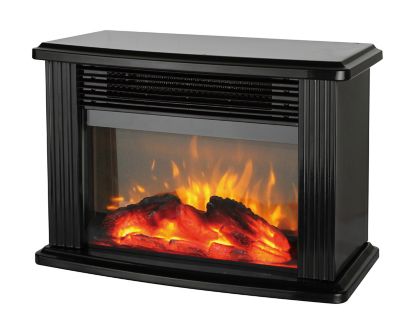
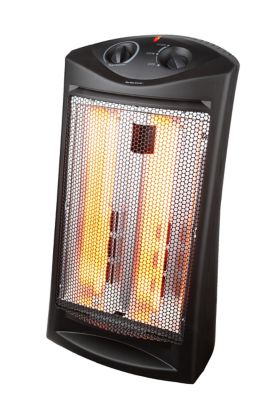
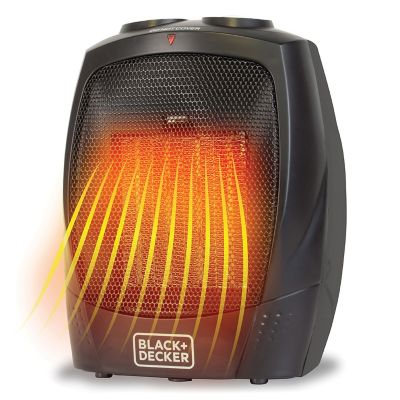
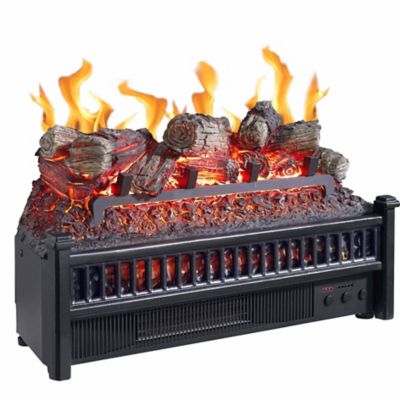
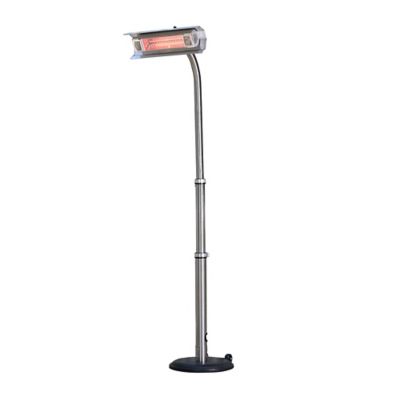
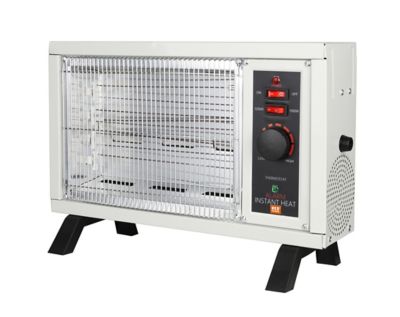
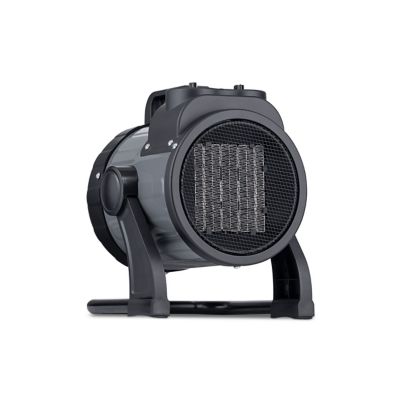
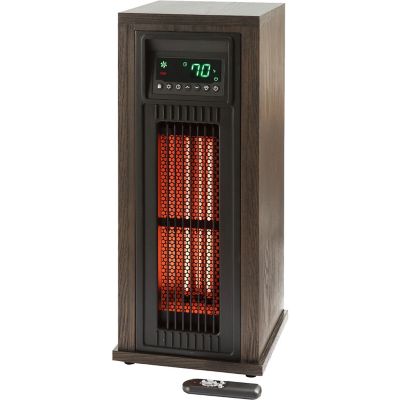
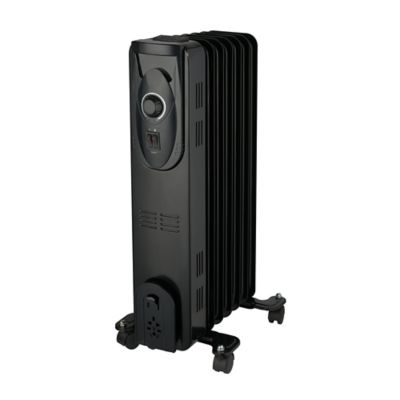
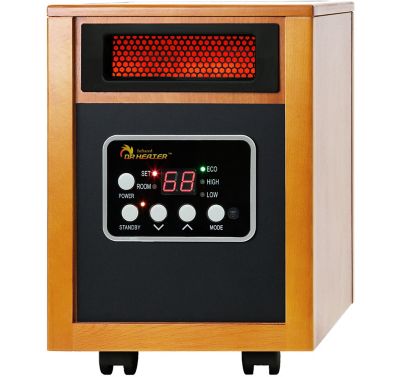
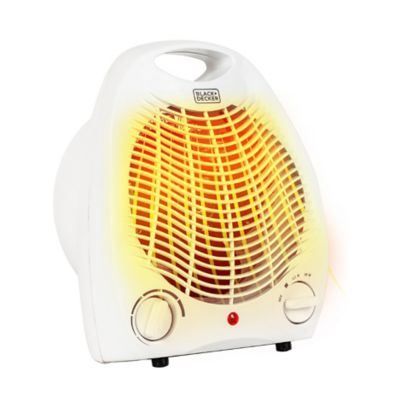
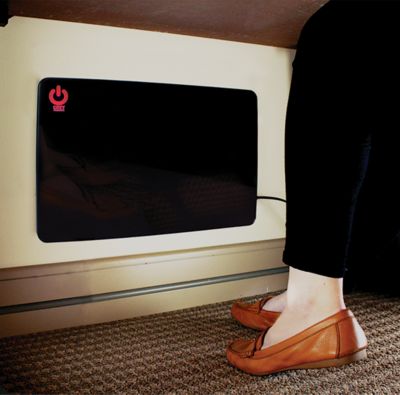
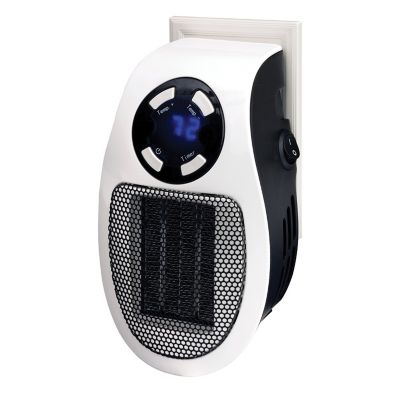
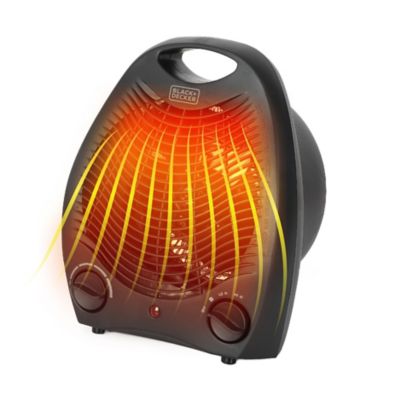
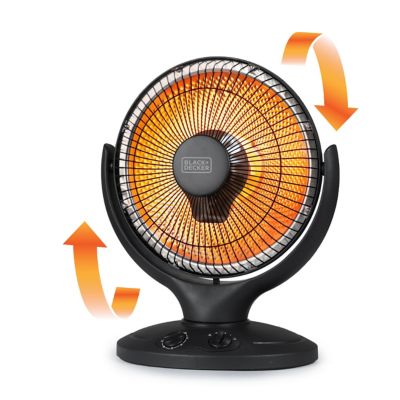
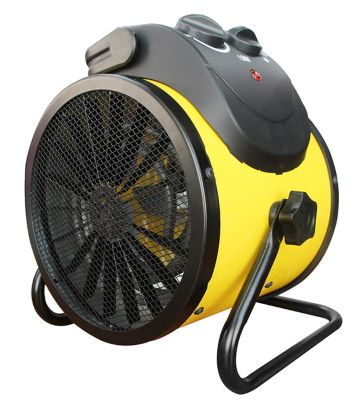
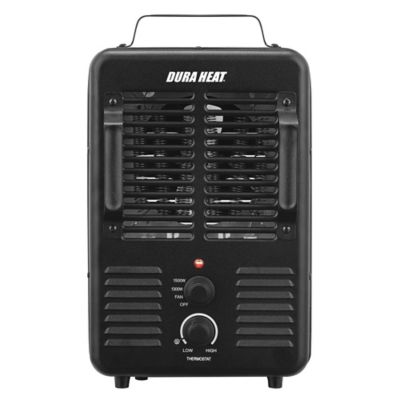
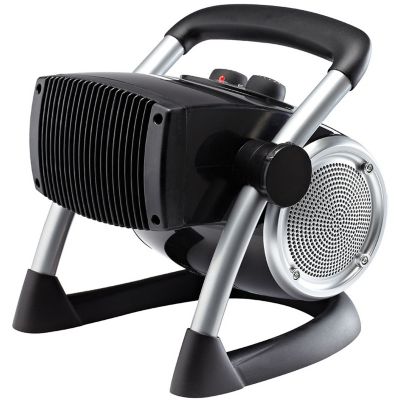
Plug in heaters are a handy way to add targeted warmth when you do not need to heat the whole house, shop, office or outbuilding. These compact electric heaters connect to a standard wall outlet and are useful in the places where a little extra comfort makes a big difference, such as a chilly home office, mudroom, bedroom, enclosed porch or small workshop. Direct wall-outlet heaters keep the footprint small and can be a good fit beside a desk, near a reading chair or in another tight space where floor room is limited. Portable corded heaters offer more flexibility since they can be set on the floor or a sturdy tabletop and moved as needed. Many direct-plug models use around 800 watts and are intended for smaller rooms, while portable models may provide up to 1,500 watts for a broader area. Always compare the heater’s listed coverage with the room size, ceiling height, insulation and draftiness of the space. A well-insulated room over a finished basement may warm much more easily than a breezy mudroom or an uninsulated workshop. For larger rooms or a more permanent heating setup, you may also want to explore
Mounted Heaters. Plug in heaters can be especially useful during the cooler months when a house feels comfortable everywhere except that one cold corner. They also make practical gifts for someone setting up a home office, fixing up a hunting cabin, spending long hours in a garage or building a cozy spot for hobbies and crafts. A compact heater tucked under a workbench or beside a sewing table can take the edge off the cold without requiring the main thermostat to warm every room.
When choosing among plug in heaters, start with the way you plan to use the heater and the kind of control you want at hand. An adjustable thermostat lets you choose a target temperature instead of running the unit continuously, which can make it easier to maintain steady warmth as outdoor temperatures shift. Multiple heat settings are useful when you want a gentle boost on a cool morning or stronger heat when the room has been sitting cold. A programmable timer can shut the heater off after a selected period, often for several hours, which is convenient in a home office, guest room or workshop where you may lose track of time. Some models are designed to plug directly into the outlet, while others use a short power cord and sit several feet away. Check the outlet location before buying, and make sure the plug or cord will not be strained, pinched or left across a walking path. Ceramic heating elements are common in portable units because they can provide quick, focused warmth, while fan-assisted designs help move heated air around a small room. For a quiet sleeping area, office or nursery, pay attention to fan noise and indicator lights. In a damp location such as a bathroom, choose only a heater specifically rated for that environment and equipped with appropriate protection, such as an ALCI safety plug where required. A standard indoor heater should not be used in a wet or splash-prone area, and no plug in heater should be placed in a livestock area, greenhouse or other demanding environment unless the instructions specifically allow that use. Read the manufacturer’s directions for intended placement, operating conditions and cleaning before putting the heater to work.
Safety features deserve just as much attention as heat output. Look for automatic overheat protection and tip-over shutoff, particularly if the heater will be used around children, pets, active work areas or uneven flooring. Set the heater on a stable, level, nonflammable surface and leave plenty of open space around it. Keep blankets, clothing, bedding, feed sacks, curtains, cardboard and furniture well away from the air intake and heat outlet. Never drape anything over a heater to dry it, and do not use it to warm bedding, clothing or animal housing. Plug the unit directly into a properly rated wall outlet rather than an extension cord, power strip or surge protector, since those accessories may overheat under the load of an electric heater. Avoid plugging other high-wattage appliances into the same outlet, and stop using the heater if the plug, cord or outlet becomes hot, loose, damaged or discolored. Keep the heater where it can be seen and reached easily, turn it off when leaving the room, and follow the instructions for use during sleep. Dust can collect in workshops, barns and busy homes, so unplug the unit and clean it as directed to help maintain airflow. With the right size, controls and safety features, a plug in heater can bring welcome warmth to a small space, whether you are starting the day at a cold desk, taking the chill off the tack room office or settling in for a quiet evening at home.