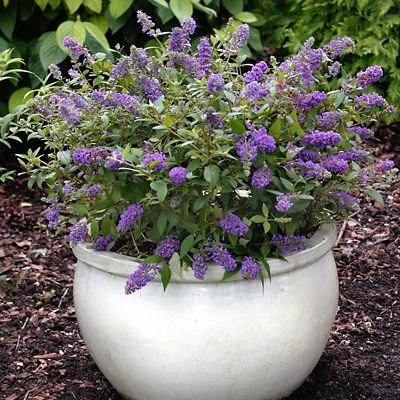
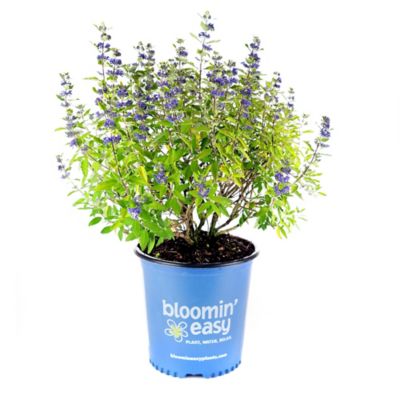
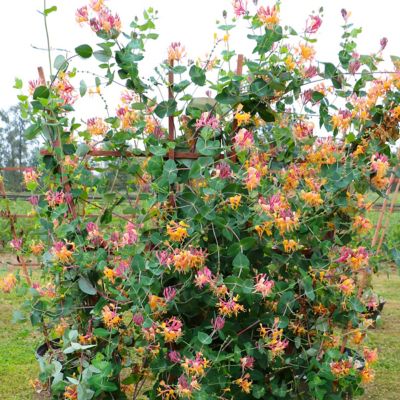
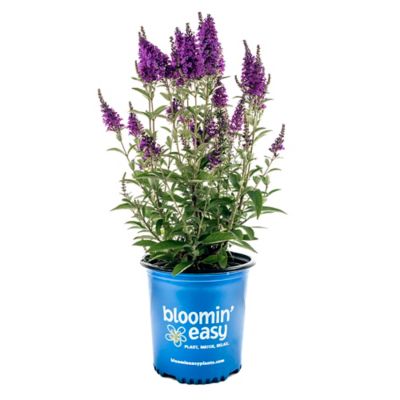
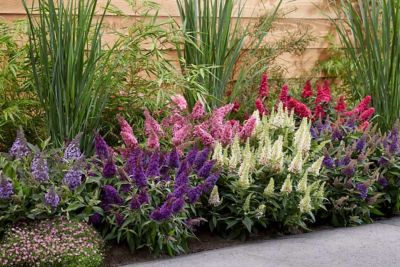
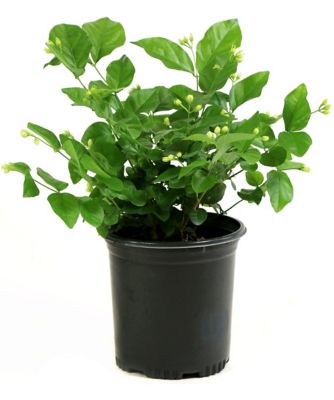
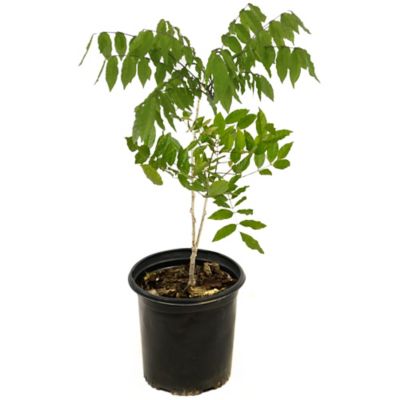
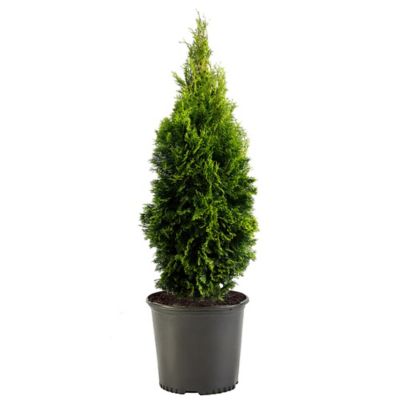
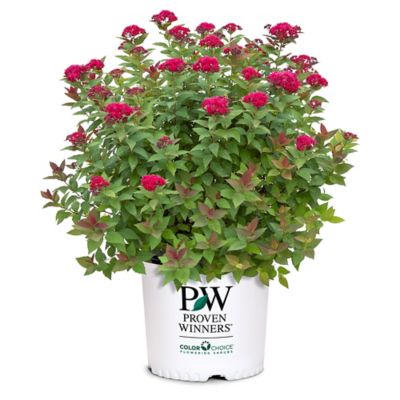
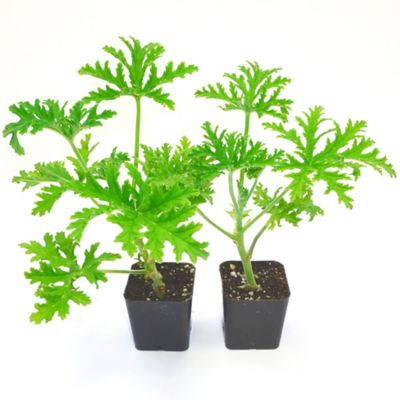
Plants to attract pollinators provide nectar, pollen, or host foliage that supports bees, butterflies, hummingbirds, and other flower visitors. Nectar supplies energy, while pollen supplies protein and other nutrients for many bees and their young. Host plants serve a different purpose: they provide the leaves that certain butterfly and moth caterpillars need to eat. A flower bed that supports adult butterflies does not necessarily support their caterpillars, so both roles matter. Flowering annuals, perennials, herbs, and shrubs bring different shapes and growing habits to these plantings, making room for pollinator habitat beside a porch, along a fence, or near a vegetable patch. Open, shallow flowers give many small insects an accessible feeding spot, while tubular blooms suit hummingbirds and some long-tongued bees. Simple flowers with exposed centers often offer easier access than densely packed, double-flowered forms, though nectar and pollen production vary among plants. Color helps shape the planting, but flower structure, food value, and regional suitability deserve just as much attention. Native plants can be especially helpful when they have established relationships with local insects; native status is regional, not a promise that a plant belongs everywhere in the country. A mix of plants with overlapping flowering periods can provide food for longer than a bed filled with flowers that all open at once. Repeated patches of the same flower also give visiting insects a concentrated place to forage, rather than a scattering of single blooms far apart. For a yard with room to spread out, flowering shrubs can anchor the planting while shorter flowers fill the edges. In a smaller space, a few well-matched container plants can bring flower visitors close enough to watch from the porch steps. These plants can also support pollinating insects that visit nearby fruit and vegetable crops, although the benefit depends on which insects visit and what those crops need. The result can be a working part of the landscape, with color for people and food for wildlife sharing the same ground.
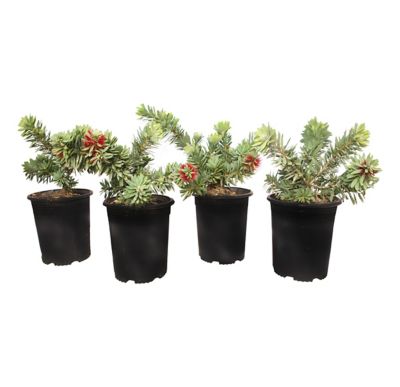
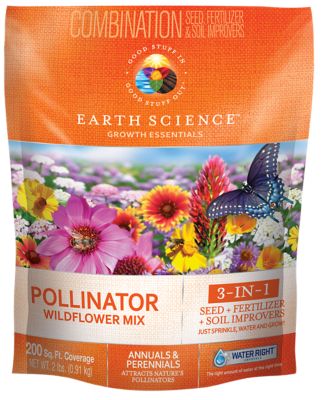
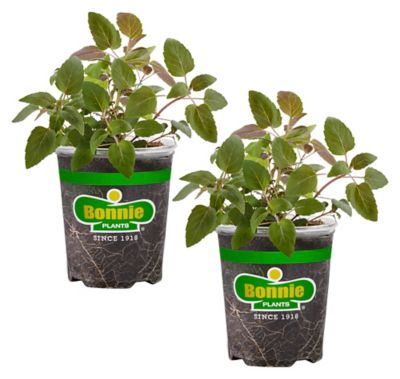
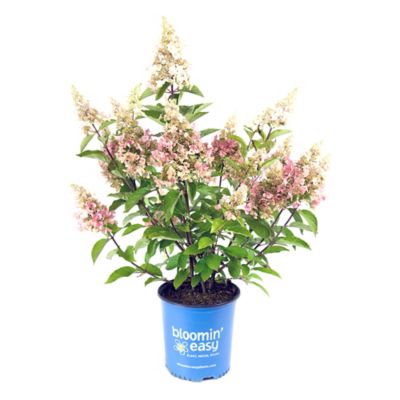
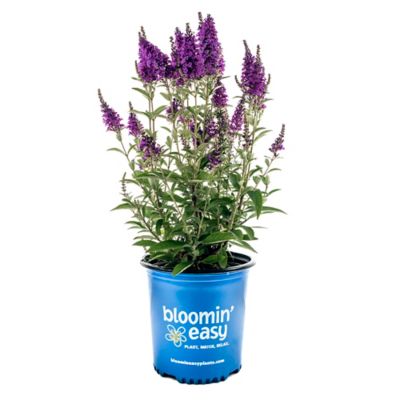
The right fit starts with the space a plant will occupy at full size, not just the size of its pot. A tall, spreading perennial might suit a roomy fence line but crowd a narrow walkway, while a compact flowering plant can settle into a porch container without blocking the steps. Plant tags help match light requirements, mature height and width, soil preferences, and USDA plant hardiness zones to the planting site. Full-sun flowers generally need at least six hours of direct sunlight each day; plants suited to partial shade offer other choices where trees or buildings limit that exposure. Soil moisture matters just as much. A low spot that stays damp calls for different plants than a raised bed that drains quickly, and even moisture-loving roots need conditions appropriate to their species. Annuals complete their life cycle in one growing period, while perennials can return for several years when the site suits them. Flowering shrubs add a woody framework, and herbs allowed to bloom may provide another food source for visiting insects. Seeds offer a way to establish larger patches, though germination requirements and time to flowering vary. Established plants make their spacing and growth habit easier to picture at planting time. Containers need drainage holes and enough room for roots, along with a potting mix intended for container growing rather than heavy garden soil. A broad, stable pot also makes sense for taller plants on an open porch or patio. For gardeners planning around a favorite color,
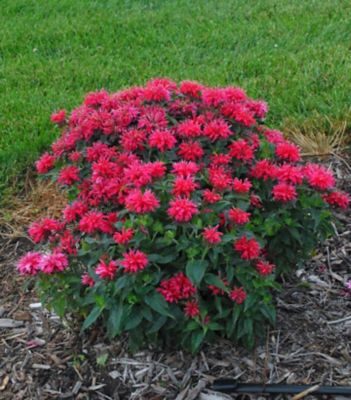
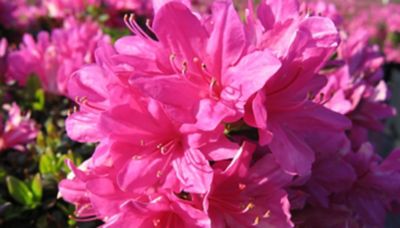
plants with pink blooms can fit alongside other flower colors without making color the only consideration. Matching flower shapes and flowering times still matters. Pollinator-friendly plants can also make a thoughtful gift for a gardener, neighbor, or someone getting started with a small yard, especially when the plant’s eventual size and care needs suit the space they have. A compact plant with clear care requirements is often a better fit than something that needs more room or attention than its recipient can give.
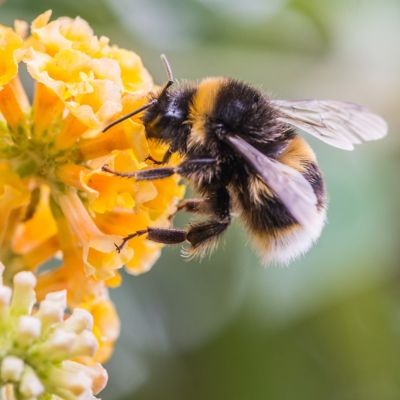
Caring for pollinator plants means supporting healthy roots and foliage as well as keeping flowers coming. Newly planted roots need attention to soil moisture while they establish, and container plants generally need more frequent checks than plants growing in the ground. Water directed toward the soil reaches the root area without continually wetting flowers and leaves. Drainage remains important, since a plant struggling in soggy soil may produce fewer blooms even when it receives plenty of light. A layer of organic mulch can help hold soil moisture and limit competing weeds, with space left around plant crowns and woody stems rather than mulch piled against them. Fertilizer needs vary by plant and soil; extra feeding does not automatically mean more flowers, and excess nitrogen can encourage leafy growth instead. Some flowering plants produce more blooms when spent flowers are removed, while others offer seed heads worth leaving for birds. Host plants bring another consideration: nibbled leaves can be evidence that caterpillars are finding the food they need. That makes a pollinator planting a little different from a bed maintained for untouched foliage. Familiarity with the insects on a plant helps distinguish welcome feeding from damage that needs attention. Pest treatments also deserve care around flowers. Product labels identify restrictions and precautions, and any treatment needs to account for visiting pollinators rather than treating every insect as a problem. Choosing plants suited to the site can reduce the stress that invites trouble in the first place. Nearby habitat adds value, too. Depending on the species, native bees may nest in bare ground, hollow stems, or existing cavities, so a flower bed alone does not meet every need. A tidy porch planting and a less-disturbed corner beyond the garden fence can each play a part. With plants matched to their space and care needs, a pollinator-friendly yard can stay practical for everyday life while offering something worth stopping to watch: a bee working across a flower head, a butterfly settling onto a bloom, or a hummingbird pausing at a cluster of tubular flowers.