Plants for patio gardens bring color, greenery, fragrance, and even something for the supper table to an outdoor space without requiring a patch of open ground. A few well-chosen containers can make a concrete patio feel more inviting, soften the edge of a paved sitting area, or give a back-door gathering spot a little separation from the rest of the yard. The best fit depends on the hours of direct sunlight, the room available for roots and mature growth, and how much tending fits into everyday life. Sun-loving flowering plants and many culinary herbs belong in brighter locations, while shade-tolerant foliage plants suit spaces beneath a roof or beside a wall that blocks direct light. Plant labels help sort out those differences: full sun generally means at least six hours of direct sunlight daily, while partial shade usually means about three to six hours. Those measurements matter more than whether a patio simply looks bright. A chair-side planter might receive only a narrow band of direct light, even when the yard beyond it gets plenty. Lavender offers fragrant foliage and flower spikes for sunny spaces with freely draining soil, while rosemary pairs a woody, upright shape with leaves that can be clipped for cooking. Many ferns bring arching fronds to shaded corners, though moisture needs vary by species. Cast iron plants offer broad, upright leaves for lower-light settings where flowers may struggle. For patios centered on meals and family visits, compact herbs keep useful greenery close to the kitchen door. For a quiet place to read or watch the yard, leafy plants and softly textured grasses can create a fuller backdrop without crowding the furniture. A good patio planting feels like it belongs there, leaving room to pull out a chair, carry a laundry basket, or let the kids pass through without brushing against every pot.
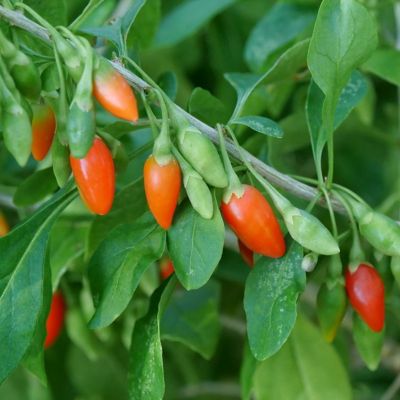
Size and growth habit have just as much bearing on patio plants as flower color. A plant that looks small at purchase may eventually spread across a walkway, rise above a railing, or need a much larger root space. Mature height and width help distinguish plants suited to a tabletop from those better placed along the outer edge of a sitting area. Upright plants add height beside a bench or doorway, rounded growers fill the middle of a container, and trailing plants soften the rim without taking up much space above it. Creeping thyme can spill over a pot’s edge in a sunny setting, but it needs drainage rather than constantly damp soil. Compact ornamental grasses contribute fine blades and movement; their eventual width matters when they sit close to chairs. Gardenias offer glossy foliage and fragrant blooms, with acidic growing media and consistent moisture among their care needs. Succulents bring sculptural leaves to containers with fast drainage, although light requirements differ among types. Edible patio plants have their own space considerations. Dwarf fruit trees can grow in containers when their rootstock, mature size, and care requirements suit that setting, but “dwarf” does not mean a tree will stay tabletop-small. Fruit production may also depend on pollination requirements, sufficient light, and regular feeding. Larger root systems need containers with room to support growth and enough weight to keep the planting steady.
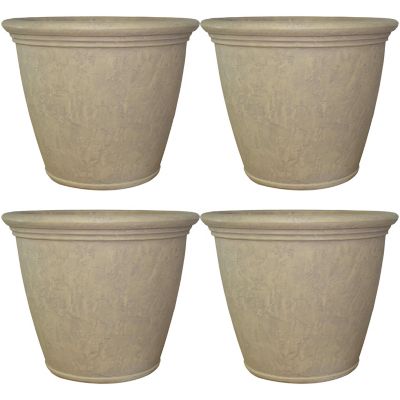
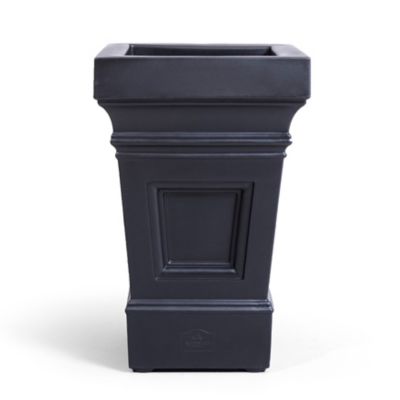
Large Patio Flower Pots can provide that extra space while giving taller plants a base that looks balanced. Container materials affect handling and moisture management, too. Unglazed terra-cotta is porous and allows potting mix to lose moisture more readily, while plastic and resin containers are generally lighter to move. Glazed ceramic provides a less porous wall but can be heavy once filled. Whatever the material, drainage holes help excess water escape; a layer of gravel at the bottom does not replace them. A container-sized plant and a properly drained pot work together, rather than leaving the roots squeezed into a vessel chosen only for its looks.
Everyday care is where a patio garden either fits the household routine or becomes another chore competing for attention. Plants with similar light and watering needs make easier container companions than a mix chosen solely for matching colors. Rosemary and many moisture-loving ferns, for example, are better kept in separate pots because their preferred root conditions differ. Container potting mix provides a more suitable balance of air and moisture than dense soil dug from the yard, and the right blend depends on the planting. Succulents need especially free drainage, while many flowering and foliage plants do well in a mix that holds some moisture without staying soggy. Watering needs depend on the plant, pot size, material, root growth, and placement, so checking the mix is more useful than relying on a fixed schedule. A finger pressed into the surface can help assess moisture near the top, though larger pots may need a deeper check. Containers within easy reach of a watering can or hose are less likely to be overlooked, and saucers need attention so roots are not left standing in collected water. Feeding, trimming, and removing spent flowers also vary by plant; some selections need regular touch-ups, while others keep a tidy shape with little pruning. For households with pets or small children, plant toxicity, sharp leaf tips, and accessible fruit deserve consideration before containers go beside a favorite play spot. Edible plants should be clearly identified, and any treatment should be labeled for the intended crop. Fragrant flowers near a seat can be pleasant, while plants that attract visiting bees may fit better along the patio’s edge than beside a frequently opened screen door. For someone who enjoys cooking, a manageable pot of culinary herbs can make a thoughtful housewarming gift; for a friend who prefers greenery to garden chores, a foliage plant matched to their patio’s light may be a better fit. From a roomy farmhouse patio to a small paved landing, the most satisfying choices leave space for both healthy growth and the people who gather there.