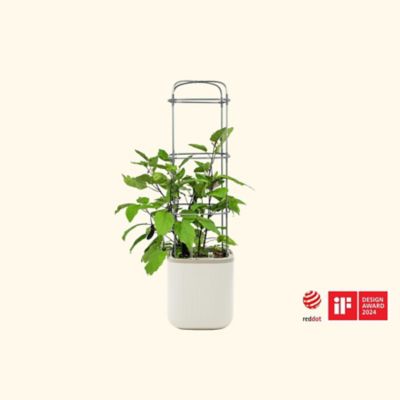
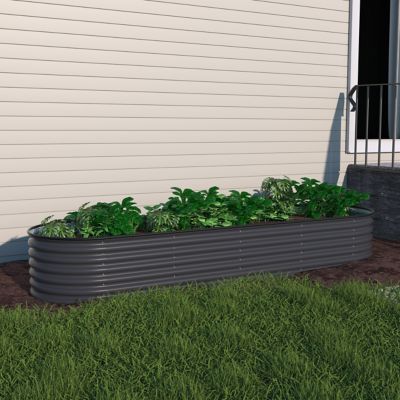
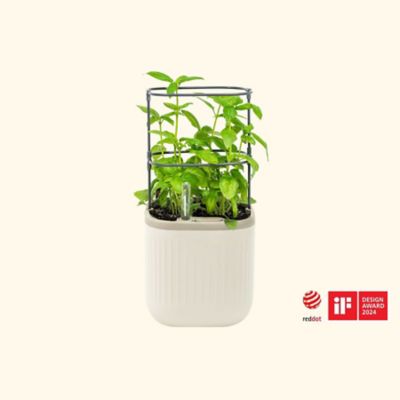
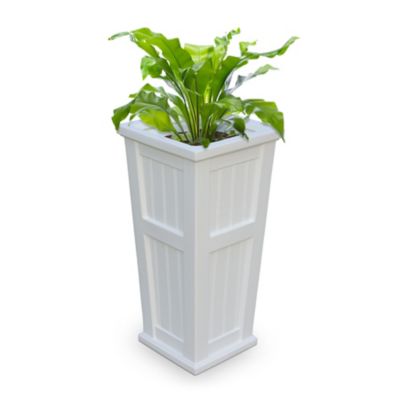
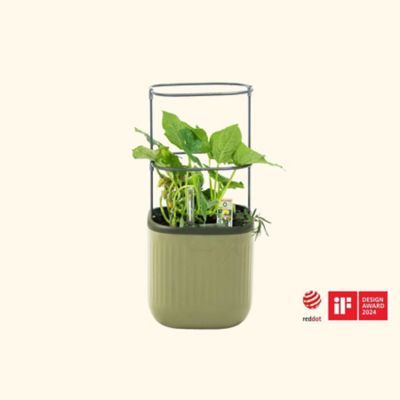
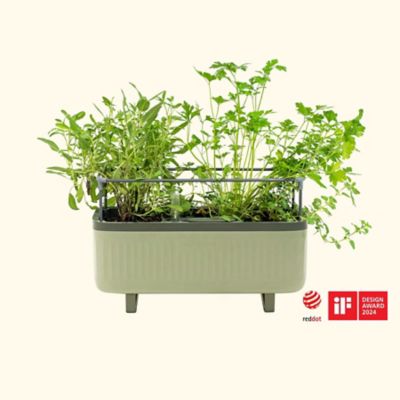
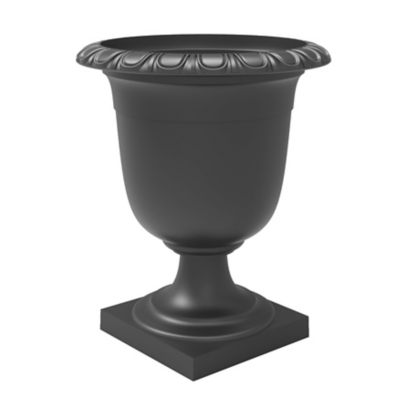
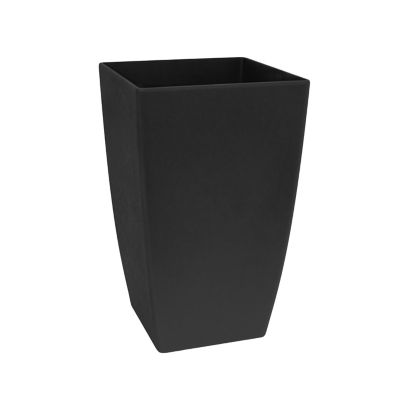
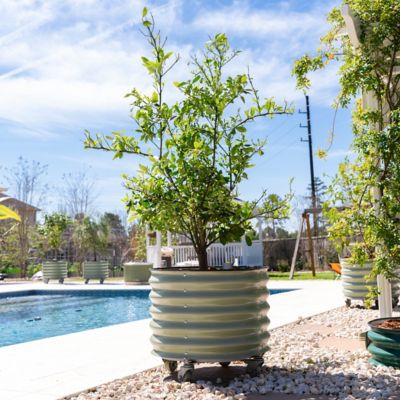
A planter gives a plant its own growing space, whether that’s a leafy houseplant beside the sofa, a few kitchen herbs near a bright window or a row of flowers along the back porch. The right container fits the plant, the spot and the way you tend it. Small planters work well on windowsills and narrow shelves, while larger containers give spreading roots more room and help a substantial plant look settled in its surroundings. Opening width matters just as much as overall height: a tall, narrow planter may have less room for roots than its outside dimensions suggest. Interior measurements are especially helpful when matching a planter to an existing nursery pot or choosing room for future growth. A modest increase in size often makes more sense than a big jump, since excess potting mix can hold moisture longer than a small root system needs. Drainage is another important part of the fit. Containers with drainage holes allow extra water to escape, while a matching saucer helps keep that water off floors, shelves and porch boards. A planter without holes can serve as an outer container for a separate growing pot, giving you a finished look without placing roots directly in standing water. That arrangement also makes it easier to lift the plant out for watering and check what’s collecting underneath. Potting mix suited to container growing helps balance moisture and air around the roots; soil dug from the yard can pack down too tightly in a pot. For herbs and vegetables, enough depth for the particular crop matters more than choosing a container by appearance alone. A compact planting of leafy herbs has different space needs than a larger vegetable plant with a broad root system. Whether you’re filling a single pot or arranging several together, planters make it possible to grow where an in-ground bed isn’t practical, from a small apartment balcony to the hard-packed space beside a shed.
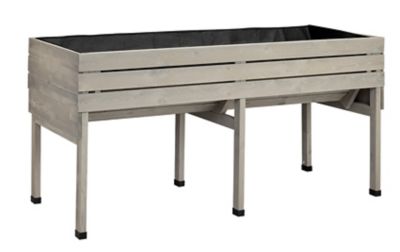
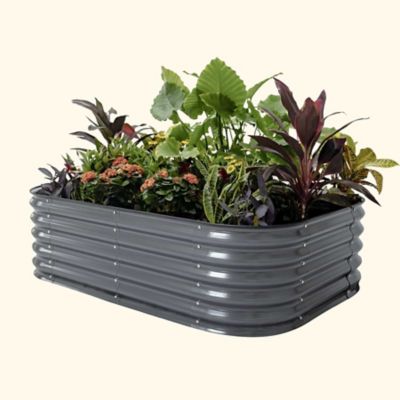
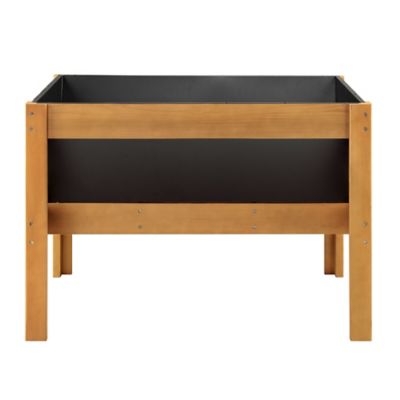
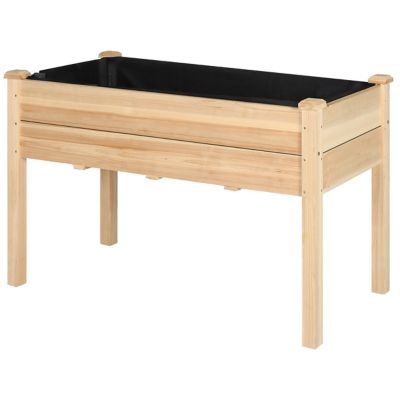
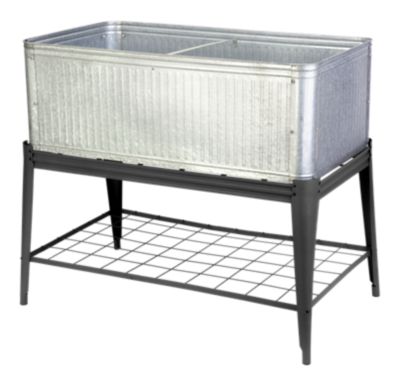
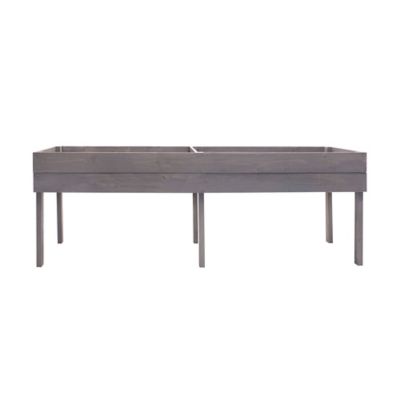
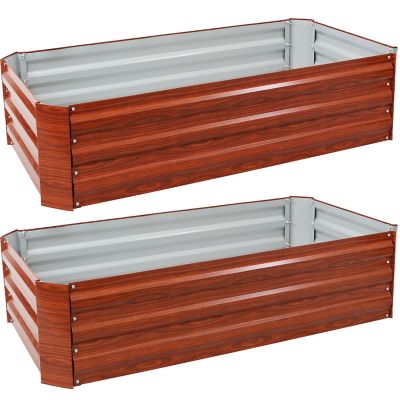
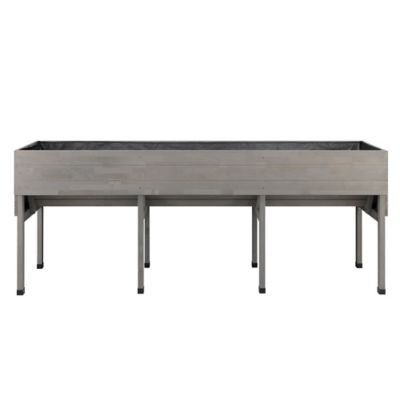
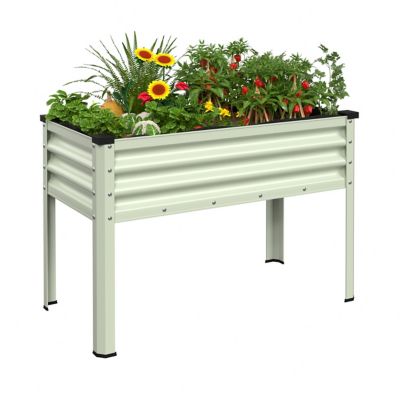
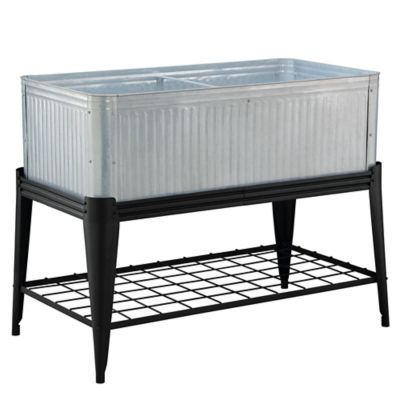
Material makes a noticeable difference in how a planter looks, feels and handles everyday care. Plastic and resin containers generally weigh less than clay or ceramic, which can be handy when a planting needs to move between a shelf, a workbench and its regular spot. Their lighter weight also helps with larger containers, though the weight of damp potting mix still adds up quickly. Wall thickness, rim construction and the shape of the base all affect how a container stands up to lifting and moving. Unglazed clay has an earthy look that fits comfortably beside wood, brick and stone, and its porous walls allow moisture to pass through more readily than many nonporous materials. That can suit plants that prefer their growing mix to dry between waterings, but it also means the watering routine may differ from one container to another. Glazed ceramic offers a smoother surface and a wide range of colors, with enough heft to steady many tabletop plantings. It deserves careful handling around hard floors and counters, where a bump can chip an edge. Metal planters bring a straightforward, working-yard feel to a porch or entry, although moisture can affect the metal or its finish over time. Wood containers have a warm, natural appearance and can suit larger arrangements; construction, drainage and protection from constant contact with damp growing mix all matter. A properly fitted liner with drainage can help separate the growing area from the surrounding wood. Across materials, a broad base can help support top-heavy foliage, and handles are most helpful when they’re intended to carry the filled container rather than just the empty shell. Care should suit the material and finish. Soil residue, mineral buildup and trapped water can leave marks, so accessible interiors and removable saucers make cleanup less of a chore. Between plantings, removing old roots and cleaning the container according to its care directions helps keep the next planting space ready. A close look at rims, bases and drainage openings can reveal cracks or damage before a full pot makes them harder to spot.
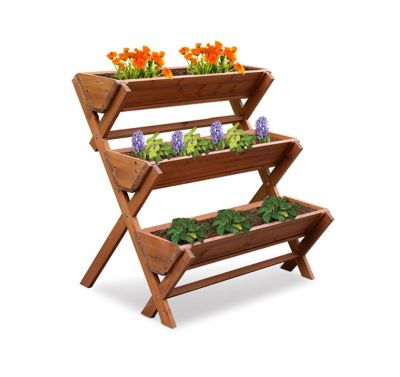
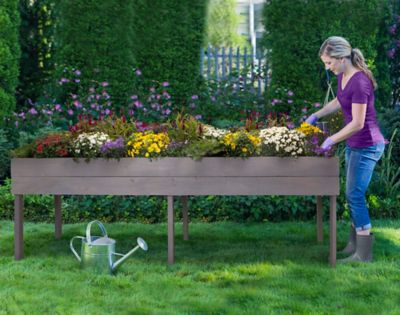
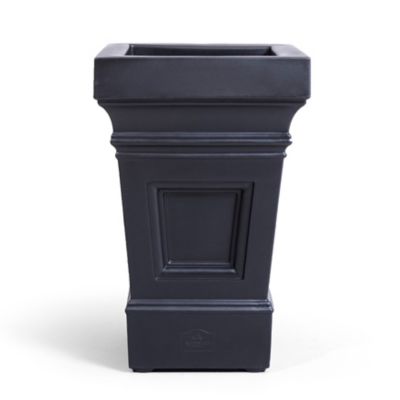
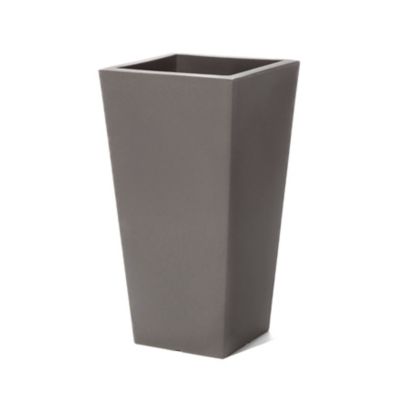
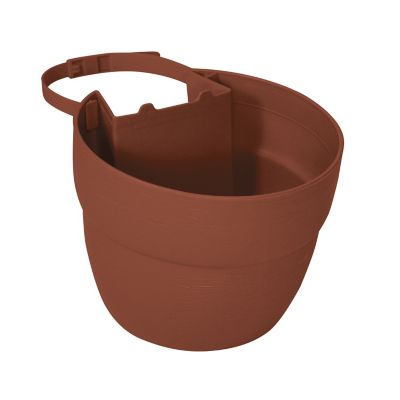
Shape and placement help a planter earn its spot around the house and yard. A low, wide bowl can hold a compact arrangement without blocking the view across a table, while a taller container brings foliage up where it’s easier to see beside a doorway or bench. Rectangular planters fit neatly along railings and straight edges, and round pots soften corners without taking over the whole space. On a porch that doubles as a place to kick off boots, there still needs to be room for a clear walking path and a watering can. Indoors, a saucer or suitable protective base helps separate the container from a wood tabletop, and the plant’s light needs should guide placement more than an empty corner alone. Hanging and railing planters offer another way to make room for greenery, but their supports need to match the total filled weight, including water. Attachment style and railing dimensions matter, too; a good-looking container isn’t the right fit if its hardware doesn’t suit the space. Households with children or animals may favor steady bases and placements away from busy paths, along with plants appropriate for the household. For a broader look at container shapes and growing setups, explore
Best Planters. A few containers with related colors or finishes can bring a porch or plant shelf together without every pot looking exactly alike. Mixing heights leaves room for trailing stems, upright leaves and fuller growth, while spacing helps keep neighboring plants from crowding one another. Planters also make thoughtful gifts for someone settling into a home, tending a first houseplant or growing herbs for the kitchen. An easy-to-handle size, practical drainage and a finish that fits the recipient’s space can matter more than an elaborate design. From a single windowsill planting to a porch full of pots, a well-matched planter keeps the focus on the plant while making watering, moving and everyday care easier to manage.