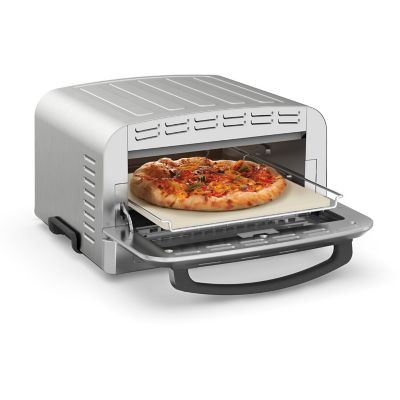
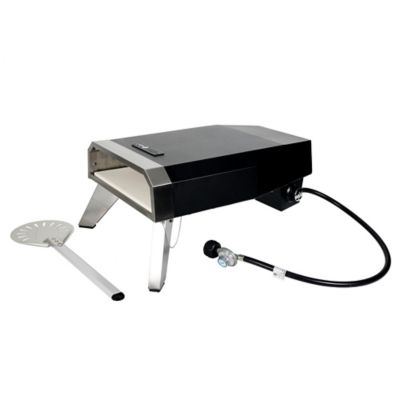
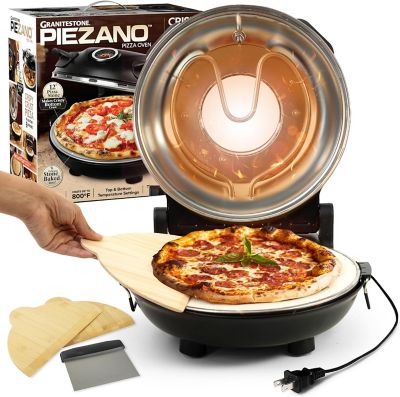
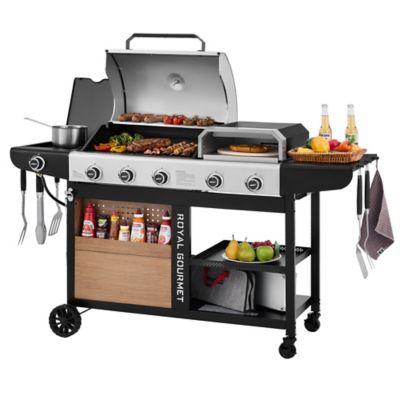
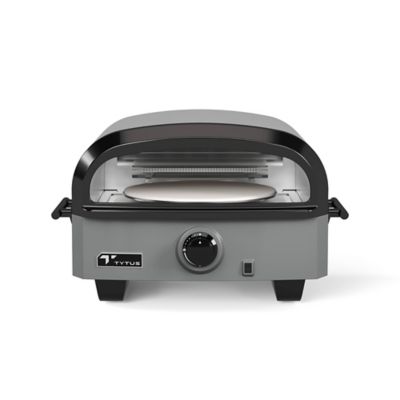
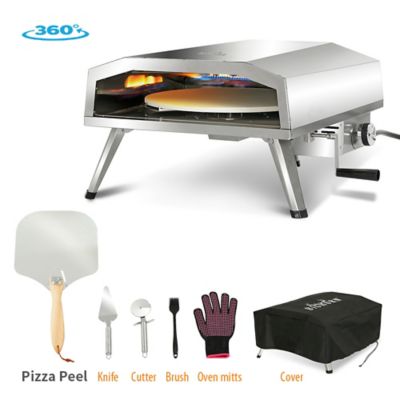
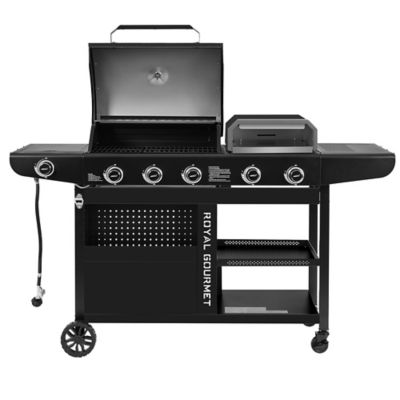
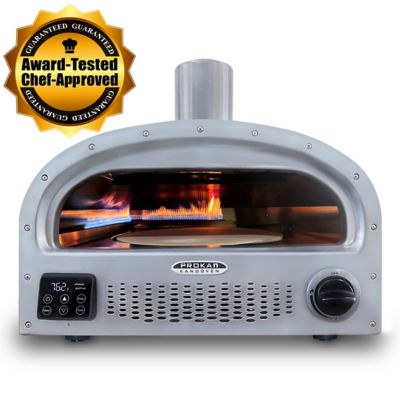
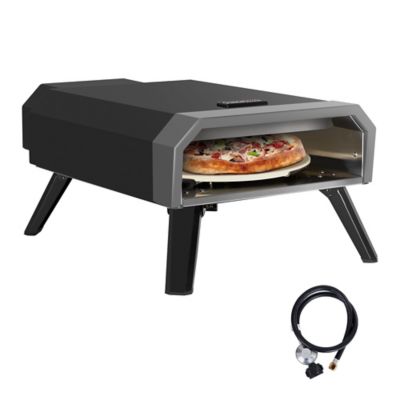
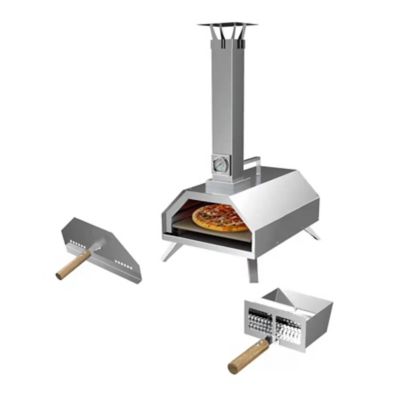
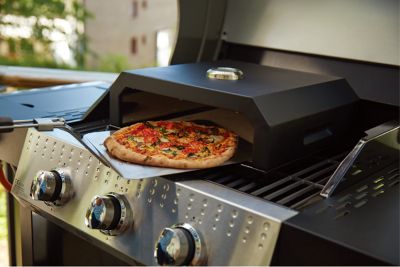
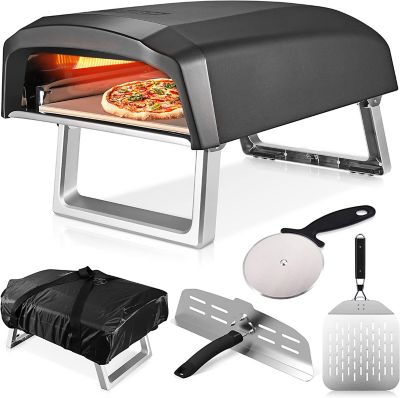
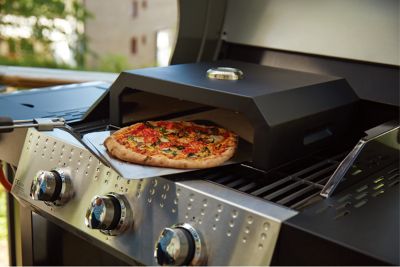
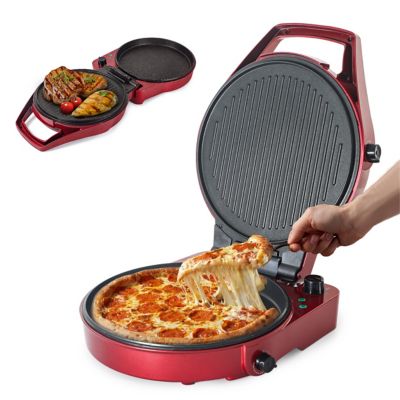
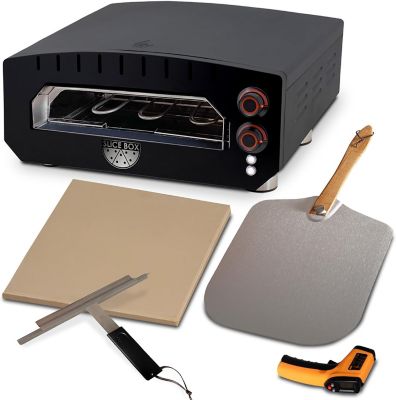
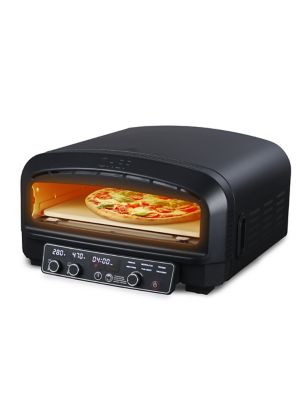
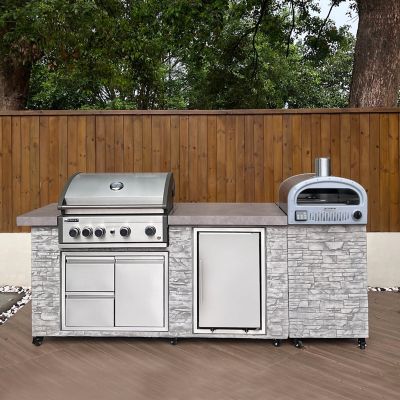
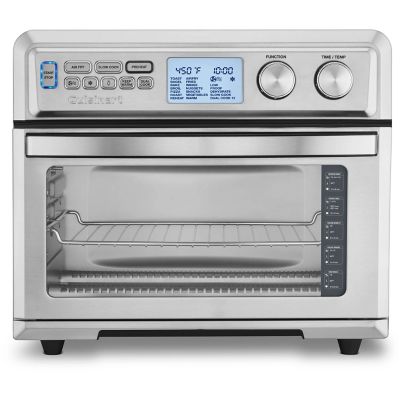
Pizza ovens bring a pizzeria-style bake to the backyard, patio or kitchen, with focused heat that helps the crust rise, the underside brown and the toppings cook together. Unlike a standard kitchen oven, many dedicated pizza ovens combine a hot baking surface with strong heat above the dough, giving thin-crust pizza its spotted edges and tender center. Fuel type makes a real difference in how the cooking fits into an evening. Gas pizza ovens offer flame control through a dial and avoid the ongoing fire tending that comes with wood. Wood-fired pizza ovens appeal to cooks who enjoy building a fire, watching the flame and adjusting its position as each pie bakes. Their appeal comes as much from that hands-on process as from the finished crust; a clean-burning fire should not leave pizza tasting heavily of smoke. Pellet-fired designs have their own fuel-feed arrangements, while multi-fuel ovens accommodate more than one fuel through the configurations or attachments specified by the manufacturer. Those options are not interchangeable across every oven, so approved fuel types matter. Electric pizza ovens take flame management out of the equation, and models expressly rated for indoor operation can bring high-heat pizza cooking to a kitchen counter. Gas, charcoal and wood-burning outdoor ovens must stay outdoors because combustion produces carbon monoxide. Cooking performance also depends on more than the highest number on a dial. Some pizza ovens reach roughly 800°F to 950°F, a range suited to fast-baking Neapolitan-style pizza, while thicker crusts and pan pizzas generally benefit from lower heat and longer baking. The baking surface needs time to heat through, even after the air inside feels hot. For a household that likes a crisp bottom, a soft rim or a sturdy slice loaded with toppings, control over both surface heat and flame intensity can matter more than maximum heat alone.
The right size pizza oven fits both the food and the space around it. A model intended for a 12-inch pizza suits smaller pies and lets each person pick different toppings, while a larger cooking surface can accommodate family-size pizzas and leave more room for turning. Stated pizza capacity is only part of the picture: the opening width, chamber height and usable baking area affect how easily a loaded peel slides inside. A little working room helps when a round of dough stretches wider than planned or a topping slips toward the edge. Most compact ovens cook one pizza at a time, making heat recovery between pies important for feeding a table full of people. A bigger chamber does not automatically mean several pizzas can bake together, so cooking capacity deserves a closer look than exterior dimensions alone. Tabletop pizza ovens need a stable, level support that meets the manufacturer's requirements for weight and heat exposure. Portable designs can suit trips to a campsite where cooking appliances are permitted, but carrying weight, removable parts and room for fuel all affect how practical that trip will be. Larger freestanding or masonry installations call for more permanent space and planning. Check the full footprint, including a chimney, gas connection or open door, rather than measuring only the oven body. Clearance from walls, overhead structures and combustible materials is essential, and an outdoor rating does not make an oven safe inside a garage or enclosed porch. If the patio also includes
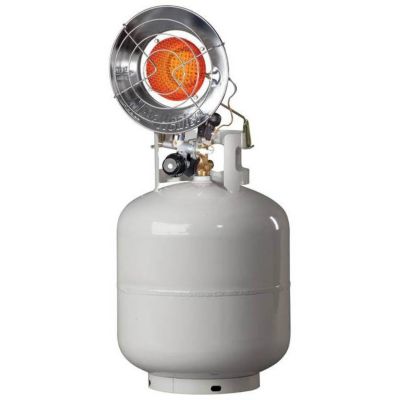
Outdoor Heaters, leave each appliance its required clearance instead of clustering equipment around the serving area. A nearby preparation surface gives dough, toppings and the peel somewhere to land, while a clear route to the table keeps hot cookware away from busy walkways. For a family gathering, that layout can make the difference between an easy round of pizzas and a cook constantly stepping around chairs.
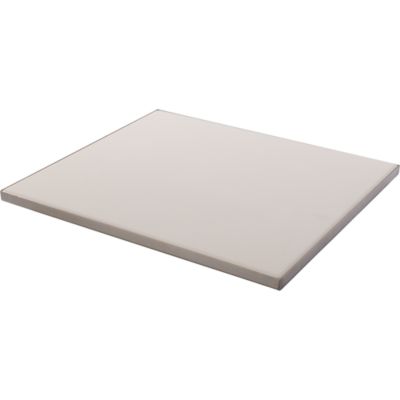
Materials and construction influence how a pizza oven handles repeated firing, how much attention it needs and whether it suits a fixed cooking station or occasional trips away from home. Stainless steel is common in outdoor oven bodies because it resists corrosion, though it still benefits from cleaning and protection during storage. Painted or powder-coated steel needs care around chips and scratches, especially where exposed metal could begin to rust. Insulated chambers help retain cooking heat, while masonry and refractory materials can hold substantial heat once fully warmed; the trade-off is often greater weight and a longer preheat. Cordierite and other refractory baking surfaces transfer heat into the dough, helping set the base before toppings overcook. Those surfaces also need sensible handling. Cold water on a hot stone can cause cracking, and soaking can leave moisture trapped inside. Cleaning methods vary by material, but many baking stones call for dry brushing or scraping after cooling rather than soap and a sink full of water. Grease, loose flour and food scraps should not be allowed to build up around burners or fuel passages. Before storage or moving, the oven must cool completely, and a fitted cover can help keep the cooking chamber clean when the appliance is not in operation. Everyday cooking habits matter, too: excess flour can scorch, wet toppings can weigh down the center, and an overloaded pizza can be hard to slide from the peel. A modest layer of toppings and dough sized to the baking surface make the cooking easier to manage. Pizza ovens suit households that enjoy gathering around the cooking as much as sitting down to eat, whether that means supper after chores, a birthday meal or friends taking turns stretching dough. They can also make a thoughtful gift for a backyard cook or bread baker, provided the recipient has the right space, fuel access and interest in tending the bake. Matching the oven to those habits helps it earn a regular place in the meal routine.