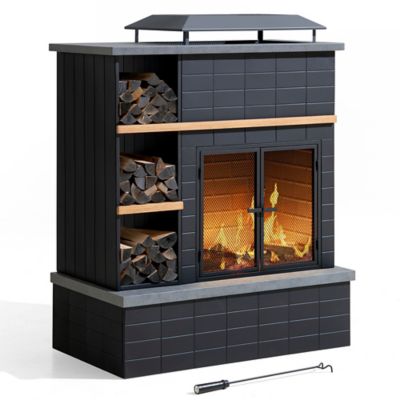
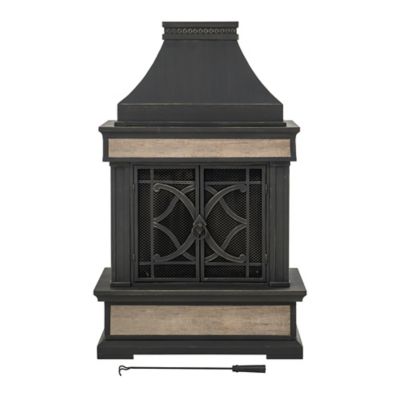
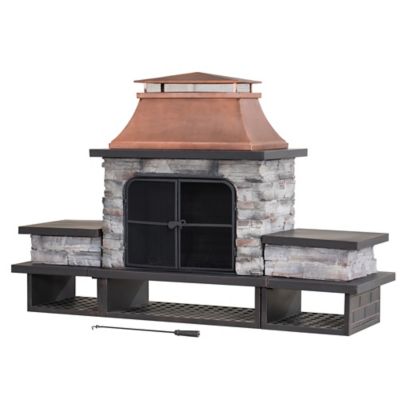
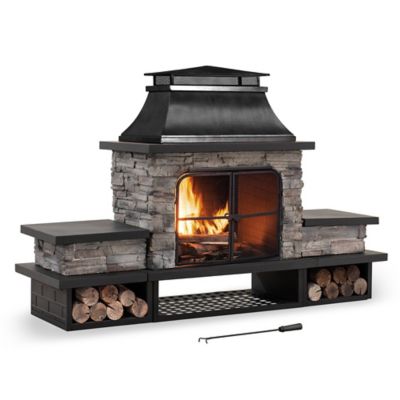
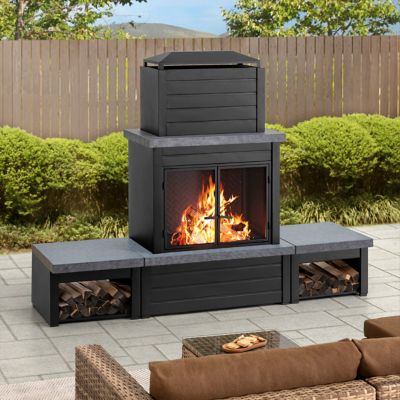
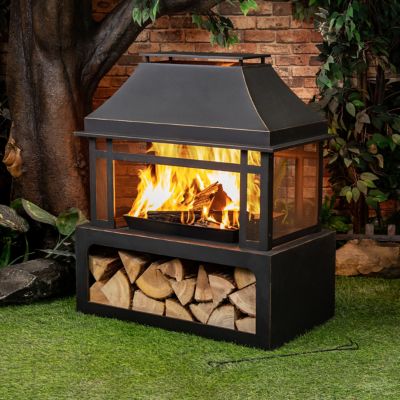
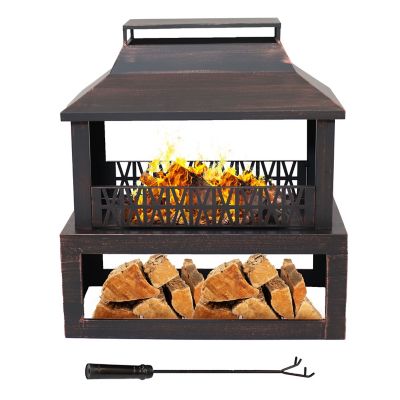
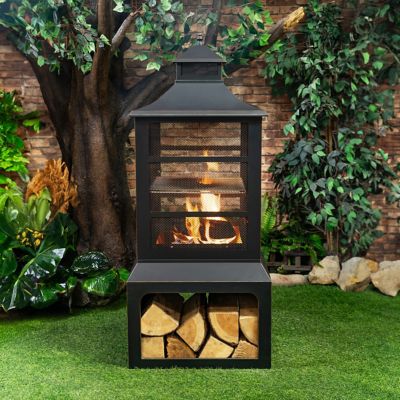
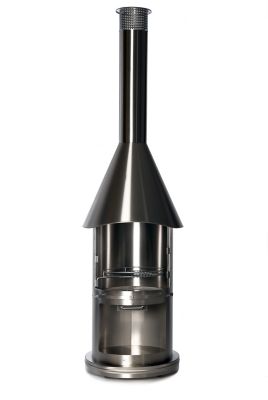
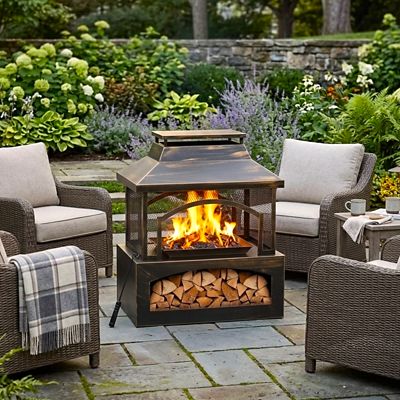
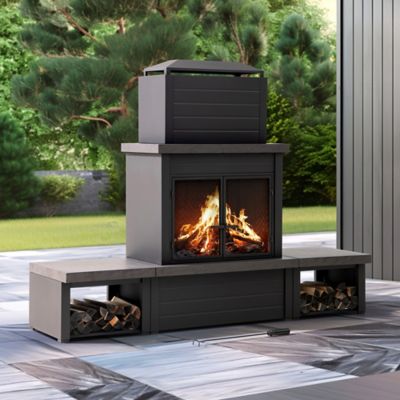
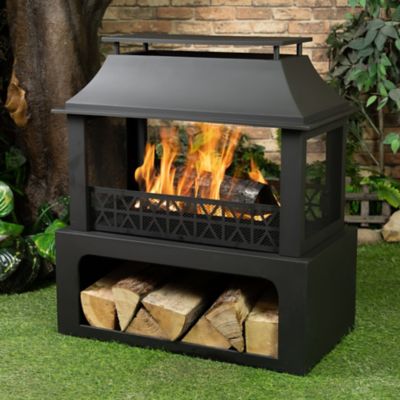
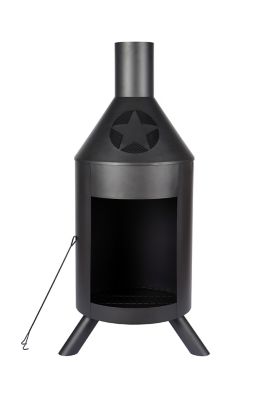
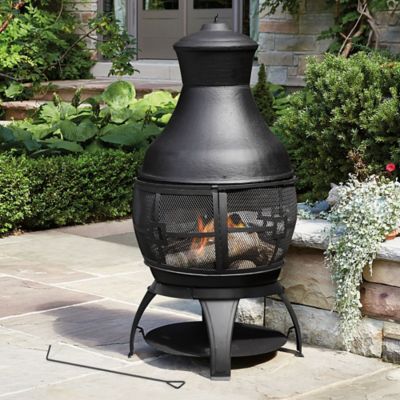
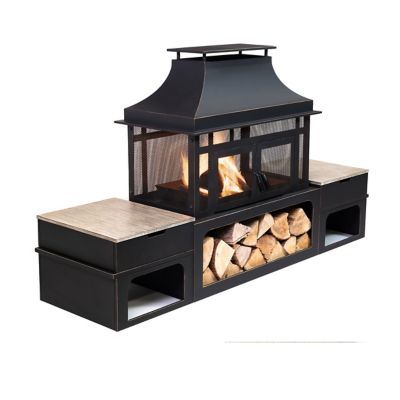
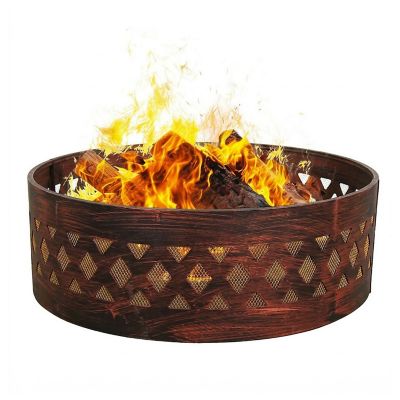
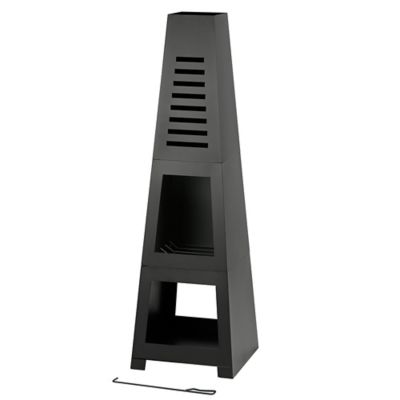
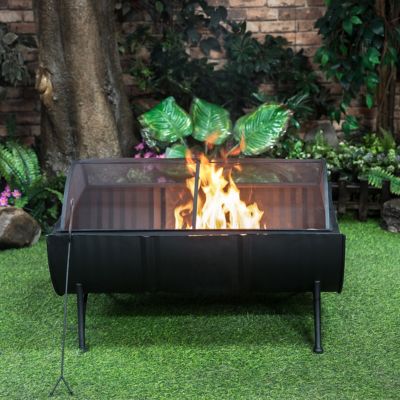
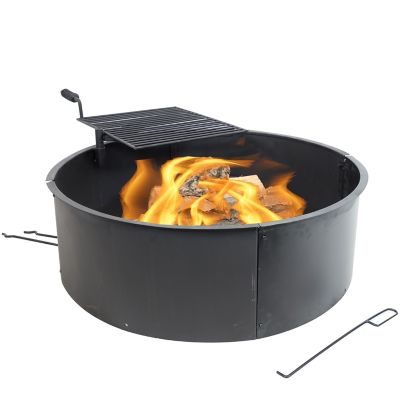
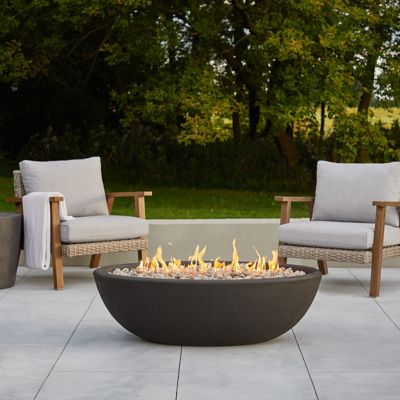
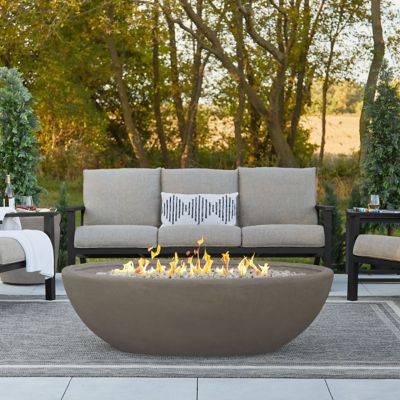
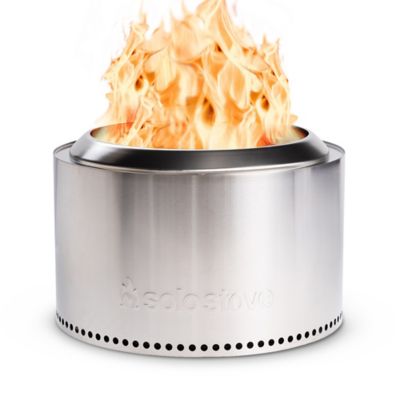
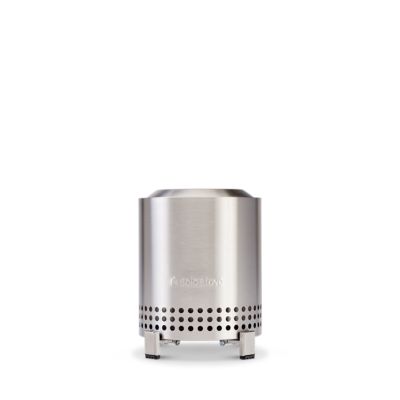
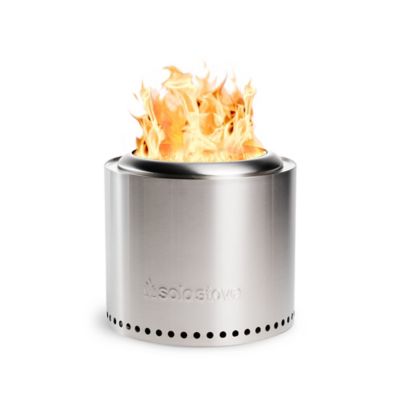
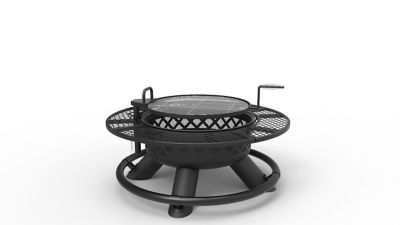
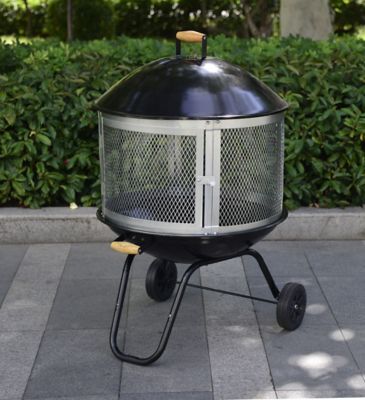
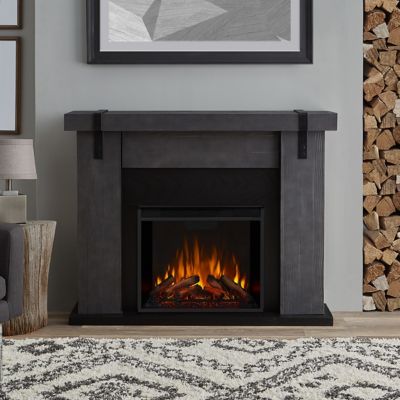
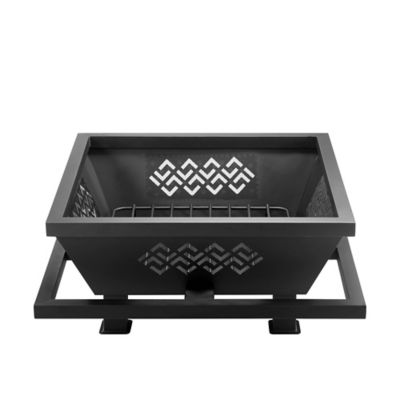
An outdoor fireplace gives a patio or backyard a defined gathering spot, with a firebox or housing that frames the flame and helps anchor the seating area. It can be the place to settle in after chores, catch up with neighbors, or stretch out a family evening without heading back into the house. Unlike an open fire pit, many outdoor fireplaces have a taller body, a front-facing opening, and a chimney or other venting arrangement, though the shape and construction vary. Wood-burning outdoor fireplaces offer the crackle, glowing embers, and familiar scent of a real wood fire. They also bring firewood storage, smoke, sparks, and ash cleanup into the picture. A firebox sized for the recommended logs makes loading easier, while an accessible grate and ash area can simplify upkeep. Propane and natural gas outdoor fireplaces offer a different routine, with controls for lighting and adjusting the flame rather than building a fire from kindling. Propane requires a suitable tank and an approved connection; natural gas requires a properly installed supply line. Neither produces wood ash, but both still need the ventilation and clearances specified for the appliance. Outdoor-rated electric fireplaces create a flame effect without burning fuel, and some include a heating function. Their placement depends on the installation rating and access to an appropriate electrical connection. Fuel type shapes more than the starting routine: it affects installation, maintenance, and how the space functions when people gather. Heat from an outdoor fireplace is generally most noticeable nearby, so its opening, flame position, and seating arrangement matter more than an expectation of heating the entire yard. Freestanding fireplaces suit spaces where a self-contained fire feature makes sense, while built-in fireplaces become part of the patio’s layout. A broad hearth can create a strong focal point; a narrower profile may fit a smaller gathering area without crowding the route between the house, chairs, and yard.
Materials and construction help determine how an outdoor fireplace fits that space and what care it needs over time. Steel bodies can offer a streamlined shape and may weigh less than masonry construction, although metal thickness, dimensions, and the base design all affect weight and stability. A protective finish helps shield exposed steel, and scratches or chipped coatings deserve attention according to the manufacturer’s care directions. Cast iron is heavier, holds heat after the fire dies down, and needs regular attention to its surface to help limit rust. Stainless steel offers corrosion resistance, but it still benefits from cleaning and inspection, especially around joints, fasteners, and areas exposed to residue. Brick, stone, and masonry surrounds create a more permanent hearth appearance and require a base capable of supporting the finished structure. The firebox, liner, and any chimney components must be designed for the heat and fuel involved; ordinary landscaping materials are not automatically suitable for direct fire exposure. Fit includes both the fireplace’s footprint and the open space it needs around it. A level, noncombustible surface such as an approved concrete or masonry base is a common requirement, but the appliance’s installation instructions determine the right foundation and placement. Combustible walls, fences, furniture, branches, and overhead structures need the specified separation. A small footprint does not mean a fireplace can be tucked under a porch roof or set on a wooden deck. Covered locations require equipment expressly approved for that installation, and a heat shield does not override the manufacturer’s restrictions. Local building codes, property-line setbacks, permit requirements, and burning rules can also affect the choice. Permanent gas connections and built-in construction may call for licensed professionals. For electric options, the outdoor rating, outlet location, and required ground-fault protection matter just as much as the appearance of the flame. These practical details help narrow the selection to a fireplace that belongs in the space rather than one that merely looks right in a photograph.
Everyday use is easier when the fireplace works with the way the household gathers. A front-opening design can draw chairs toward one side of the hearth, while a wider viewing area may suit seating spread across a patio. There should still be room to walk behind the chairs, reach the controls, and tend the fire without stepping through a crowded conversation area. Families with children or pets need a layout that keeps curious hands, paws, and tails away from hot surfaces, and an active fire should always have an attentive adult nearby. Fireplace screens and guards can help contain sparks or create a boundary where specified, but they do not replace supervision or required clearances. For wood-burning fireplaces, dry, seasoned firewood supports better combustion than freshly cut logs; trash, treated lumber, and other unapproved materials do not belong in the firebox. A chimney or flue, when present, needs inspection and cleaning on the schedule recommended for the fireplace and its use. Ash should be handled only after it has cooled, with disposal in a metal container with a tight-fitting lid kept away from combustible materials. Gas fireplaces need clear burner openings, sound connections, and the manufacturer’s prescribed checks, without altering burners or fuel components. Electric fireplaces need unobstructed vents where applicable and care that protects electrical parts. Across all types, cleaning is simplest after the unit has cooled completely, and a properly fitted cover can help keep dirt off a freestanding fireplace between gatherings. Checking grates, screens, fasteners, finishes, and firebox surfaces helps catch maintenance needs before the next fire. An outdoor fireplace can also make a thoughtful gift for a homeowner who enjoys backyard gatherings, provided the fuel choice, installation needs, and space requirements are settled beforehand. For a hearth inside the house,
Indoor Fireplaces offer equipment designed for that setting; an outdoor-only fireplace should never be brought indoors, into a garage, or into a barn for operation. Matching the fireplace to its intended setting leaves more room for what matters: pulling up a chair and enjoying the company.