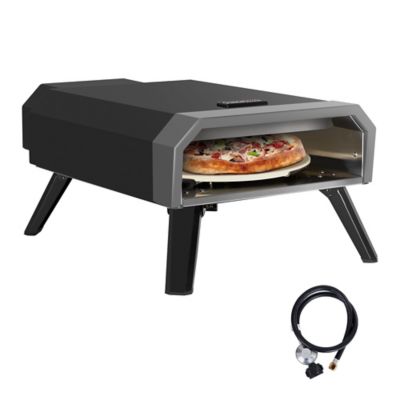
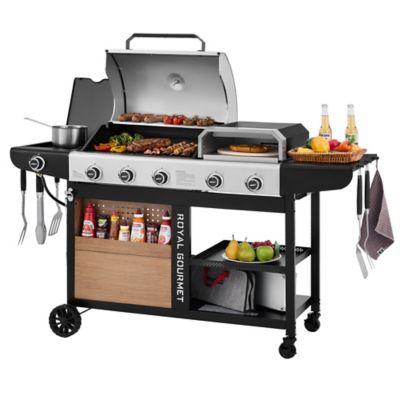
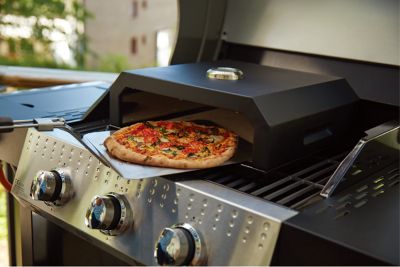
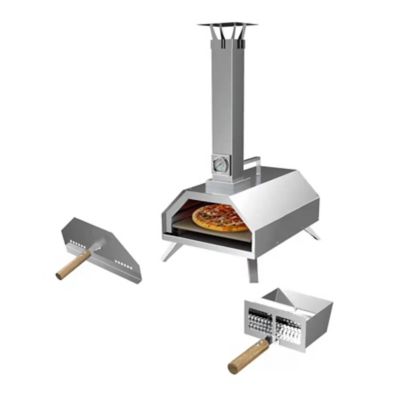
An outdoor propane pizza oven brings the pizza-night crowd out to the patio, with a gas flame, a hot baking stone, and room to turn out pies one after another. These ovens run on propane rather than requiring a wood fire, so there’s no firewood to split or bed of coals to tend. A control knob lets the cook adjust the flame, while the cooking chamber directs heat around the pizza and the baking surface heats the crust from below. Many high-heat models can reach roughly 700°F to 950°F, although maximum temperature and preheating time depend on the oven’s design. Preheating often takes about 15 to 30 minutes, and some ovens can bake a thin pizza in about 60 to 120 seconds once the baking surface is fully heated. Those figures aren’t a promise for every oven or recipe: thicker dough, heavier toppings, and lower cooking settings call for more time. The appeal is easy to picture—a blistered crust, bubbling cheese, and a fresh pie landing on the cutting board while the next one heads toward the flame. For folks who enjoy feeding family and friends, propane offers straightforward fuel control without the extra work of managing a wood fire. Burner placement, chamber shape, and stone thickness all affect how heat reaches the food. A side or rear burner may call for regular turning, while some designs include a rotating baking surface to help manage browning. Heat recovery matters, too, especially when several pizzas are going through the oven back to back. The stone needs enough time to regain heat between pies, not just a strong flame overhead. Beyond pizza, certain ovens can accommodate flatbreads, vegetables, or food in oven-safe cookware, provided the manufacturer allows that use and the pan fits safely inside. That flexibility can make an outdoor propane pizza oven a regular part of supper rather than equipment that only comes out for a big gathering.
Construction and fit deserve as much attention as top heat. Stainless steel housings are common because they handle cooking heat and clean up readily, while some ovens have coated steel exteriors or insulated bodies. Stainless steel still benefits from cleaning and protected storage; grease, food residue, and standing moisture can leave marks or contribute to corrosion. Insulation helps retain heat, but it does not make the outer shell safe to touch during operation. Inside, a cordierite or similar baking stone provides the hot surface that helps set the bottom crust. A thicker stone can hold more heat, though it may take longer to preheat. Stone care differs from washing a dinner plate: many baking stones should not be soaked, treated with soap, or exposed to sudden temperature changes. The oven’s care instructions determine the right cleaning method, and both the oven and stone need to cool before cleaning or storage. Size also means more than the advertised pizza diameter. The opening must allow room for a peel, the pizza, and enough movement to turn it without pushing dough into the burner area. A cook who favors generous crusts or larger family pies may appreciate more working space, while a smaller chamber can suit personal pizzas and a compact patio setup. Foldable legs and a lighter body can simplify transport and storage, but the oven still needs a stable, level support surface approved for its heat and weight. Countertop designs and freestanding arrangements have different space requirements, including clearance around the body and room for the fuel hose. Propane cylinder size, regulator requirements, and connector compatibility are model-specific, so a cylinder already on hand may not suit every oven. Outdoor propane pizza ovens belong outdoors with the ventilation and clearances specified by the manufacturer, never inside a home, garage, or other enclosed space. Safe placement keeps the cooking area away from foot traffic, combustible materials, children, and pets.
The best match often comes down to how pizza night works at home. A household making a couple of pies after chores may value a compact oven with simple controls and an easy-to-reach cooking surface. Someone who regularly hosts neighbors may care more about chamber space, heat recovery, and a layout that keeps uncooked dough away from finished food. A portable oven can suit trips where outdoor propane cooking is permitted, provided there’s a safe place to operate it and a secure way to transport the cooled equipment and fuel cylinder. For a permanent backyard cooking area, the footprint, support surface, and nearby preparation space matter just as much as the oven itself. The
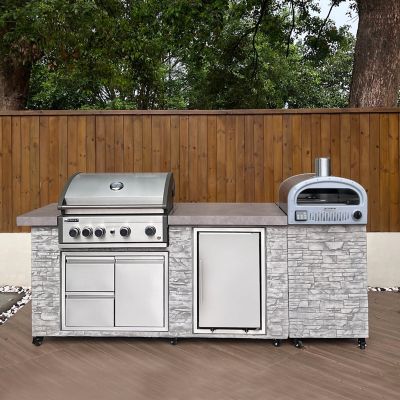
Pizza Ovens For Outdoor Kitchens collection offers another place to explore a setup that fits that kind of gathering space. Useful accessories should match the oven rather than simply look the part. A launching peel needs to fit through the opening, a turning peel needs room to move, and any cookware must tolerate the intended cooking heat. An infrared thermometer can help show the baking stone’s surface temperature, which may differ from the air temperature inside the chamber. A sturdy prep table gives dough, sauce, and toppings a place to land, while a separate cutting board keeps slicing away from the baking stone. Covers can help protect a cooled oven between meals, and accessible storage makes it easier to keep peels and brushes together. For a gift, an outdoor propane pizza oven can be a thoughtful fit for a backyard cook, a frequent host, or someone who enjoys making dough from scratch. The practical details still count: enough outdoor space, compatible fuel equipment, manageable lifting weight, and a place to put the oven away. When those pieces line up, pizza night can settle into a comfortable routine—dough on the bench, toppings within reach, and another hot pie ready for the table.