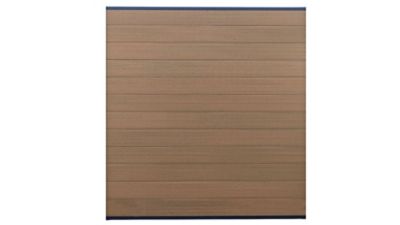
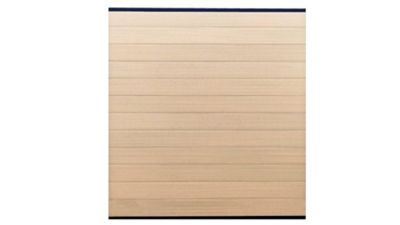
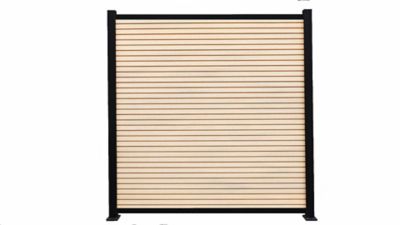
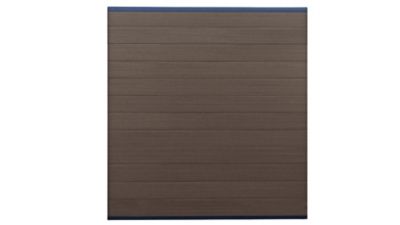
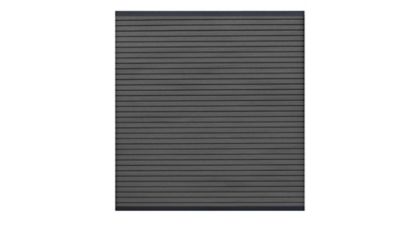
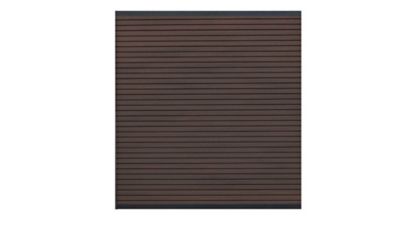
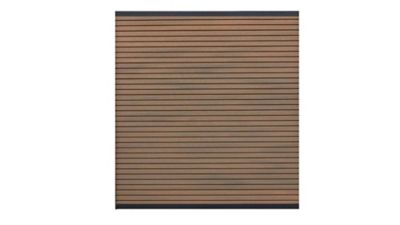
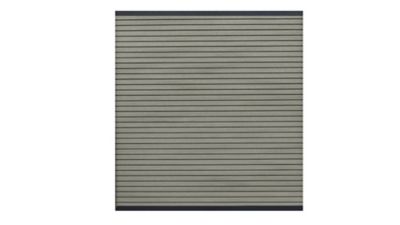
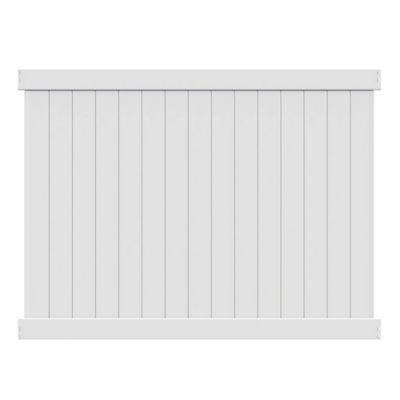
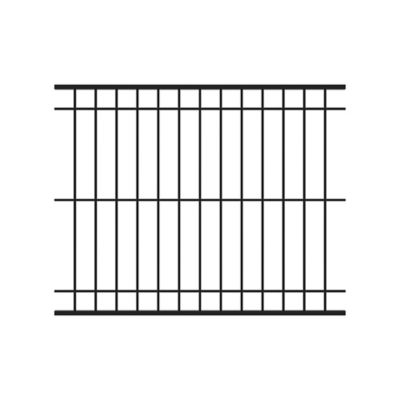
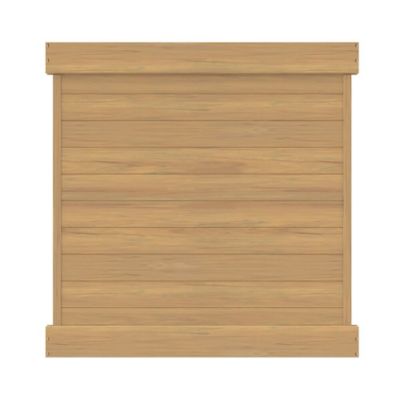
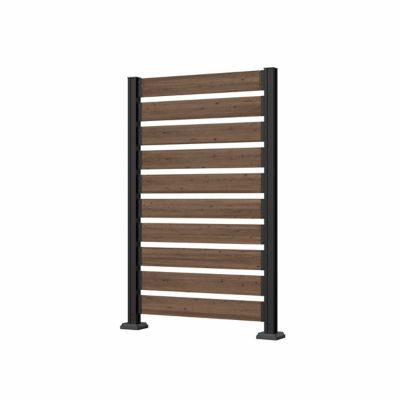
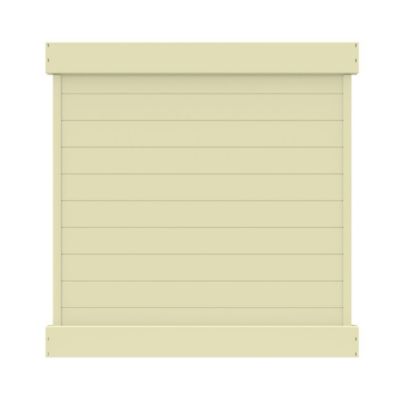
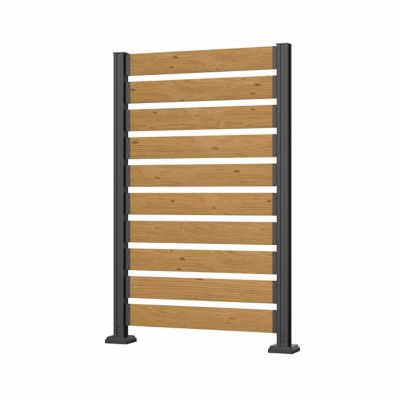
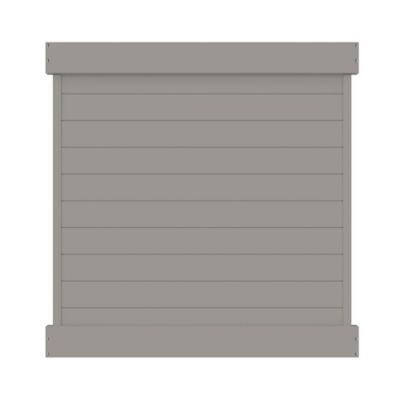
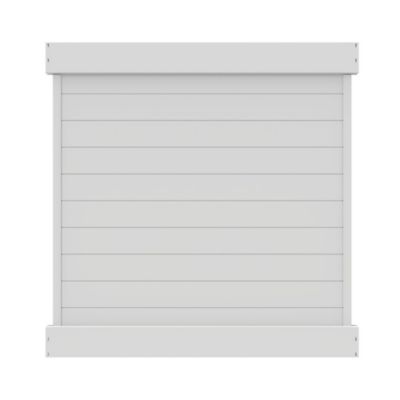
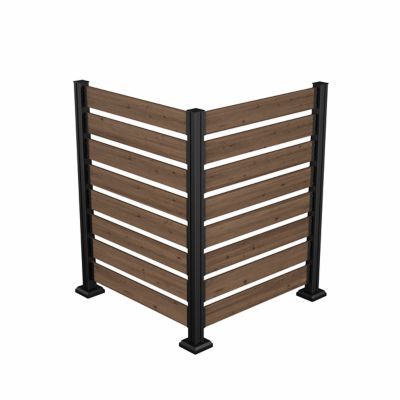
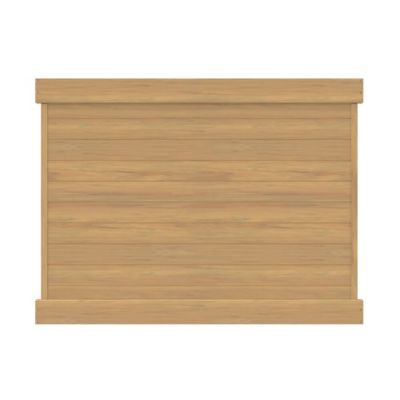
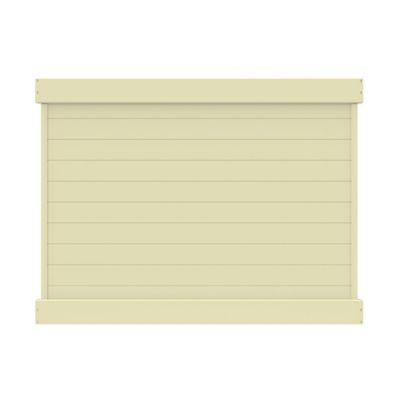
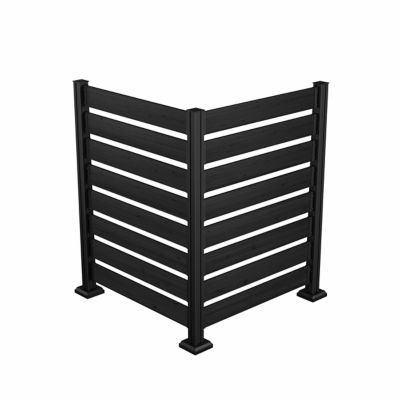
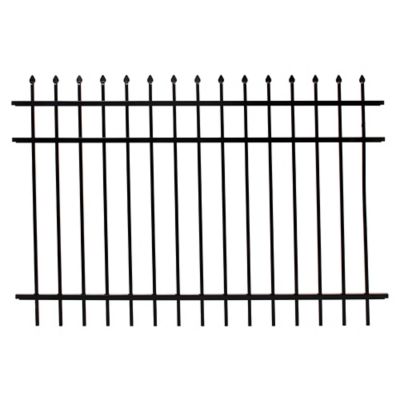
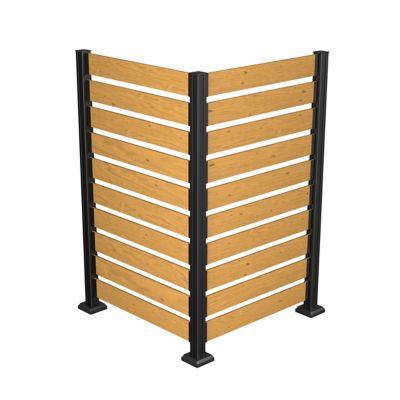
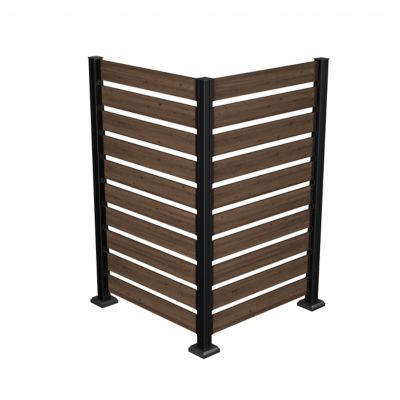
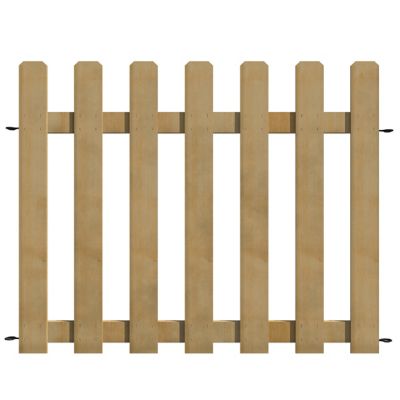
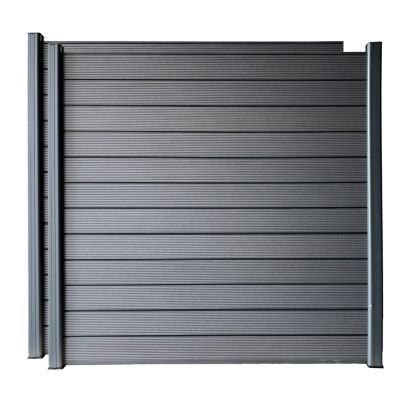
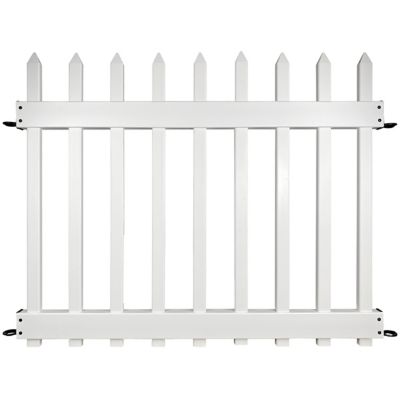
Privacy fencing panels are preassembled fence sections that limit views into a yard, mark boundaries, and help separate outdoor spaces. Closely fitted boards, overlapping slats, or solid infill create a more enclosed area than open picket or rail fencing. That makes these panels a practical choice beside a gravel drive, behind a patio, or along the edge of a neighboring yard. They can also tuck trash containers, a storage area, or everyday backyard clutter out of sight. The amount of privacy depends on more than fence height: board spacing, gaps underneath, the slope of the ground, and the view from nearby windows all matter. A solid panel may block a direct view from the road while leaving part of a raised porch visible. Wood panels bring a familiar look that sits comfortably beside a farmhouse, garden shed, or established tree line. Cedar and pressure-treated wood have different care needs, and either may need an appropriate finish to help protect the surface and maintain the preferred appearance. Vinyl panels offer a different look, with surfaces that generally need washing rather than staining. Composite panels combine wood fibers or other fillers with plastic, although their makeup and maintenance requirements vary. Metal privacy panels may have solid sections or openings that change how much can be seen through them, so the layout matters as much as the material. Full privacy panels suit folks who want a clearly enclosed space, while semi-private designs leave some separation between boards or slats. Neither style should be mistaken for soundproofing; an ordinary privacy fence can screen activity without shutting out traffic, equipment, or conversation.
Privacy Screen Fences can also be worth considering when the goal is to soften a sightline around an existing enclosure rather than build a solid panel fence. The right approach depends on whether the space needs a permanent boundary, a sheltered-looking seating area, or simply less of a view into the neighbor’s driveway.
Panel dimensions and the supporting fence system determine how neatly everything comes together. Listed height and width do not always tell the whole story, since some measurements refer to the assembled section and others depend on how the panel fits between posts. A panel designed to slide into routed posts will not necessarily work with brackets meant for a different system. Matching posts, rails, brackets, and fasteners help the fence function as intended, and the installation requirements are just as important as the face of the panel. Long runs across a level yard have different fitting needs than short sections beside steps or a retaining wall. On sloped ground, some systems can follow the grade, while others must step down from section to section. Those stepped sections may leave larger openings underneath, which matters when a small dog shares the yard or when complete screening is the main goal. A fence that looks closed from the porch may still have a clear gap at the bottom when viewed from the road. Gate placement deserves the same attention as panel spacing. A walk-through opening may serve a garden path, but a riding mower, wheelbarrow, or utility trailer needs more room and a clear approach. Gate swing, latch access, and nearby structures can all affect how useful that opening feels once the fence is in place. Property lines, easements, local height limits, and permit requirements also shape what belongs in a particular location. A fence should not block a driver’s view where a driveway meets the road, and underground utilities need to be located before post holes are dug. Privacy panels can help define a pet area, but their height, bottom clearance, and gate hardware must suit the animal; they are not automatically suitable for livestock containment. Pool enclosures have separate safety requirements, too, so a solid-looking fence alone does not establish that a pool barrier meets local rules.
Everyday care is another part of choosing privacy fence panels that fit the property. Wood benefits from periodic checks for loose boards, splitting, rough edges, and fasteners that have worked out of place. A suitable stain or sealer can help manage moisture absorption, but the right preparation and application depend on the wood and any existing finish. Pressure-treated lumber may need time before finishing, according to the treatment and finish manufacturers’ directions. Vinyl generally cleans up with a gentle wash and a soft brush, though abrasive pads and harsh cleaners can damage the surface. Composite materials also have their own cleaning requirements, especially around food spills, soil splashes, or areas where leaves collect. Metal panels need attention at scratches, cut edges, and attachment points, where damaged coatings may leave the underlying metal exposed. Whatever the material, keeping piled soil, mulch, and dense plant growth away from the fence makes inspection easier and helps prevent trapped moisture. Posts and connections carry the fence, so leaning sections, loose brackets, and a gate that begins dragging deserve attention rather than another hard shove. A little working room along the fence line also makes trimming grass and reaching hardware much easier. Around a patio, a solid panel can give a table or pair of chairs a more tucked-away setting; beside a workshop, it can separate the sitting area from equipment storage without hiding the entrance. Near a garden, the panel’s height and placement affect light and access, so a fully enclosed layout is not always the best fit. Screening around utility equipment must leave the access and ventilation clearances required by the equipment manufacturer. For a broad yard, matching panel lines can give a long boundary a settled, consistent appearance, while a shorter run may be enough to screen a single busy spot. Choosing privacy fencing panels comes down to balancing the view, the space, and the upkeep with how the property gets worked and enjoyed every day.