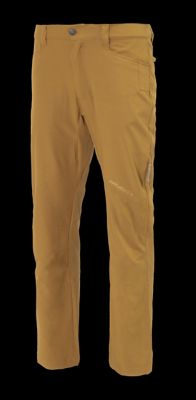
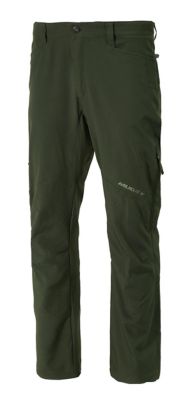
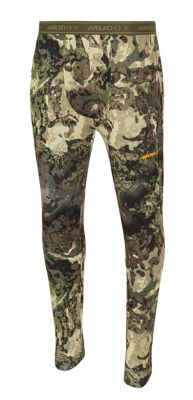
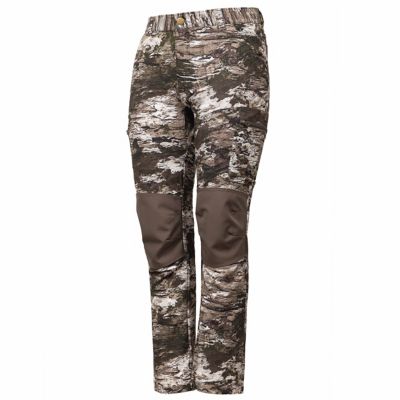
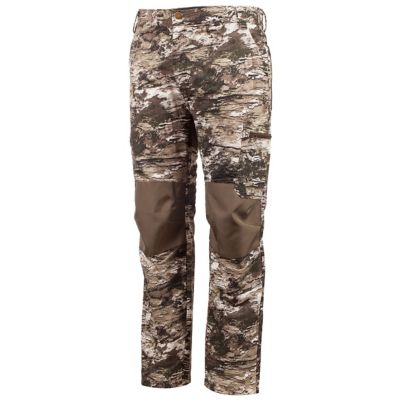
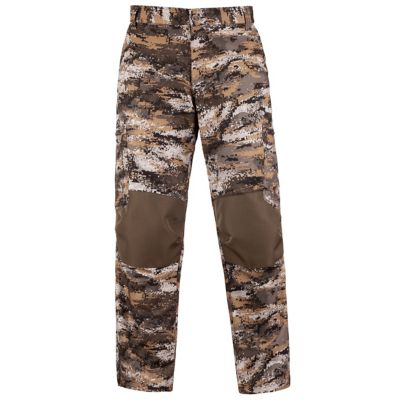
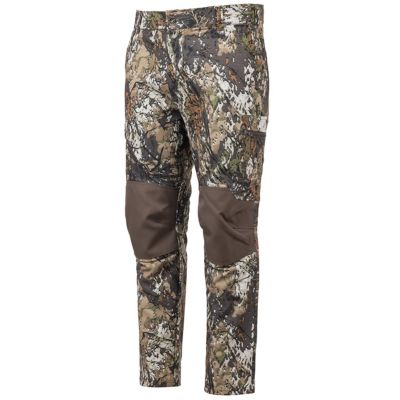
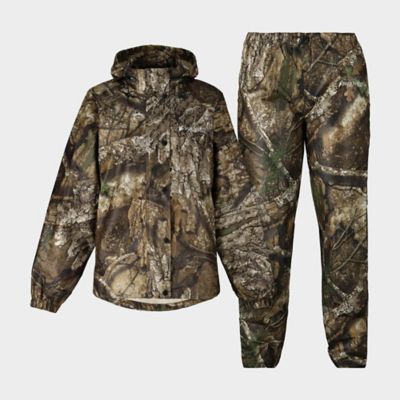
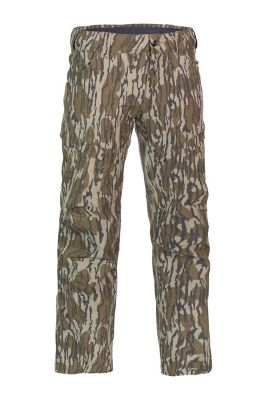
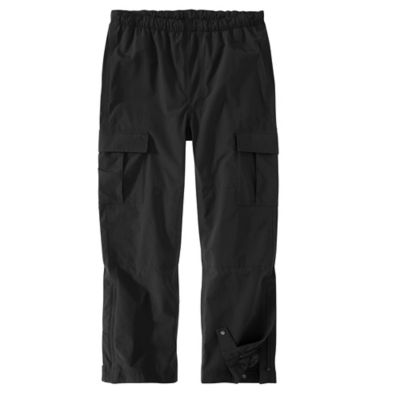
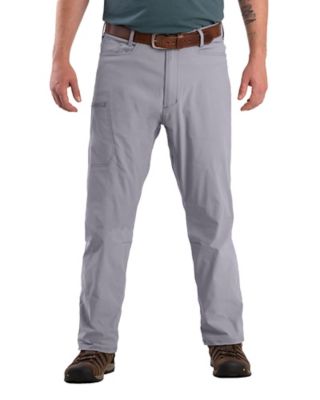
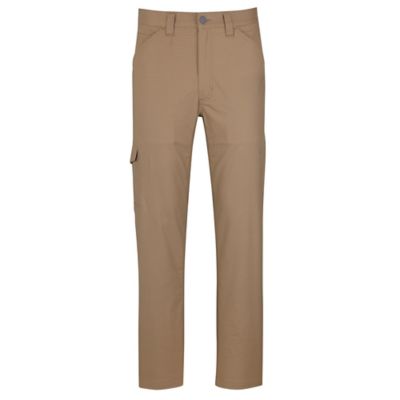
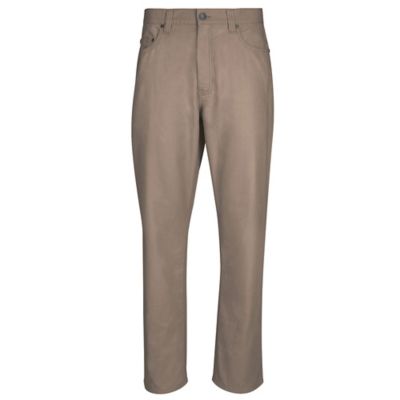
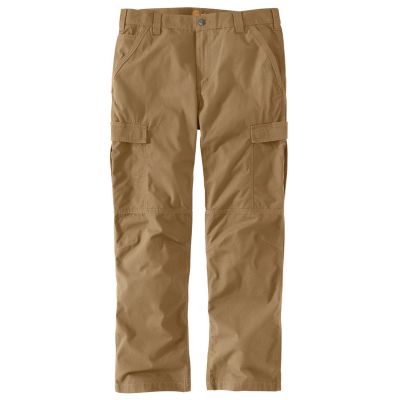
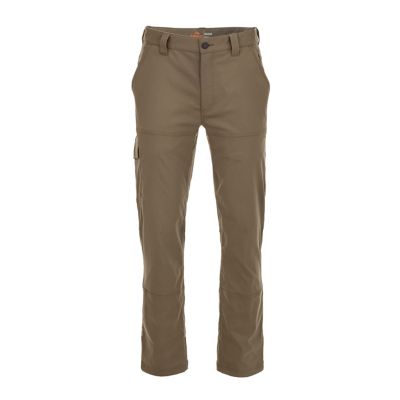
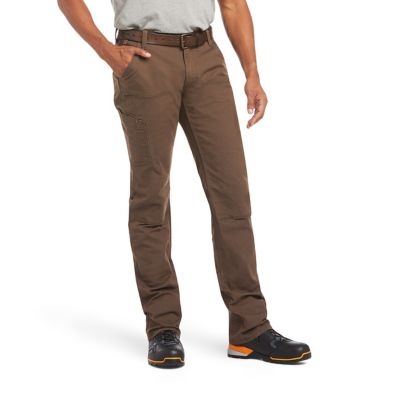
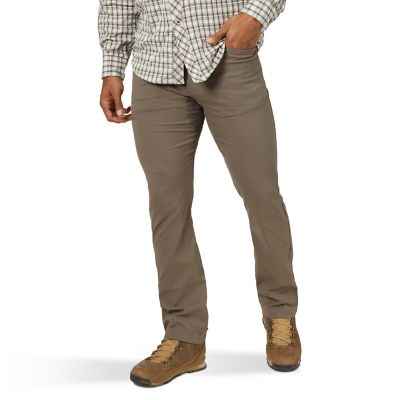
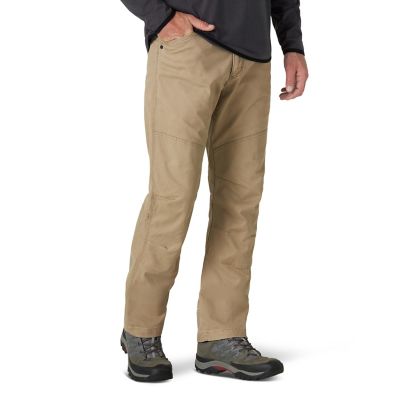
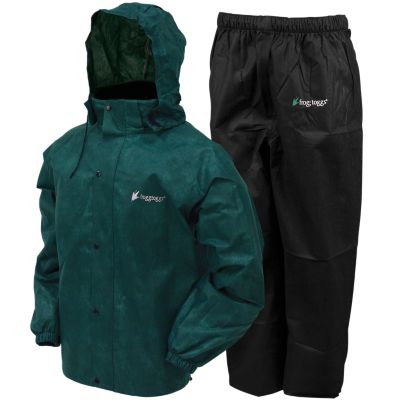
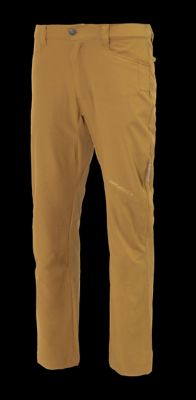
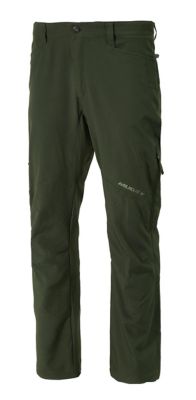
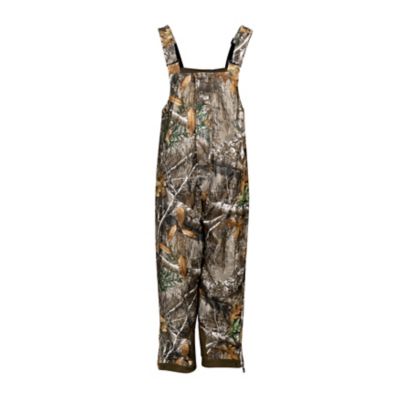
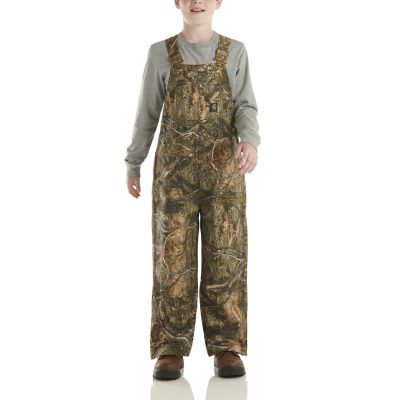
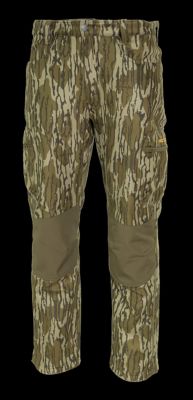
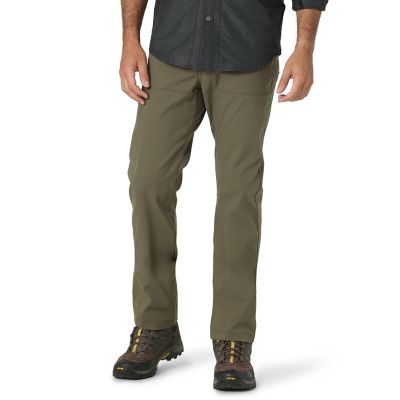
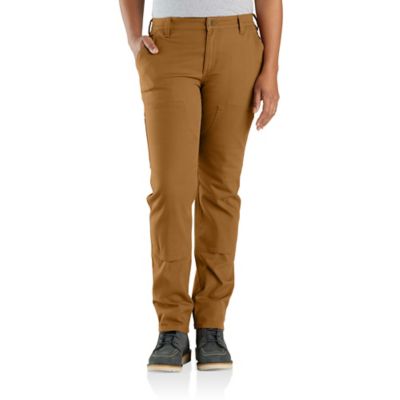
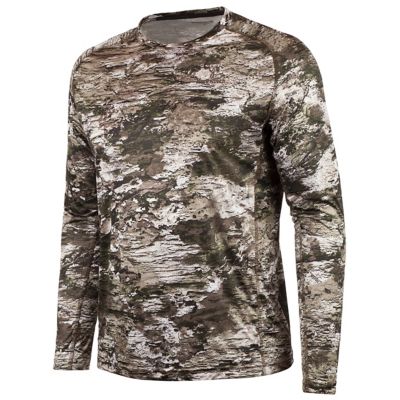
Lightweight hunting pants are built to keep weight down while giving hunters room to walk, climb, crouch, and settle into position. Breathable fabrics, a flexible fit, and practical pocket placement make them a good match for covering ground, whether that means following a bird dog through field edges or hiking a ridge before daylight. The right pair balances airflow, quiet movement, and resistance to the brush and rough ground along the way. Nylon and polyester are common materials, often blended with a small amount of spandex or another stretch fiber. Nylon can bring good abrasion resistance without much weight, while polyester often dries readily and holds its shape. The weave and finish matter just as much as the fiber name: a smooth, tightly woven fabric may move through grass differently than a soft, brushed surface. Stretch helps when stepping over a downed limb or kneeling beside a pack, but fabric should still recover rather than leave the knees baggy after a long walk. Some designs gain flexibility from the way the fabric is woven rather than from added stretch fibers. Mesh pocket bags and zippered vents can let heat escape during a steady climb, though a thin fabric alone does not guarantee good airflow. For bowhunting or close-range setups, the sound of the legs rubbing together deserves attention, too. Soft-faced materials can help limit swishing, while stiffer fabrics may make more noise against brush. Reinforcement at the knees, seat, or lower legs can help with repeated contact against rocks and stalks, but added panels also bring extra weight. Lightweight construction is a trade-off, not a promise that one pair will handle every thicket. Open woods, maintained access trails, and rolling pasture call for different protection than thorny cover. A water-repellent finish may shed dew or a brief sprinkle, but it does not make pants waterproof or take the place of rain gear when steady rain is expected.
Fit makes a big difference once the walk leaves level ground. Lightweight hunting pants should allow a full stride without pulling across the thighs, seat, or knees. A gusseted crotch and shaped knees can provide room where movement happens, making it easier to cross a fence at a designated crossing, step onto a steep bank, or sit low against a tree. Enough room through the hips matters when sitting for a long stretch, while excess fabric around the calves can catch on brush or rub noisily with each step. The waistband should stay put under a pack belt without digging in, and belt loops need to work with the width of the belt being worn. Adjustable waist tabs can help fine-tune the fit, but the starting size still needs to be right. Check waist, hip, and inseam measurements against the size chart, especially when allowing space for a base layer. Trying the same bending, squatting, and high steps that happen in the field gives a better sense of fit than simply standing upright. Pocket layout deserves the same attention. A phone pocket that feels fine while standing may press into the thigh on a climb, and overfilled cargo pockets can swing with every step. Secure closures help keep small essentials from slipping out when sitting down, while pockets placed clear of a pack belt are easier to reach. Lower-leg shape matters around footwear as well. Cuffs should sit comfortably over hunting boots without dragging under the heel, and enough room at the ankle makes getting dressed less of a wrestling match. Camouflage can help break up an outline when matched to the cover, while earth-tone solids can work well across a range of settings. Neither replaces stillness, thoughtful positioning, or attention to wind. Required blaze orange or other visibility clothing remains part of the setup wherever hunting rules call for it, regardless of the pants’ color or pattern.
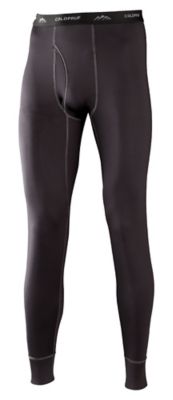
The best role for lightweight hunting pants depends on the pace of the hunt as much as the terrain. A hunter walking miles behind a bird dog may value ventilation and quick-drying fabric, while someone moving slowly toward a calling spot may put more weight on quiet fabric and a comfortable seated fit. Early-season hunts and strenuous approaches are natural matches for lighter construction, but stopping after a hard climb can change how much coverage feels comfortable. A thin pair is not a substitute for insulation during a long, cold sit. Room for an appropriate base layer can broaden their use, provided the added layer does not crowd the knees or restrict movement. For wet grass and brush, gaiters can add coverage around boot tops and lower legs, though pants still need enough strength for the cover being crossed. After the hunt, a little attention helps preserve the fabric and its features. Shake off loose dirt, empty every pocket, and check cuffs and seams for burrs or small snags before washing. Follow the care label for water temperature, detergent, and drying instructions; coatings, stretch fibers, and bonded details may need different treatment than ordinary work clothes. Avoid fabric softener when the label advises against it, and do not assume high dryer heat is suitable. Let pants dry completely before storing them, and address loose stitching before the next long walk turns a small problem into a torn seam. Hunters who spend plenty of time on foot may appreciate lightweight pants as a gift, especially when the size, preferred rise, and boot fit are already known. For outings where the main job is following a trail rather than moving through hunting cover,
Womens Lightweight Hiking Pants offer another category to consider. Across either setting, comfortable movement, sensible pocket placement, and fabric suited to the ground ahead matter more than a long list of features. A pair that stays comfortable from the truck to the far fence line earns its place in the gear bag.