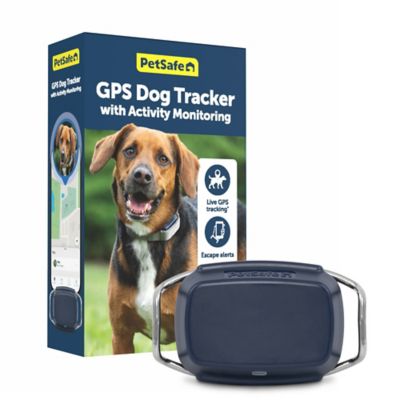
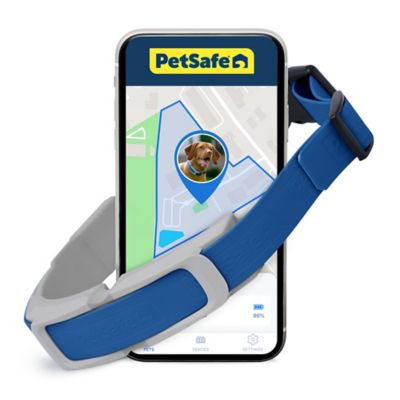
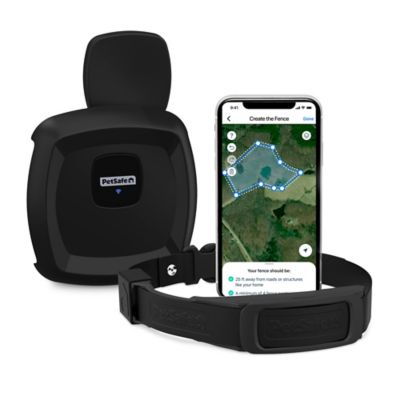
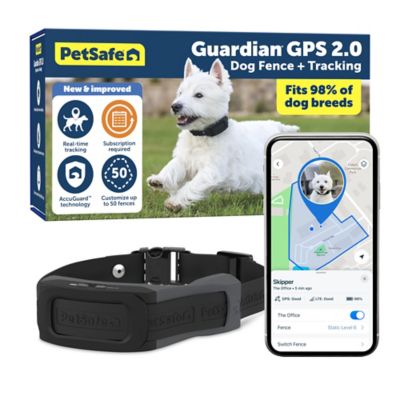
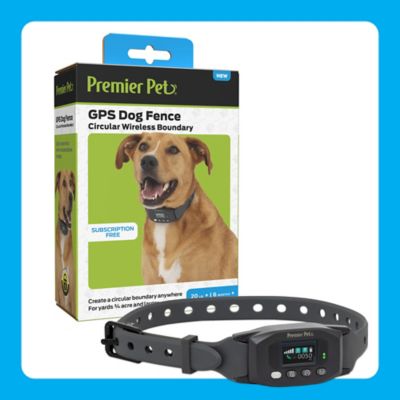
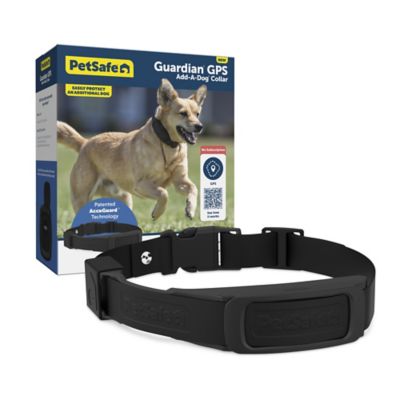
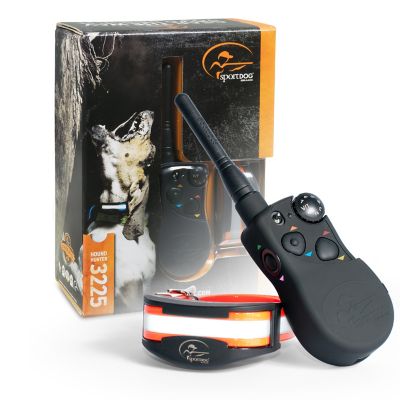
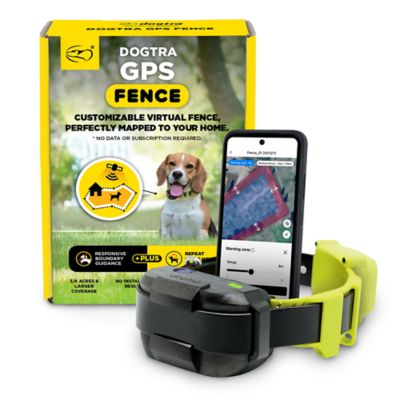
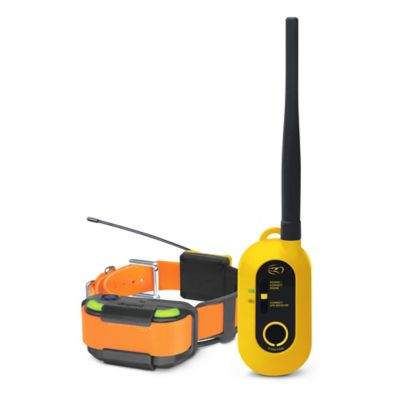
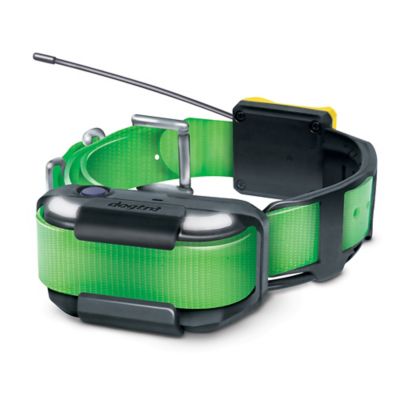
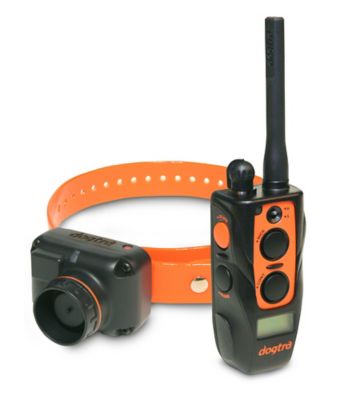
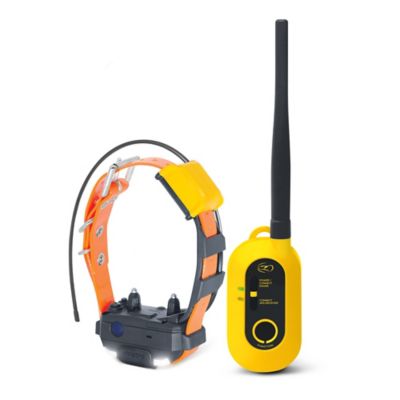
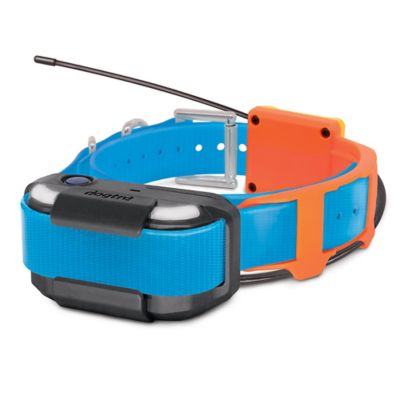
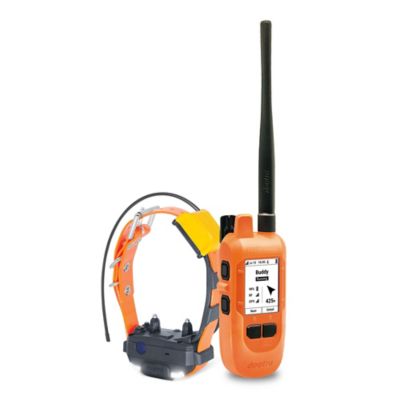
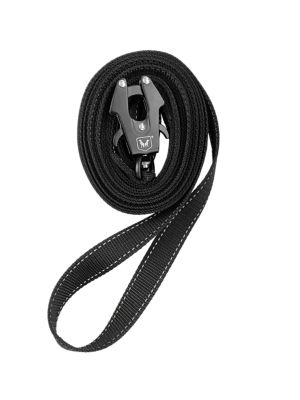
Pet trackers help add a little peace of mind when dogs and cats spend time outdoors, travel with the family, or have a habit of slipping through an open gate. These small devices may use GPS and cellular networks to show a pet’s location on a phone, while some also use Bluetooth or nearby participating devices as a backup for finding a lost pet. A GPS pet tracker is especially handy for farm dogs that roam the property, hunting companions that range farther than expected, and indoor-outdoor cats that know every hiding spot in the neighborhood. Many trackers let you create a virtual safe zone around a house, barn, yard, or campsite and send an alert if your pet crosses that boundary. That early notice can make a real difference when a gate blows open, a delivery leaves the driveway unlatched, or a curious pup follows a scent down the road. Before choosing a tracker, check how it communicates, where service is available, and whether an ongoing cellular subscription is required. Most real-time GPS devices need a monthly or annual service plan because they rely on cellular networks to send location updates. Coverage may be dependable in town but less consistent in remote fields, wooded areas, or hollows, so it pays to consider the places your pet actually travels. Some models offer live tracking for frequent updates, while others use a lower-power setting that checks in at longer intervals to preserve battery life. Live tracking can be useful during a search, but it generally uses more power than everyday location monitoring. Battery life may range from a few days with heavy use to several weeks with careful settings, and charging habits matter. A tracker that is easy to remove, charge, and put back on is more likely to stay useful than one that ends up forgotten in a kitchen drawer.
Fit and comfort deserve just as much attention as tracking range. Look at the tracker’s weight, shape, attachment method, and recommended pet size before making a choice. A larger, heavier unit may be fine for a sturdy Labrador, farm collie, or livestock guardian, but it can feel cumbersome on a toy breed or small cat. For a cat, pay close attention to collar compatibility and look for a secure, comfortable setup that does not interfere with normal movement or grooming. Dogs that pull, swim, squeeze through brush, or spend long days outdoors need gear that stays attached without rubbing the neck or catching on branches. A tracker can be mounted to a collar or used with
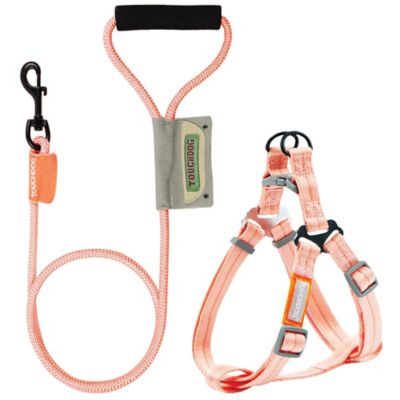
Pet Harnesses, depending on the device and your pet’s habits. Check the manufacturer’s guidance for water resistance, cleaning, charging, and safe placement, especially if your dog likes creek banks, muddy fields, or an enthusiastic romp through the sprinkler. It is also smart to consider app features that fit your routine. Helpful options may include location history, multiple-pet tracking, activity or sleep monitoring, low-battery warnings, tamper or removal alerts, and the ability to share access with another family member. Activity data can offer useful clues about a pet’s normal routine, such as how much a young dog runs during the day or whether an older companion is moving less than usual, but it should not replace advice from a veterinarian. Keep a current identification tag and your contact information on your pet even when using a tracker. Technology can lose power, cellular service can drop, and a kind neighbor may find your dog before the tracker sends a location. Introducing the device gradually can help, too. Let your pet sniff it, attach it for short periods, and watch for signs of rubbing, scratching, or discomfort before leaving it on for a full day. A quick check of the fit after play, grooming, or growth helps keep the setup snug without being tight.
Pet trackers can make thoughtful gifts for new pet parents, families moving to a rural home, outdoorsy dog owners, and anyone welcoming a rescue animal with an unknown history of wandering. They are also practical for households with several pets, senior animals that need closer observation, and dogs that travel to campgrounds, cabins, training grounds, or visits with relatives. During the warmer part of the year, open doors, busy yards, vacations, and outdoor gatherings create plenty of chances for a pet to wander farther than planned. As the weather turns cooler, shorter daylight, hunting activity, changing farm routines, and visits from guests can bring their own challenges. A tracker tucked into a travel kit or kept charged near the leash can be a useful part of getting ready for a road trip, a weekend at the lake, or time spent working around the property. For dependable everyday use, build a simple routine: charge the device before the battery gets low, confirm that the app is connected, test safe-zone alerts in a familiar area, and make sure your emergency contacts and pet profile are up to date. It helps to note your pet’s usual routes and favorite hiding places, too; a tracker gives you a location, while your knowledge of the animal helps you understand where it may be headed next. Choose settings that balance timely updates with practical battery life, and keep a backup charging cable where you can find it. Whether your cat slips beneath the porch at dusk or your dog takes off after a rabbit along the fence line, pet tracking gear can provide useful information when every minute counts. The right choice depends on your pet’s size, temperament, routine, roaming range, and the kind of coverage available where you live, but a comfortable fit, reliable alerts, manageable charging, and a service plan that suits your budget are solid places to start.