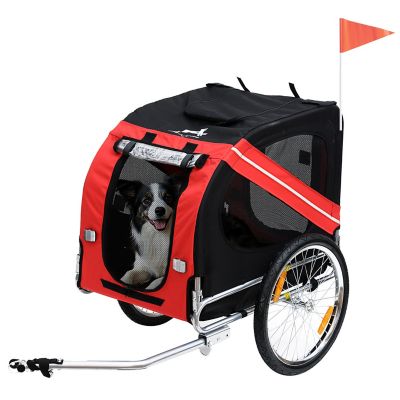
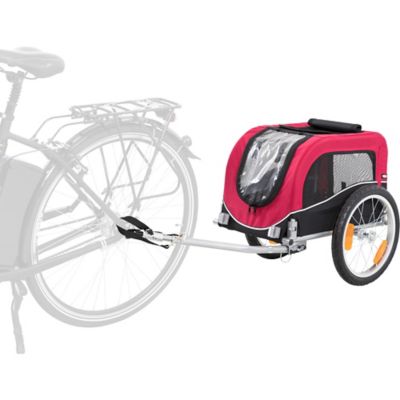
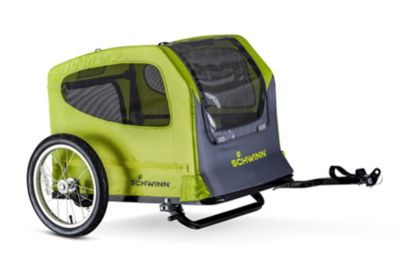
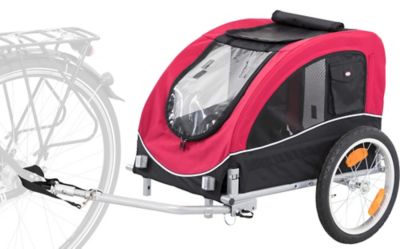
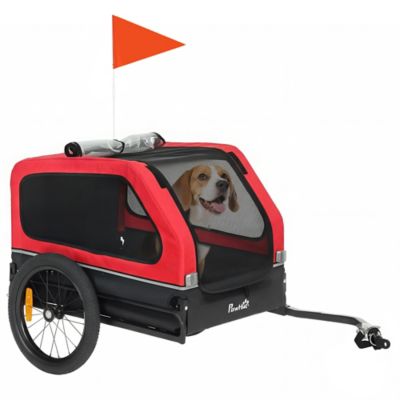
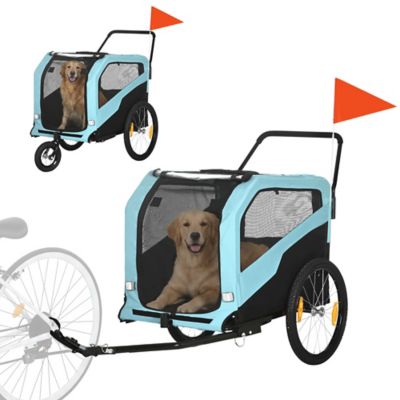
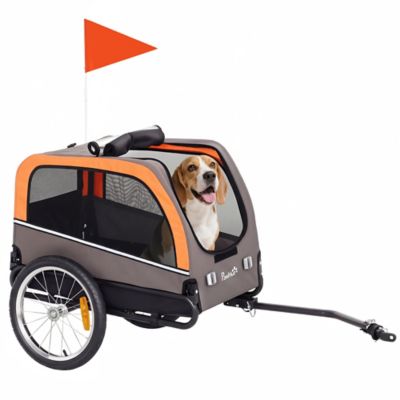
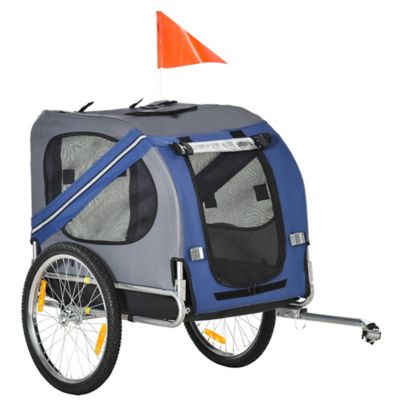
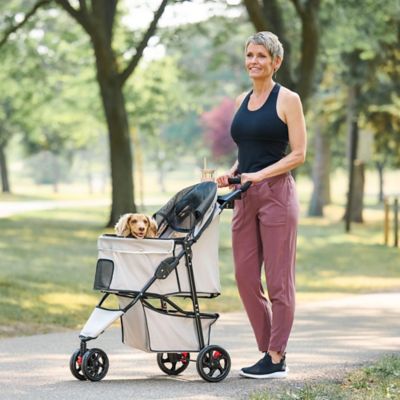
Pet bicycle trailers are tow-behind carriers that give a dog or cat an enclosed place to ride while a person pedals. They attach to a compatible bicycle through a hitch and coupler, keeping the pet in a separate passenger compartment rather than in a basket on the handlebars or a carrier over the rear wheel. For a small dog that cannot keep pace, an older companion that tires easily, or a pet that should not run alongside a bicycle, a trailer can make shared outings more practical. A leisurely ride along a paved community path feels different with a four-legged passenger watching through the mesh instead of waiting at home. The right match starts with both the pet’s size and the trailer’s stated weight capacity. Weight alone does not tell the whole story: interior length, width, and height determine whether a pet can sit naturally, turn around, and settle into a comfortable resting position. A broad-chested dog may need more floor space than a taller, slimmer dog of the same weight. Any bedding or other cargo also counts toward the manufacturer’s load limit. A supported floor helps create a steady footing, while a low entry can make getting aboard less awkward for a pet with limited mobility. Wide zippered openings can simplify loading, though the opening size and step-over height vary by design. Mesh panels let passengers look out and allow air to move through the cabin; secure closures help keep curious noses and paws inside. Interior restraint attachments are another important detail, with any tether connected to a properly fitted harness according to the trailer’s instructions, not to a collar. Pets still need supervision throughout the ride, and an enclosed cabin does not replace a secure restraint. Cats and dogs alike need time to become comfortable with the space, and a veterinarian can help assess whether bicycle travel suits a pet with joint trouble, breathing concerns, or other health needs.
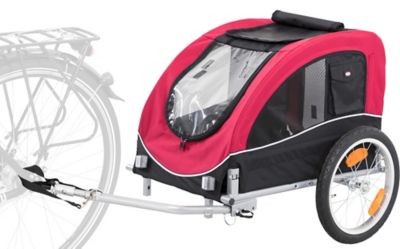
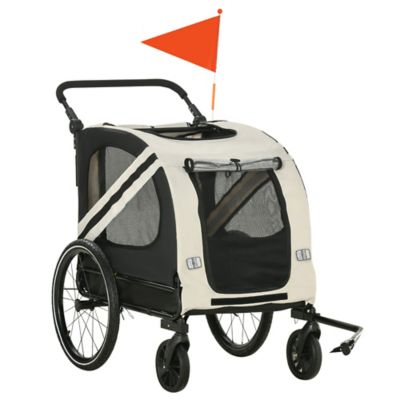
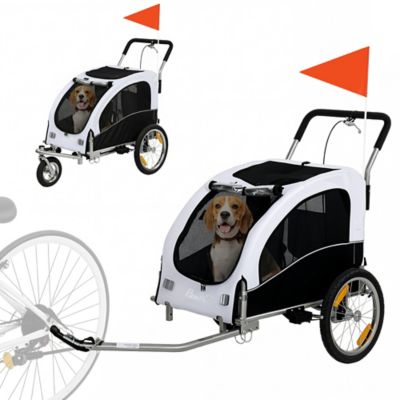
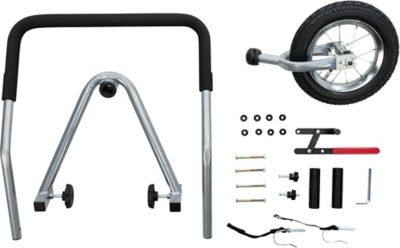
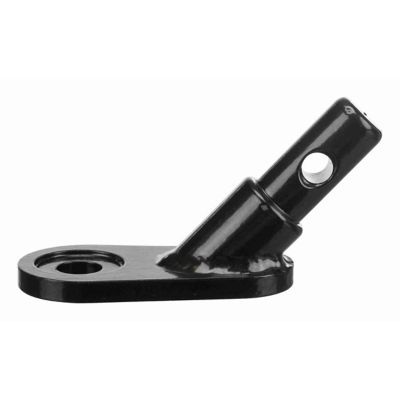
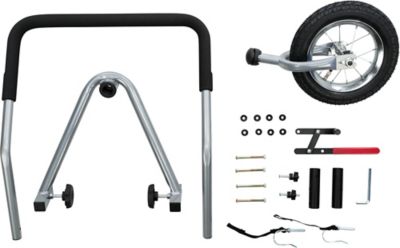
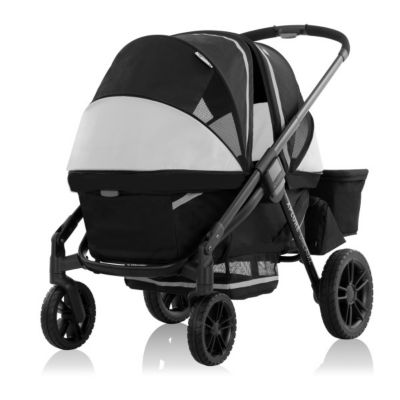
Frame construction, wheel design, and bicycle compatibility all shape how a pet bike trailer fits into everyday travel. Steel and aluminum are common frame materials, with differences in weight, finish, and care requirements from one design to another. A heavier frame adds to the load the rider must pull, especially on an incline, while the fabric cabin and floor need to stand up to paws, shifting weight, and repeated entry. Polyester or similar fabric panels, reinforced seams, and well-supported floor sections are useful details to compare. Smooth interior edges and covered hardware matter, too, particularly for a passenger that likes to stretch against the side. Wheel diameter, tire type, and any suspension influence how bumps reach the passenger compartment, but no wheel setup makes every surface suitable for towing a pet. Paved routes and other surfaces permitted by the manufacturer are a better starting point than assuming a trailer belongs on rutted lanes or rough trails. The hitch deserves just as much attention as the cabin. Axle style, rear-wheel hardware, bicycle frame design, and disc-brake clearance can affect compatibility, and some bicycles need a manufacturer-approved adapter. An electric bicycle also needs an explicit compatibility check rather than an assumption that the connection will fit. A secondary safety strap, where specified, adds a backup connection between the bicycle and trailer. Reflective details, a visibility flag, and appropriate bicycle lighting can help other path or road users notice the wider setup, though they do not replace careful route selection. Towing adds weight and length, changes cornering clearance, and can increase stopping distance. A gentle pace and broad turns give the passenger a more settled ride. For households that want both a bike trailer and a walking option, certain designs support stroller conversion with compatible components. That capability should be stated by the manufacturer; a towing hitch alone does not mean the trailer can function as a stroller.
The details that seem small in the driveway often matter most after a few outings. A removable floor pad makes it easier to clear away hair and grit, and a washable cover can simplify cleanup after muddy paws or a little travel mishap. Fabric, mesh, and clear panels may have different cleaning requirements, so mild cleaning methods and the manufacturer’s care directions are a sensible match. Everything should be dry before folding and storage to help prevent odors and mildew. Zippers need to move freely, mesh should be checked for snags, and the floor should stay firmly supported without sagging or exposed edges. Wheels, axle connections, hitch parts, and restraint points also need regular checks, along with tire pressure where inflatable tires are fitted. A folding frame and removable wheels can make a trailer easier to tuck beside a workbench, into a garage corner, or into a vehicle for a trip to a suitable riding path. Folded dimensions matter as much as the word “folding,” especially when storage space is tight. At home, an open trailer parked securely with the bicycle detached gives a pet a chance to sniff, step inside, and rest on familiar bedding before any riding begins. Short, calm practice sessions are more helpful than making the first outing a long haul. A passenger that relaxes in the cabin is better suited to the experience than one that repeatedly paws at the exits or struggles against the harness. For households planning trips that also call for a separate carry-along option,
Best Pet Carrier is a related place to compare pet travel choices. A pet bicycle trailer can also be a thoughtful gift for someone who enjoys easygoing rides with an animal companion, provided the pet’s measurements, the bicycle connection, and the rider’s storage space are settled first. With those practical details matched, the trailer becomes a comfortable spot for a familiar passenger to tag along.