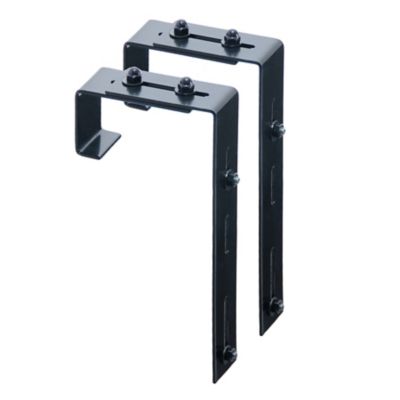
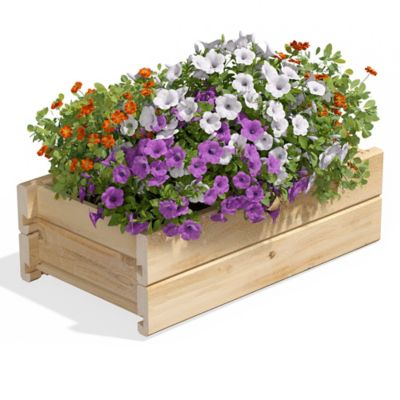
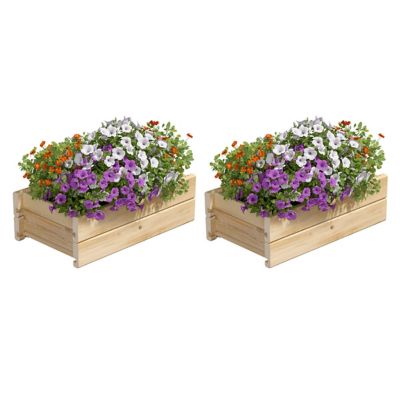
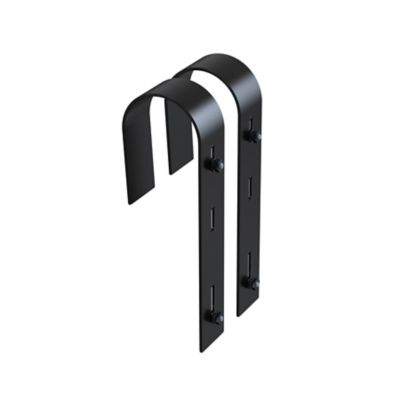
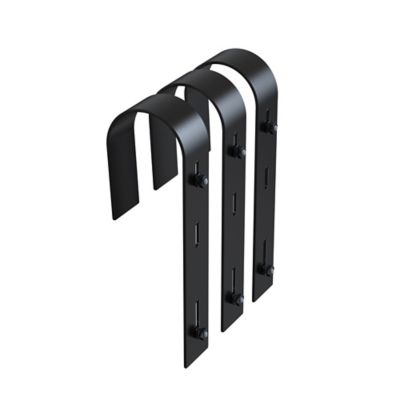
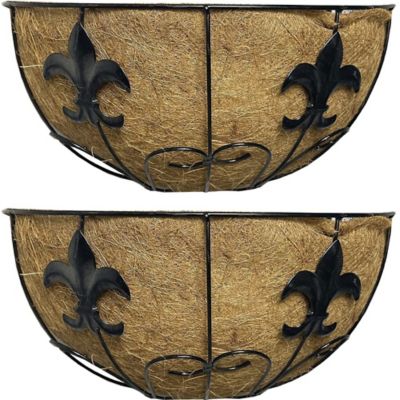
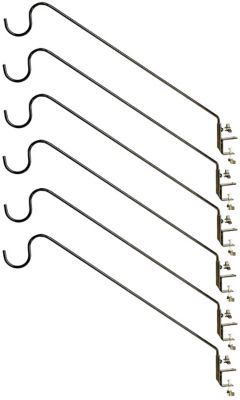
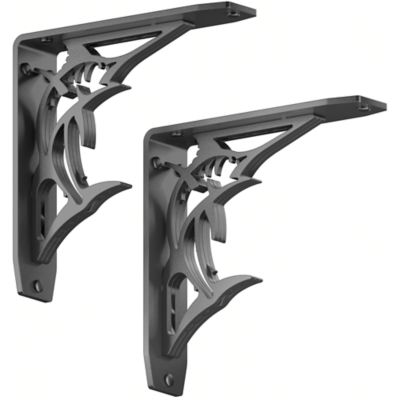
Brackets for railing planters support flower boxes and other compatible containers along a porch, deck, balcony, or fence rail, bringing plants up off the floor and closer to eye level. They make room for flowers, trailing greenery, or kitchen herbs without taking up the same floor space as freestanding pots. On a farmhouse porch, that can mean more room beside a bench; on a small balcony, it can leave space for a chair and a clear path to the door. The right fit depends on both the railing and the planter, not just how the bracket looks. Rail width, rail thickness, top-rail shape, and the space beneath the rail all affect how a support sits. A flat wooden cap, a rounded metal rail, and a narrow square rail present different mounting surfaces, so a bracket intended for one shape may not suit another. Lumber names also differ from finished measurements: a typical finished 2x4 measures about 1 1/2 inches by 3 1/2 inches. Measuring the actual rail helps avoid a bracket that grips too loosely or cannot reach around the cap. Adjustable railing planter brackets offer a range of positions, but that range still needs to cover the rail’s dimensions and profile. Fixed brackets have less adjustment and depend on a closer match. The container matters just as much. Its front-to-back depth, bottom shape, rim, and overall length determine where the bracket can make contact and whether the planter sits level. A box with tapered sides or molded feet may rest differently than one with a flat bottom. Some supports carry the container from underneath, while others engage a compatible lip or mounting feature. Product dimensions and installation information help separate those designs, especially when pairing new brackets with a planter already at home. A good match leaves the container properly seated without forcing its sides, pinching a thin rim, or resting its weight on an unsupported edge.
Material and construction affect how railing planter brackets handle their daily job. Steel provides stiffness in a relatively slim profile, while galvanized finishes, powder coatings, and other protective treatments help limit corrosion when matched to the intended setting. Stainless steel and aluminum are other material options, each with its own strength, finish, and hardware requirements. Material alone does not establish load capacity; metal thickness, bends, joints, fasteners, and the complete mounting design all matter. The stated weight rating should cover the loaded planter, including the container, potting mix, plants, and water held after watering. A box that feels light when empty can weigh considerably more once planted, particularly when it has a reservoir or a dense growing medium. Ratings may apply to one bracket, a pair, or a complete support assembly, so those distinctions deserve attention. Adding extra brackets does not automatically increase the capacity of the rail or the installation. The railing itself must also be suitable for the load, with sound connections and no loose caps, split boards, or weakened sections at the mounting point. Clamp-on and hook-over styles can avoid permanent holes when their design fits the rail, while screw-mounted or bolt-mounted supports require appropriate attachment points and hardware. A no-drill design still needs its clamps, locking parts, or retaining features engaged as directed. Where included or permitted by the manufacturer, protective pads can help separate metal brackets from a finished railing, but extra padding should not interfere with the grip. Long planter boxes may call for multiple supports at specified intervals so their bottoms do not bow between contact points. Brackets with retaining lips or compatible restraints can help keep a container seated, but no feature replaces following the intended mounting arrangement. For planters above a walkway or another occupied area, suitable placement and secure attachment are especially important. Apartment and condominium rules may also limit what can attach to a balcony railing or extend beyond it.
Everyday upkeep is simpler when the bracket and planter work together without blocking drainage or making the container difficult to reach. Drain holes need room to empty, and runoff should not collect inside bracket channels or repeatedly soak a wooden rail. A saucer or reservoir can change both the weight and the way a planter rests, so its dimensions belong in the fit check rather than being treated as an afterthought. Access matters, too: a bracket arrangement that leaves room to water, trim plants, and lift out a removable container is easier to live with than one wedged tightly against the rail. Around a busy back porch, keeping supports and planter edges out of the walking path helps preserve room for carrying groceries, moving chairs, or opening a gate. Containers should not interfere with handrail use, gate latches, or doors. For homes with children or pets, placement also deserves attention so planters do not become convenient climbing steps or easy targets for pulling. Routine care generally includes clearing away trapped potting mix, wiping off fertilizer residue, and checking contact points for looseness, rust, or worn finishes. Cleaning methods and any finish repairs should follow the bracket manufacturer’s directions, since abrasive tools and harsh cleaners can damage protective surfaces. Fasteners and adjustable joints also benefit from periodic inspection, particularly after a planter has been lifted out and put back. Matching replacement hardware to the original specifications helps preserve the intended connection. For a garden layout that also includes an overhead structure,
Pergola Corner Brackets serve a separate framing purpose rather than taking the place of railing planter supports. Whether the goal is a row of herbs outside the kitchen or flower boxes along a porch where folks gather, brackets selected for the actual rail, container, and loaded weight keep the setup practical. The best fit supports the planting space without crowding the everyday work and relaxation happening around it.