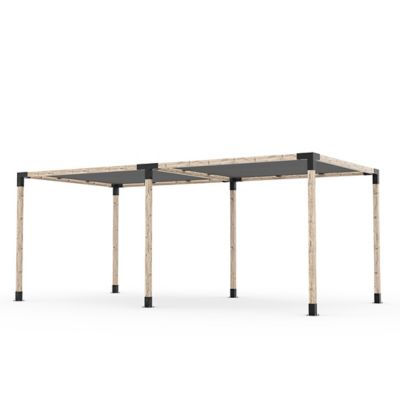
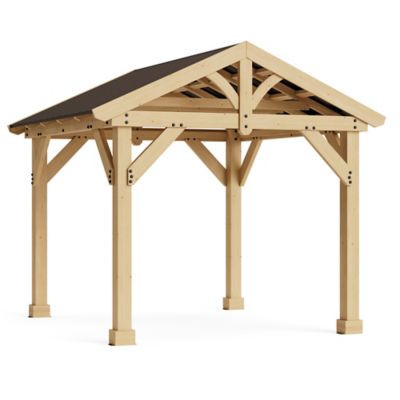
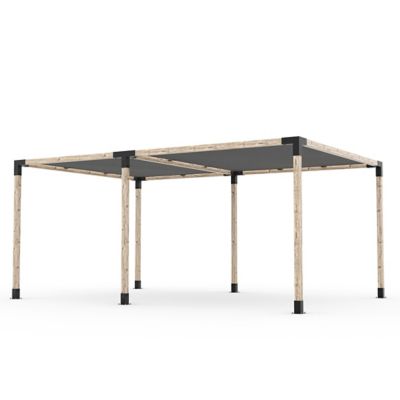
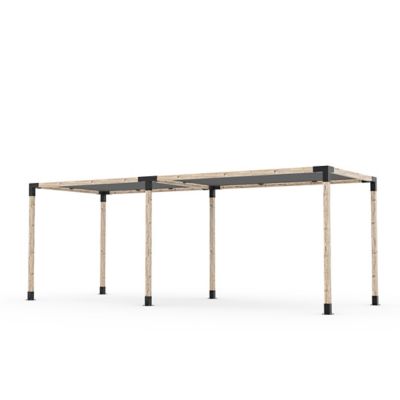
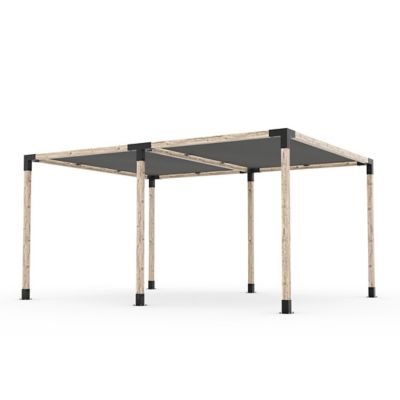
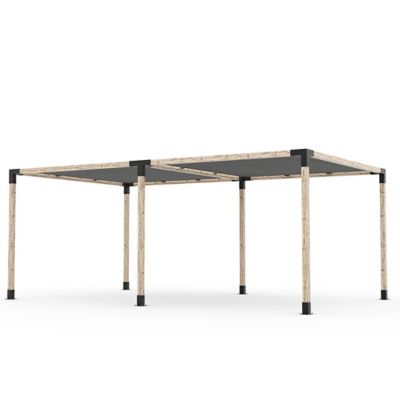
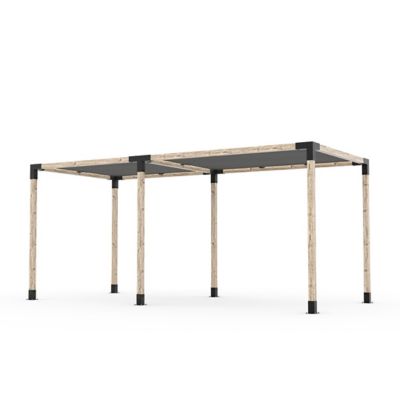
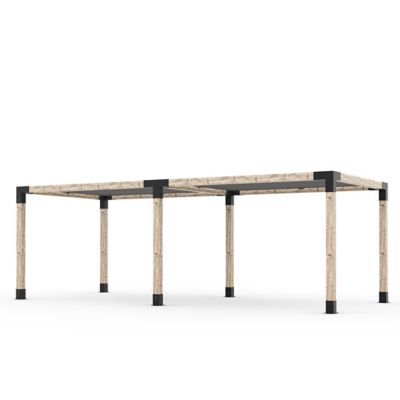
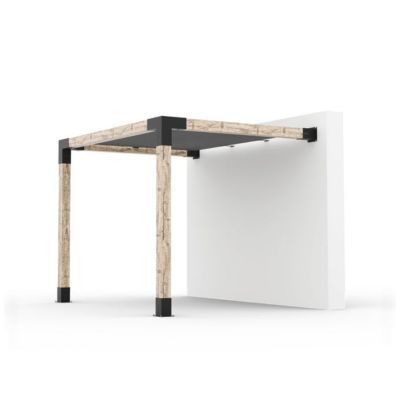
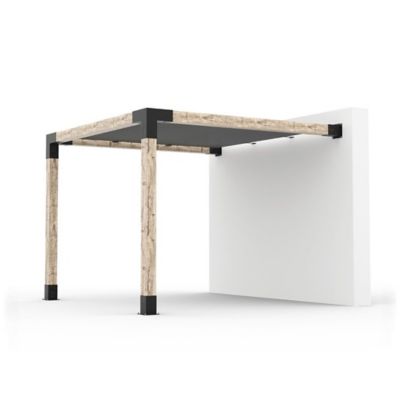
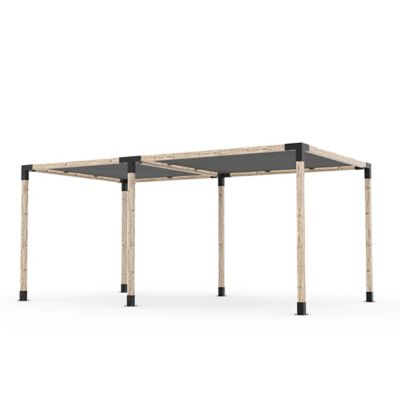
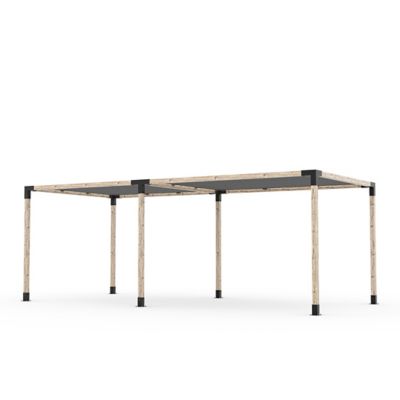
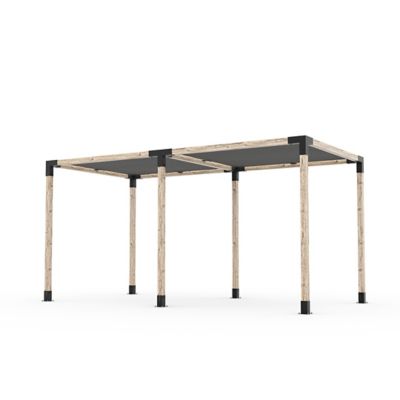
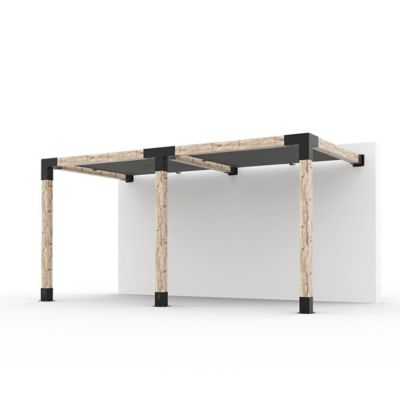
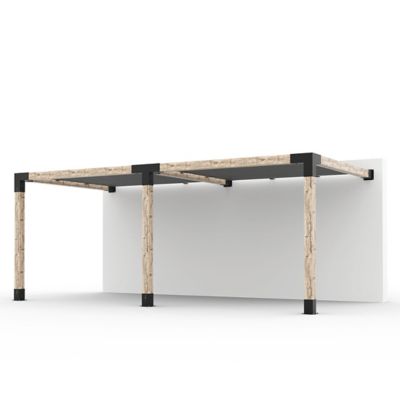
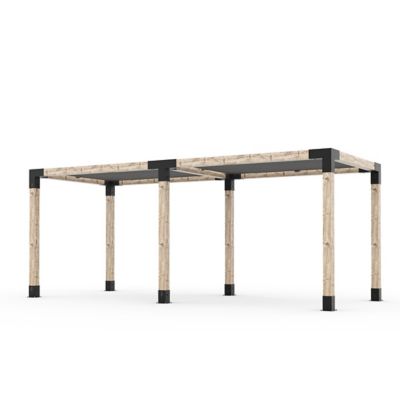
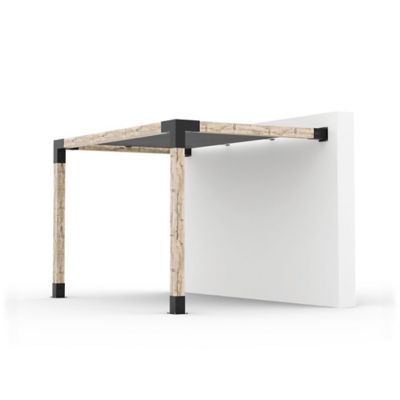
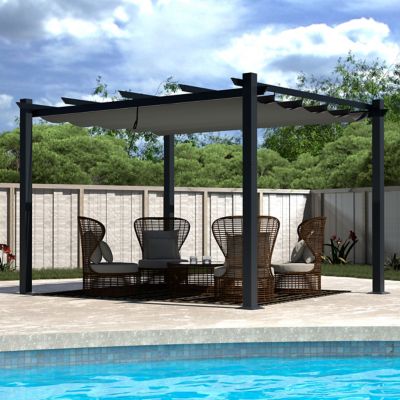
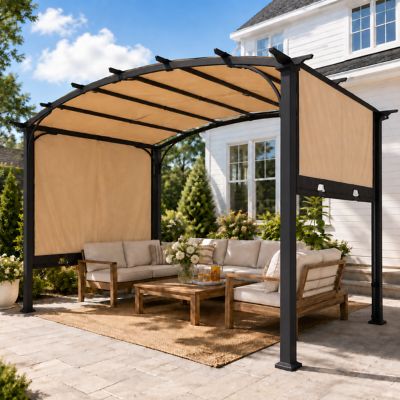
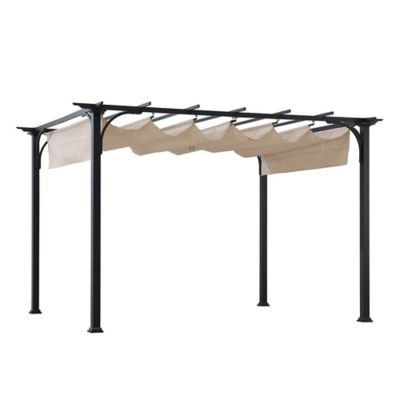
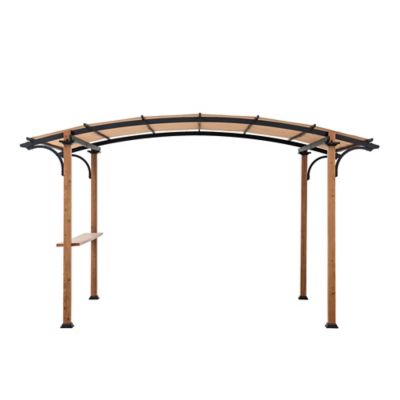
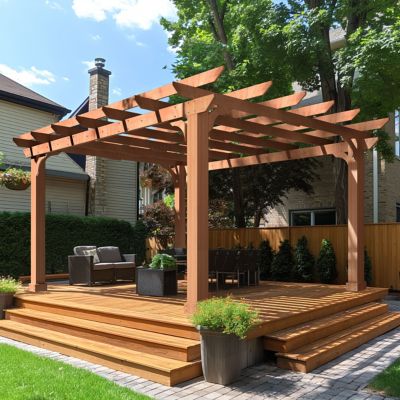
Pergola hardware brings the key connections of an outdoor shade structure together, helping posts, beams, rafters and slats meet in a steady, orderly way. For a backyard project, the right brackets and connectors can take much of the guesswork out of framing while giving the finished structure a clean, finished appearance. Start by identifying the lumber size shown in your plans, since hardware made for 4x4 posts will not fit a 6x6 post properly. Check the actual dimensions of the lumber as well as the listed nominal size, then compare the connector opening, fastener pattern and load rating with your project requirements. A freestanding pergola may call for post bases, corner brackets and beam connectors at each main joint, while a structure attached to a house may also need hardware suited to a wall connection. Look for galvanized or coated steel when the pergola will face rain, humidity or wet ground, and select fasteners approved for outdoor exposure. In areas with strong wind, heavy snow or frequent storms, local building rules and a qualified professional can help determine whether additional bracing, deeper footings or engineered connections are needed.
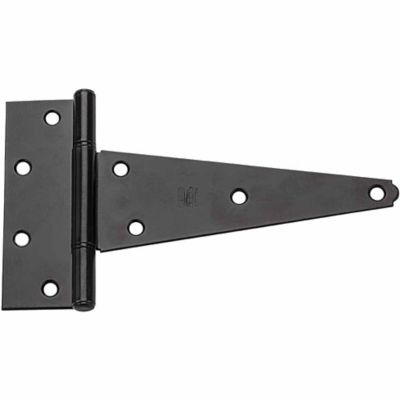
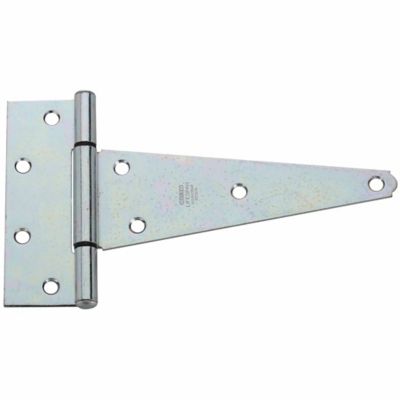
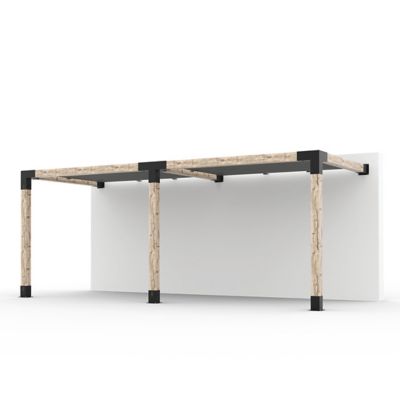
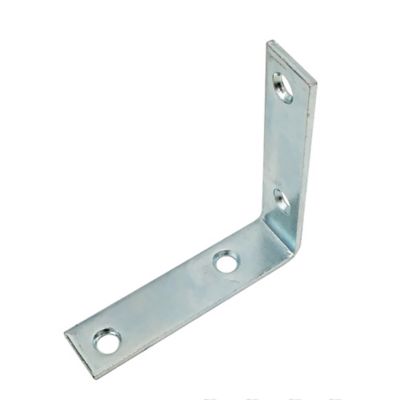
Pergola bracket sets may include three-way or four-way corner connections for joining posts and beams, along with angle brackets, straps and post bases for reinforcing the frame. These parts are especially helpful where several timbers meet at a corner, since they help keep the members aligned while fasteners are installed. Before shopping, sketch the pergola from above and from the side, count every post-to-beam and beam-to-rafter connection, and add a small allowance for braces or changes made during assembly. An open-top structure generally needs hardware for the main frame and rafters, while a slatted or louvered roof may require pivot brackets, shutter hardware or supports that allow the slats to angle in a coordinated direction. Pay attention to whether a connector is designed for an interior, exterior or corner position; a part that looks similar may not serve the same purpose. Fasteners matter just as much as the brackets. Choose the length and diameter recommended for the connector and lumber, and avoid mixing incompatible metals that can promote corrosion. Keep a level, square, tape measure and wrench close at hand, and check each connection as the frame rises. A little care during layout helps the roof lines meet neatly and keeps the finished shade area comfortable for seating, meals and everyday time outdoors.
These products can suit homeowners refreshing an older pergola, property owners building a new gathering spot, and contractors tackling a backyard improvement project. They can also make a thoughtful present for someone who enjoys working with lumber, maintaining a garden space or creating a place for family and friends to gather. For a smaller yard, pairing the right framing hardware with a compact structure can add shade without taking over the patio. Browse
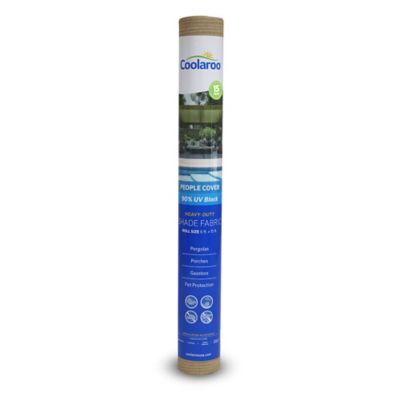
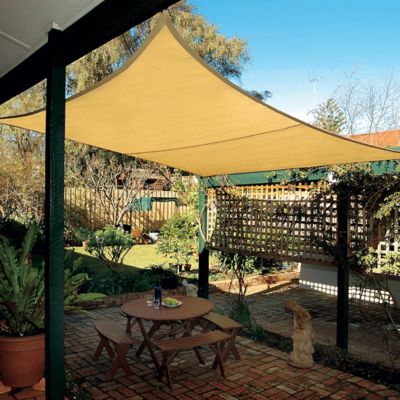
Pergolas For Small Patios when the available footprint is limited, then compare the post arrangement, beam span and roof style before selecting connectors. During the cooler months, a well-planned pergola can define an outdoor sitting area even when evenings call for a coat, and the open frame can be ready for shade cloth, climbing plants or string lighting when warmer weather returns. Keep hardware, plans and fasteners together until the project is complete, and inspect exposed connections from time to time for loose screws, surface rust or movement. Replacing a worn part early helps protect the surrounding lumber and keeps the structure ready for another season of cookouts, quiet mornings and time spent outdoors.