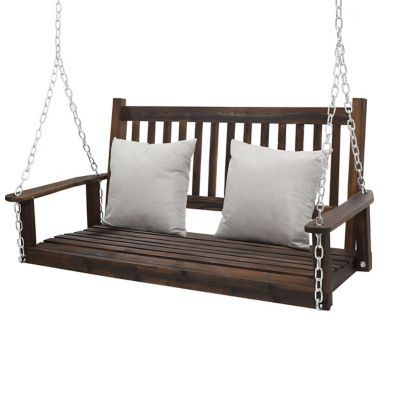
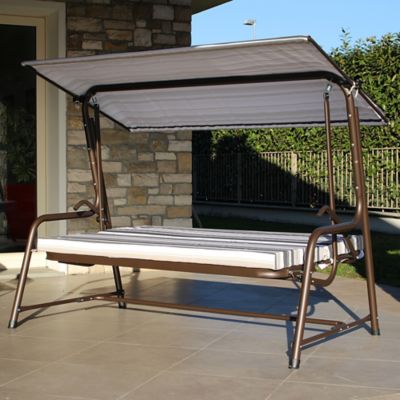
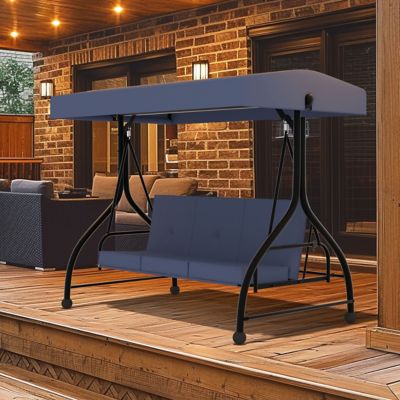
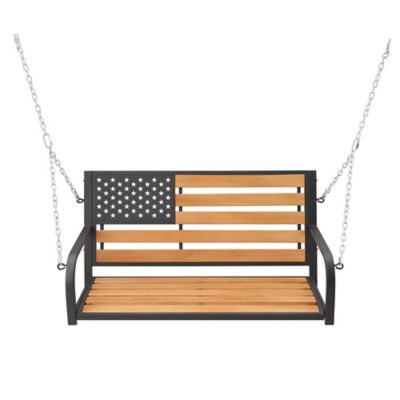
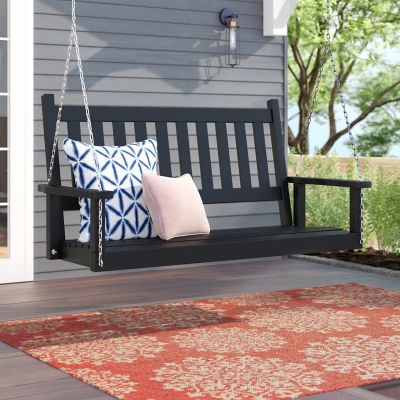
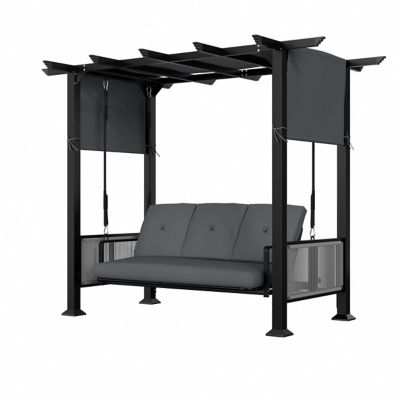
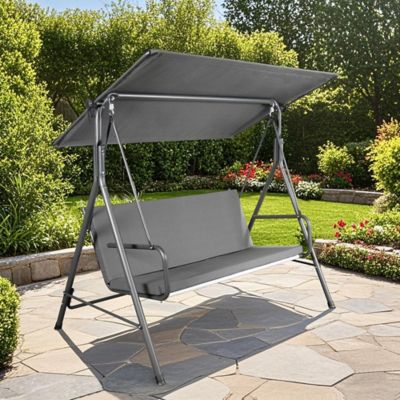
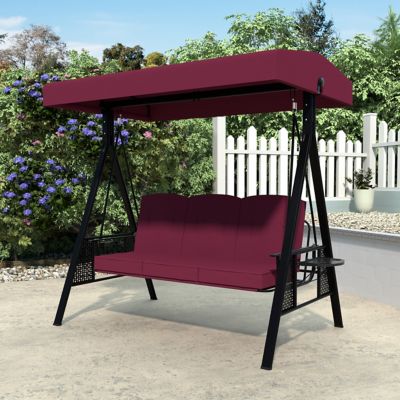
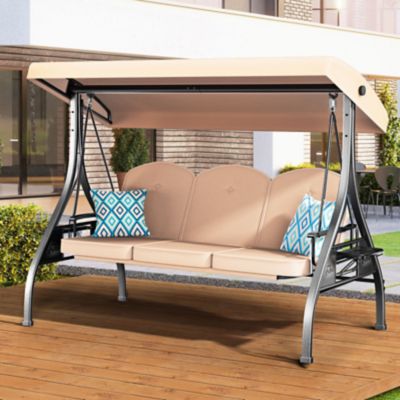
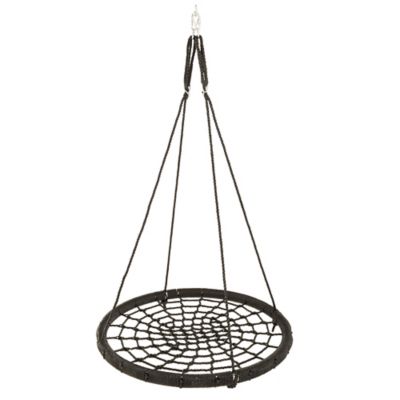
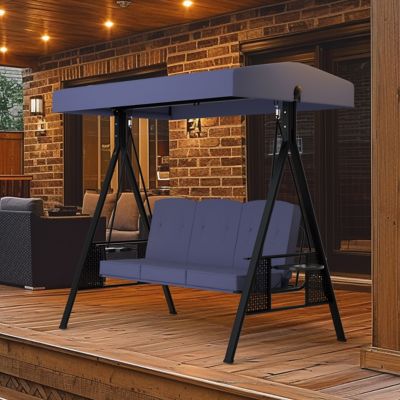
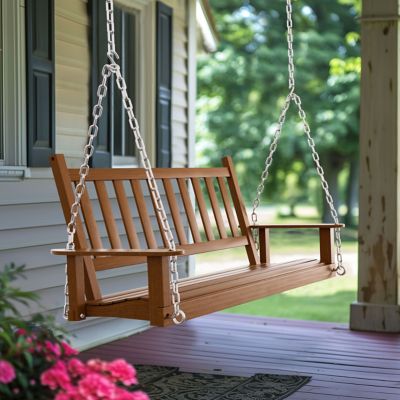
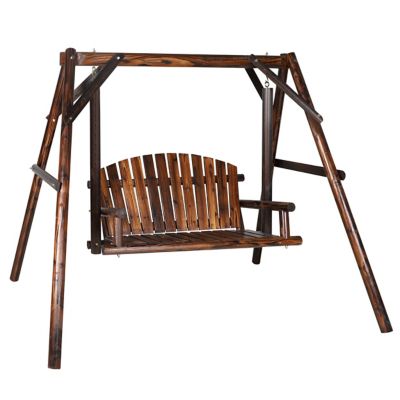
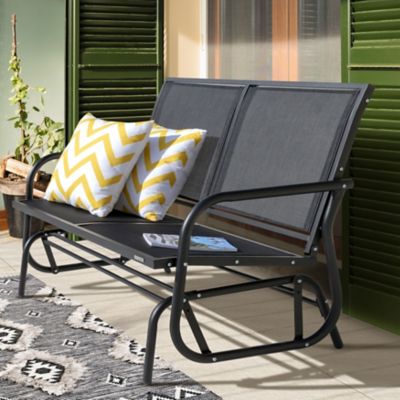
A patio porch swing makes room for the kind of Fourth of July gathering that stretches from supper at the picnic table to watching the last light fade across the yard. It gives guests a comfortable place to visit without pulling every chair out of the house, and it feels just as fitting for a quiet cup of coffee after morning chores. Patio porch swings generally fall into two groups: hanging swings that attach to a suitable overhead structure and freestanding swings supported by their own frames. That difference matters more than appearance alone. A hanging design needs a structural mounting point rated for the swing and its occupants, along with the hardware and installation method specified by the manufacturer. Porch ceiling boards, trim, and gutters are not substitutes for structural support. A freestanding design needs a firm, level surface and enough room for both its footprint and its full swinging motion. Seat width helps determine how comfortably people can sit together, while seat depth, back height, and armrest placement affect how the swing feels once everyone settles in. A seat count is not a substitute for the stated weight capacity; the total load must stay within the limits of the swing and its support system. On a narrow farmhouse porch, clearance near the screen door and railing can be just as important as the bench dimensions. On a broad patio, a larger frame may fit comfortably while leaving a clear route between the back door, grill, and yard. The right fit leaves room to move around the swing without stepping into its travel path. For households that host family cookouts, that open space helps keep serving trays, foot traffic, and swinging seats from competing for the same patch of porch. A swing belongs where conversation comes easily, not where everyone has to squeeze past it.
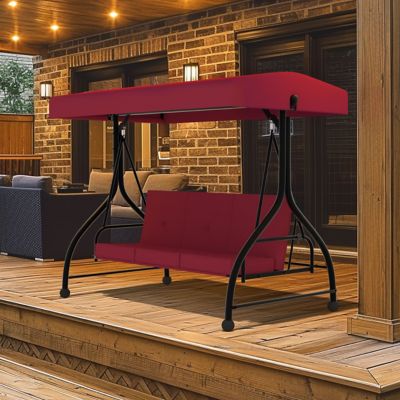
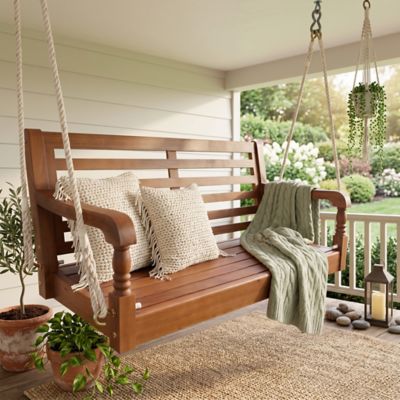
Materials shape both the look of a porch swing and the attention it needs over time. Wood brings visible grain and a familiar porch-seat feel that pairs well with siding, brick, and stone. Its care depends on the species, finish, and amount of exposure, so the manufacturer’s directions should guide cleaning and any sealing or refinishing. Slatted wood seats can shed water through the gaps, but damp leaves and debris still need clearing away. Metal frames offer a different look, from simple straight lines to open backs with patterned details. Protective finishes help limit exposure to moisture, though scratches, chipped coatings, and connection points deserve attention because exposed steel can rust. Resin seating and synthetic wicker bring other considerations. Their surfaces may be straightforward to wipe down, but sun exposure, temperature changes, and the construction beneath a woven exterior all affect long-term performance. Material names alone do not tell the whole story; frame construction, fasteners, finish coverage, and the stated outdoor-use rating matter, too. Cushions add softness for a long afternoon of visiting, while an unpadded seat can be simpler to keep clear of dust and pollen. Removable cushion covers may make cleaning easier when the care label permits washing, and outdoor fabric ratings help explain resistance to fading and moisture. Water-resistant fabric is not the same as waterproof storage, so cushions benefit from a dry place when they are not needed. Comfort also comes from details that are easy to overlook in a picture: a gently shaped back, a front edge that does not press behind the knees, and armrests at a comfortable height. A shaded placement can make a difference during an Independence Day get-together, especially with surfaces that become hot in direct sun. For swings with canopies, the canopy’s adjustment range, attachment method, and wind precautions are worth considering alongside the seat itself.
Fourth of July patio porch swings can anchor a gathering space without taking over the whole porch. Red, white, and blue cushions or a simple striped throw can bring in the holiday, while a wood-toned, dark metal, or neutral seat can stay at home with everyday porch furnishings. A small table within easy reach gives lemonade glasses and a bowl of snacks a place to land, provided it sits outside the swing’s path. Keeping the grill well away from seating and following its clearance requirements helps separate the cooking area from the spot where guests gather. For a stationary seat alongside a swing, explore
Fourth of July Sale on Patio Loveseat Furniture. Mixing swinging and stationary seating gives family members a choice, which is helpful for anyone who prefers a seat that stays still when sitting down or standing up. A porch swing can also make a thoughtful housewarming, wedding, or family gift when the recipient has the right space and support for it. Dimensions, mounting requirements, and care preferences matter more than guessing at a favorite color. A couple furnishing a first porch may appreciate a compact seat, while a household that regularly hosts relatives may put more value on generous seating space and easy-to-clean surfaces. Children need supervision around moving swings, and standing, jumping, or rough play can put stress on seating and suspension parts. Over time, routine attention helps keep the setup ready for another visit: clear away debris, follow the care instructions, and inspect chains, hangers, bolts, and other connections for wear or loosening. Covers and sheltered storage can reduce exposure when permitted by the manufacturer, but seating should be clean and dry before covering. With a sensible fit and care that matches the materials, a patio porch swing earns its place well beyond the holiday gathering, becoming the seat folks head toward when there is finally time to sit a spell.