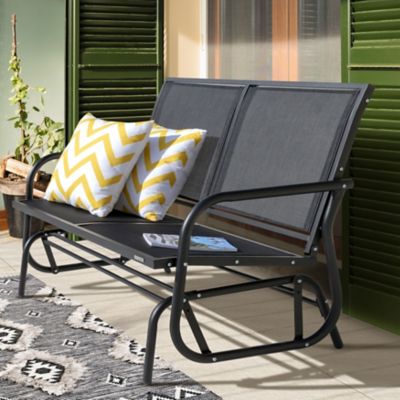
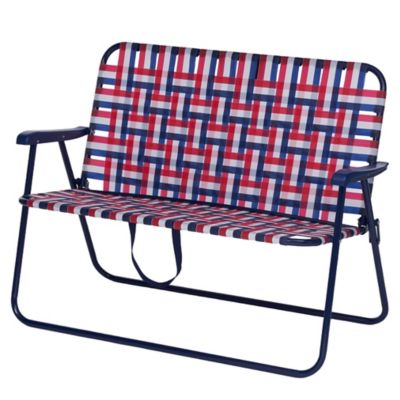
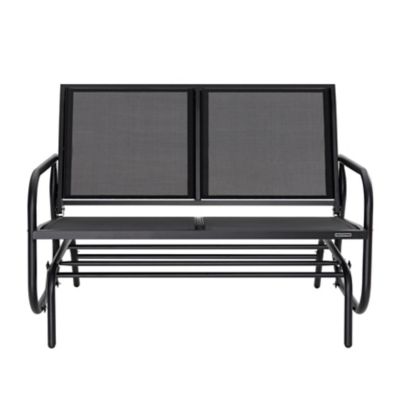
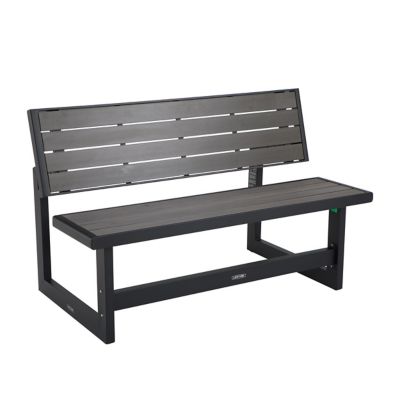
Fourth of July gatherings often spill out onto the porch or patio, where a loveseat gives two people a comfortable spot to settle in between plates of barbecue and rounds of backyard games. Outdoor loveseat furniture brings the feel of a living room to an open-air setting without taking up the space of a full-size sofa. It can serve as the main seat on a small porch, pair with chairs on a roomy deck, or create a quieter corner away from the picnic table. For country homes with a view across the pasture or garden, a two-seat layout leaves room to stretch out a conversation without crowding the walkway. The right fit depends on more than overall width. Seat depth, back height, arm shape, and cushion thickness all affect how a loveseat feels, whether someone is sitting upright with a glass of iced tea or leaning back after a long day outside. A deeper seat can suit relaxed lounging, while a shallower seat with a supportive back may feel better for conversation. Firm cushions and a seat height that allows feet to rest comfortably on the ground can make getting up easier, especially for guests who prefer steady support. Listed dimensions help show how much floor space the frame occupies, but usable seating width matters, too; wide arms can take up a fair amount of the total span. Doorways, porch posts, railings, and the swing of a screen door also shape where the furniture can sit. Leaving room around the loveseat keeps the path clear for guests carrying serving trays and children heading toward the yard. On a narrow porch, a compact frame and a small side table may fit better than a deep seat paired with a large coffee table. On an open patio, a loveseat facing a pair of chairs creates a natural gathering spot where everyone can join the conversation. Checking the stated weight capacity and assembly requirements helps match the furniture to the household and the space it will call home.
Frame materials give patio loveseats different looks, weights, and care needs. Solid wood brings visible grain and a familiar feel that fits easily beside porch boards, brick, or a gravel garden path. Woods such as teak and acacia vary in their maintenance needs, and their appearance can change with outdoor exposure. The finish and the manufacturer’s care directions matter as much as the wood species when judging how a frame will hold up. Aluminum is generally lighter to move and resists rust, making it practical for seating that may need to shift between a covered porch and an open patio. Steel often has a heavier feel, while its protective coating needs attention if scratches expose the metal underneath. Woven resin wicker offers a textured look and is often wrapped around a separate supporting frame, so both the weave and the frame construction deserve consideration. Smooth joints, sound connections, and stable legs contribute to a seat that feels steady on an even surface. For cushioned loveseats, outdoor fabric and cushion construction play a big part in everyday comfort. Fabric described as water-resistant can shed some moisture, but that does not mean the entire cushion is waterproof or ready to stay out through every downpour. Drying time depends on the cover, filling, airflow, and exposure. Removable covers can make care simpler when their washing instructions allow it, while ties or other attachments can help keep cushions in place. Resistance to fading is worth considering for a seat in direct sun, particularly with darker fabrics and bright colors. A covered porch provides some shelter, but wind can still carry rain and dust onto the furniture. Beneath a shade tree, leaves and pollen may collect in the weave or between cushions. These everyday conditions help explain why a sheltered loveseat and one sitting out on an open deck may need different care routines, even when both are meant for outdoor seating.
A patio loveseat works best when its surroundings support the way people actually spend time outside. Beside a back door, it can become the spot for slipping off work boots and taking a short break. Near a garden, it offers a place to rest while keeping an eye on the beds. For Fourth of July get-togethers, placing seating within easy reach of a side table gives guests somewhere to set a drink without balancing it on an armrest. Grills need their own clear working space, and any nearby fire pit requires the clearances specified by its manufacturer, especially around cushions and other materials that can burn. Level footing matters whether the loveseat sits on concrete, deck boards, or pavers; uneven ground can make a frame rock and put extra strain on its connections. Keeping leaves, grit, and standing water from building up helps protect finishes and makes the seat more pleasant to return to. A soft brush or cloth and the cleaning method recommended for the material are often a better starting point than harsh cleaners or forceful spraying. Cushion covers should follow their care labels, and damp cushions need time to dry fully before storage. A properly fitted furniture cover can help limit exposure when the seat is not in service, though ventilation and secure fastening matter. Moving cushions to a dry, sheltered spot for extended storage helps keep them ready for the next gathering. Wood finishes, metal coatings, and hardware may also need periodic attention according to the furniture’s instructions. For a seating area that extends beyond a loveseat, explore
4th of July Sale on Outdoor Furniture Set for a broader look at outdoor furniture sets. Whether furnishing a first home, making room for visiting family, or choosing a housewarming gift after checking the recipient’s space, a loveseat can bring a comfortable gathering place to a porch or patio without filling every corner.