Patio Gazebo Fourth Of July Sale
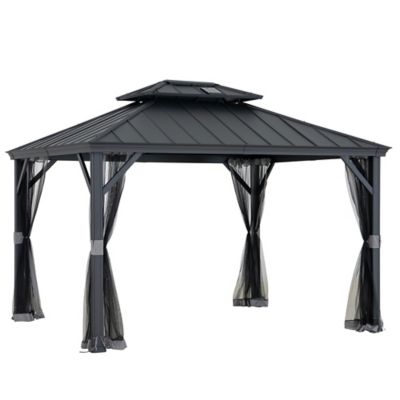
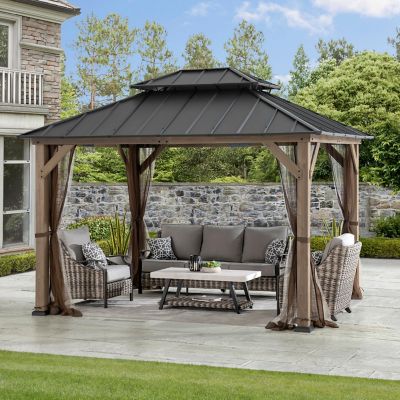
Get ready to kick back and enjoy the outdoors with the Patio Gazebo Fourth Of July Sale. Whether you’re planning a backyard barbecue or just looking for a shady spot to relax, now’s the perfect time to upgrade your outdoor space. Find great deals that’ll help make your celebrations even more comfortable and inviting. Shop the Patio Gazebo Fourth Of July Sale and turn your yard into the go-to hangout spot all summer long.
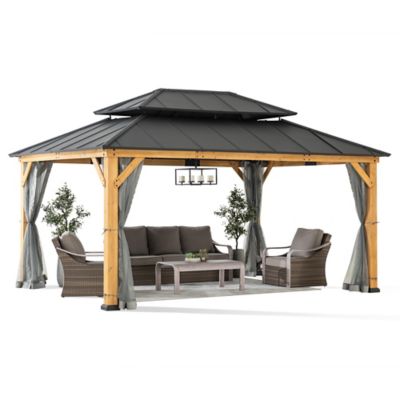
$1,199
.99
Sale Was $1,999.99 Save $800.00 (40%)
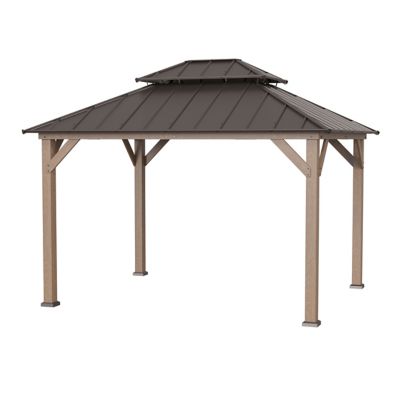
$1,615
.99
Sale Was $1,899.99 Save $284.00 (15%)

$1,524
.99
Sale Was $2,179.99 Save $655.00 (30%)
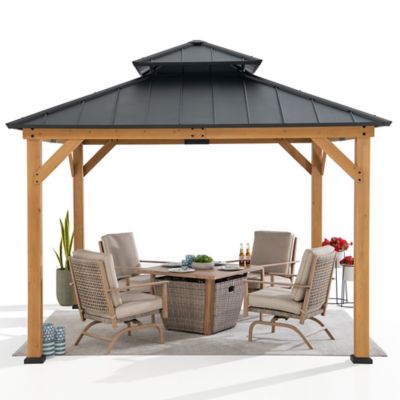
$899
.99
Sale Was $1,499.99 Save $600.00 (40%)
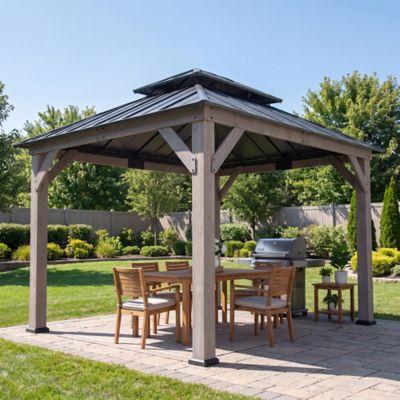
$1,099
.99
Sale Was $1,699.99 Save $600.00 (35%)
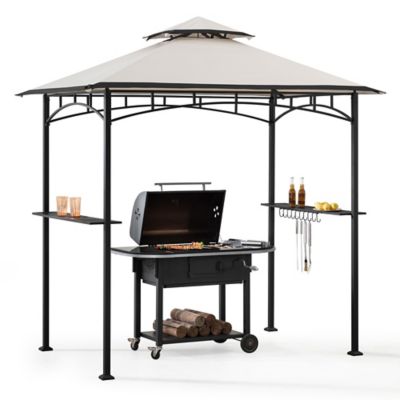
$109
.99
Sale Was $200.99 Save $91.00 (45%)
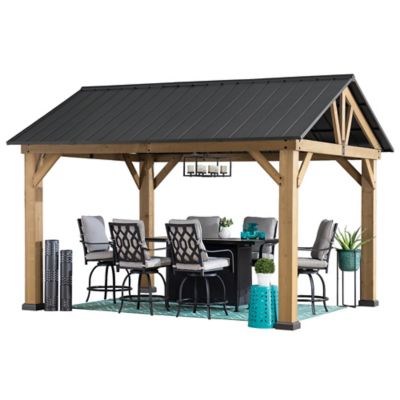
$1,329
.99
Sale Was $2,399.99 Save $1070.00 (45%)
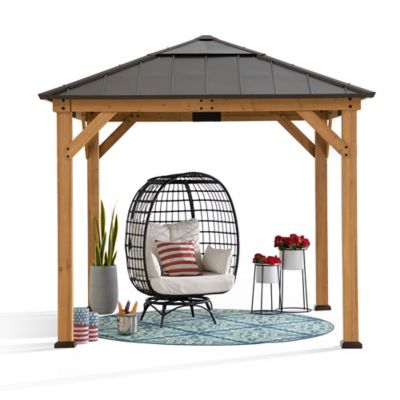
$874
.99
Sale Was $1,158.99 Save $284.00 (25%)
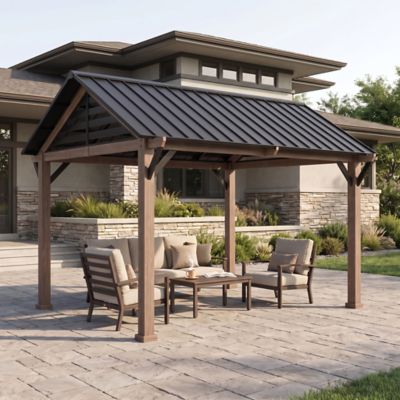
$1,199
.99
Sale Was $2,999.99 Save $1800.00 (60%)
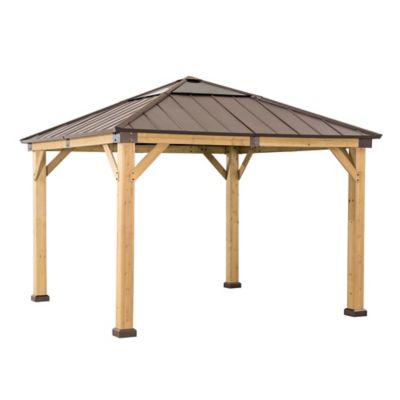
$1,408
.99
Sale Was $1,699.99 Save $291.00 (17%)
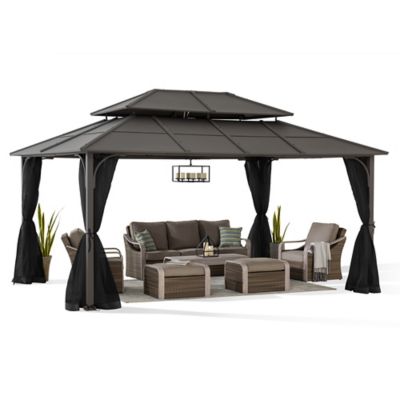
$1,099
.99
Sale Was $1,799.99 Save $700.00 (39%)
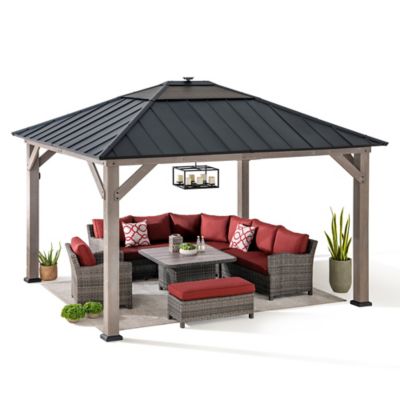
$899
.99
Sale Was $1,499.99 Save $600.00 (40%)
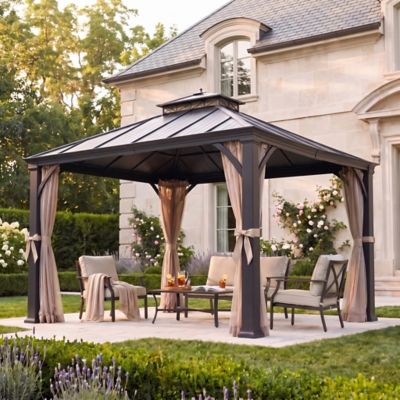
$699
.99
Sale Was $1,199.99 Save $500.00 (42%)
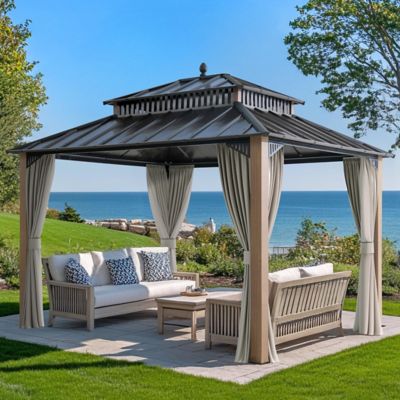
$901
.99
Sale Was $1,124.99 Save $223.00 (20%)
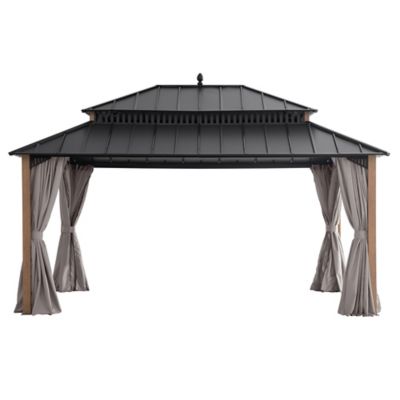
$1,021
.99
Sale Was $1,429.99 Save $408.00 (29%)
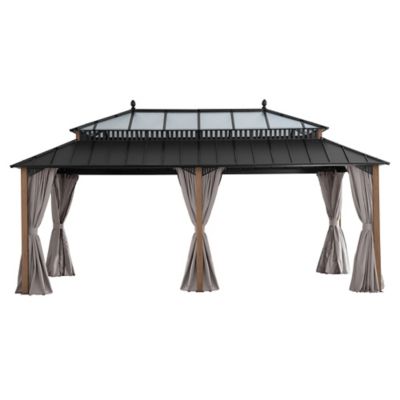
$1,457
.99
Sale Was $1,819.99 Save $362.00 (20%)
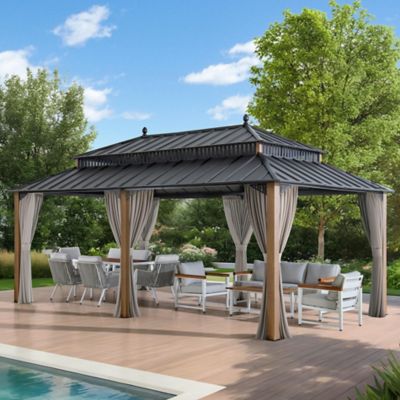
$1,354
.99
Sale Was $1,729.99 Save $375.00 (22%)
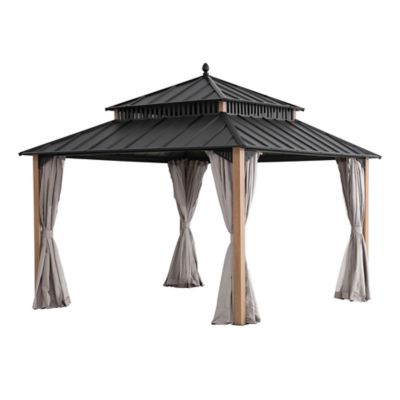
$981
.99
Sale Was $1,154.99 Save $173.00 (15%)
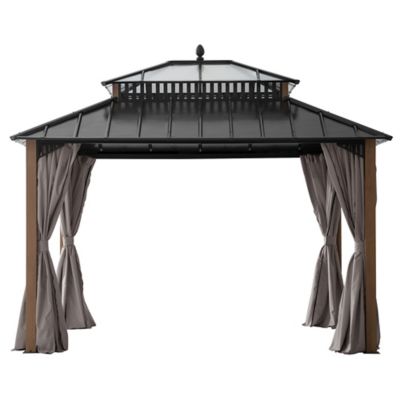
$901
.99
Sale Was $1,119.99 Save $218.00 (19%)
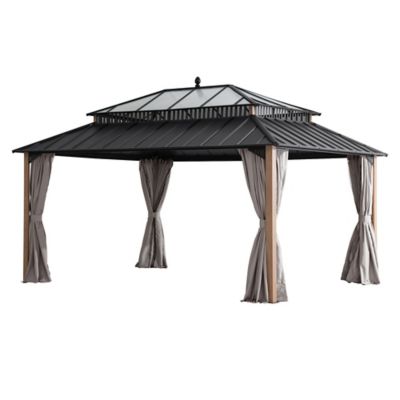
$1,190
.99
Sale Was $1,454.99 Save $264.00 (18%)

$809
.99
Sale Was $999.99 Save $190.00 (19%)

$1,038
.99
Sale Was $1,299.99 Save $261.00 (20%)
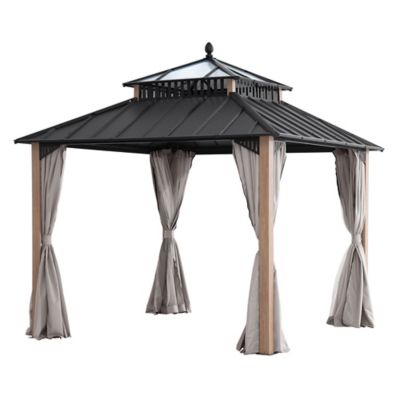
$779
.99
Sale Was $1,029.99 Save $250.00 (24%)
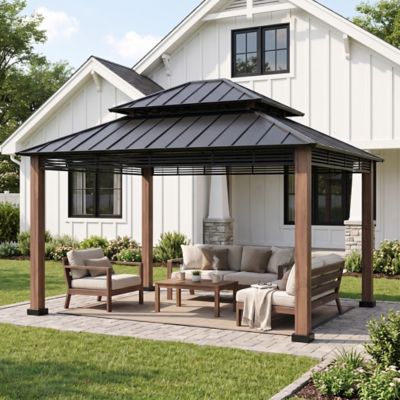
$1,199
.99
Sale Was $2,664.99 Save $1465.00 (55%)
Best Of FAQ
What features should I look for in a patio gazebo for Fourth of July celebrations?
When choosing a patio gazebo for Fourth of July gatherings, consider features such as sturdy construction, weather-resistant materials, easy assembly, and built-in mosquito netting or curtains for added comfort. Some gazebos also offer vented roofs for better airflow during summer events.
How can a patio gazebo enhance my Fourth of July party?
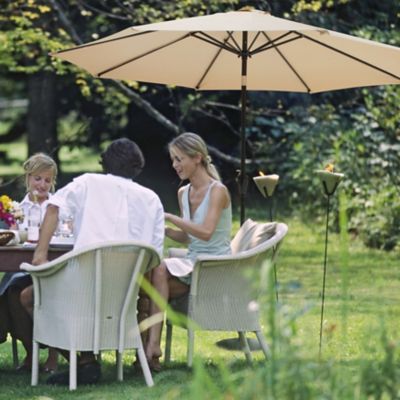
A patio gazebo provides shade and shelter from the sun, creating a comfortable outdoor space for guests to relax and enjoy festivities. It also serves as a focal point for decorations, dining, and socializing during your Fourth of July celebration.
Are patio gazebos suitable for year-round use or just special occasions like the Fourth of July?
Many patio gazebos are designed for year-round use, offering protection from sun and light rain. While they are perfect for special occasions like the Fourth of July, they can also be enjoyed throughout the seasons for outdoor dining, entertaining, or simply relaxing.
What accessories can I add to my patio gazebo for a festive Fourth of July atmosphere?
You can decorate your patio gazebo with string lights, patriotic banners, lanterns, and outdoor rugs to create a festive ambiance. Adding comfortable seating and portable fans will ensure guests stay cool and comfortable during your celebration.
Can I use my patio gazebo on different surfaces in my backyard?
Yes, most patio gazebos can be set up on various surfaces such as grass, concrete patios, or wooden decks. It's important to ensure the surface is level and secure the gazebo properly according to the manufacturer's instructions.
Best Sellers
-
"I love my new outdoor space. Hubby surprised me and got it for me cause I love outdoors"
-
"Works great quality is great"
-
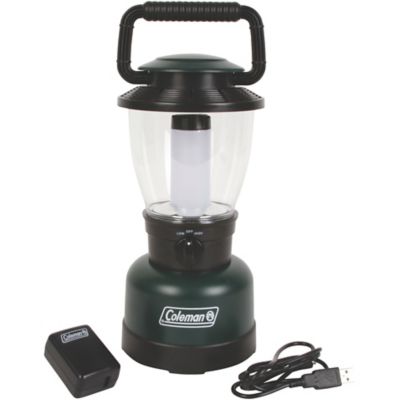
"Light easy to carry and very bright the best light I have definitely should buy"
-
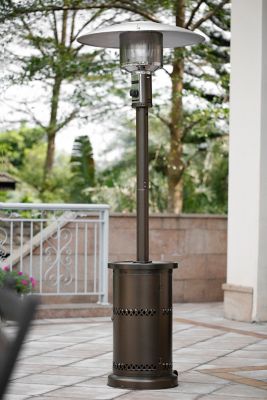
"I absolutely love this heater. Not difficult to assemble. It produces plenty of heat"
-
"We love our new Gazebo. It looks so nice and is made well"