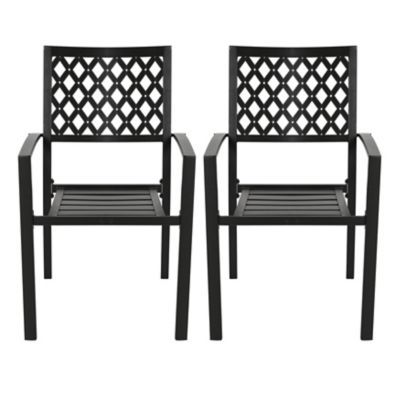
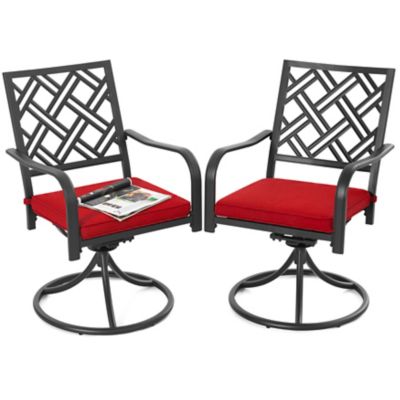
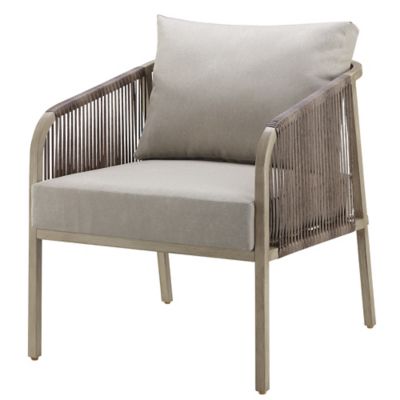
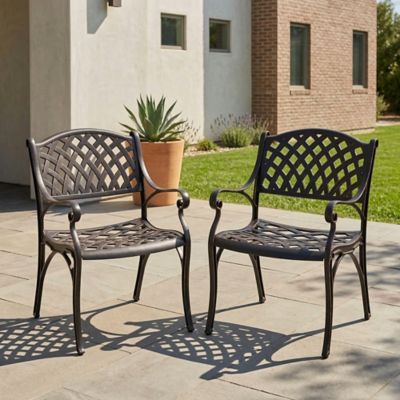
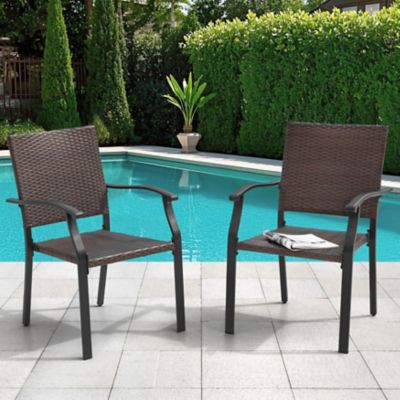
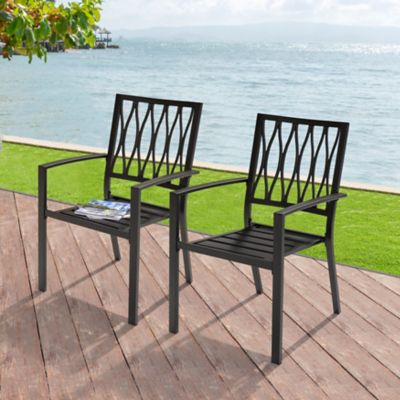
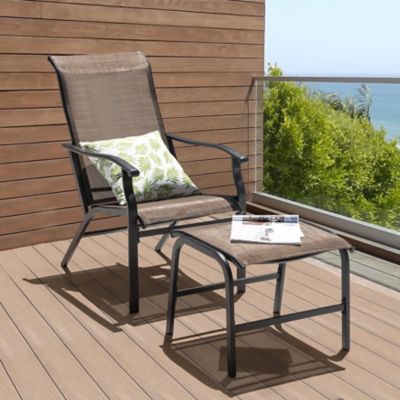
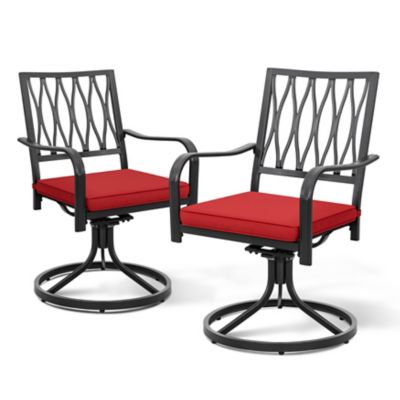
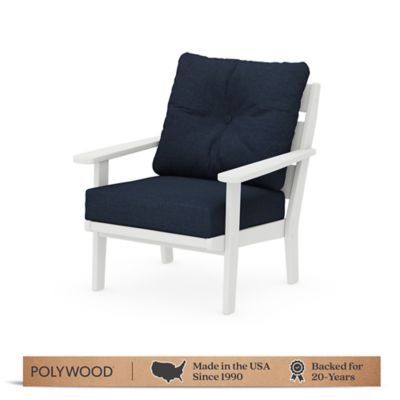
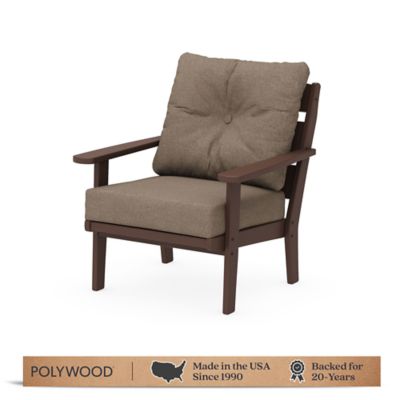
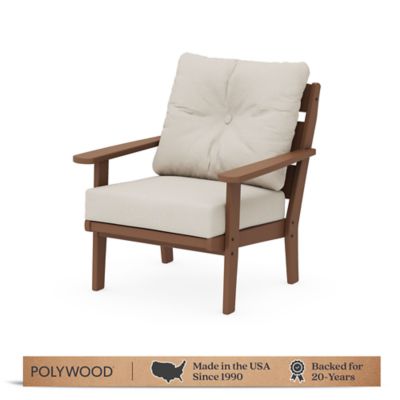
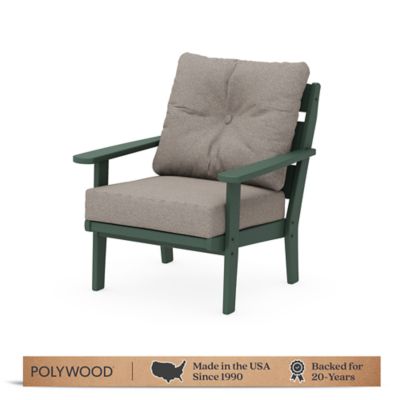
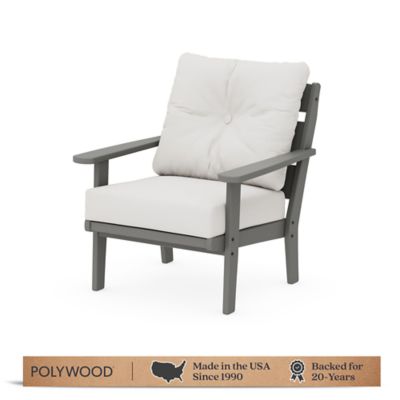
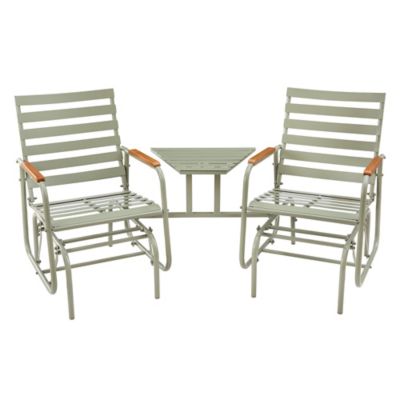
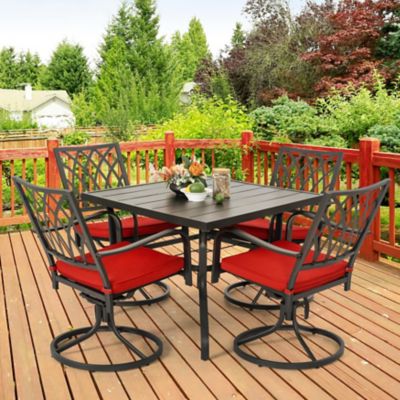
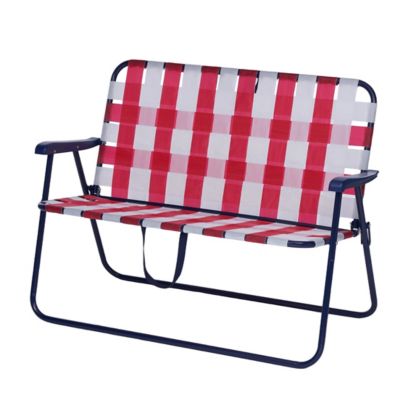
Patio lounge chairs bring laid-back seating to a 4th of July gathering, whether the plans include a backyard cookout, a family visit or a quiet stretch on the porch after the chores are done. These outdoor chairs give folks room to lean back, stretch their legs and settle in for more than a quick sit. Different lounge designs suit different ways of relaxing: a chaise provides a longer seat with support beneath the legs, a reclining chair offers an adjustable back, and a zero-gravity style can raise the feet as the seat tilts back. The right fit depends on both the person sitting down and the space around the chair. Seat width, back height and overall length matter, especially for taller adults or anyone who prefers a little extra elbow room. A lower seat may feel comfortable for stretching out, while a higher seat with supportive armrests may make sitting down and standing up easier. Weight capacity and adjustment settings belong in that decision, too; the manufacturer’s specifications provide the details for each design. On a narrow porch, a chair’s upright footprint tells only part of the story. A reclined back or extended footrest needs additional clearance, and there should still be room to walk past without stepping over someone’s feet. A broad patio can accommodate longer chaises, while a compact landing may call for seating that folds or stays mostly upright. Folding construction can also make sense when the same space serves several purposes, from a holiday gathering to an everyday spot for taking off muddy boots. For couples sharing a porch, matching seat heights can make conversation feel more natural. For a parent or grandparent who enjoys reading outside, comfortable arm placement and an easy-to-reach reclining adjustment may matter more than a sprawling seat. Patio lounge seating can make a thoughtful housewarming or family gift when the recipient’s space, storage room and preferred sitting position are part of the choice.
Frame and seating materials shape how patio lounge chairs feel, how much effort they take to move and what care they need over time. Aluminum frames are generally lighter than comparable steel designs and resist rust, which can be helpful when chairs move between a patio and a storage area. Steel often brings more weight and a substantial feel, though scratches in a protective finish can expose the metal to corrosion. Weight alone does not determine stability; frame construction, the chair’s footprint and the surface beneath it all play a part. Wood offers a natural look that fits comfortably beside porch posts, garden beds and a gravel path, but its upkeep depends on the wood species and finish. Some wood furniture needs periodic cleaning and refinishing according to the manufacturer’s directions. Resin frames and synthetic woven seating offer other options, with care requirements that vary by construction and exposure. Fabric slings support the body without a thick cushion, and open-weave fabrics may shed water and dry more readily than heavily padded seating. Cushions add softness, but their fabric, seams and filling affect how they handle moisture. Water-resistant fabric is not the same as waterproof construction, so a cushion left through a downpour may still need time to dry thoroughly. Removable covers can simplify cleanup when their care labels allow washing; other fabrics call for spot cleaning with a recommended cleaner. Around a cookout, barbecue sauce, sunscreen and tracked-in dirt are more likely concerns than a picture-perfect patio. A chair with accessible surfaces and fewer places for debris to collect can be easier to keep tidy. Sun exposure matters as well, since fabrics can fade and some surfaces can become hot to the touch. Shade helps make the seat more comfortable, while covers and sheltered storage can limit exposure between gatherings. Matching a cover to the chair’s full dimensions, allowing damp seating to dry before covering it and keeping joints free of grit all help support a longer service life.
A comfortable outdoor seating area leaves room for the gathering to unfold without making every trip across the patio an obstacle course. For a 4th of July cookout, lounge chairs fit best where people can visit without crowding the grill, blocking a doorway or sitting in the main path between the house and the yard. A firm, level surface helps keep chair feet steady and reclining mechanisms working as intended. Wide gaps between deck boards, uneven pavers and soft ground can affect how a chair sits, particularly when someone leans back or shifts their weight. Designs with locking adjustments should be set according to their instructions before someone settles in, and folding joints deserve extra attention around small children. A nearby table gives a glass of iced tea, a book or a pair of glasses a place to land without balancing them on an armrest. When a patio also needs seating for meals and conversation, the
4th of July Sale on Outdoor Furniture Set page provides a related place to explore outdoor seating arrangements. Lounge chairs do not have to match every piece exactly to feel at home together; similar frame colors, compatible seat heights and fabrics that work well alongside one another can give the space a settled-in look. On a farmhouse porch, that might mean keeping the walkway clear and positioning chairs to face the yard. Beside a pool, moisture exposure and a clear route to the water deserve attention. Under a covered patio, the priority may be enough reclining room without bumping a wall or post. The most comfortable arrangement respects how the space actually works, including where people enter, where food is served and where seating goes when it is time to put it away. With the right dimensions, sensible material choices and manageable care needs, patio lounge chairs can serve holiday get-togethers and the everyday breaks in between.