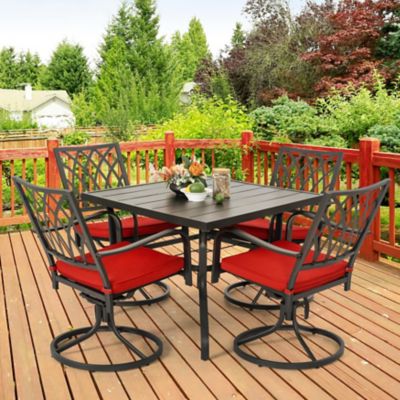
4th Of July Sale On Patio Chairs
Get ready to kick back and celebrate with unbeatable deals during our 4th of July sale on patio chairs. Whether you're hosting a backyard barbecue or just soaking up the summer sun, it's the perfect time to upgrade your outdoor seating. Enjoy the holiday in comfort and style while saving big on chairs that fit any porch, patio, or fire pit hangout. Don’t miss out—these savings are as hot as a July afternoon!
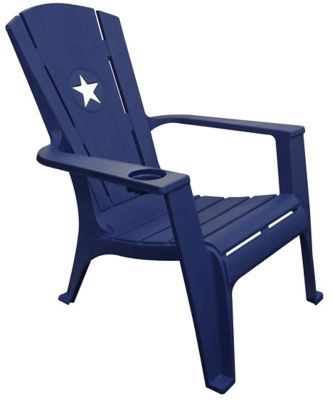
$12
.49
Sale Was $24.99 Save $12.50 (50%)
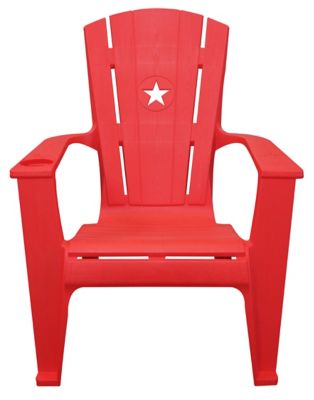
$12
.49
Sale Was $24.99 Save $12.50 (50%)
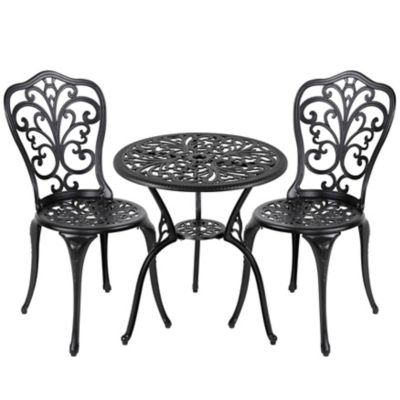
$153
.99
Sale Was $199.99 Save $46.00 (23%)
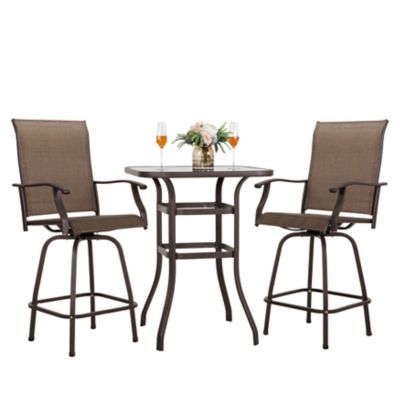
$217
.99
Sale Was $299.99 Save $82.00 (27%)
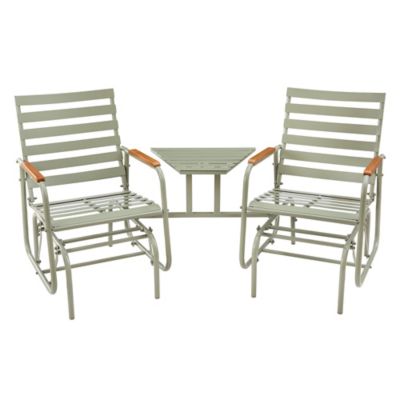
$149
.99
Sale Was $299.99 Save $150.00 (50%)
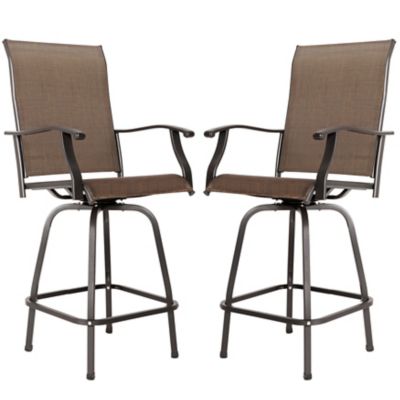
$138
.99
Sale Was $199.99 Save $61.00 (31%)
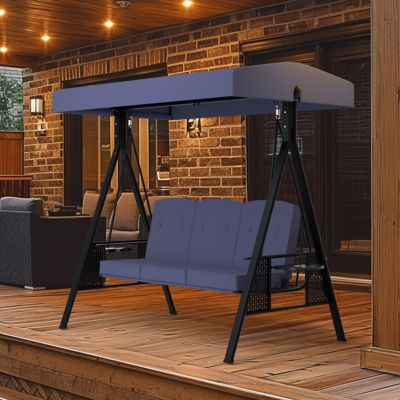
$260
.99
Sale Was $299.99 Save $39.00 (13%)
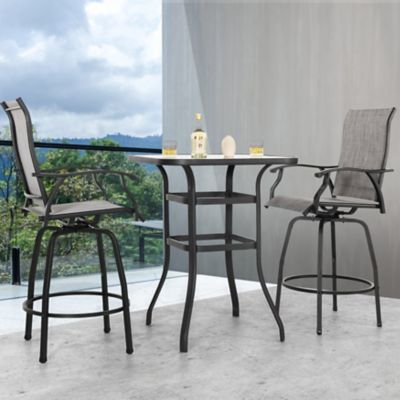
$215
.99
Sale Was $299.99 Save $84.00 (28%)
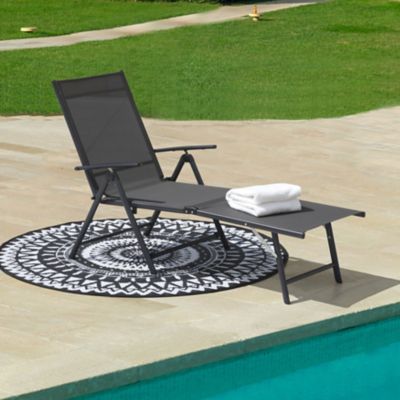
$57
.99
Sale Was $89.99 Save $32.00 (36%)
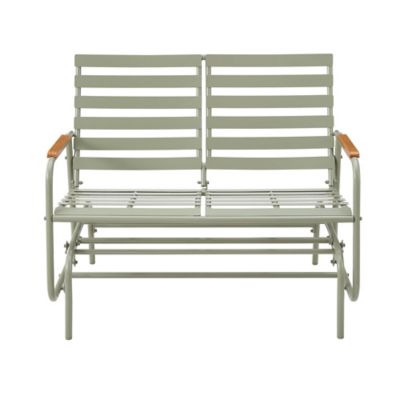
$99
.99
Sale Was $199.99 Save $100.00 (50%)
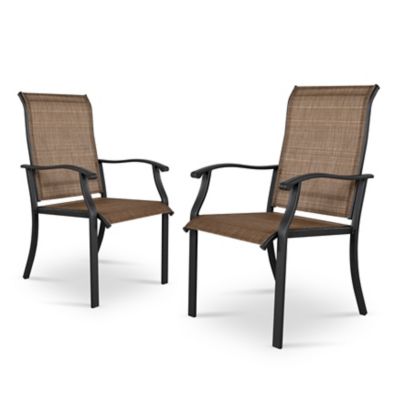
$103
.99
Sale Was $159.99 Save $56.00 (35%)
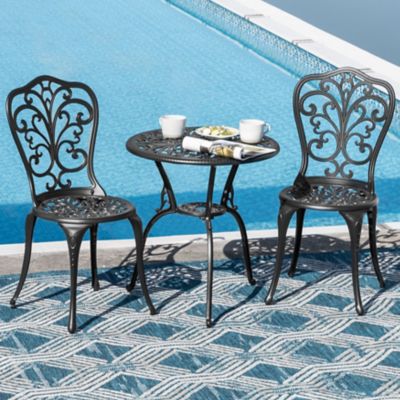
$150
.99
Sale Was $179.99 Save $29.00 (16%)
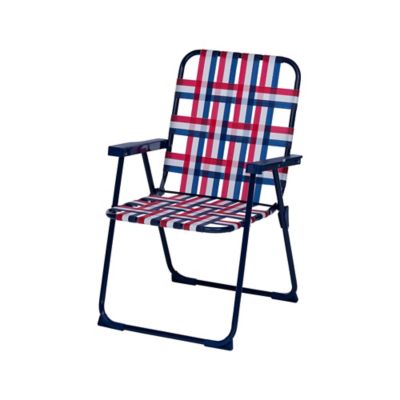
$14
.99
Sale Was $24.99 Save $10.00 (40%)
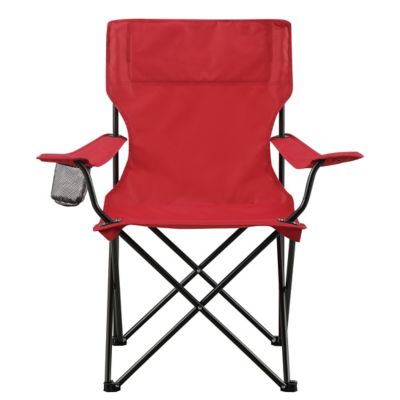
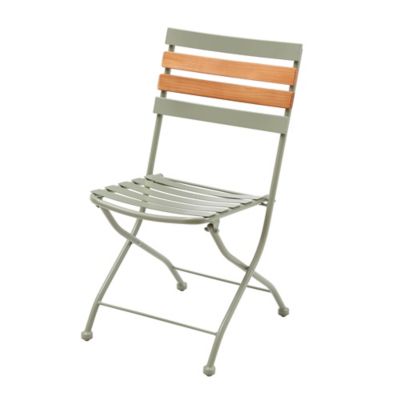
$24
.99
Sale Was $49.99 Save $25.00 (50%)
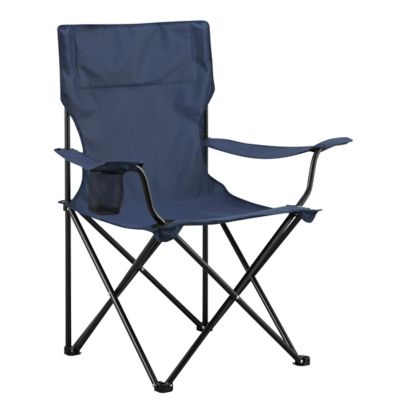
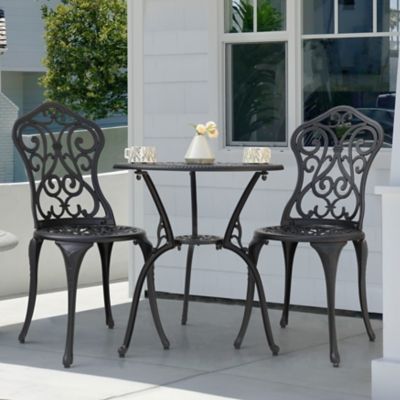
$134
.99
Sale Was $169.99 Save $35.00 (21%)
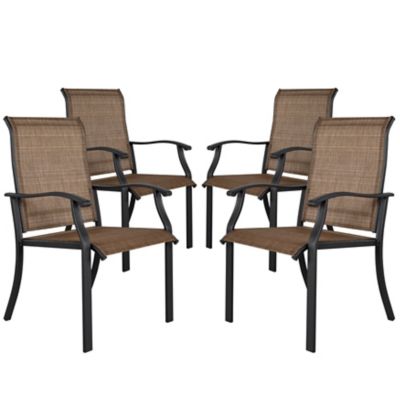
$183
.99
Sale Was $249.99 Save $66.00 (26%)
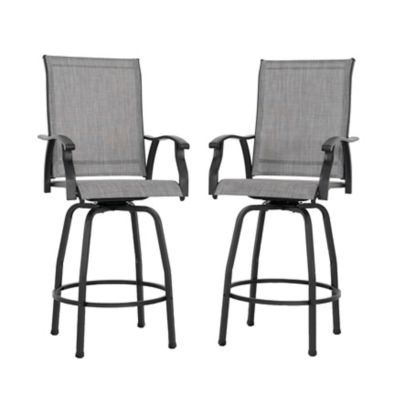
$139
.99
Sale Was $179.99 Save $40.00 (22%)
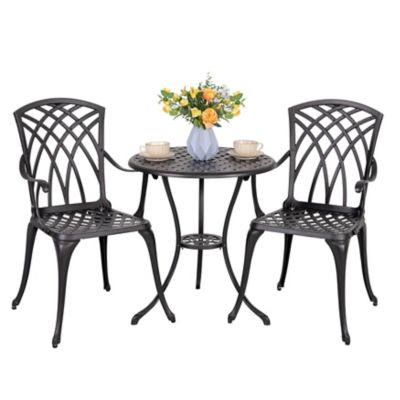
$180
.99
Sale Was $199.99 Save $19.00 (10%)
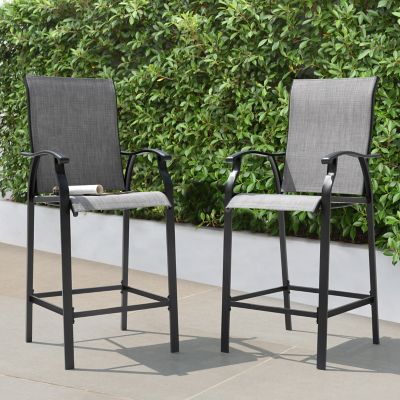
$111
.99
Sale Was $179.99 Save $68.00 (38%)
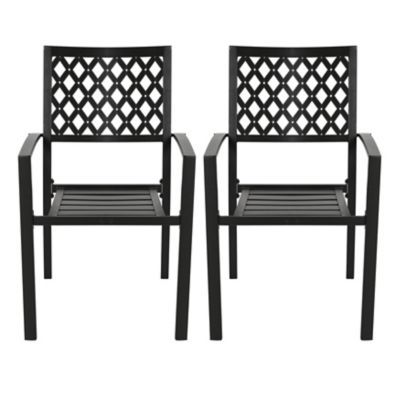
$94
.99
Sale Was $129.99 Save $35.00 (27%)
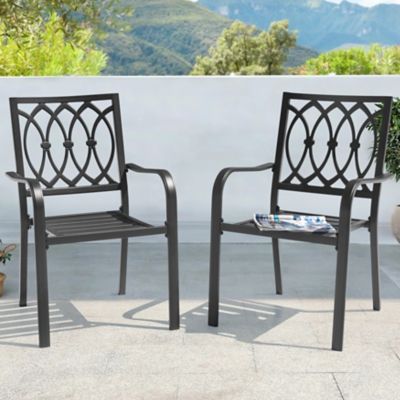
$104
.99
Sale Was $139.99 Save $35.00 (25%)
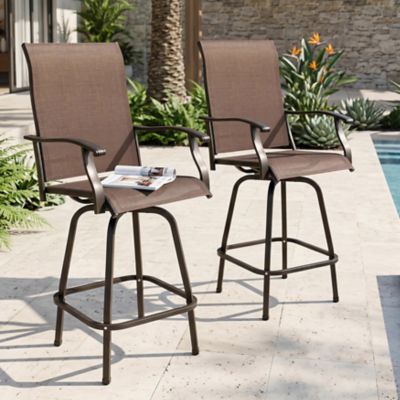
$116
.99
Sale Was $139.99 Save $23.00 (16%)
Best Of FAQ
What types of patio chairs are popular for Fourth of July celebrations?
Popular patio chair styles for Fourth of July gatherings include Adirondack chairs, folding lawn chairs, rocking chairs, and cushioned lounge chairs. These options provide comfort and durability for outdoor festivities.
How can I choose the best patio chair material for summer use?
When selecting patio chairs for summer, consider materials like weather-resistant wicker, powder-coated metal, or treated wood. These materials withstand outdoor conditions and are easy to clean after parties and barbecues.
Are there patio chairs that are easy to move or store for holiday events?
Yes, many patio chairs are designed to be lightweight or foldable, making them easy to rearrange or store when hosting guests during holiday events like the Fourth of July.
What features should I look for in patio chairs for entertaining guests?
Look for features such as comfortable cushions, armrests, cup holders, and stackable designs. These features enhance guest comfort and make setup and cleanup more convenient during gatherings.
How can I decorate my patio chairs to match a Fourth of July theme?
You can add festive flair by using red, white, and blue cushions or throws, attaching patriotic ribbons or banners, and incorporating themed pillows to create a celebratory atmosphere on your patio.
Best Sellers
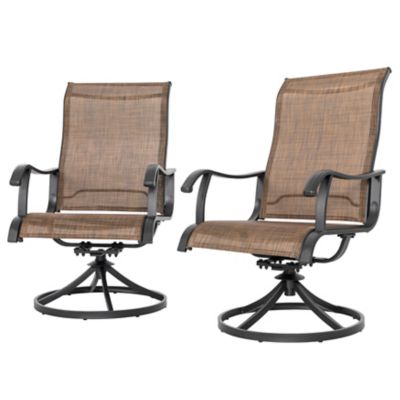
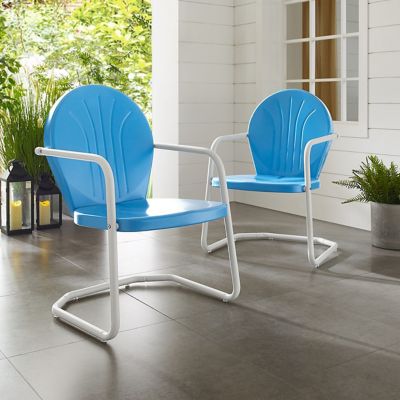
-
"Love the chairs!! Very sturdy and great quality made"
-
"It looks great and was easy to assemble. Feels sturdy, made of quality materials"
-
"The chairs are great. We purchased them to match the 2 pc. swivel dining chairs"