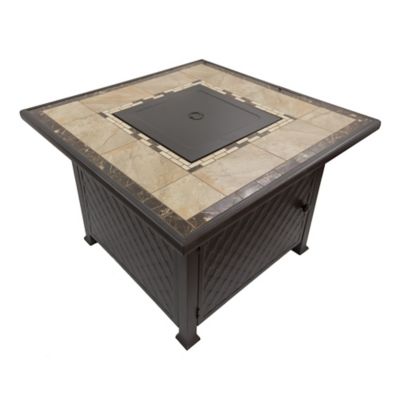
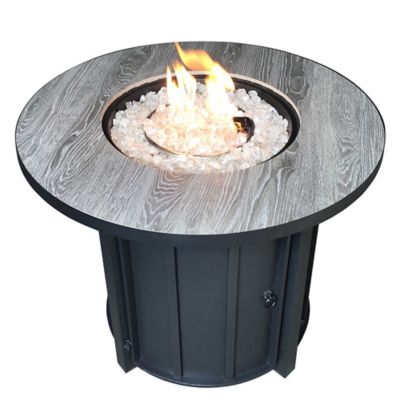
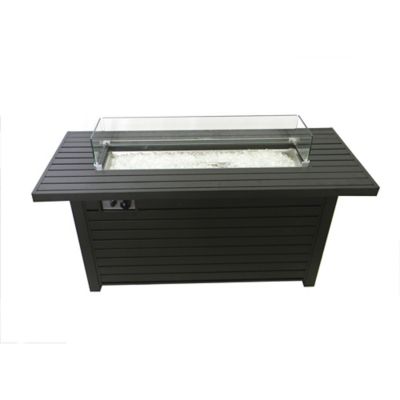
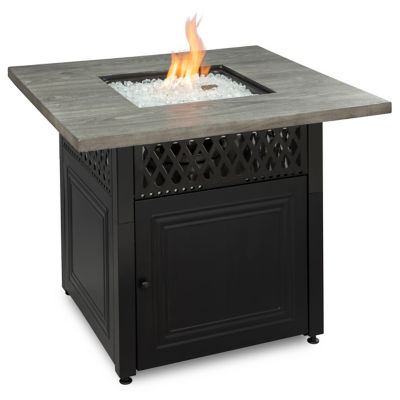
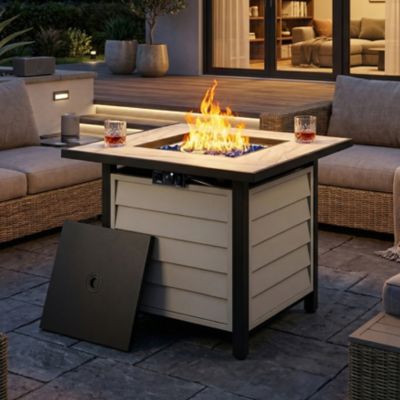
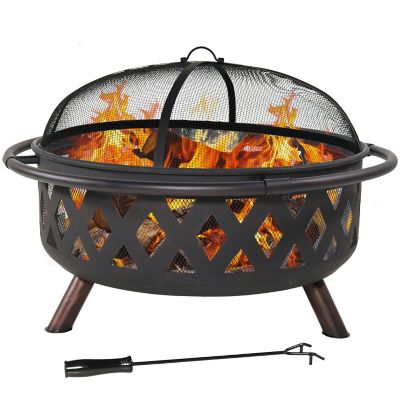
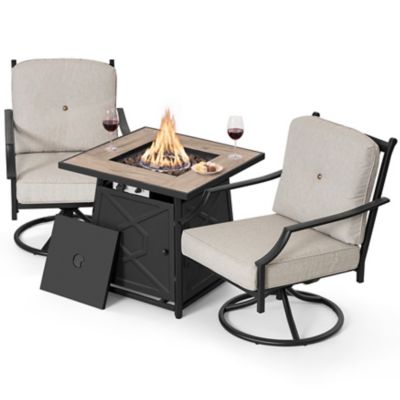
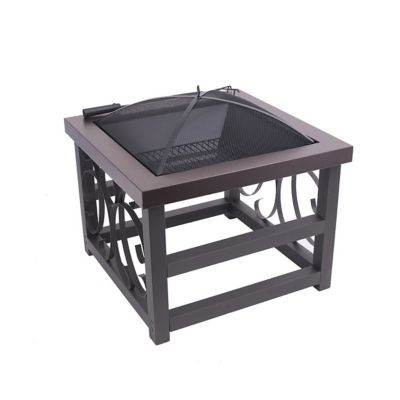
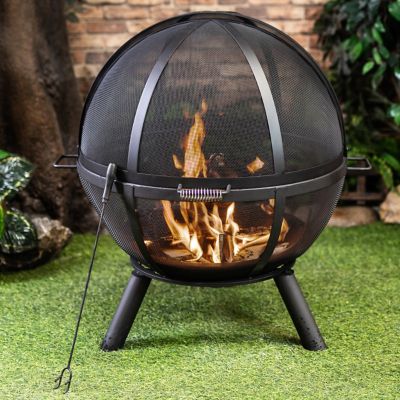
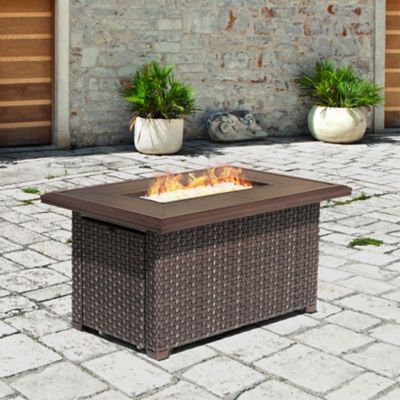
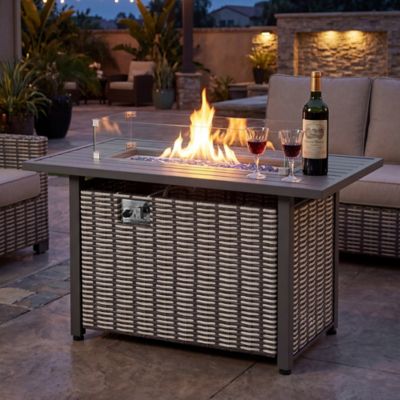
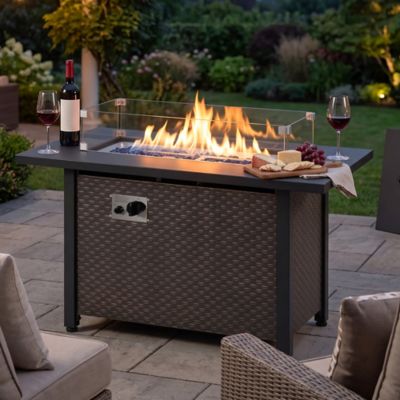
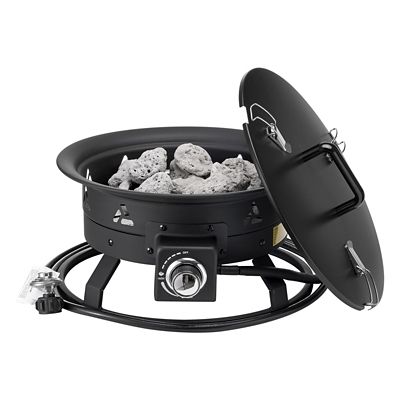
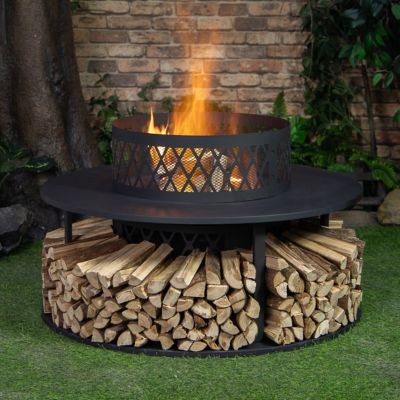
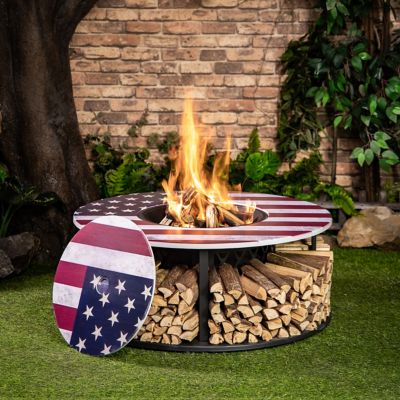
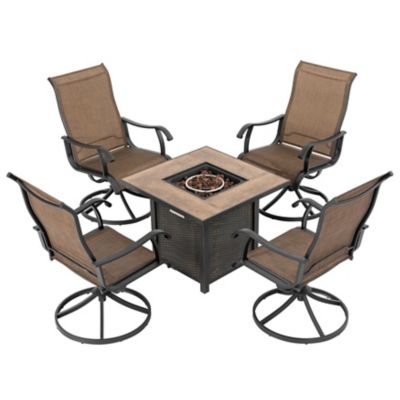
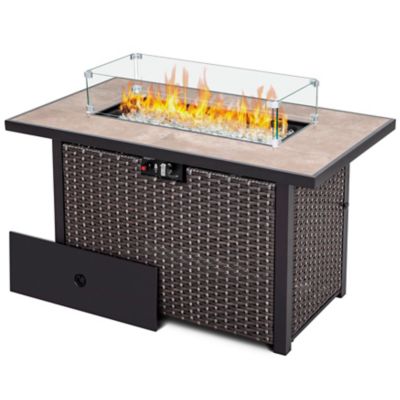
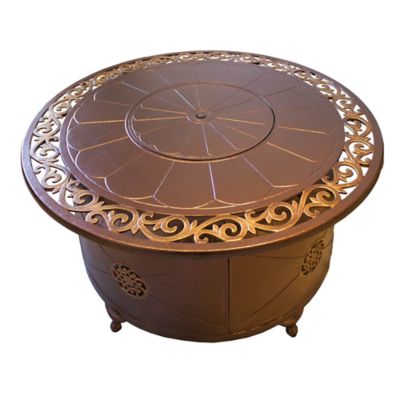
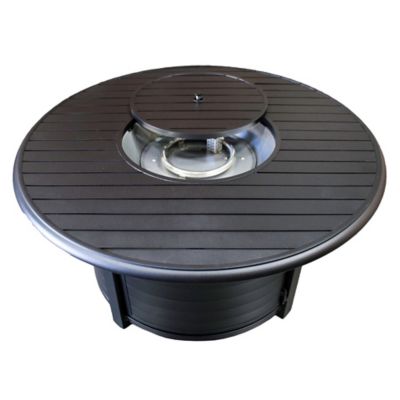
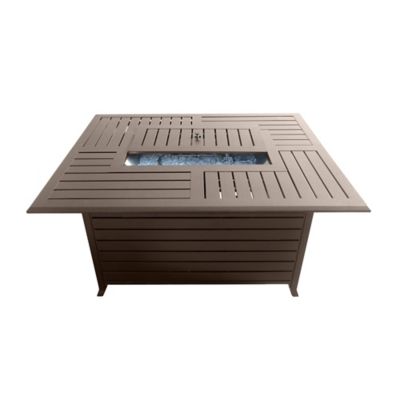
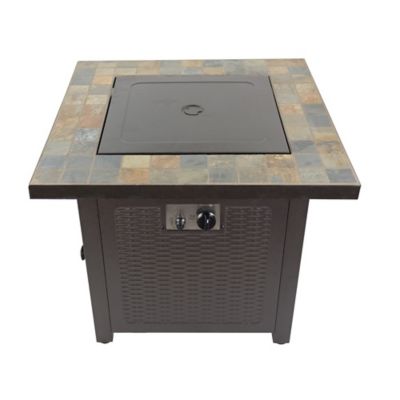
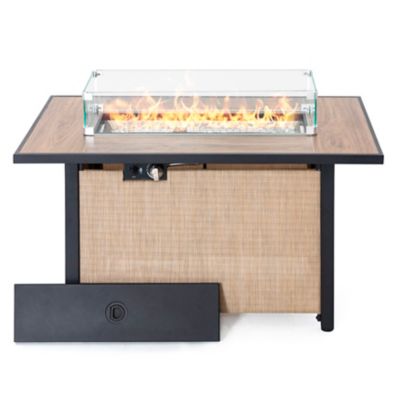
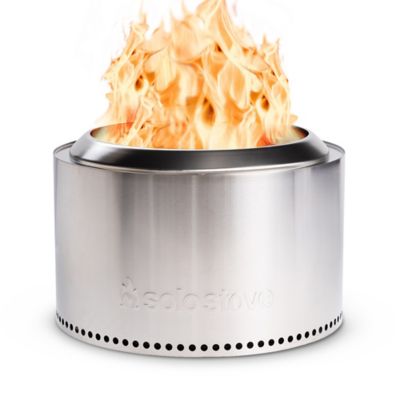
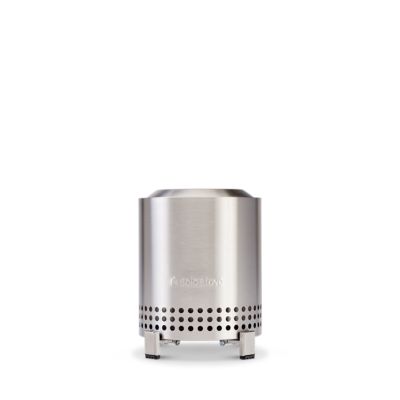
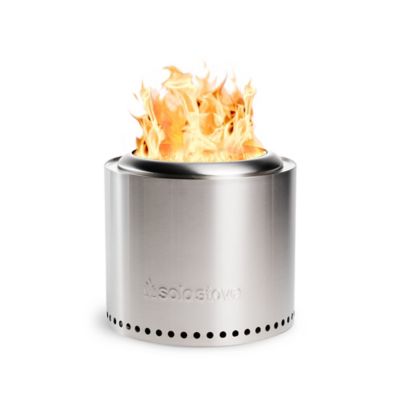
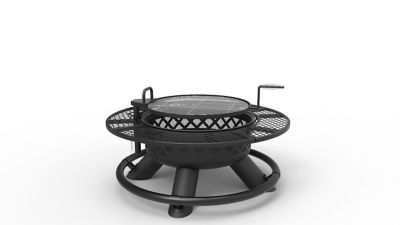
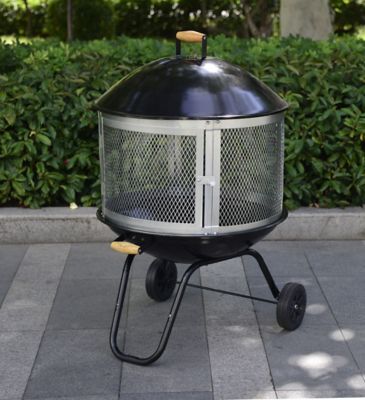
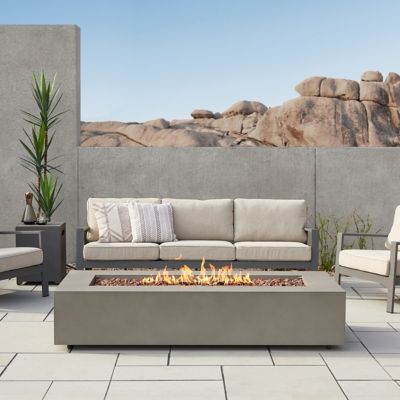
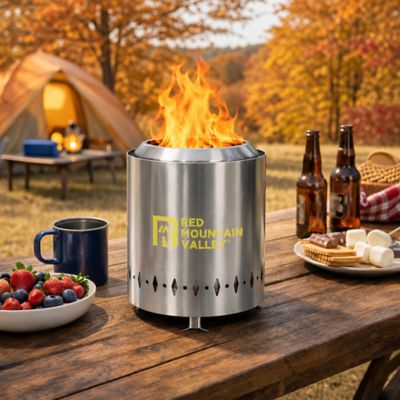
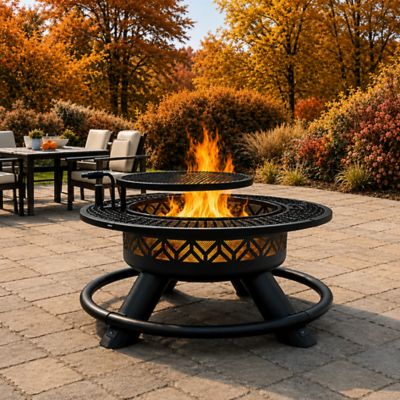
A patio fire pit gives an outdoor seating area a natural gathering point, with a visible flame that draws folks away from separate chairs and into the same conversation. The glow can soften the look of a concrete patio, bring attention to a stone gathering space, or make a simple arrangement of benches feel more inviting. Fire pit tables, freestanding bowls, and portable designs serve different spaces, so the shape and fuel source matter as much as the appearance. Propane fire pit tables pair a controlled gas flame with a surrounding ledge that can hold a drink or small plate where the manufacturer permits. Many propane designs include adjustable flame controls and push-button ignition, while tank placement varies between an enclosed compartment and a separate location connected by an approved hose. Wood-burning fire pits offer the crackle, scent, and hands-on tending that some people want from an outdoor fire. They also call for firewood storage, ash cleanup, and attention to smoke. Designs described as smokeless generally manage airflow to support more complete combustion; they do not eliminate smoke under every condition, especially during lighting or when burning damp wood. A compact bowl can suit a smaller gathering spot, while a broader fire table can anchor a conversation area with several chairs. Portable fire pits may appeal to campers or people who rearrange their outdoor space, provided the destination allows fires and the equipment matches the setting. For a couple sharing a quiet evening, a family settling in after chores, or neighbors catching up across the flame, the best fit comes from matching the fire pit to the way the space actually works. Heat is strongest near the unit, so an outdoor fire pit is better understood as a gathering feature with localized warmth than as a way to heat an entire yard. The flame, seating arrangement, and room to move around all contribute to a patio glow that feels welcoming without crowding the space.
Materials and construction affect how a patio fire pit looks, how much it weighs, and what kind of care it needs over time. Steel supports a wide range of bowl and table shapes, but exposed scratches may develop rust if the finish no longer protects the metal. Stainless steel can resist corrosion, though it still benefits from cleaning and protection from persistent moisture. Cast iron has a substantial feel and holds heat after the flame dies down, making both its weight and its cooling time worth considering. Aluminum frames are generally lighter and resist rust, while concrete and stone-look surrounds can bring a solid, grounded appearance to a seating area. The outer material alone does not tell the whole story: burner construction, fasteners, drainage, finish coverage, and access to serviceable components also affect long-term upkeep. Dimensions deserve a close look beyond the overall width. A tall fire table sits differently beside upright dining chairs than a low bowl does beside lounge seating, and a wide rim takes up floor space even when the burner itself is small. Leave room for people to pull out a chair and walk past without brushing against the unit or stepping over a fuel hose. Placement depends on an open-air setting, a stable base approved for the unit, and the manufacturer's required clearances from structures, overhead obstructions, furniture, and combustible materials. A heat shield or mat does not cancel those requirements. Local fire restrictions, property rules, and fuel-storage requirements matter, too. Around children and pets, the layout should make it easy for an adult to supervise and keep curious hands and paws away from hot surfaces. Cooking is another separate consideration: only a fire pit specifically designed and approved for food preparation should serve that purpose. A gas fire table with glass media is not automatically suitable for roasting marshmallows, and food drippings can foul components that were never intended to handle them.
Regular care helps a fire pit stay ready for the next gathering without turning upkeep into a major chore. Once the unit is fully cool, routine cleaning should follow the instructions for its particular metal, finish, burner, and surround. Wood ash needs prompt attention because it can hold moisture against the fire bowl; fully extinguished ash belongs in a metal container with a tight-fitting lid, away from structures and combustible materials. Gas fire pits need clear burner openings, unobstructed ventilation, and hoses kept away from heat, sharp edges, and foot traffic. Fire glass, lava rock, and other burner media must be approved for the appliance and arranged as directed, rather than piled over ignition components or substituted with stones from the yard. A properly fitting cover can help limit dirt and moisture exposure, but it should go on only after the fire pit has cooled completely. Covers also need enough room to fit without pulling against corners, controls, or a raised wind guard. For propane models, access to the cylinder compartment makes routine checks and tank changes less awkward, especially when the table sits among several chairs. Fuel cylinders require storage and handling according to the manufacturer’s directions and local requirements. Replacement gas valves, thermocouples, regulators, and ignition components need to match the exact appliance specifications; appearance alone is not enough to establish compatibility. Gas-system diagnosis and repairs belong with a qualified professional when the manufacturer calls for service. For gift giving, a fire pit can suit a homeowner who enjoys hosting, someone furnishing a first outdoor seating area, or a family that already gathers around a backyard fire. Knowing the recipient’s space, preferred fuel, and ability to move or maintain the unit matters more than choosing the largest design. For celebration-ready gathering spots, browse the
Outdoor Holiday Fire Pit page alongside everyday patio fire pit options. A thoughtful match leaves room for comfortable seating, manageable cleanup, and plenty of conversation around the glow.