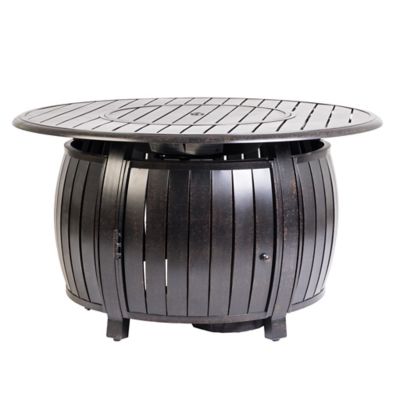
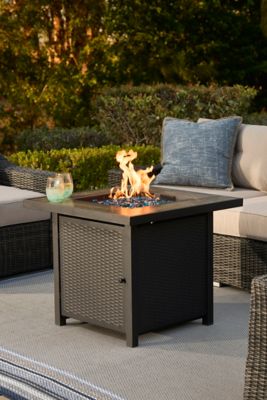
An outdoor holiday fire pit gives folks a place to gather when the air turns crisp, whether the evening follows a family meal, a round of caroling, or a quiet stretch after the chores are done. The glow brings a welcoming feel to a backyard or open patio, with room for conversation, warm drinks, and a little time away from the bustle indoors. Outdoor fire pits range from open wood-burning bowls to enclosed designs and propane fire tables, and each brings a different feel to a holiday get-together. Wood-burning fire pits offer the crackle, scent, and shifting flames of a traditional backyard fire. They suit households that have a place to keep seasoned firewood and don't mind tending the flames or cleaning out cold ash afterward. Propane fire pits offer adjustable flames and no firewood ash, making them a practical fit for hosts who prefer less tending while visiting with guests. Their tank placement, fuel connections, and ignition system all factor into how they fit a gathering space. Size matters beyond the width of the bowl: chairs, walking paths, and the manufacturer's required clearances need room, too. A broad, open yard may accommodate a larger gathering area, while a smaller patio calls for closer attention to the fire pit's footprint and heat output. For a compact outdoor setting, a
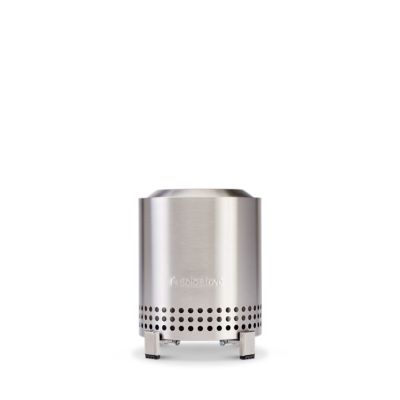
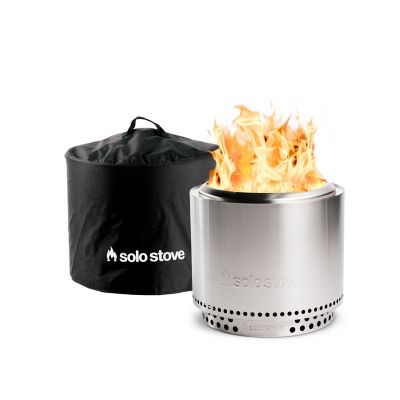
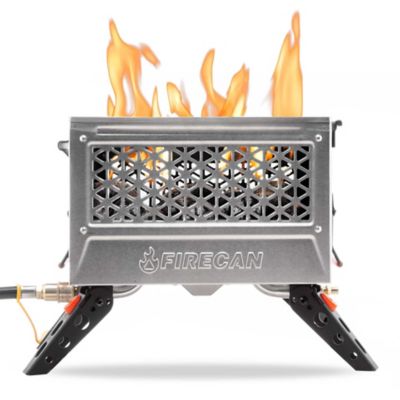
Mini Fire Pit may offer a smaller focal point, though its approved placement and clearance requirements still matter just as much. Smaller flames generally provide a different experience than a full-size backyard fire, so the intended use should lead the choice. A fire pit meant mainly for atmosphere during a holiday visit doesn't have to serve the same purpose as one intended to put out substantial heat on chilly evenings. Wind, seating distance, and the openness of the yard also affect how much warmth reaches the folks sitting nearby.
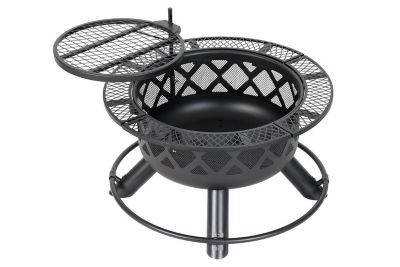
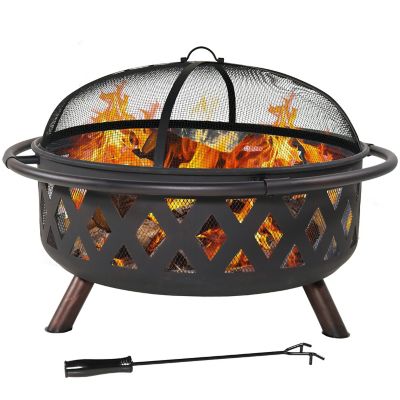
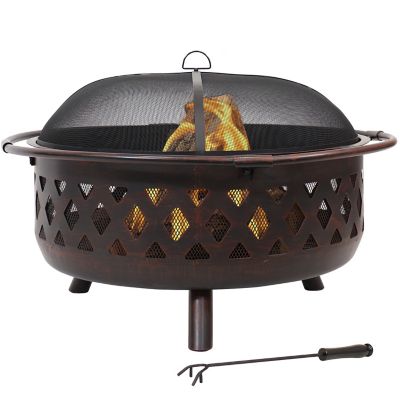
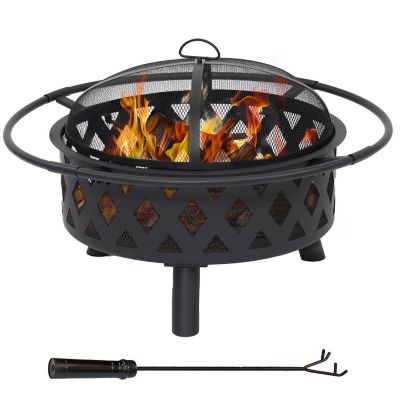
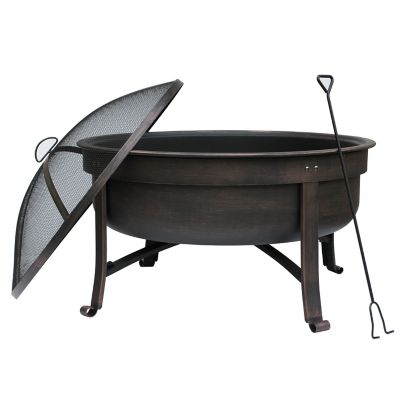
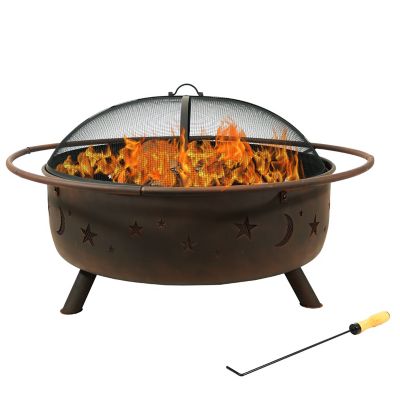
Materials and construction make a difference in how an outdoor holiday fire pit handles heat, weather, and regular movement around the property. Steel fire pits come in a range of weights and finishes, with lighter designs often easier to carry between an approved gathering spot and storage. Heavier steel and cast iron can take more effort to reposition, especially when the ground is uneven or the route crosses gravel. Cast iron holds heat after the flames settle, which makes cooling time an important part of putting the evening to bed. Stainless steel resists corrosion, but it can still show heat discoloration and needs cleaning and protection suited to its finish. Some weathering steel designs develop an intentional surface patina; runoff from that process can mark the surface beneath them. Painted and coated metal needs care that matches the manufacturer's directions, since scratches and prolonged moisture exposure can leave metal vulnerable to rust. Beyond the material itself, a steady base, well-fitting parts, and access to the fire chamber or fuel controls affect everyday handling. A removable ash pan can simplify cleanup, while a fitted spark screen helps contain some escaping embers without eliminating the need for clearance and supervision. Double-wall wood-burning designs can reduce smoke once the fire is established and burning as intended, but smokeless does not mean smoke-free. Dry fuel, proper loading, and unobstructed airflow remain important. Fire tables may provide a surrounding ledge for entertaining, but only the portions designated by the manufacturer should hold drinks or other objects. For families picturing marshmallows after a holiday supper, cooking compatibility deserves a close look. Not every fire pit is intended for food preparation, and a cooking grate or roasting accessory should match the unit's approved use. Bowl depth, fuel capacity, and the size of the fire opening also influence tending and cleanup. Those details often matter more over a full evening than an eye-catching silhouette alone.
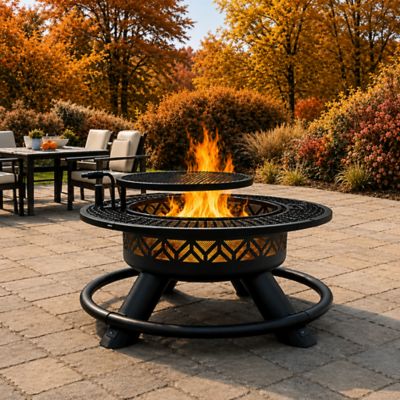
An outdoor fire pit fits holiday hosting best when its surroundings are as thoughtfully arranged as the seating indoors. A level, noncombustible surface and the manufacturer's specified separation from buildings, fences, railings, and overhead branches are essential. A patch of bare ground isn't automatically suitable if dry grass, roots, or fallen leaves are close by, and a stone pad doesn't make an otherwise restricted location safe. Wood decks, covered porches, and enclosed spaces need particular caution; a pad alone does not make a fire pit appropriate for those settings. Outdoor-only fire pits belong outdoors, never in a garage, barn, or other enclosed shelter while burning or cooling. Local burn restrictions and changing wind conditions can also determine whether a planned fire belongs on the evening's schedule. For wood-burning designs, dry, seasoned firewood supports a steadier burn with less smoke than damp wood. Wrapping paper, shipping boxes, treated lumber, and holiday greenery don't belong in the fire. Keeping children and pets back from hot surfaces, leaving clear paths around chairs, and having suitable extinguishing supplies nearby help make the gathering easier to manage. Afterward, ash can conceal hot embers long after the glow disappears, so disposal calls for a metal container with a tight-fitting metal lid, set outdoors on a noncombustible surface away from combustible materials. Weather care matters between gatherings, too. Once the fire pit is fully extinguished and completely cool, a properly fitted cover can help keep out rain, snow, and debris; drainage openings should remain clear so moisture doesn't collect inside. Propane connections and burner areas need the inspections and cleaning specified in the owner's manual, and propane cylinders belong outdoors in an upright position, not in indoor storage. As a holiday gift, a fire pit makes the most sense for someone with an appropriate outdoor space and an interest in tending a fire. The right match accounts for lifting weight, storage room, fuel preference, and whether the recipient enjoys a lively family circle or a quiet pair of chairs under the evening sky.