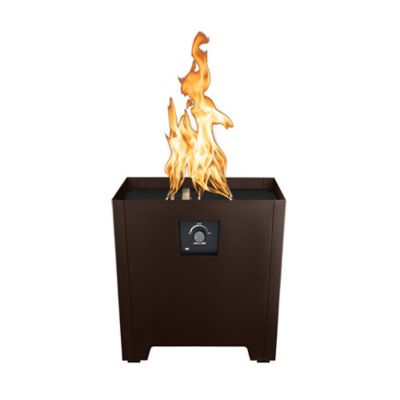
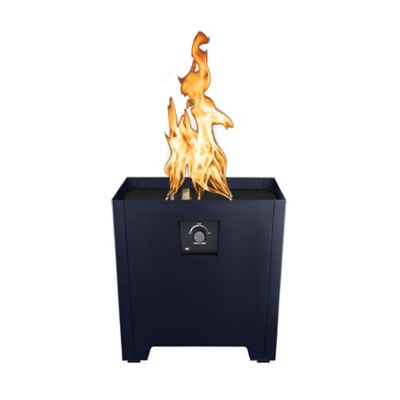
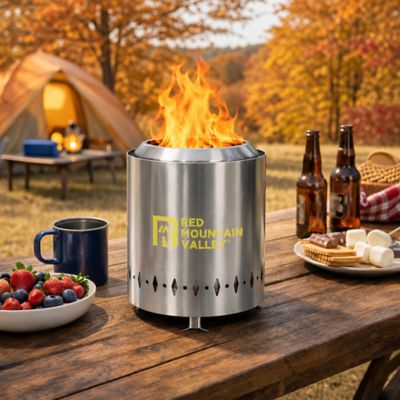
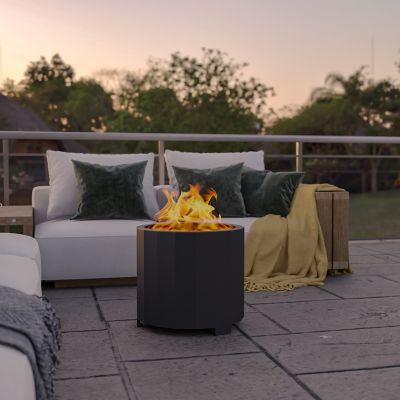
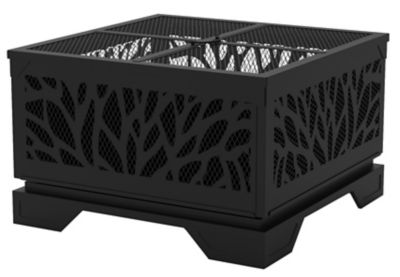
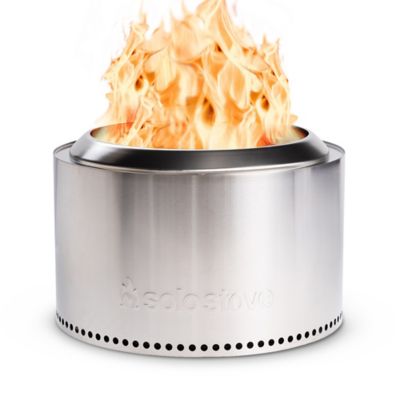
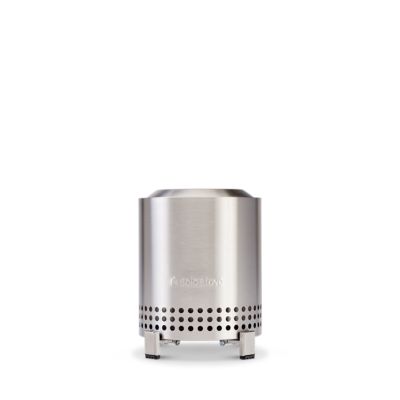
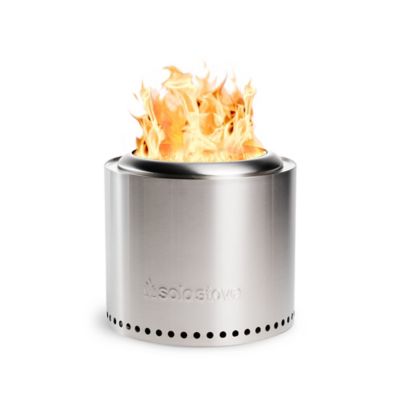
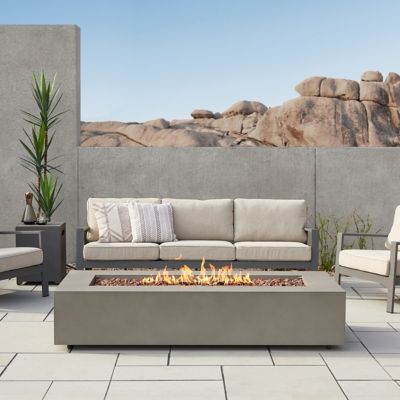
Patio portable fire pits give an outdoor sitting area a gathering spot without the permanent footprint of a built-in fireplace. A freestanding bowl or compact fire chamber can suit a paved space behind the house, a seating area near the garden, or a campsite where fires are permitted. Portability makes it easier to put the fire pit away between gatherings or take it along for a weekend away, but the fuel type shapes much of the experience. Wood-burning designs offer the crackle, scent, and glowing coals of a traditional fire. They need suitable firewood, room for tending the fire, and ash cleanup afterward. The appeal of
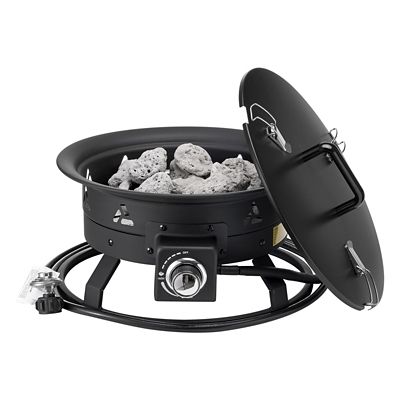
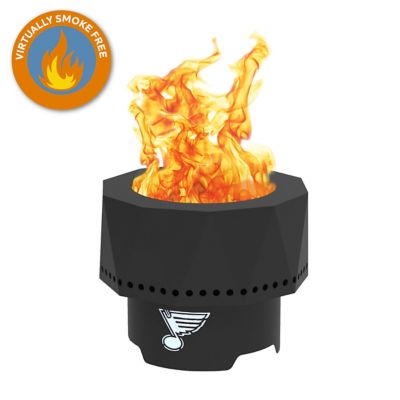
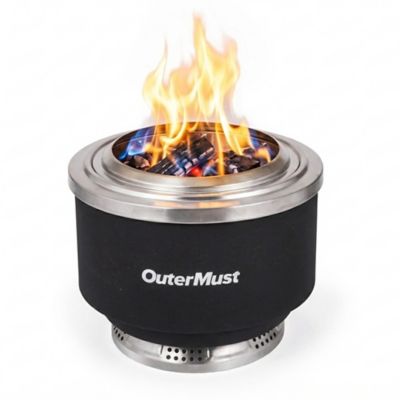
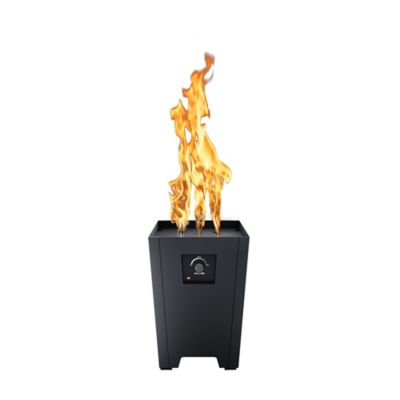
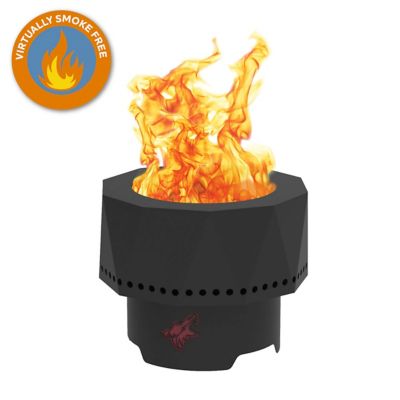
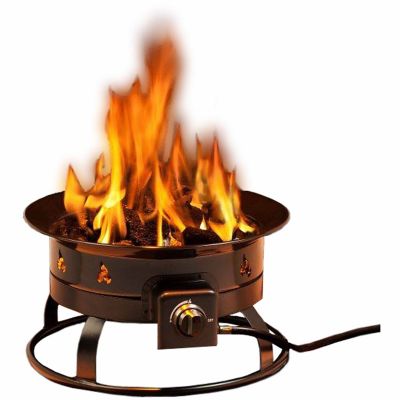
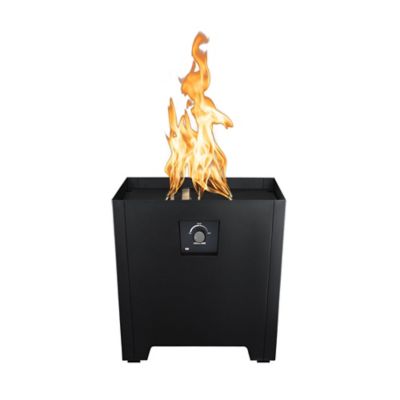
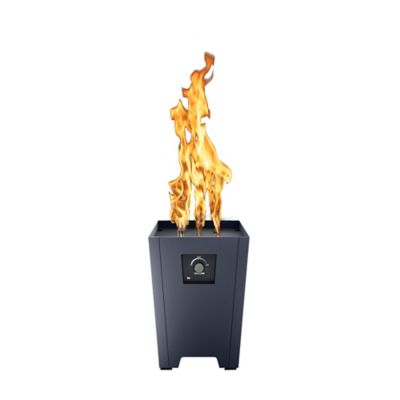
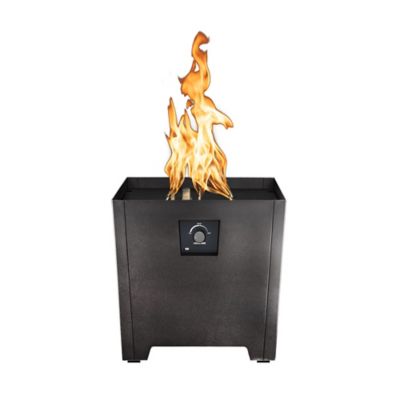
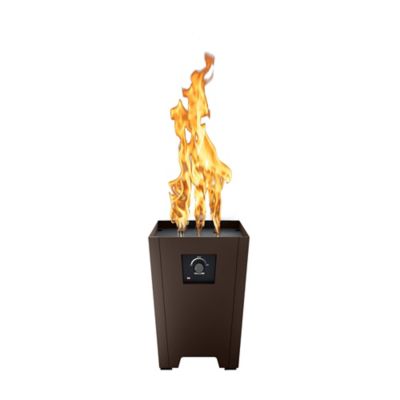
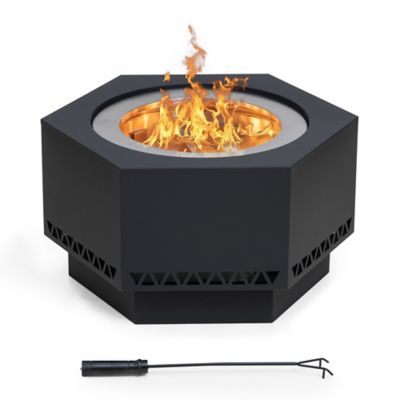
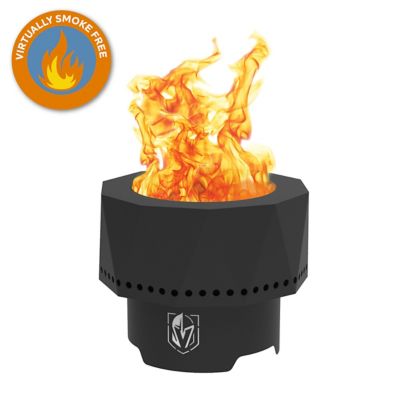
patio wood burning fire pits is especially strong for folks who enjoy settling into a chair after chores and watching a small fire burn down. Propane fire pits take a different approach, with a burner connected to a compatible fuel cylinder and a flame that can usually be adjusted with a control knob. They do not leave wood ash behind, and shutting off the fuel stops the flame, although the burner and surrounding surfaces remain hot afterward. Propane also avoids the smoke associated with burning logs, but these fire pits still require outdoor ventilation and clearance from combustible materials. Neither fuel type is automatically permitted on a deck, balcony, or rental property; manufacturer instructions, property rules, and local fire restrictions all matter. Low-smoke wood-burning designs often have double walls and airflow passages that help burn gases more completely. That can reduce visible smoke once the fire is established, but it does not mean a smoke-free fire under every condition. Dry, seasoned wood and a properly sized fire help these designs perform as intended. Pellets belong only in fire pits expressly designed to burn them. For either fuel type, the best match is one that fits the space, the expected gathering, and the amount of fire tending someone enjoys.
Materials and construction make a difference in how a portable fire pit handles repeated fires, how much it weighs, and how it fits into everyday patio use. Steel is common in fire bowls and fire chambers, with finishes and thicknesses varying by design. Painted or coated steel may need attention if its finish chips or wears away, while stainless steel can develop heat discoloration through normal operation. Cast iron holds heat well but can be heavy to carry and needs protection against rust. A heavier bowl may feel steady in place, yet be less convenient for someone who moves it from the patio to a vehicle on a regular basis. Carrying handles, folding legs, removable components, and fitted carrying bags can make transport simpler, provided the fire pit is completely cool and empty before packing. The listed weight deserves a close look: a propane cylinder, firewood, fire media, and accessories can add to the total load. Size means more than the diameter of the fire bowl, too. The full footprint includes legs, handles, and any separate fuel cylinder, along with the clearances required around and above the fire. A compact model still needs open space away from siding, railings, fences, branches, and overhead coverings. It also needs a stable, level surface approved by the manufacturer. Concrete or pavers may be suitable, but heat can affect surfaces beneath a fire pit, and a protective mat does not make every location acceptable. Combustible decking requires particular caution and explicit approval for the intended setup. Around a chair grouping, leave room for people to stand up and walk past without stepping over a fuel hose or brushing against a hot bowl. A low fire pit can keep the flames in view from seated height, while a wider bowl may better suit several chairs if the patio has enough clearance. Screen covers can help contain larger sparks on compatible wood-burning models, but they do not eliminate escaping embers. Grates and cooking attachments belong only on fire pits approved for that purpose.
Routine care helps keep a portable fire pit ready for the next get-together and makes packing it away less of a chore. With a wood-burning model, removable ash pans and accessible fire chambers can simplify cleanup, though ashes must be completely cool before handling or disposal. Embers can linger beneath the surface long after a fire looks finished. A metal ash container with a lid, kept away from combustible materials, provides a safer place for collected ashes while they finish cooling. Leaving ash in the bowl can trap moisture against the metal, so regular cleanup matters beyond keeping the patio tidy. Air openings also need to stay clear for the fire to burn as intended. Propane models skip the ash bucket but still need attention to the burner, hose, regulator, and connections according to the manufacturer’s directions. Damaged hoses, blocked burner openings, or signs of a gas leak call for stopping operation rather than trying to squeeze in one more gathering. Replacement fire media must be rated for the appliance; ordinary rocks are not a substitute for approved lava rock or fire glass. Once the fire pit is fully cool, a properly fitted cover or carrying bag can help keep dirt and debris out during storage. Propane cylinders need separate attention and should remain upright outdoors in a ventilated location, following the applicable storage requirements. For a household that gathers outside after supper, ease of cleanup may matter as much as the look of the flames. Someone who camps often may care more about packed dimensions and whether one person can comfortably carry the empty unit. A portable fire pit can also make a thoughtful gift for a homeowner or camper whose outdoor space and local rules allow it. Matching the fuel preference, carrying weight, and upkeep to the recipient helps make the gift practical. For families with children or pets, the layout should leave a clear boundary around hot surfaces and keep play away from the fire. A fire pit that fits both the patio and the household’s routine can become a welcome part of evenings spent talking, resting, and enjoying time outside.