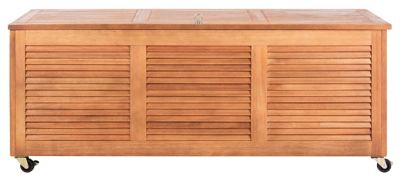
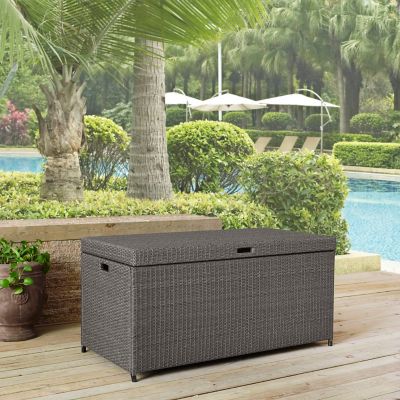
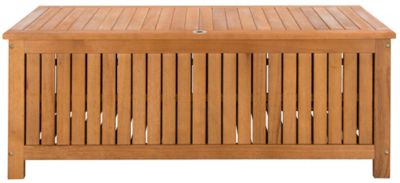
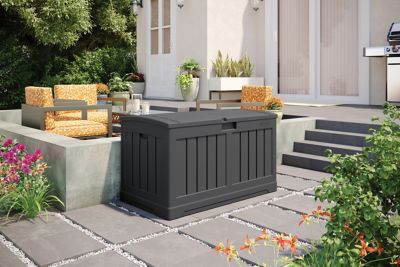
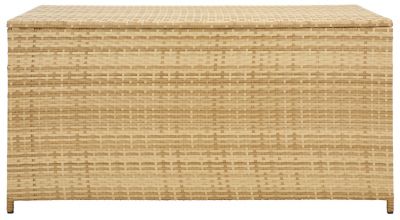
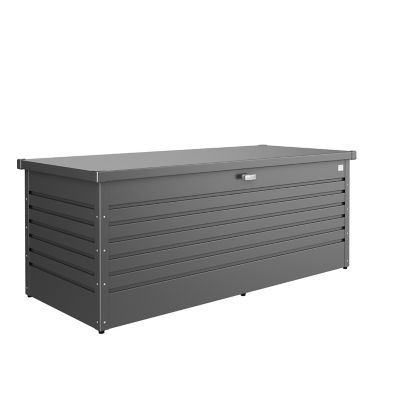
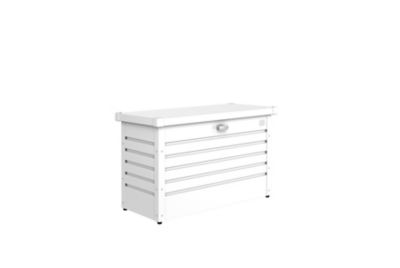
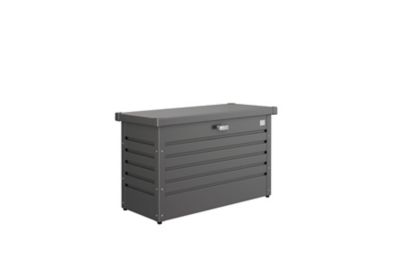
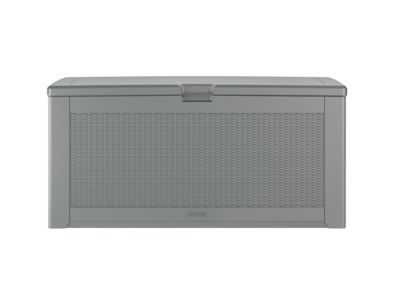
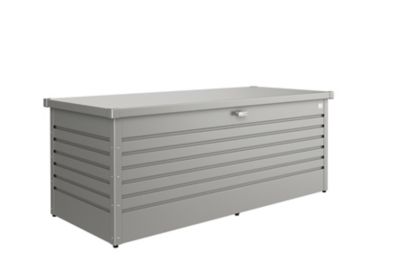
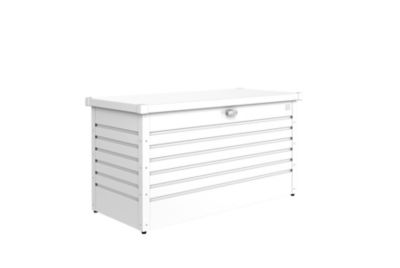
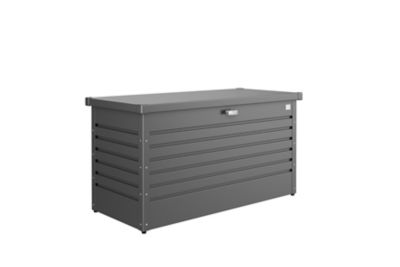
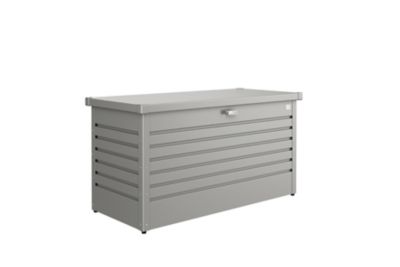
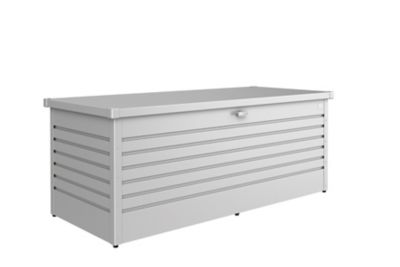
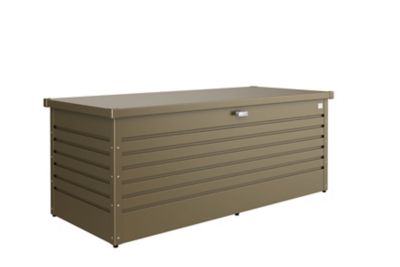
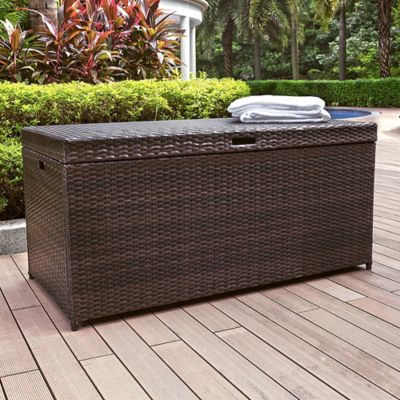
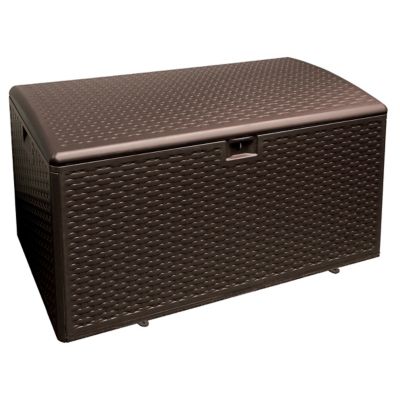
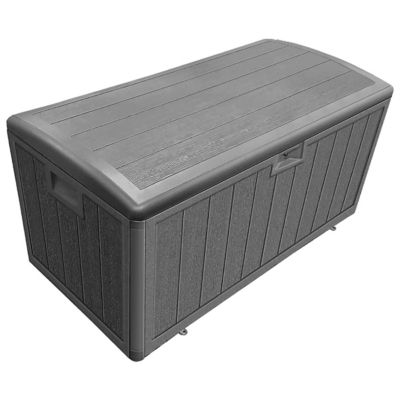
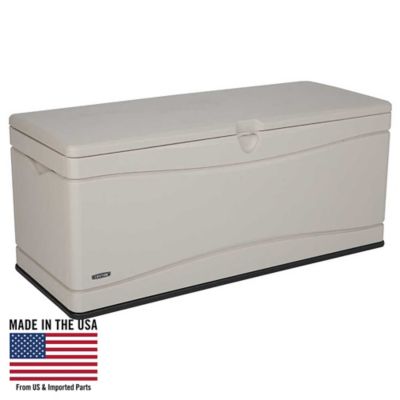
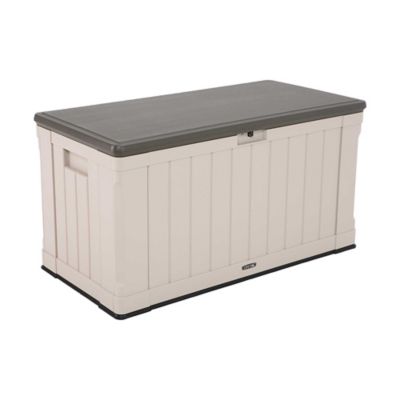
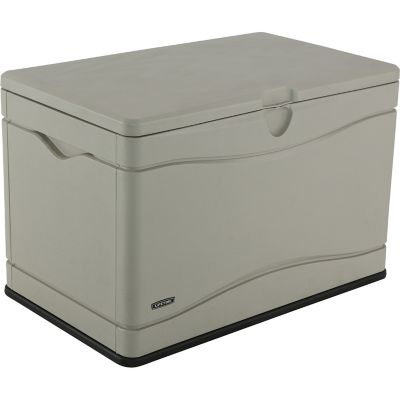
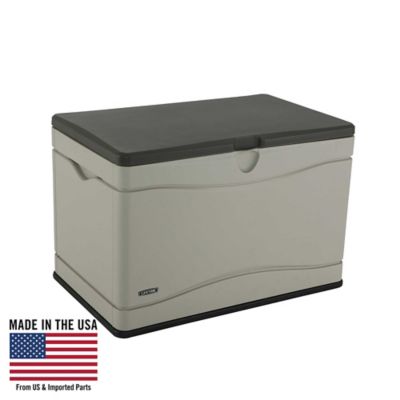
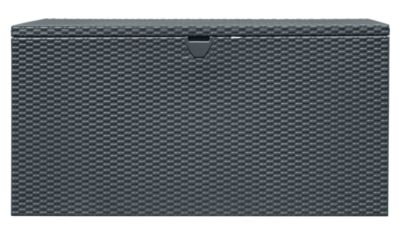
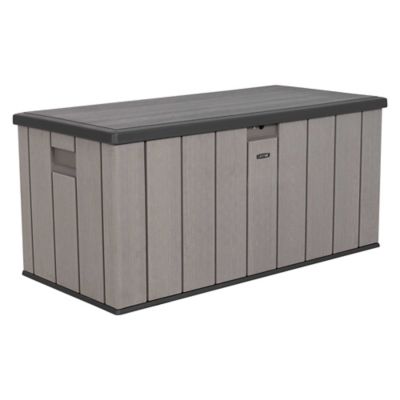
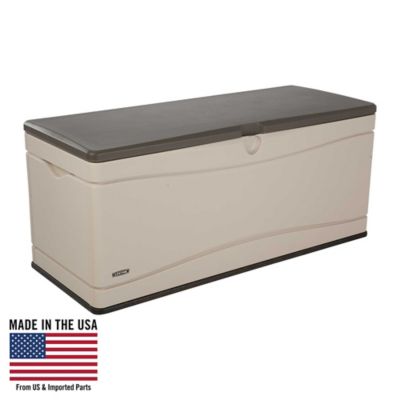
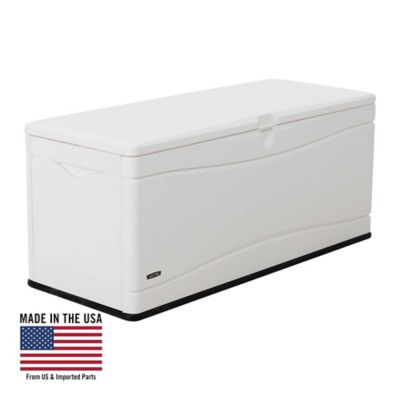
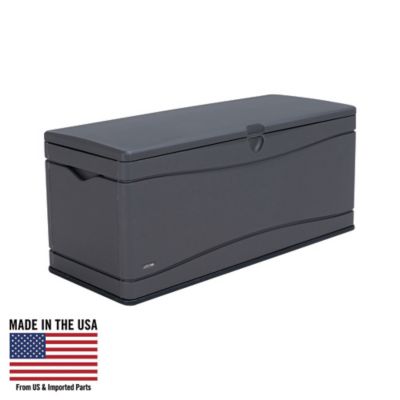
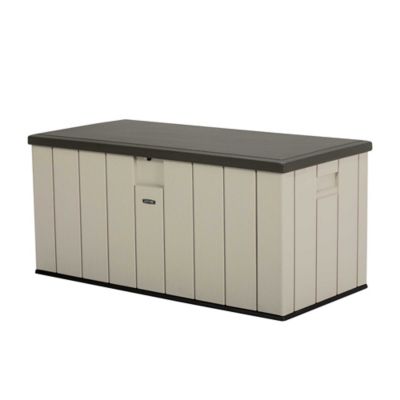
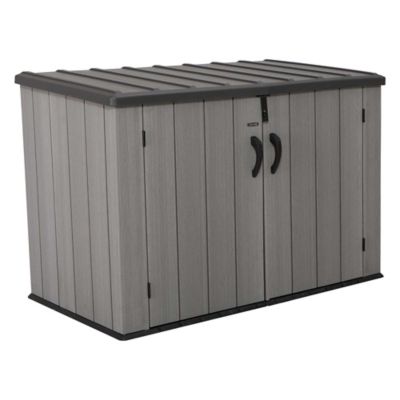
Patio cushion storage boxes are a handy way to keep outdoor seating cushions, pillows and soft accessories close at hand without leaving them scattered across the porch, deck or shed. When cushions sit outside through damp mornings, falling leaves and cool evening air, they can pick up moisture, dirt and that stale smell that is tough to shake out. A dedicated storage box gives everything a regular home and helps keep the patio looking neat when the chairs are empty. These boxes work well for families with busy backyards, folks who enjoy hosting cookouts and anyone who would rather spend time around the fire pit than carrying armloads of cushions into the house. They are also useful on farm and country properties where outdoor spaces often serve several purposes, from morning coffee on the porch to visiting with neighbors after chores. Look for a size that fits the cushions you actually own, with enough room to avoid cramming them tightly together. Measure the length, width and thickness of stacked cushions, then leave a little extra space for easy lifting and airflow. A box that is too small may bend or wrinkle the cushions, while one that is oversized can take up more walkway or patio space than expected. Consider the shape of the items going inside as well. Seat cushions, back cushions, throw pillows and outdoor blankets do not always stack neatly, so a little interior breathing room can make a big difference.
Material and construction matter when a storage box will live outdoors. Weather-resistant resin, treated wood and metal each offer useful qualities, but the best choice depends on the location and the kind of upkeep you prefer. A covered porch may need less protection than an open deck, while a box placed beside a pool or in a damp corner should be able to handle splashes and regular moisture. A fitted lid helps shed rain, but no storage box should be treated as a substitute for completely dry storage unless the manufacturer specifically says it is waterproof. Let cushions dry fully before putting them away, and empty the box from time to time so trapped humidity does not lead to mildew. Ventilation openings can help air move through the interior, while a raised base keeps the contents farther from puddles, wet grass and melting frost. A sloped or overhanging lid can help water run away from the opening, and sealed or overlapping edges offer another layer of protection from windblown debris. Pay attention to the lid hardware, too. Hinges that open smoothly make daily use easier, while a lid that stays open or includes assisted lifting can be helpful when both hands are full. Secure latches may be worth considering for windy areas, especially where an empty box could catch a gust. Handles or built-in grips make it easier to shift the box when rearranging patio furniture, and wheels can be useful for larger storage capacity, provided they roll steadily over the surface beneath them. Before choosing a spot, check that the lid can open all the way without bumping a railing, grill or wall, and keep the box clear of low areas where water tends to collect.
A patio cushion storage box can also pull double duty for outdoor living supplies that need to stay organized between uses. Depending on its construction and stated capacity, it may hold gardening gloves, pool towels, picnic blankets, table linens, lanterns or small seasonal decorations along with cushions. Families with children may appreciate a separate outdoor container for balls, sidewalk chalk and other play items; a dedicated option such as
Outdoor Storage Boxes for Toys can help keep those things from sharing space with clean cushions. Just remember that soft furnishings should not be packed in with muddy tools, damp towels or sharp equipment that could snag the fabric. These storage boxes make thoughtful gifts for new homeowners, anyone setting up a first patio or relatives who enjoy making their porch a gathering place. They are especially practical for people who host during the warmer part of the year but want a straightforward way to tidy up during the cooler months. In early fall, a box can hold cushions after supper as the evenings turn crisp, while later in the season it can help keep outdoor fabrics protected from leaves, frost and gusty weather. If the box will remain outside through harsher conditions, follow the care instructions, clear snow or heavy debris from the lid and avoid dragging it across rough ground when moving it. A cover may add extra protection, but it should fit with enough room for air circulation instead of trapping condensation underneath. With the right size, sturdy construction and a convenient location, patio cushion storage keeps the porch ready for company, makes everyday cleanup less of a chore and helps outdoor seating stay comfortable season after season.