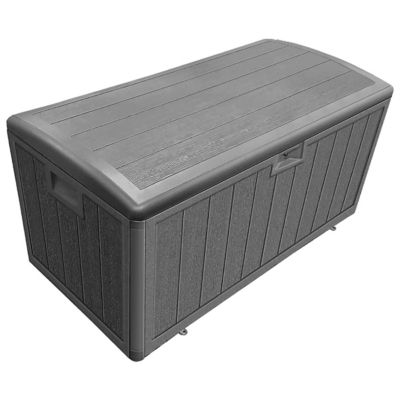
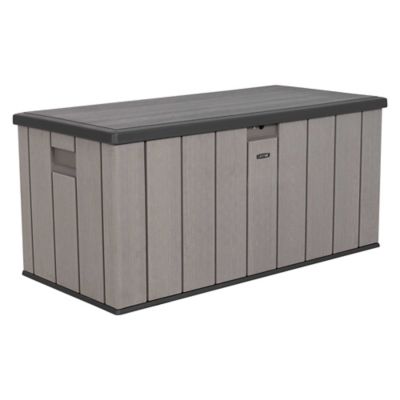
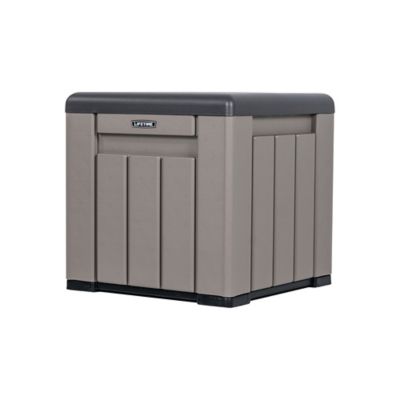
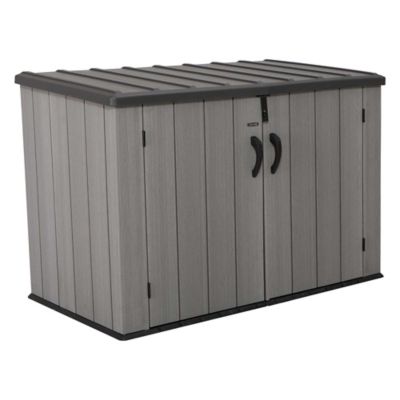
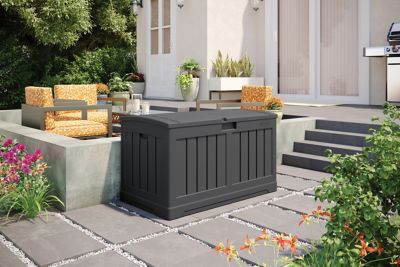
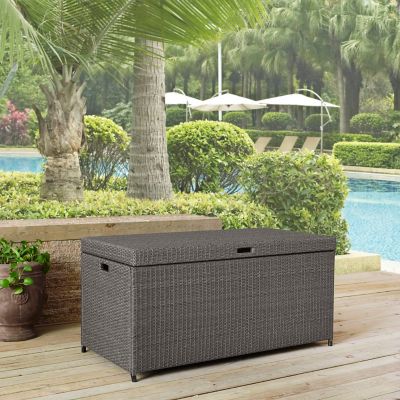
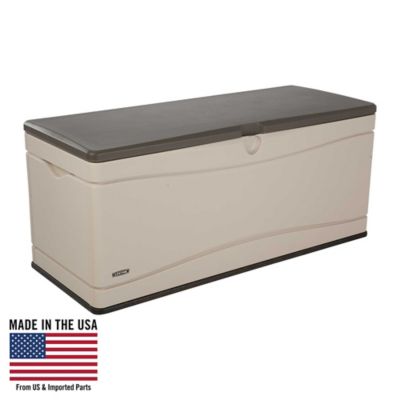
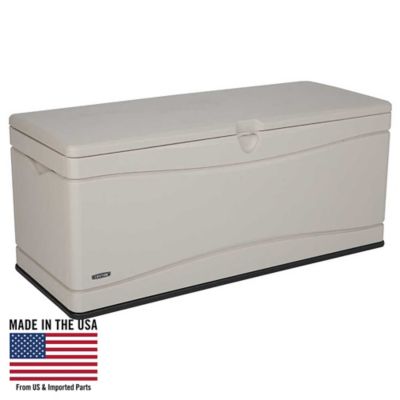
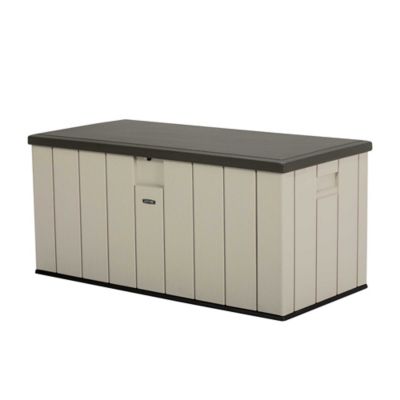
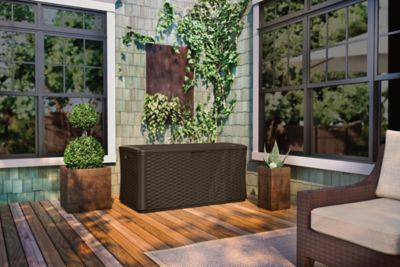
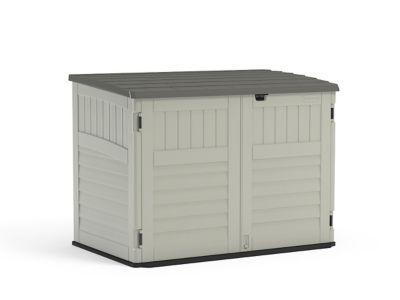
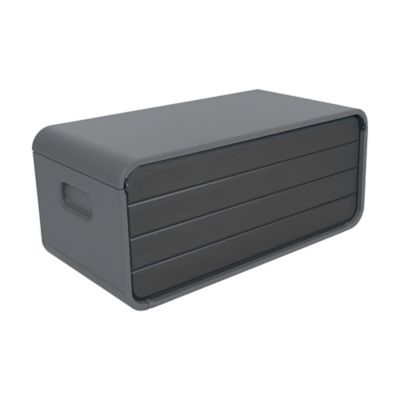
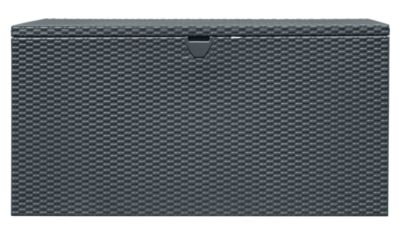
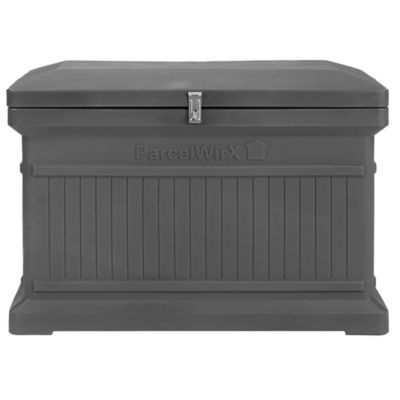
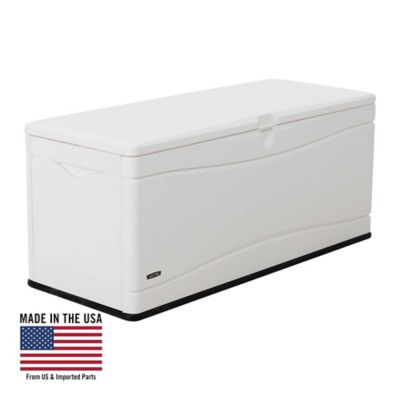
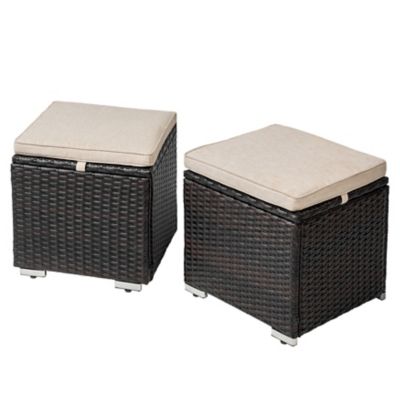
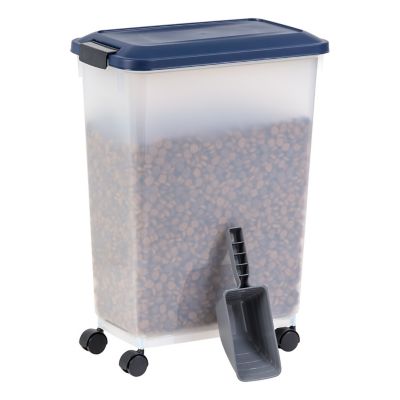
Outdoor storage boxes for patio spaces help keep the area around your home neat, useful and ready for everyday life. They give cushions, outdoor blankets, pool toys, garden gloves, grilling tools and smaller yard supplies a place to stay when they are not in use. A lidded box can also help keep dust, leaves and light rain away from the items inside, which is especially handy when the weather turns cool and outdoor furniture sees less use. On a farm, a patio often becomes the spot where everyone drops in after chores, so having a place to tuck away loose items can make the whole area feel more orderly without taking away its welcoming character. Families may use a storage box for sidewalk chalk, balls and water toys, while a couple with a small porch may need only enough room for seat cushions and a few gardening supplies. For another option focused on playthings, see
Outdoor Storage Boxes for Toys. These boxes can also make thoughtful gifts for new homeowners, families with children or anyone setting up a patio, deck or screened porch. A box filled with a few useful outdoor supplies can be especially practical for a housewarming gift, though the storage box itself is helpful long after the occasion has passed.
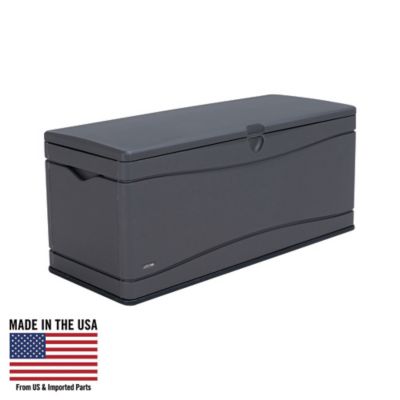
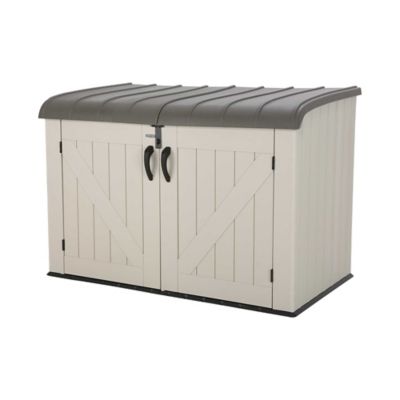
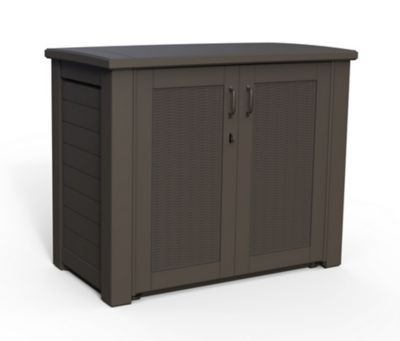
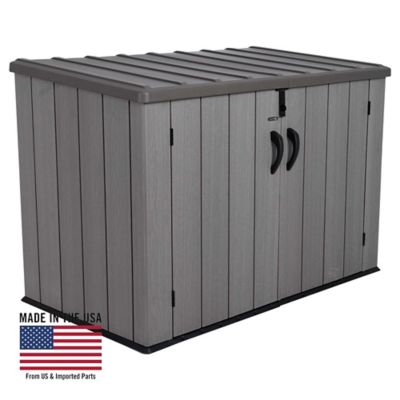
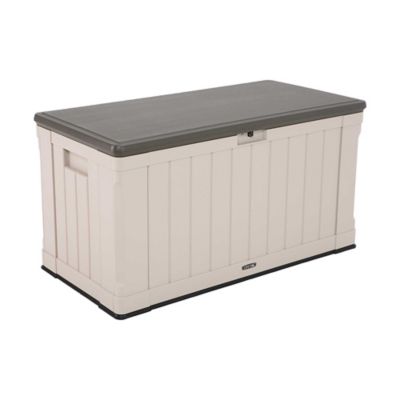
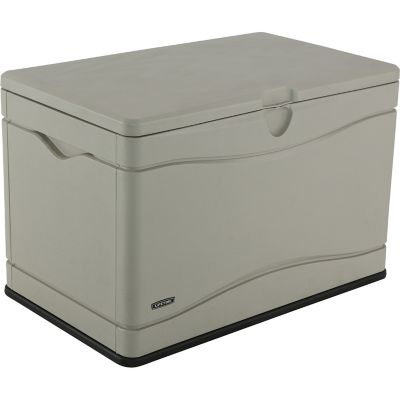
Start by measuring the space where the box will sit, including the room needed to open the lid. A box that fits neatly against a wall may be easier to live with than one that holds more but blocks a walkway or crowds the grill. Consider both the outside measurements and the inside capacity, since thick walls, hinges and lid supports can reduce the usable room. Smaller boxes work well on apartment balconies, narrow porches and beside a back door, while larger chests can hold several seat cushions, folded throws, gardening gear or a stack of pool and lawn toys. If the box may serve as extra seating, look for a strong top with a stated weight rating and place it on a level surface. Some designs also work as a side table, giving you a handy spot for a drink, lantern or book when friends gather outside. A sloped or overlapping lid helps direct water away from the opening, while a raised base or feet can keep the bottom from sitting directly in puddles. For homes near open fields, wooded lots or dusty driveways, a snug-fitting lid is useful for limiting leaves, grit and windblown debris. A latch can help keep the lid closed, and a lock-ready design may offer added control when tools or other supplies are stored in an exposed area.
Material plays a big part in how an outdoor storage box fits your routine. Resin and other molded plastics do not rust, and they resist the rot that can affect untreated wood when moisture lingers. They are often a practical choice for a porch that sees rain, snow or damp morning air, with simple cleaning usually handled by a soft brush, mild soap and water. Wood boxes bring a warm, natural look that pairs well with timber decks, cedar fencing and traditional patio furniture, but they need more attention. Check the care instructions, keep the box from standing in water and plan on periodic sealing or staining as the seasons pass. Metal hardware should be inspected from time to time, especially in wet or salty areas. No matter the material, place the box where air can move around it and avoid packing damp cushions or wet toys inside for long periods. Letting items dry first helps reduce musty smells and keeps the inside more pleasant. During the cooler months, a storage box can hold folded cushions, garden seat pads and summer toys, while in warmer weather it can serve as a quick drop zone for watering cans, towels and outdoor games. Look for easy-lift hinges, gas assists or hydraulic supports if the lid is broad or heavy, particularly when children or older family members will use it. A box with a smooth-opening lid, sensible capacity and a spot that suits your patio can make outdoor living easier from one season to the next, whether you are clearing the deck after supper, preparing for a family gathering or putting the yard to bed before colder weather settles in.