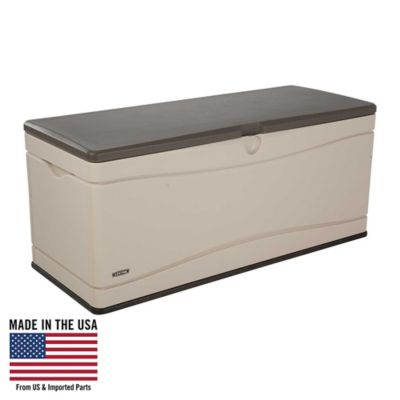
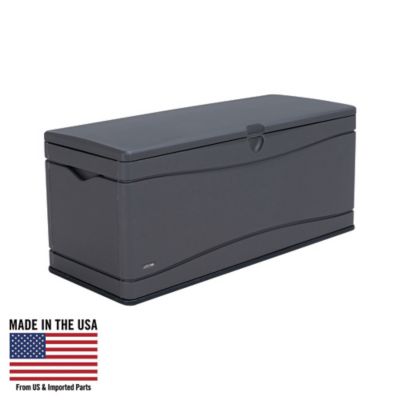
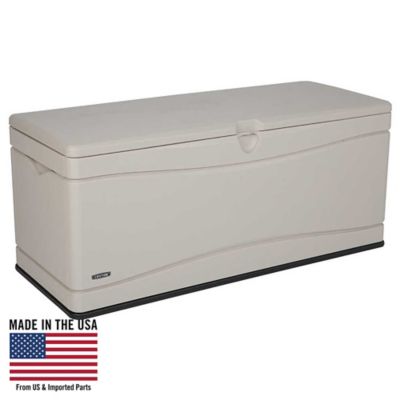
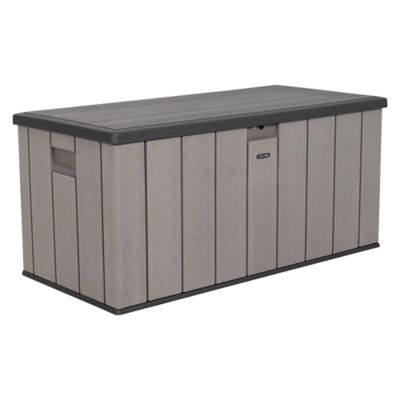
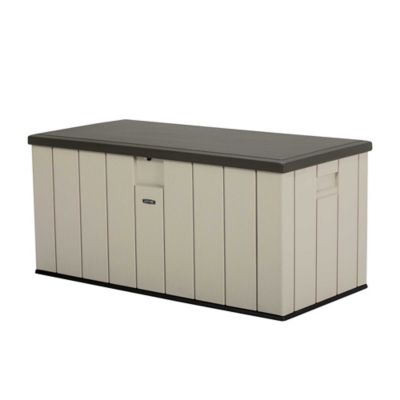
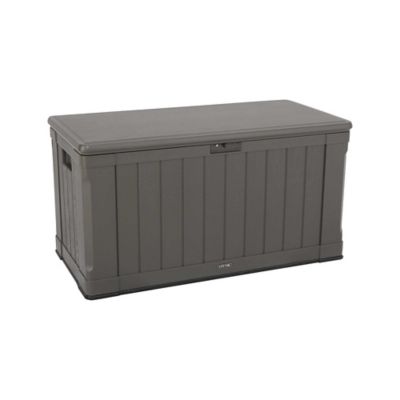
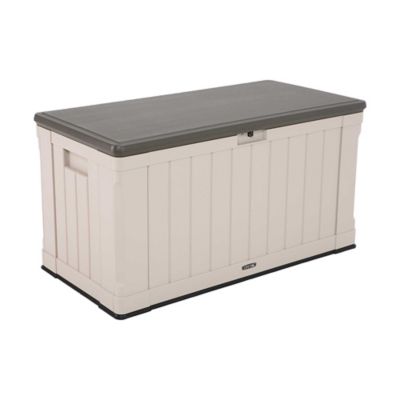
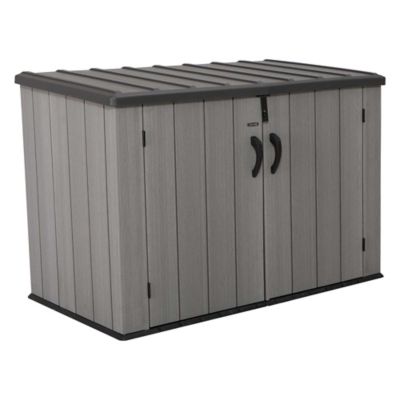
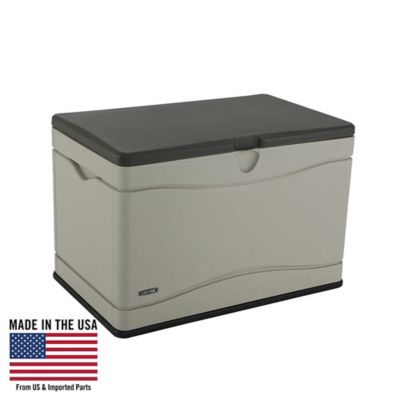
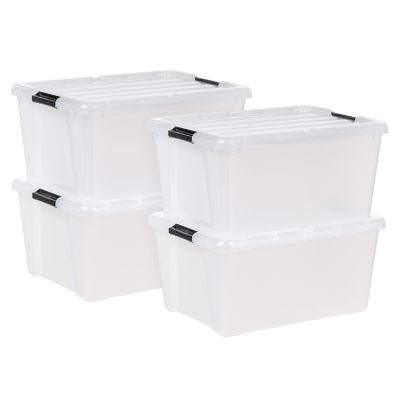
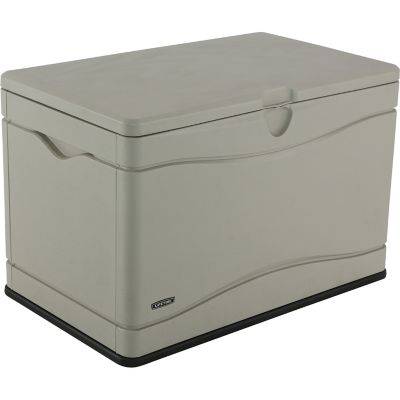
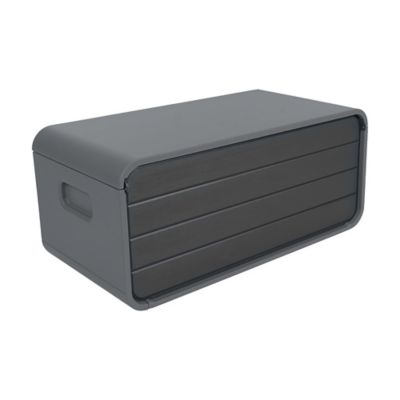
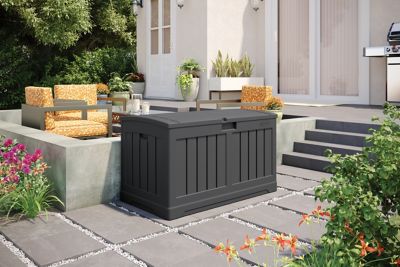
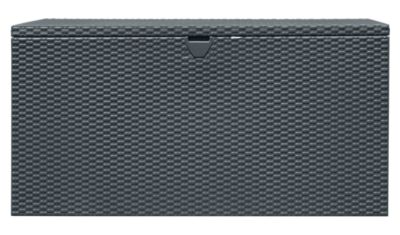
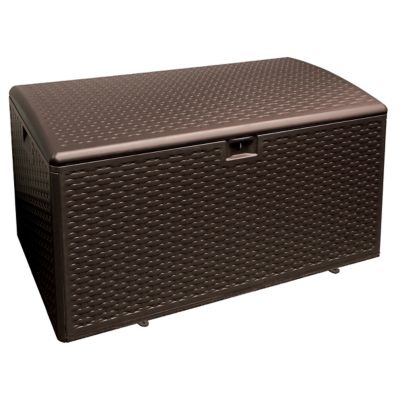
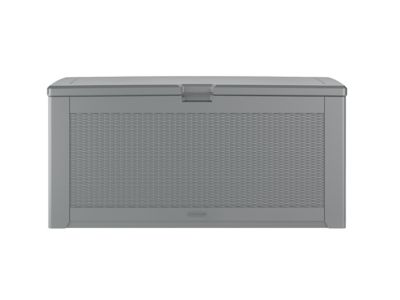
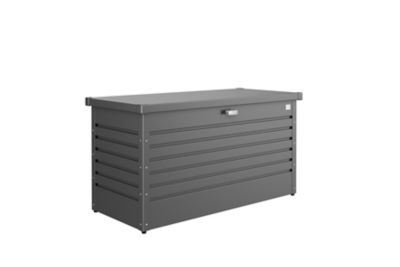
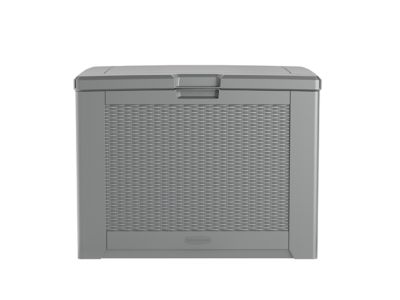
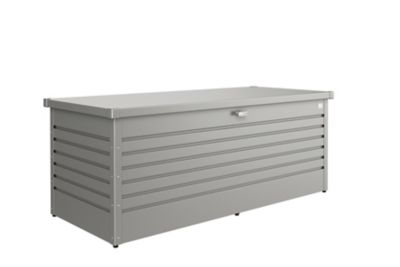
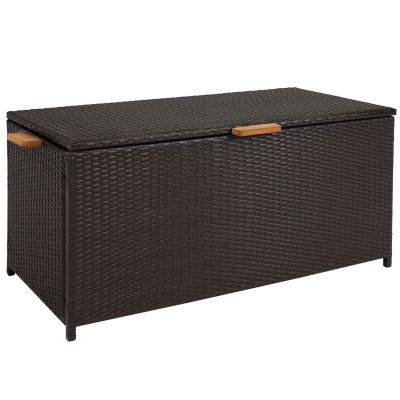
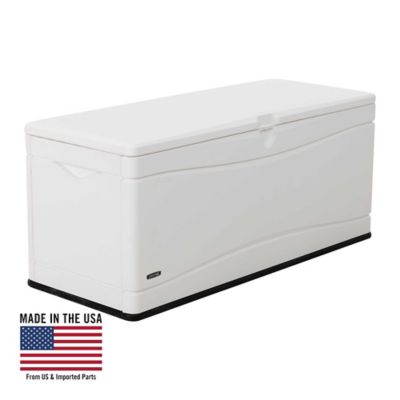
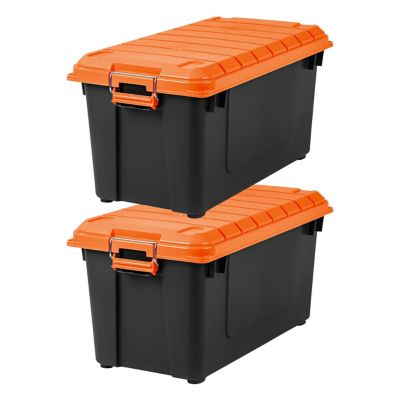
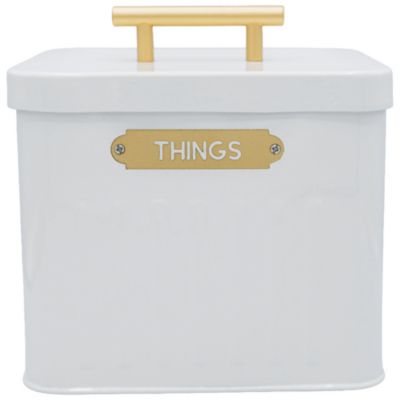
A garden storage box is an outdoor chest that keeps gardening tools, patio cushions and other backyard supplies together while helping shield them from dirt and rain. It gives loose gear a home close to where the work or relaxing happens, whether that’s beside a potting bench, along a back porch or near a patio table. Instead of carrying gloves, hand trowels and kneeling pads back to the garage after every job, a box near the garden can keep them within easy reach. Larger chests can accommodate chair cushions, folded furniture covers and watering supplies, while smaller boxes fit spaces where a full shed would take up too much room. The best fit depends as much on the shape of the contents as the amount. Capacity may be listed in gallons or cubic feet, but interior dimensions tell more about whether a long-handled tool, a thick cushion or a stack of planting trays will fit without forcing the lid. A wide opening makes bulky contents easier to lift out, and a shallower interior can make small tools easier to find. Tall boxes offer more room on a smaller footprint, though reaching the bottom may take more bending. Placement matters, too: the lid needs room to open without hitting a railing, windowsill or overhang, and the box shouldn’t block a gate, doorway or walkway. On a narrow porch, a low-profile shape can tuck against the wall while leaving a clear path for boots, grocery bags and the usual traffic through the back door. A flat, firm base helps the lid line up properly and keeps the box from rocking when opened. Leaving a little space around the sides also makes it easier to sweep away leaves, inspect the exterior and reach anything that slips behind it.
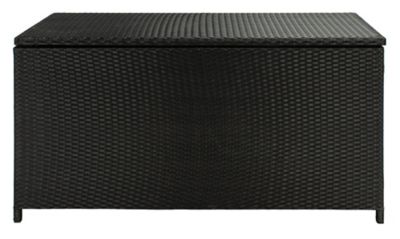
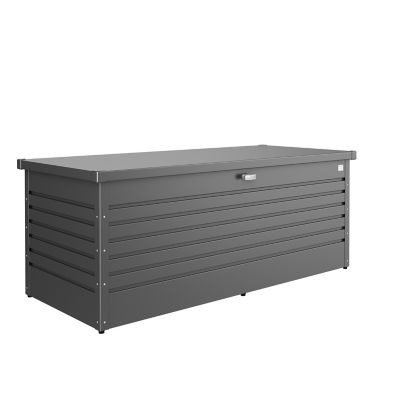
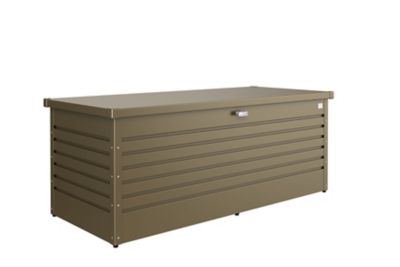
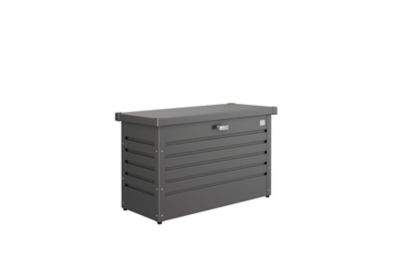
Materials affect how a garden storage box looks, how much attention it needs and how it handles everyday outdoor exposure. Resin and plastic boxes are often lighter than comparable wood or metal options, and many have molded surfaces that wipe clean without painting or staining. Textured finishes can bring the look of wood grain or woven panels to a porch without the same finishing routine as natural lumber. Panel thickness, reinforced corners, hinges and the strength of the base all contribute to how a box holds up under its intended load; material alone doesn’t tell the whole story. Wood boxes bring a natural appearance that fits comfortably beside raised beds, timber steps and porch furniture. Depending on the wood and finish, they may need periodic sealing or refinishing, along with attention to joints and areas where moisture collects. Metal boxes can offer a firm enclosure for tools and supplies, with coatings that help protect the surface. Scratched finishes, exposed fasteners and seams deserve attention because corrosion can start where protective layers are damaged. Across materials, a sloped or overlapping lid can help shed rain, while raised feet or an elevated base can reduce contact with damp ground. Weather resistance is not the same as waterproof construction, and an outdoor chest should not be assumed to keep contents dry in standing water or wind-driven rain. Ventilation can help moisture escape, but it doesn’t replace putting cushions, gloves and fabric covers away dry. Grass clippings and soil are easier to manage when they’re brushed off before storage rather than left to gather in corners. Routine care generally means keeping drainage paths clear, cleaning with products suited to the material and checking hinges and fasteners for looseness. The manufacturer’s care directions remain the right reference for cleaners, finishes and maintenance intervals.
Everyday convenience often comes down to the lid, the layout and the way the box opens. Lid supports or gas struts can make a large lid easier to manage, while a sturdy handle gives a better grip when hands are dusty from the garden. Slow-closing features may reduce abrupt lid movement, though children still need supervision around any hinged storage chest. A latch can keep the lid closed, and a lockable design can add a measure of access control, but neither makes every box suitable for chemicals, sharp tools or anything that needs tightly controlled storage. Fertilizers and pesticides belong in storage that meets their label requirements, separate from cushions, playthings and everyday family supplies. Inside the box, removable trays, shelves or small containers can separate pruning gloves and plant ties from larger gear so little essentials don’t disappear beneath a pile of cushions. Some outdoor chests also serve as seating, but that function depends on a stated seating or weight rating; a flat lid alone does not make a box a bench. Where seating is part of the design, the box can provide a handy spot to pull on boots or rest beside the garden without adding another piece of furniture. Handles and wheels can help with repositioning, although a loaded box may still need to be emptied before moving. Families dividing storage between garden gear and play equipment may also find
Outdoor Storage Boxes for Toys helpful for keeping balls, sand toys and backyard games in their own spot. For gardeners, porch sitters and folks managing a busy backyard, the appeal is simple: less clutter underfoot and fewer trips across the yard for something small. A box sized around everyday routines can keep the hand tools near the beds, the cushions near the chairs and the walkway open, without turning the porch into another catchall.