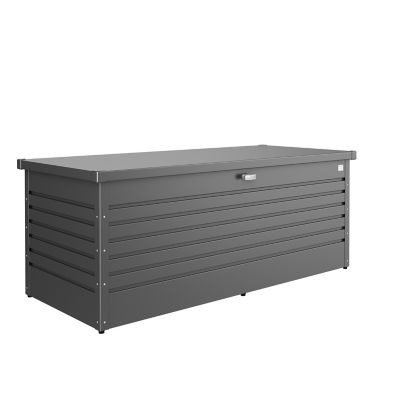
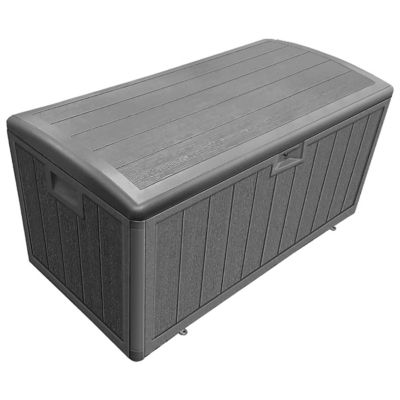
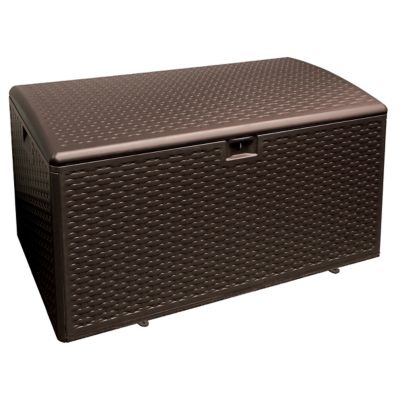
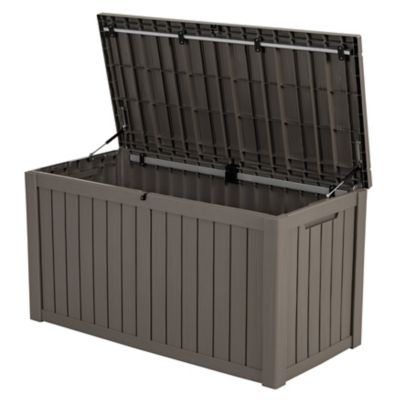
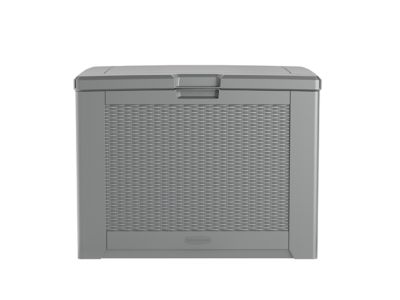
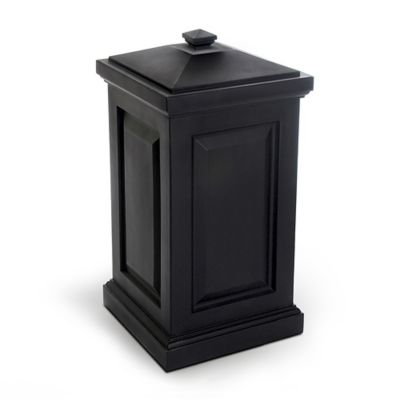
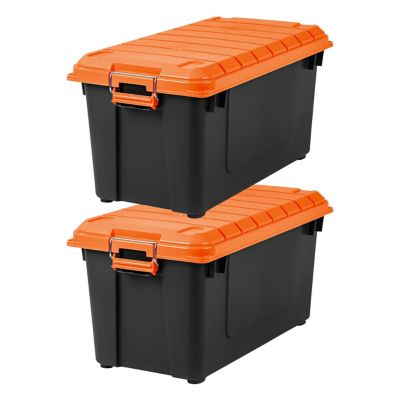
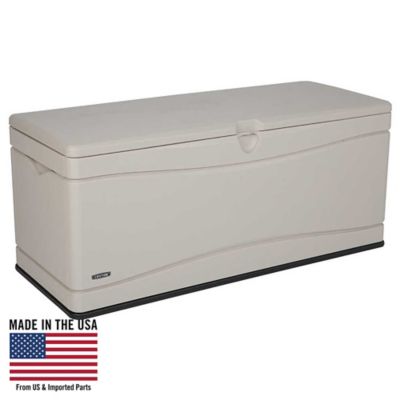
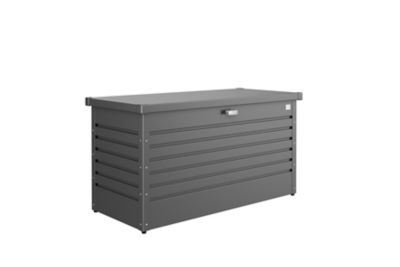
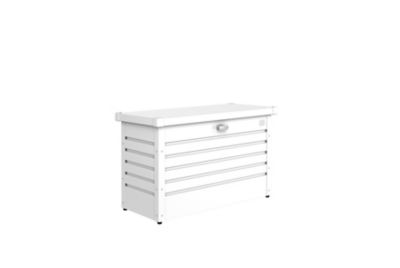
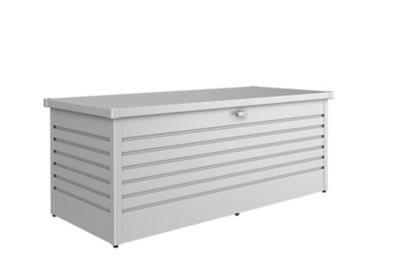
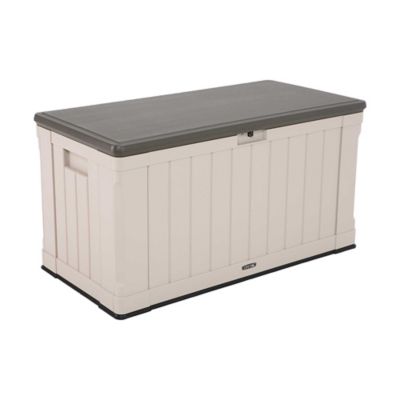
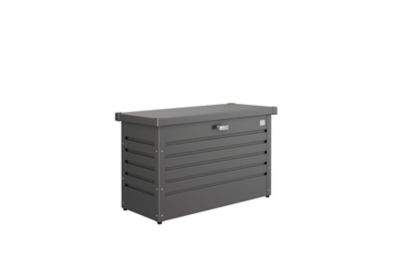
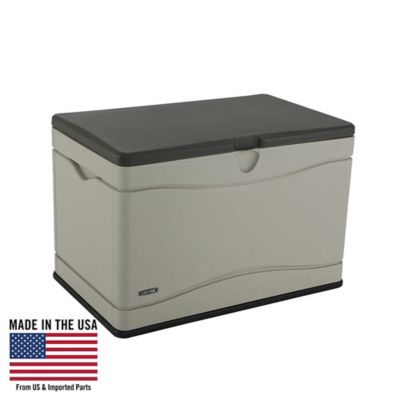
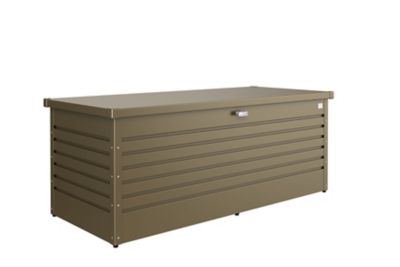
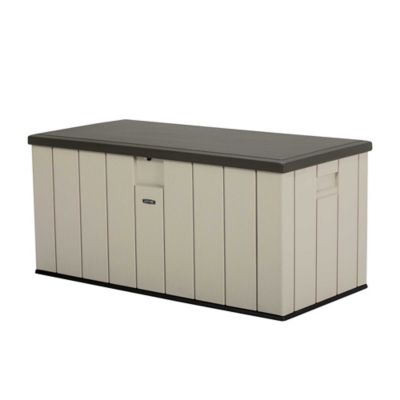
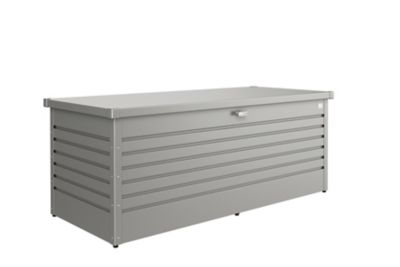
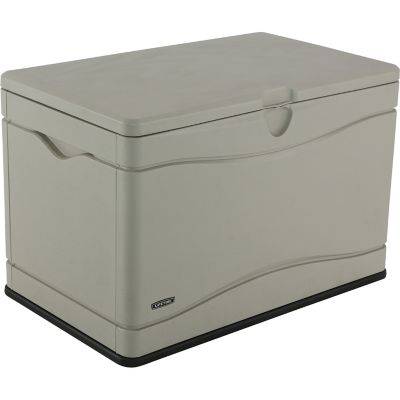
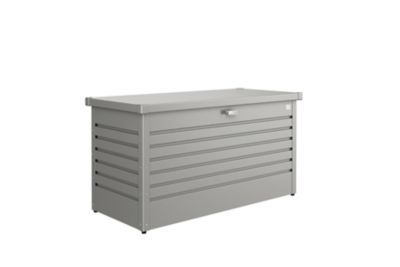
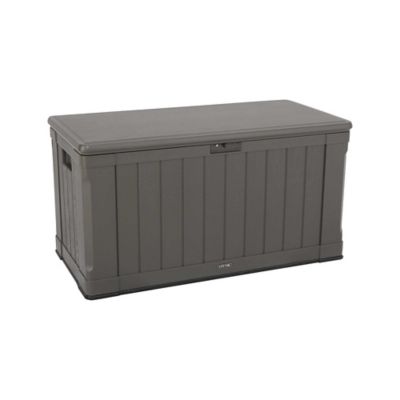
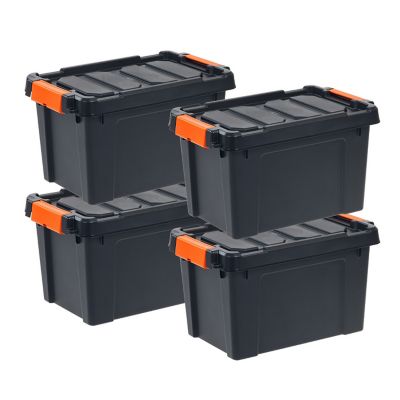
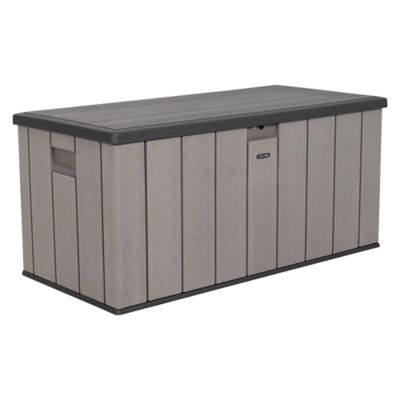
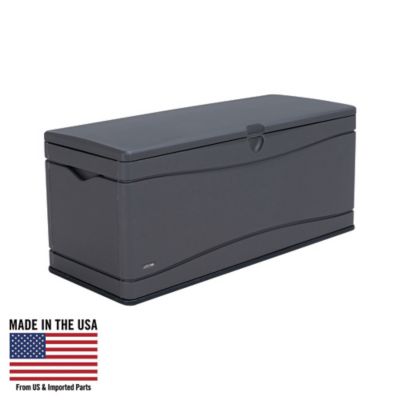
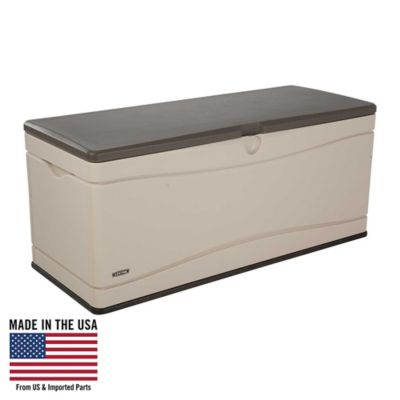
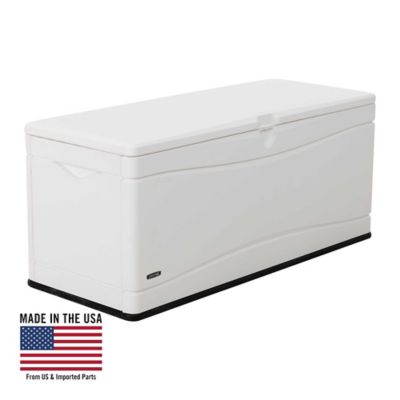
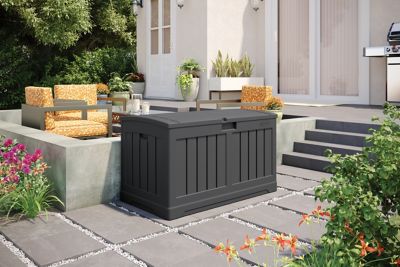
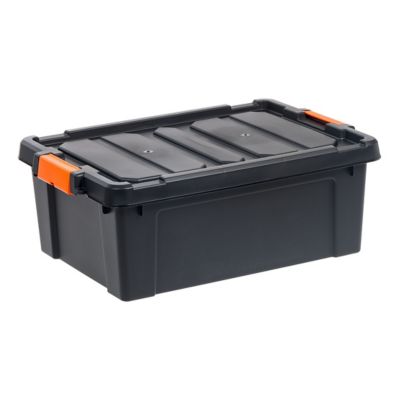
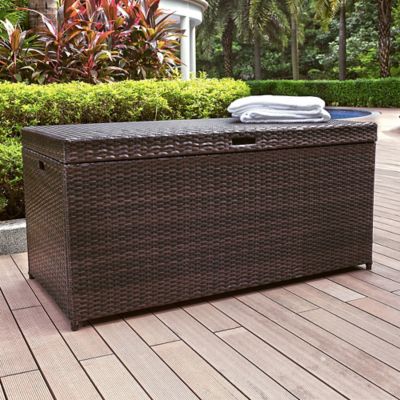
An outdoor storage box for toys keeps balls, pool floats and yard games together, helps keep dry toys dry and gets loose gear out from underfoot. Instead of rounding up toys from the porch, the yard and the garage, a family can keep the gear for each play area close to where it comes out. A box near the back steps makes a handy drop-off spot for balls and sidewalk toys, while one by the pool puts float toys within easy reach without taking up space along the pool edge. The right fit depends as much on the shape of the toys as on how many have to go inside. A wide opening makes it easier to put away a long game piece or a float without folding it, while a lower box makes it easier to reach a ball that has rolled to the bottom. Capacity figures give a general sense of how much a box can hold, but inside dimensions and opening size tell more about whether an awkward piece will actually fit. A box filled to the brim can make an afternoon of play start with pulling out half the contents to get to one thing. A little room to move things around makes a difference, especially when several kids share the same box. The footprint matters, too. Along a porch wall or beside a fence, there should be room for the lid to open all the way and for someone to stand in front without backing into a step or blocking a gate. A long, low box can make good sense along an open wall, while a narrower one may sit better in a corner with limited floor space. On a level spot with a clear path to it, the box feels like a natural part of picking up rather than one more stop on the way inside.
Material makes a difference in how an outdoor toy box feels day to day and how much upkeep it takes. Molded resin and plastic generally wipe clean and tend to be easier to shift when empty, which comes in handy when the play area gets rearranged. Wood has a heft that can help a box stay put when someone opens the lid, and its finish may need attention over time, especially around corners and edges that get bumped. Metal offers a firm shell, with coated surfaces that benefit from a look now and then for scrapes or chips. Whatever the material, the base and hinges do a lot of the work. A thin ball and a full set of yard games put different loads on the bottom, and a lid that gets opened several times a day puts more wear on its hinges than one that holds gear brought out only now and then. Among
Outdoor Storage Boxes With Lids, details such as the lid overlap, handle placement and how far the lid opens can matter more in daily use than the way the box looks from across the yard. A well-fitting lid helps keep dirt and leaves out, though a water-resistant box isn’t necessarily waterproof. A grip with enough room for a hand can be easier to manage than a shallow notch, and a lid support can help hold the lid up while an adult sorts through the contents. For a box kids will help put toys away in, pay attention to the lid’s weight and where little fingers might land as it closes. A storage box is a place for gear, not a hideout, and kids shouldn’t climb inside. Models that look like benches aren’t necessarily made for sitting, either; that depends on what the box is built and rated to hold.
A toy box stays handiest when cleanup is simple enough to do after the last game. Putting small game pieces together in a lightweight bin keeps them from working their way under larger toys, and leaving the most frequently grabbed gear near the top means less digging. It helps to give damp toys a chance to dry before closing them inside. A float brought straight from the pool can leave moisture on everything beneath it, and a scoop put away with damp sand still stuck to it can leave grit in the corners. Shaking out loose dirt before toys go in cuts down on the mess, and a soft cloth with mild soap is enough for many smooth surfaces, depending on the care directions for the material. After cleaning, letting the inside dry before refilling it keeps moisture from getting trapped under a pile of toys. It’s worth giving hinges and fasteners a look when the box is empty, too, especially if the lid starts to sit crooked or takes more effort to open. For grandparents who keep a few yard games on hand for visits, a compact box can give everything one spot without crowding the porch. Families with several kids may get more out of an open layout that leaves room to sort gear by activity, and a household with a pool may prefer to keep float toys apart from games that need to stay dry. A toy box can also make a practical gift for a family setting up a backyard play space, especially when there’s already a spot in mind for it. Whether it holds a few favorites or gear for a whole afternoon outside, the best fit makes it easy to find the right toy, carry it out to play and put it back without having to empty half the box.