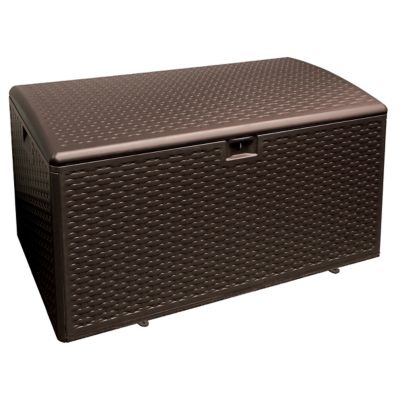
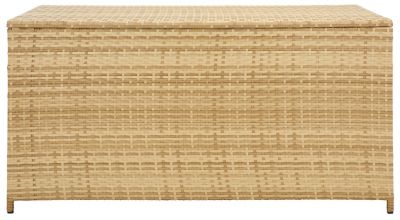
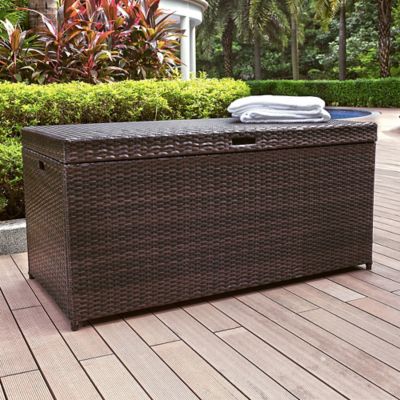
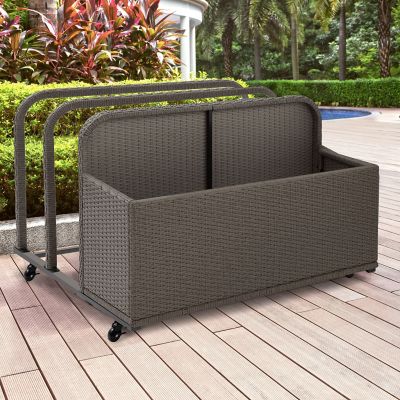
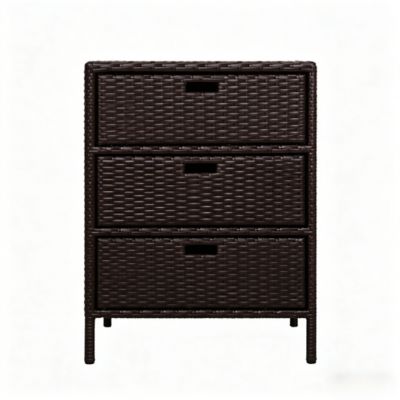
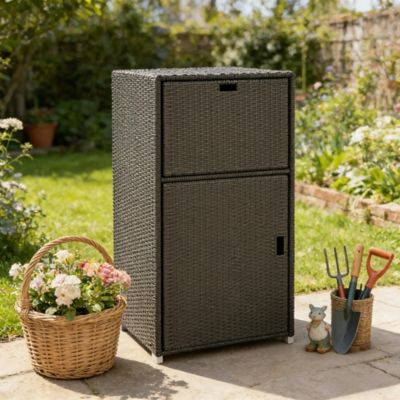
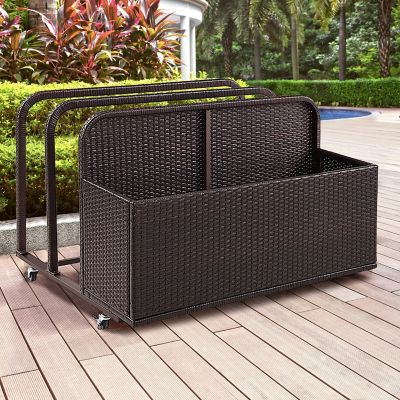
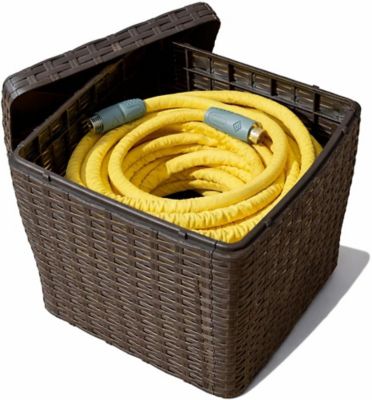
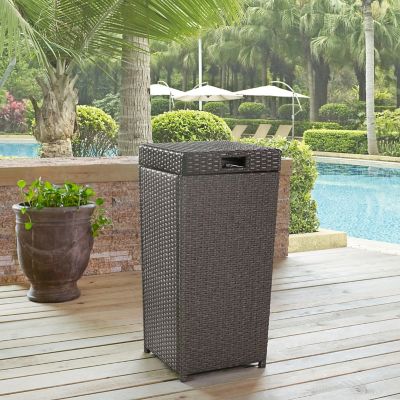
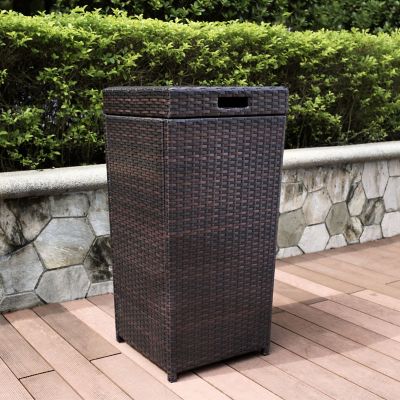
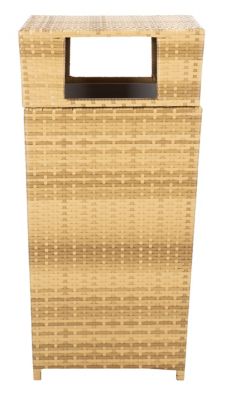
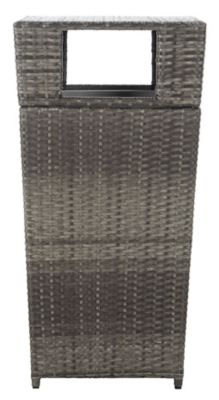
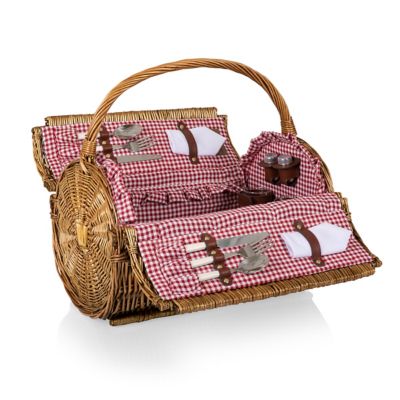
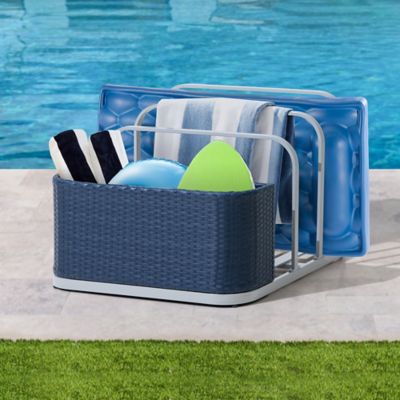
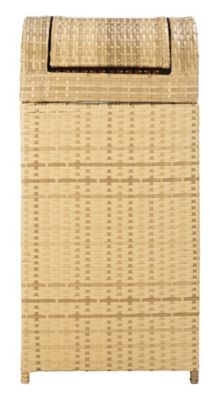
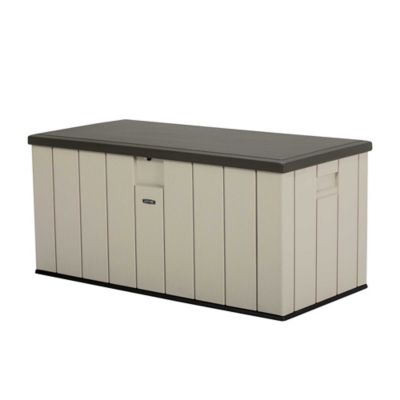
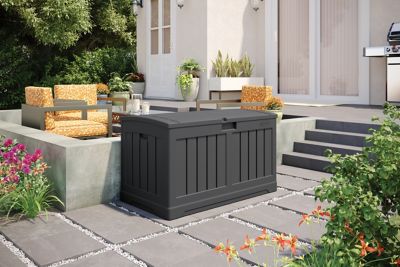
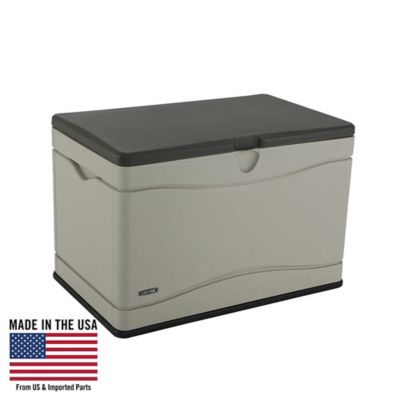
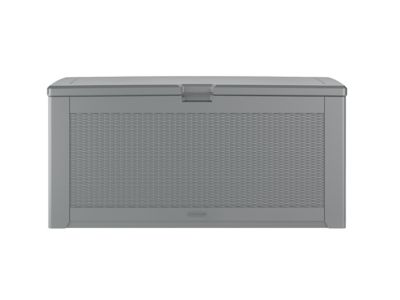
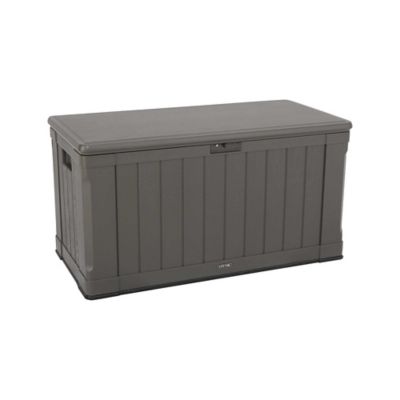
Outdoor wicker storage boxes give patio cushions, garden gloves and pool accessories a home close to where they belong, without leaving the back porch looking like a catchall. The woven look pairs easily with porch rockers, patio seating and a plain wood deck, while the enclosed compartment helps keep loose belongings together between outings. Wicker describes a weaving style rather than one particular material, so the construction matters as much as the appearance. Outdoor versions often feature synthetic resin strands woven around a frame, while other boxes have solid molded panels with a wicker-like texture. Polyethylene, often shortened to PE, is a common material for synthetic wicker. Look for stated UV resistance to help limit fading and brittleness from sunlight; that protection depends on the material and finish, not simply the wicker name. Natural wicker made from plant fibers generally needs more shelter from moisture and direct sun than resin designed for outdoor placement. For everyday storage, think about what needs to fit before settling on a capacity. A narrow box might hold gardening gloves, small watering accessories and a few hand tools, while a larger chest can accommodate several seat cushions or a collection of pool toys. Gallon capacity helps compare overall volume, but interior length, width and height tell more about whether a long bench cushion or a stack of chair pads will actually fit. Measure those belongings without squeezing them flat, and account for space taken up by an inner liner, lid supports or the frame. A box that fits the contents comfortably is easier to pack and easier to empty when company comes over. Keeping the heaviest belongings near the bottom also makes a large compartment more manageable. Separate trays or small containers can keep pruning snips and muddy gloves from rubbing against fabric, provided sharp edges stay covered and everything going inside is clean and dry.
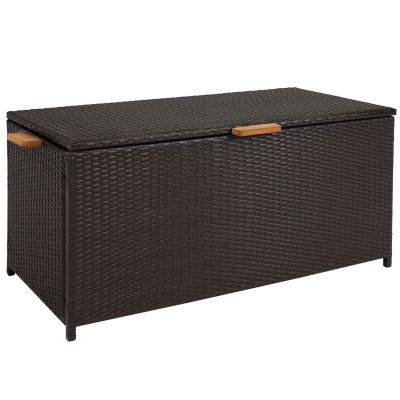
The details beneath the weave make a difference in how an outdoor wicker deck box handles regular opening, moving and exposure. A powder-coated steel frame can provide sturdy support, though scratches in the coating may leave steel vulnerable to rust. Aluminum frames resist rust and can help reduce weight, but hardware and joints still need attention. Neither material makes a box maintenance-free. Tight, even weaving, supported corners and a lid that meets the rim evenly are useful construction details to check. Water protection deserves a closer look, too: open woven sides alone do not form a watertight compartment. A solid inner shell, overlapping lid or fitted liner may help shield the contents, but water-resistant construction should not be treated as a promise that cushions will stay dry through every downpour. Zippered liners can add another barrier, although seams and closures remain possible entry points. Check the stated protection level and placement recommendations, especially if the box will stand beyond the porch roof. A raised base can help keep the bottom away from surface moisture, while ventilation helps trapped dampness escape; neither replaces drying wet belongings before storage. Lid hardware affects day-to-day convenience just as much as capacity. Gas struts or supported hinges can make a broad lid easier to lift and help hold it open while loading, but hands still need to stay clear of pinch points. Follow the lid-support instructions rather than assuming every mechanism prevents an unexpected closure. Side handles and wheels can simplify repositioning, especially on a smooth patio, though a loaded chest may still require two people. Wheels also need a suitable surface and a way to keep the box from rolling. For households with children or pets, consider access to the compartment and any latch or lock provisions. Treat a storage box as seating only when its specifications expressly allow it, and follow the stated weight limit rather than judging strength by its bench-like shape.
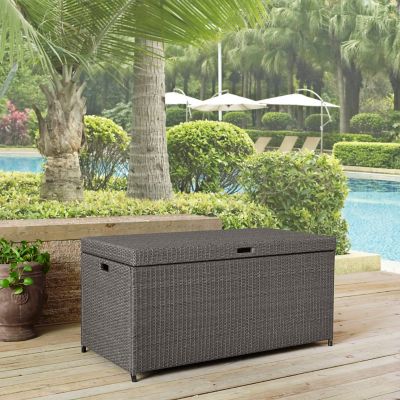
Getting the fit right means looking beyond the box itself to the space around it. On a back porch, leave a clear walking path between the chest, the doorway and nearby chairs, with enough room for the lid to open fully. A tall back or a deep lid may need extra clearance from siding, railings or a window ledge. On a deck, a flat, stable spot helps the frame sit square and the lid close as intended; avoid placing the base where water collects or beneath a steady drip. A low, wide chest can sit neatly behind a seating area, while a narrower shape may make more sense beside a porch swing or along a short wall. For other shapes and material options, browse
Outdoor Storage Boxes For Patio to compare layouts that suit the space. Think about the person opening it, too. A deep compartment may hold plenty, but reaching small belongings at the bottom can be awkward for someone who prefers less bending. An easy-to-reach latch and a manageable lid can matter more than extra volume. Care is usually straightforward when it follows the material instructions: brush loose dirt from the weave, wipe surfaces with mild soap and water when permitted, and rinse gently rather than driving water into joints with a pressure washer. Let the interior and liner dry completely before repacking. Check hinges, fasteners and frame finishes periodically, and address loose hardware or damaged coating as directed by the manufacturer. Avoid dragging the box across rough boards or concrete, which can scrape feet and strain the frame. Keep fuel, pool chemicals and other hazardous supplies in storage specifically intended for them, not alongside cushions or children's playthings. For a gardener, a frequent backyard host or someone settling into a place with a porch, an outdoor wicker storage box can also be a practical gift when its measurements and intended use match the space. The best fit brings everyday belongings within reach and leaves the porch ready for a quiet sit after the chores are done.