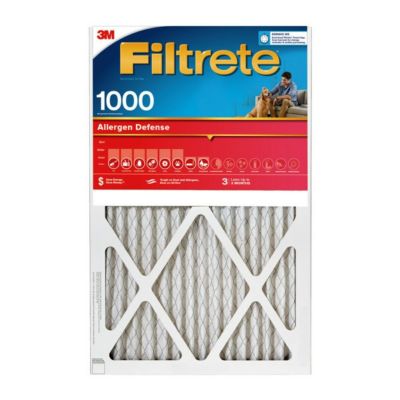
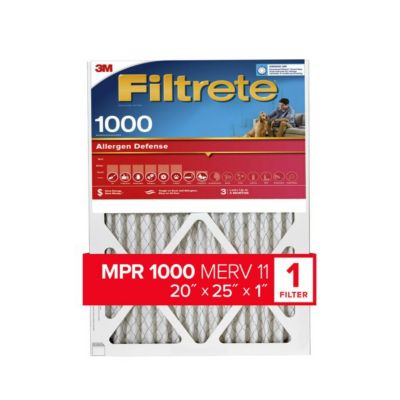
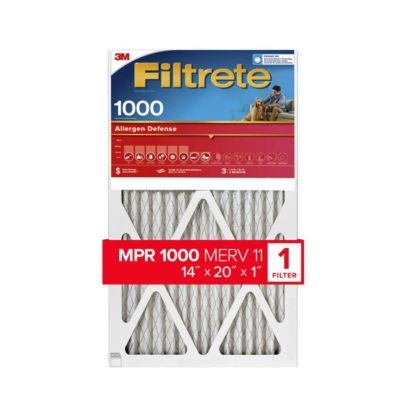
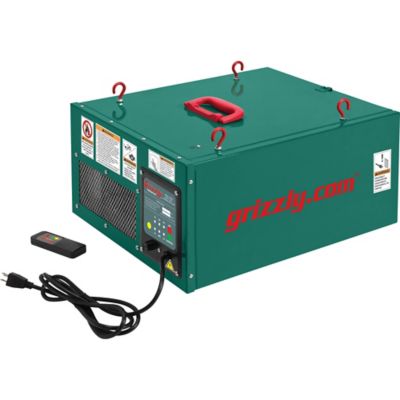
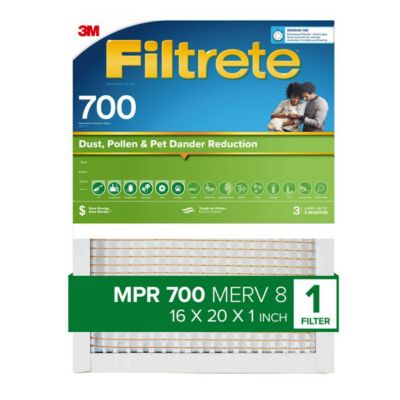
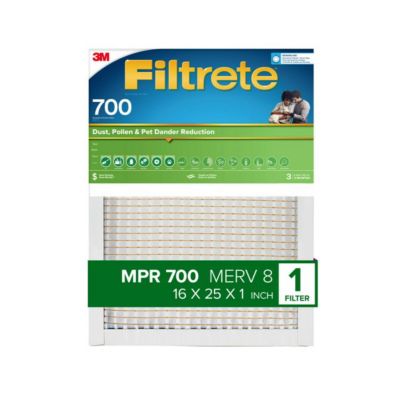
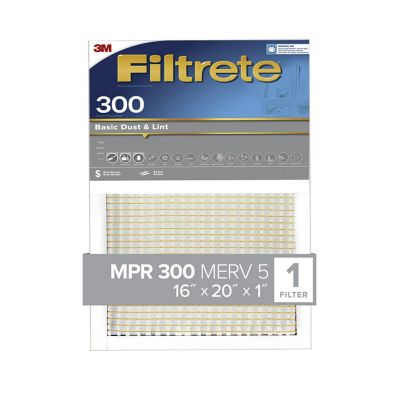
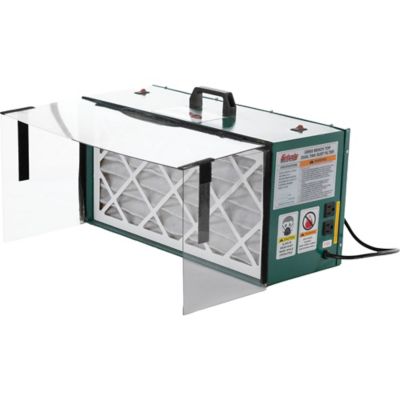
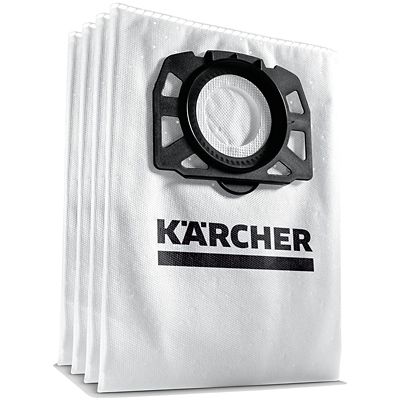
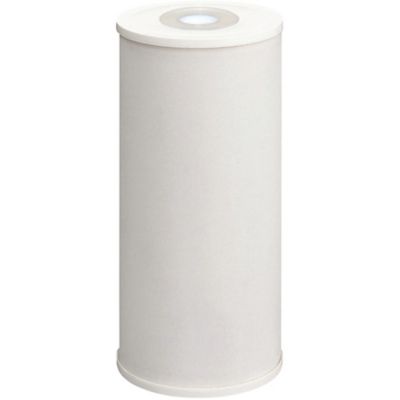
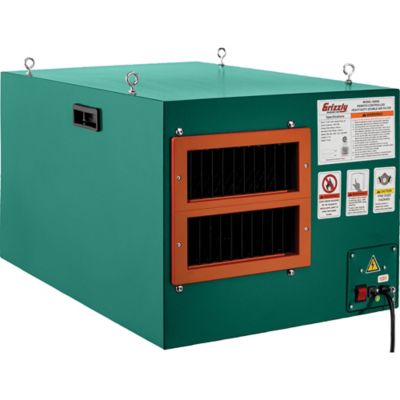
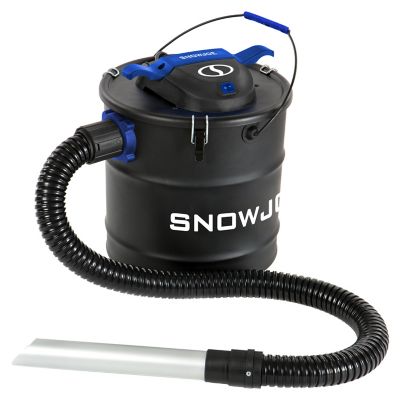
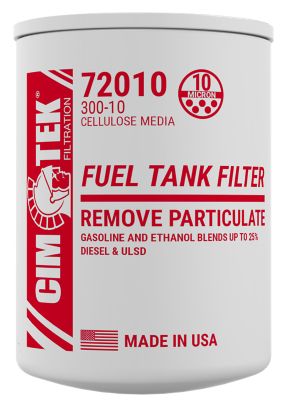
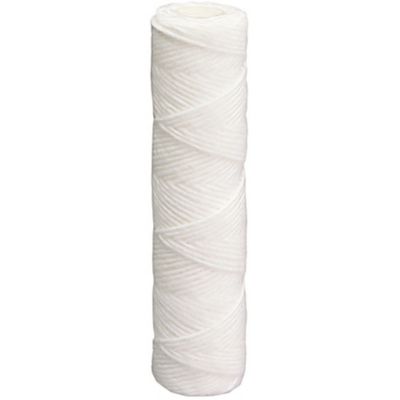
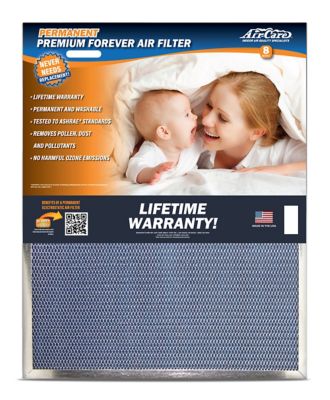
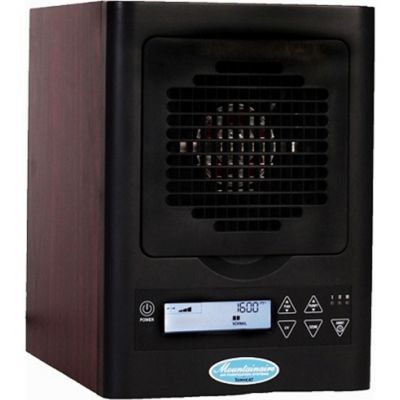
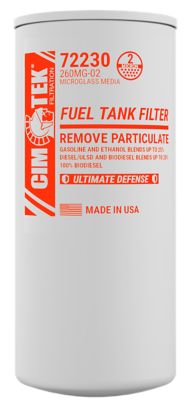
Out here, keeping engines, equipment, and even the air inside your home running clean is a real priority, especially as the weather warms up and dust, pollen, and all sorts of tiny particles seem to be everywhere. Particle filters play a big part in making sure your gear and your living spaces stay protected from all that floating debris. Whether you’re working on tractors, trucks, ATVs, or just keeping your shop and home HVAC systems in top shape, the right filter can make a world of difference. Folks who run diesel engines know all about Diesel Particulate Filters (DPFs)—those are the heavy-duty filters that trap soot and other exhaust particles, keeping emissions low and engines running smooth for the long haul. But it’s not just about the big machines; air filters for your home or barn help cut down on allergens and dust, making breathing easier for everyone, including your pets and livestock. For anyone with a workshop or a farm, swapping out those filters before the busy season kicks in can save a lot of headaches down the road.
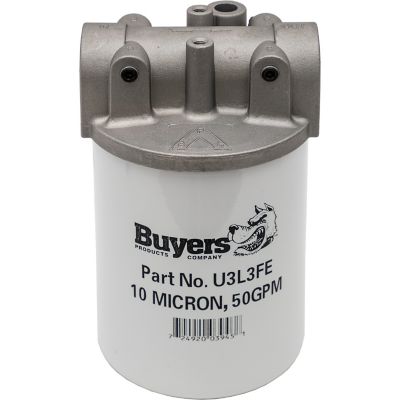
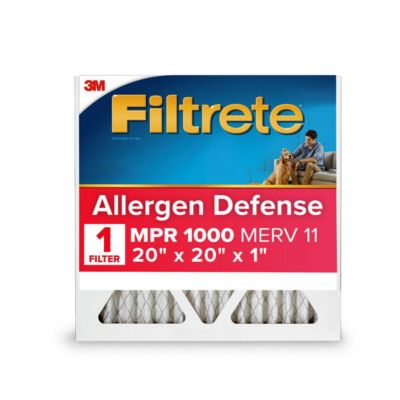
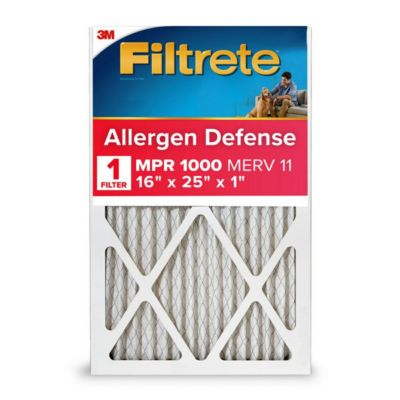
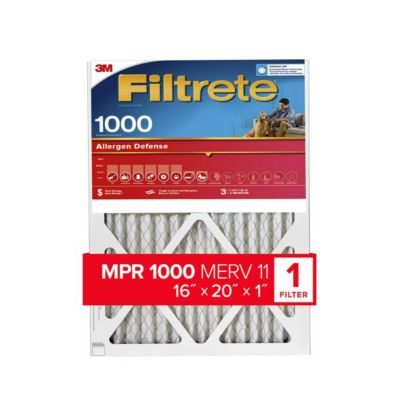
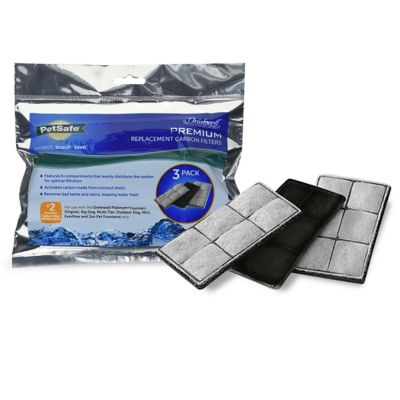
Choosing the right particle filter isn’t always as simple as grabbing the first one you see. There’s a bit of know-how involved, and it pays to think about what you’re protecting and how often you’re running your equipment. If you’re out in the fields or on the road with diesel engines, you’ll want a filter that’s built tough enough to handle heavy loads of soot and can stand up to long days in the dust. Around the house or barn, filters for HVAC systems or air purifiers need to be able to catch fine particles like pollen and dander, especially during those breezy early fall days when everything seems to be floating in the air. Folks who work with water pumps or hydraulic systems might be looking for liquid particle filters that keep grit and sediment from clogging up the works. And if you’re putting together a gift for someone who’s always tinkering in the garage or keeping the homestead running, a set of quality filters is a practical and thoughtful choice—something they’ll actually use and appreciate, especially as the seasons shift and maintenance becomes top of mind. For those looking to cover all their bases, don’t forget to check out options like
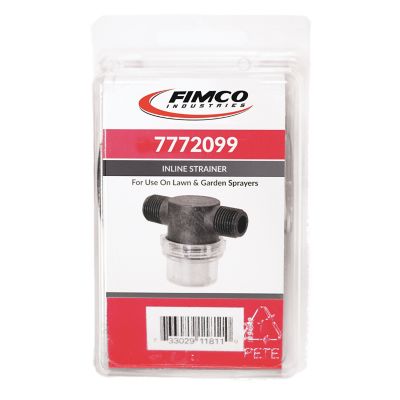
Inline Filters, which are handy for catching debris right in the flow of your fuel or hydraulic lines, keeping things running cleaner for longer.
No matter what you’re running—whether it’s the family truck, a trusty old tractor, or the AC keeping your home cool—particle filters are a small investment that pays off big when it comes to performance and peace of mind. Swapping them out as part of your regular maintenance routine helps keep engines breathing easy, extends the life of your equipment, and makes the air just a little bit fresher for everyone around. With so many different types out there, from mission filters for diesel exhaust to high-efficiency pleated filters for your air system, it’s worth taking a minute to make sure you’ve got the right fit for your needs. Out here, where every bit of dust and grit can add up, a good filter is just another tool in the box for keeping things running smooth through the busy seasons.