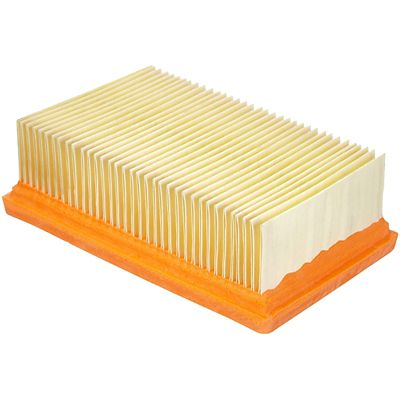
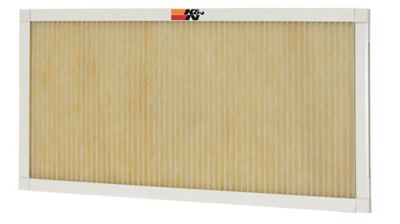
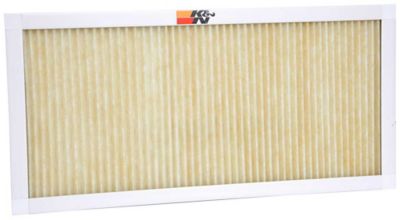
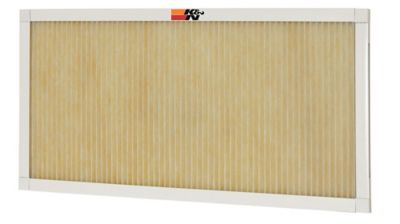
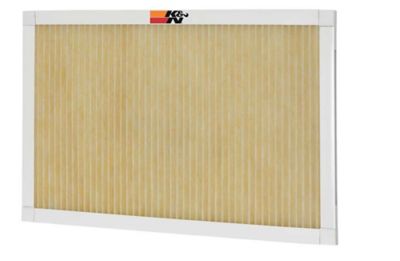
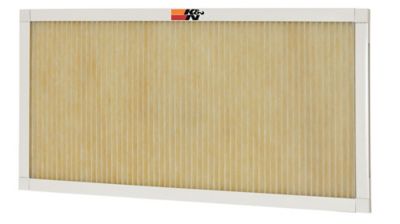
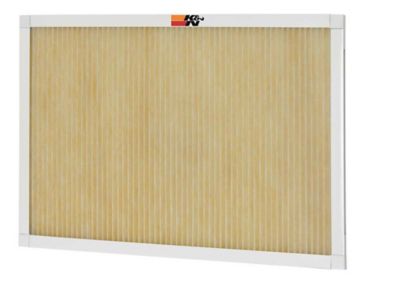
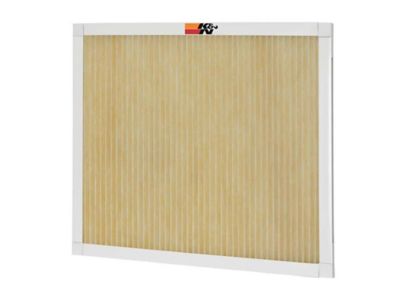
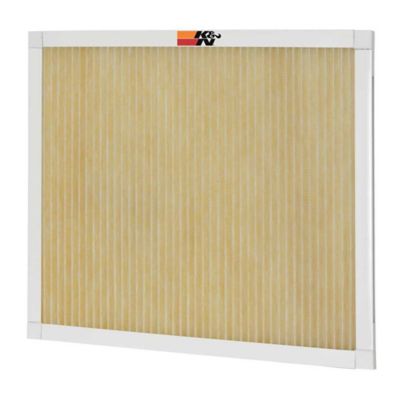
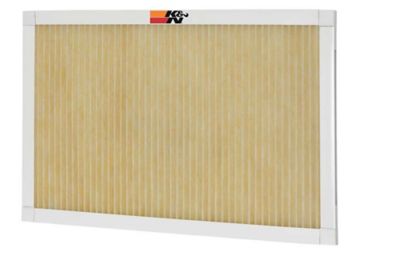
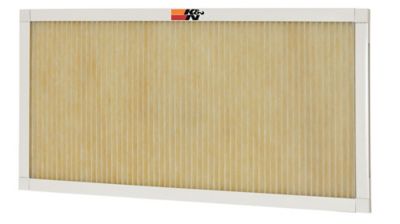
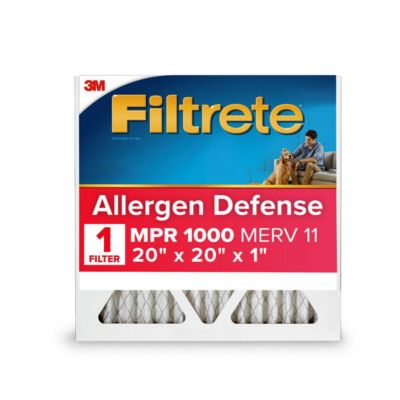
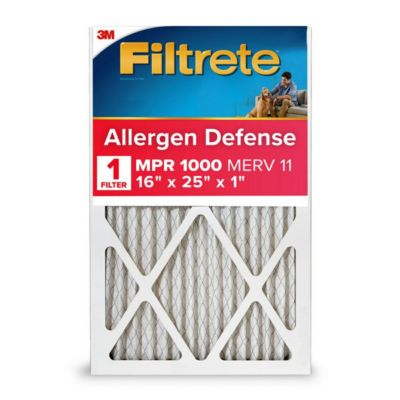
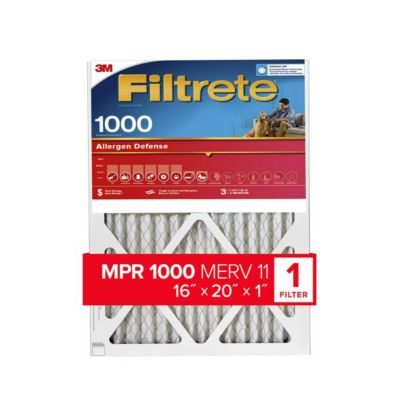
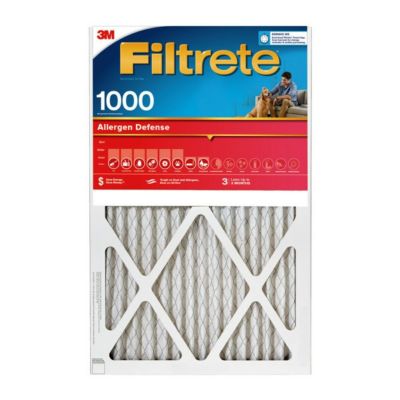
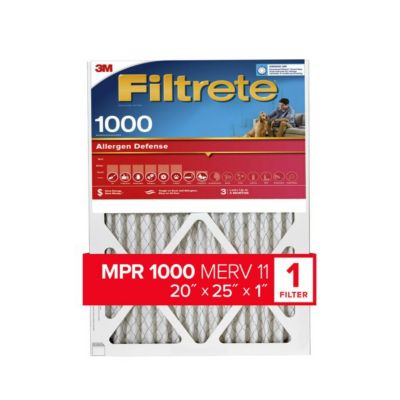
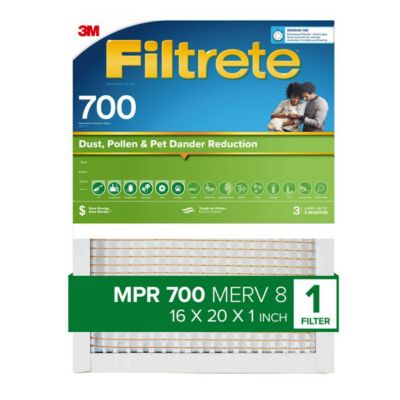
Pleated filters are a practical choice for many homes, barns, workshops, offices, and other buildings with a forced-air heating or cooling system. Instead of using one flat sheet, these filters fold the filter media into an accordion-style pattern. Those folds create more surface area in the same frame, giving the filter more room to catch dust, pollen, lint, pet dander, and other airborne particles before they reach the blower, coils, and ductwork. A cleaner system can help protect heating and cooling equipment from built-up debris, while a well-fitted filter helps keep everyday air movement from carrying as much dust through the building. Pleated filters are commonly used with furnaces, central air conditioners, heat pumps, and air handlers, with standard depths and sizes made for many residential setups. Before ordering, check the old filter and the filter slot carefully. The size printed on the frame may be a nominal size, while the actual measurements can be slightly different. Match the length, width, and thickness as closely as possible, and make sure the filter will slide into place without bending, leaving gaps, or getting wedged. A filter that is too small can let air slip around the edges, and one that is too thick may not fit or may interfere with the system door. If your heating or cooling setup uses a less common size, look for the exact dimensions printed on the existing filter or measure the opening with a tape measure. When comparing options, you can also browse
Mechanical Filters for additional filtration types used in equipment and air-handling applications.
The MERV rating is another important part of choosing pleated filters. MERV, or Minimum Efficiency Reporting Value, indicates how effectively a filter captures particles of different sizes under test conditions. For many homes and light-duty buildings, a MERV 8 filter offers a useful balance of everyday dust and basic allergen control while allowing the system to move air as designed. Higher ratings, such as MERV 11 through MERV 13, can capture a greater share of smaller particles, including finer dust, smoke-related particles, and some microscopic airborne material. More filtration is not automatically better for every system, though. A high-efficiency filter can be more restrictive, especially when it is packed into a shallow 1-inch frame, and restricted airflow may cause a furnace or air conditioner to work harder. The owner’s manual or equipment manufacturer’s guidance is the best place to confirm the recommended rating. If the home includes shedding dogs or cats, frequent dust from gravel roads, woodstoves, farm work, or seasonal pollen, a pleated filter with a suitable efficiency rating may help manage the extra load. Homes with allergy concerns may benefit from a higher rating when the HVAC system is built to handle it, but airflow should always come first. A filter that looks dirty after a short time is not necessarily a bad sign; it may simply be doing its job in a dusty house, during haying and harvest work, or while pets are spending more time indoors. Take a look at the filter about every 30 days, particularly during periods when the furnace or air conditioner is running often. Hold it up to a light or inspect the pleats for a gray, fuzzy coating. Heavy dust, visible debris, a musty smell, or noticeably reduced airflow are good reasons to replace it sooner rather than waiting for a scheduled date.
For many standard disposable 1-inch pleated filters, replacement often falls in the 60- to 90-day range, but that is only a starting point. A lightly occupied home with little dust may go closer to the longer end, while a busy household with pets, children, smoking, renovation work, or rural dust may need more frequent changes. During the warmer season, cooling equipment may run for long stretches and pull in more outdoor pollen and fine dust. As the weather turns cooler, heating systems may run day and night, making regular filter checks just as important. Marking the installation date on the filter frame or keeping a spare on the shelf can make this chore easier, especially when the first cold snap has everyone thinking about chores other than the furnace closet. Turn off the system before removing the old filter, note the direction of the airflow arrow, and install the replacement with that arrow pointing toward the blower or air handler. Make sure the filter sits flat and the access panel closes securely. Disposable pleated filters should not be washed or shaken out for reuse unless the filter is specifically designed to be washable; washing can damage the media and reduce its performance. Filters are useful for protecting equipment and improving particle capture, but they are not a substitute for fixing duct leaks, controlling moisture, cleaning heavy dust at the source, or following professional maintenance recommendations. With the right size, a suitable MERV rating, and a simple inspection routine, pleated filters can be a dependable part of keeping the air moving through a home, shop, or outbuilding cleaner while helping heating and cooling equipment work through both warm and cool stretches of the year.