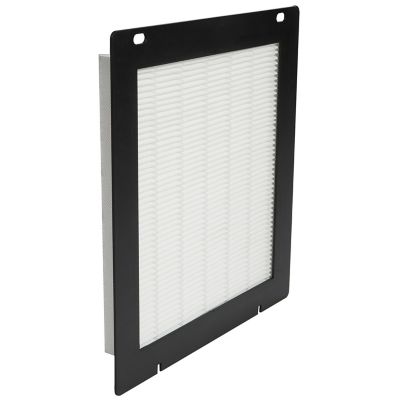
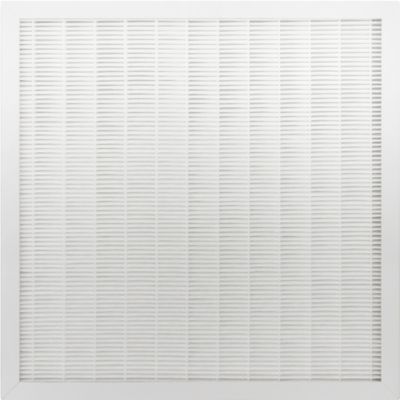
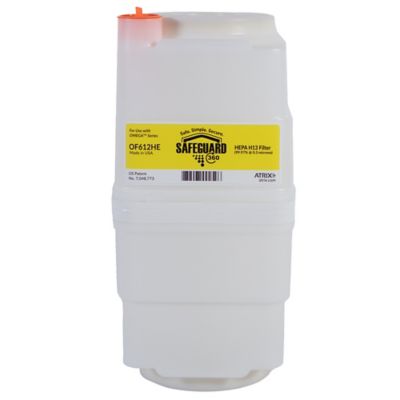
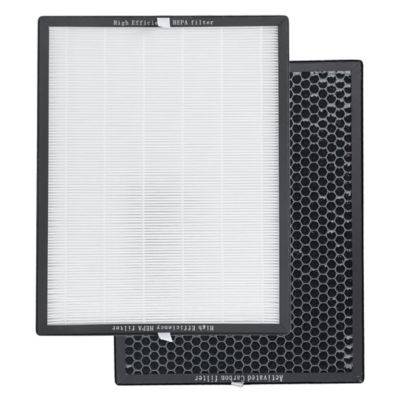
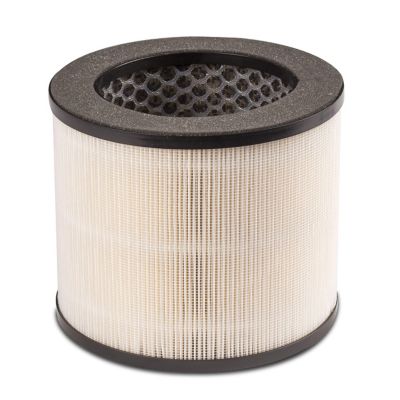
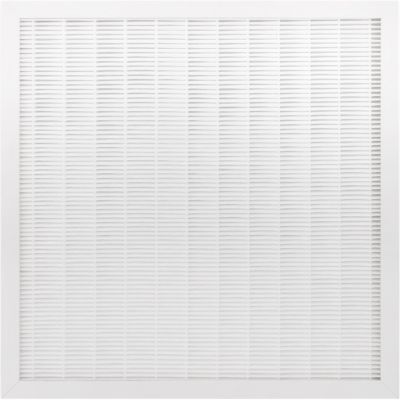
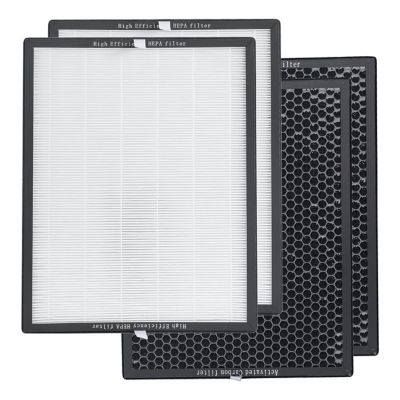
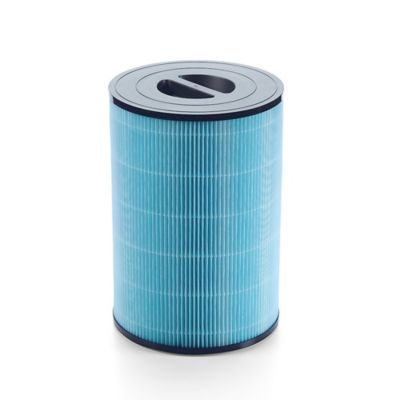
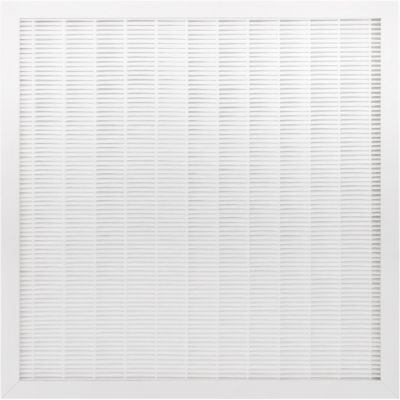
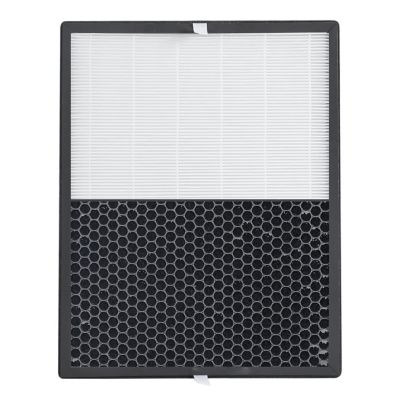
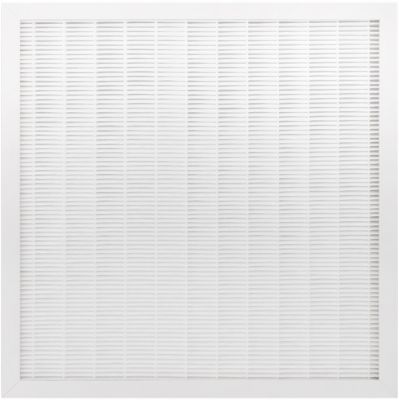
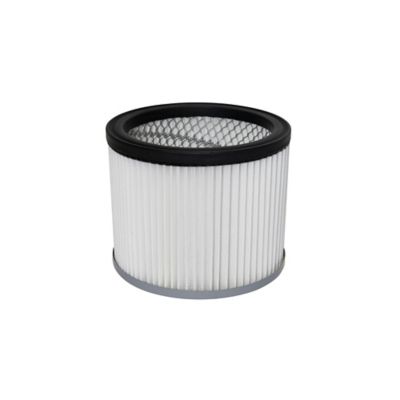
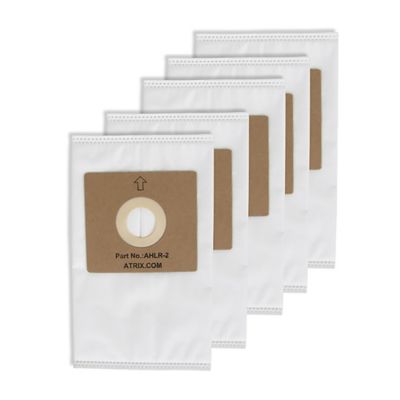
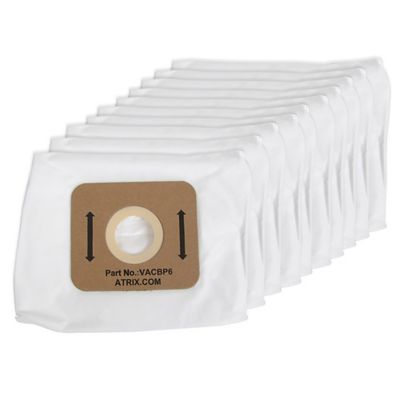
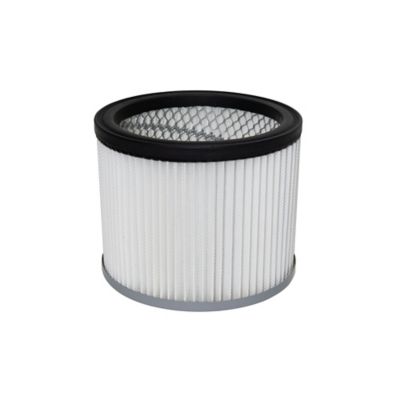
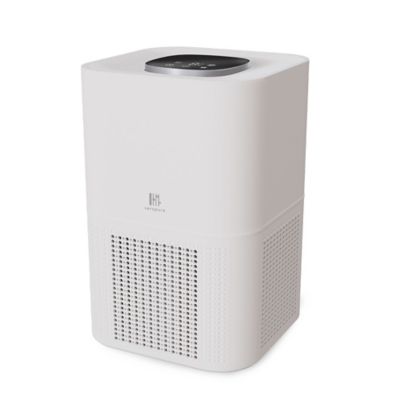
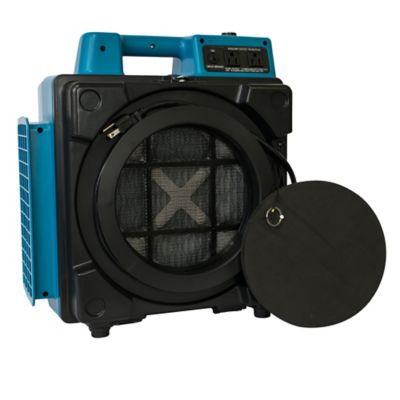
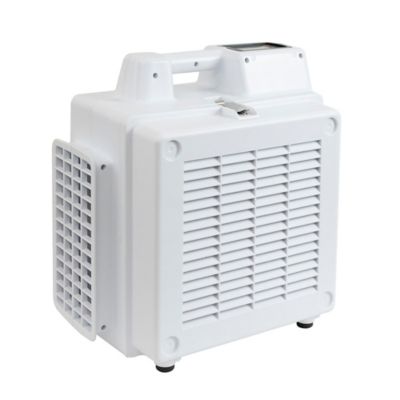
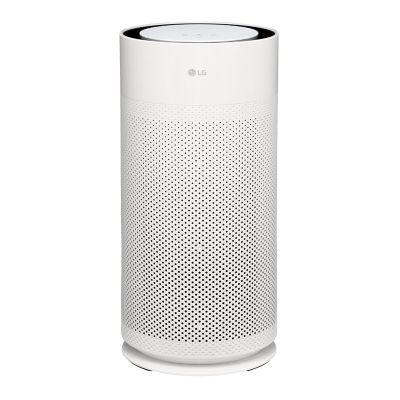
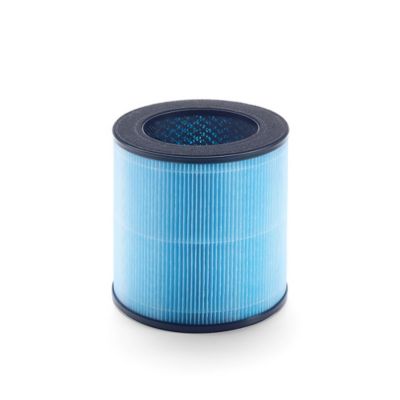
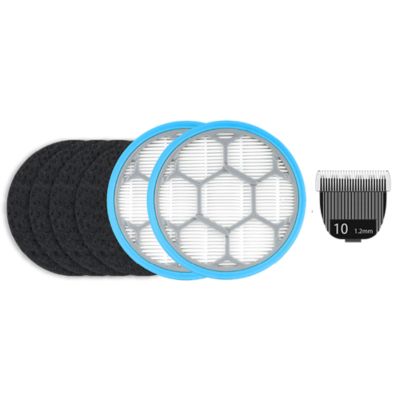
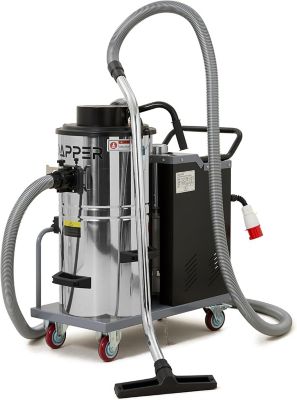
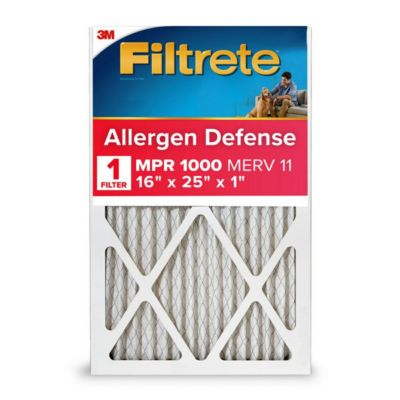
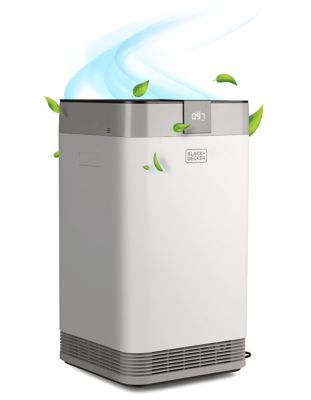
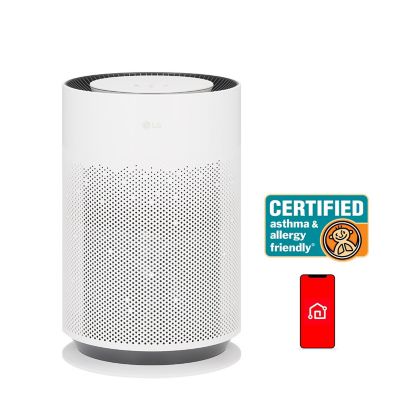
HEPA filters are made to help capture very small airborne particles as air passes through a tightly pleated, mechanical filter. A true HEPA filter is generally rated to capture at least 99.97% of particles measuring 0.3 microns, a test size often used because it is among the most difficult particle sizes for a filter to catch. In practice, HEPA filters can be even more effective at trapping particles that are larger or smaller than 0.3 microns. The filter media works in several ways at once. Larger bits of dust and debris run into the fibers and stick, medium-sized particles follow the moving air until they brush against a fiber, and the tiniest particles move in an uneven path until they collide with the filter material. This can help collect household dust, pollen, pet dander, dust mite debris, mold spores, smoke particles, and other fine airborne matter. HEPA filters are commonly used in room air cleaners, vacuum cleaners, and other air-handling equipment, making them useful around homes, barns, workshops, kennels, and offices where keeping airborne dust under control is part of the daily routine. Folks with pets, livestock, seasonal allergies, dusty hobbies, or indoor wood and repair projects may find them especially useful. A filter can also be a thoughtful, practical gift for a new homeowner, a pet owner, someone setting up a nursery, or a family getting ready to spend more time indoors during the cooler months. For room air cleaning, look for a replacement filter that matches the equipment’s model and filter size, along with the correct filter shape and frame. A filter that nearly fits is not a good fit; gaps around the edges can let unfiltered air pass around the filter instead of through it. Check the equipment label, owner’s manual, or old filter for the right specifications before ordering. If you are shopping for a room air cleaner rather than a replacement, compare the recommended room size, airflow rating, noise level, filter availability, and operating cost. A higher-efficiency filter may be helpful, but the unit still needs enough airflow to move air through the room effectively.
HEPA filtration is useful for particles, but it has limits worth keeping in mind. A standard HEPA filter does not, by itself, remove gases, chemical fumes, odors, or most volatile organic compounds from the air. For those concerns, equipment may use an activated carbon or charcoal stage alongside the HEPA filter. A pre-filter can also catch larger lint, hair, and dust before they reach the finer HEPA material, which may help extend the life of the main filter. This matters in homes with shedding dogs, cats, birds, or a busy mudroom where coats, boots, and outdoor gear bring in plenty of grit. In a farmhouse, a filter can collect fine dust stirred up by bedding, hay, tracked-in soil, or household cleaning, while a shop setup may help with particles produced by sanding or other work; however, a room air filter should not replace proper ventilation, respiratory protection, or dust collection made for the task. The same goes for smoke, strong fumes, and other hazards. Use the filter in equipment designed for it, keep the unit’s air intake and exhaust clear, and follow the manufacturer’s instructions for placement and operation. Setting a room air cleaner where air can circulate freely—rather than tucked behind furniture or pushed tight against a wall—can make a noticeable difference. Many people place one in a bedroom, living room, pet area, or home office, while others use filtration in a basement, laundry room, or enclosed porch where dust and dander tend to settle. During warmer weather, open windows and outdoor air can bring in pollen and fine dust; as the weather turns cooler and windows stay closed, indoor air may circulate more often through the same rooms. Replacing or cleaning the pre-filter as directed helps maintain airflow through both seasons. Never wash a HEPA filter unless the equipment instructions specifically say it is washable, since moisture can damage the filter media and encourage unwanted growth if the filter is put away damp.
Filter life depends on the equipment, hours of use, indoor conditions, and the amount of dust or smoke in the surrounding air. Many residential HEPA filters are replaced about every six to 12 months, though a home with pets, renovation dust, frequent cooking smoke, or poor outdoor air quality may need a fresh filter sooner. A visibly gray or loaded filter, reduced airflow, unusual odor, or a filter-change indicator are all good reasons to inspect the unit. A clogged filter makes the equipment work harder and can restrict airflow, reducing the air cleaner’s overall performance. On the other hand, replacing a filter too early can add unnecessary expense, so it is sensible to check the filter on a regular schedule and follow the equipment maker’s guidance. Keep replacement filters stored in their original packaging until they are needed, away from moisture, livestock areas, and heavy dust. When installing one, pay attention to the airflow arrow and make sure the filter sits flat and seals properly. If you are comparing options on our
Hepa Room Filters page, consider the room where the filter will be used, the kind of particles you want to manage, the expected running time, and how easy it will be to find replacements later. A quiet, correctly sized setup may be a better choice for a bedroom, while a unit with stronger airflow may suit a larger living area or a busy household. For a pet room or rural home where fur and tracked-in dust are part of everyday life, a washable outer pre-filter can be especially handy. Take a few minutes to match the filter to the equipment and keep up with replacement, and your air-cleaning setup will be ready to do its job through changing seasons, muddy-footed days, open-window weather, and the long stretch of indoor time that comes with cooler air.