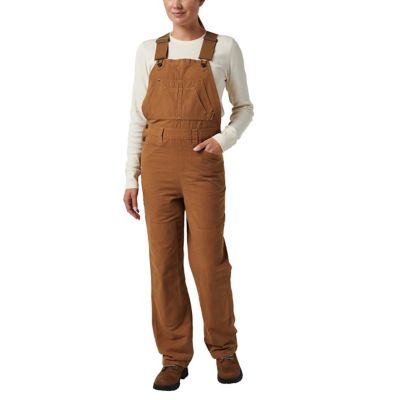
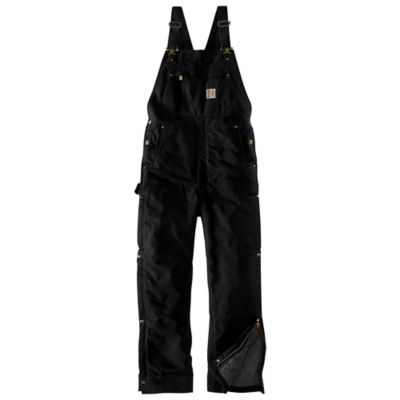
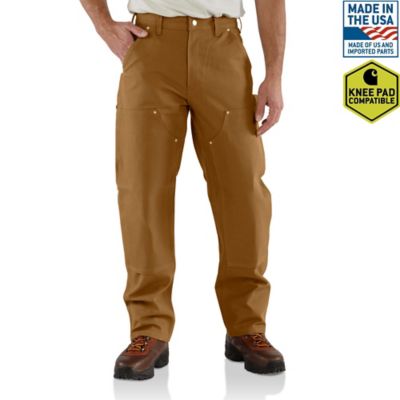
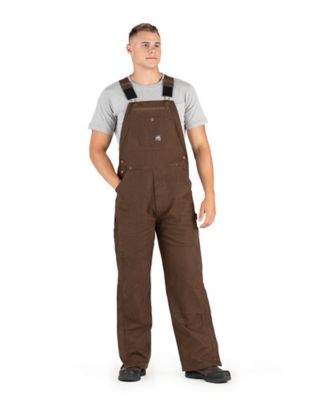
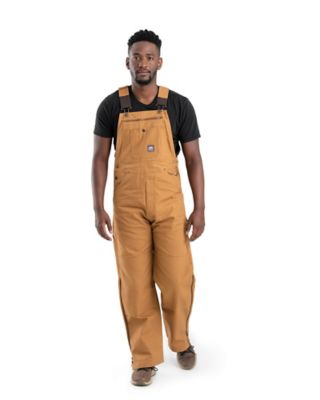
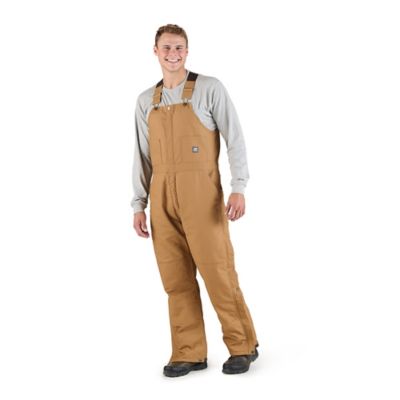
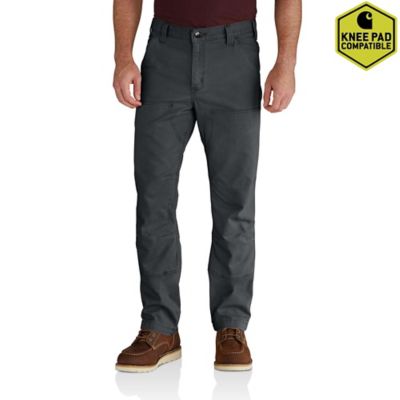
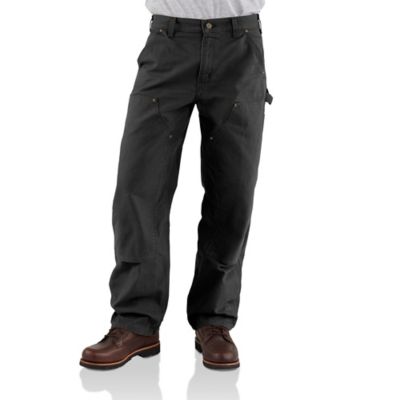
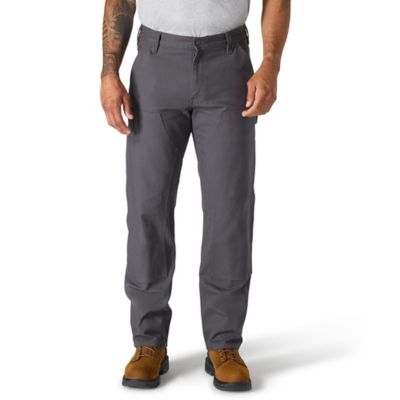
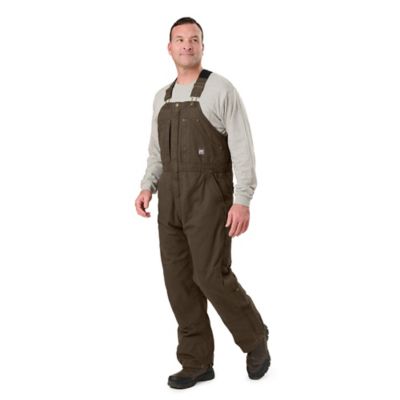
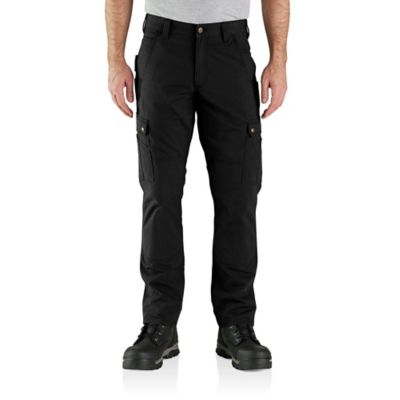
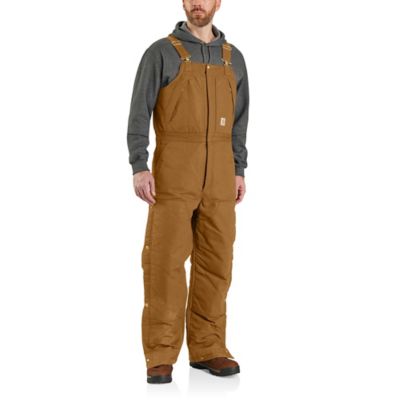
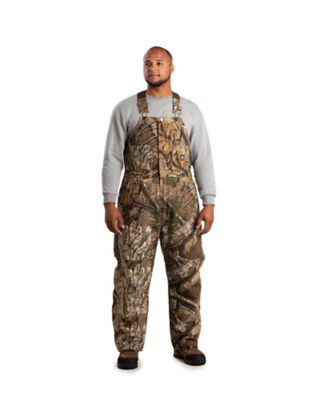
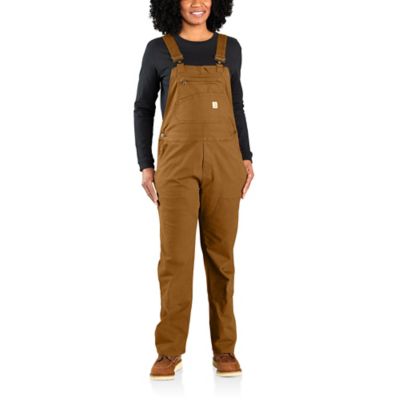
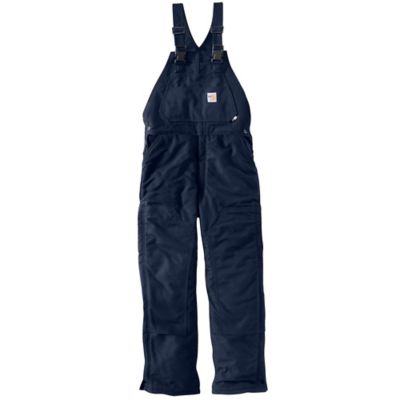
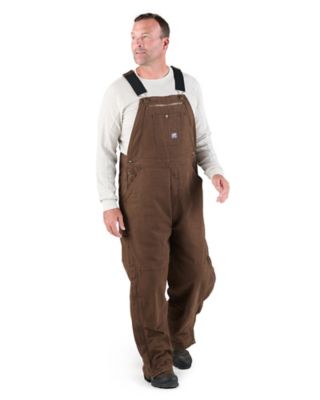
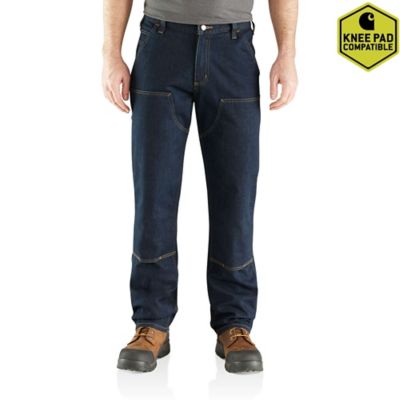
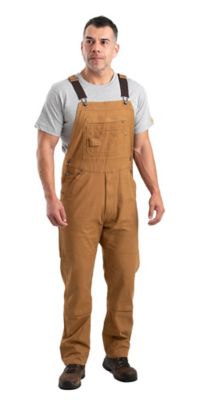
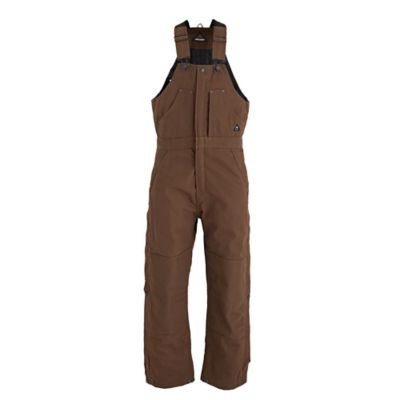
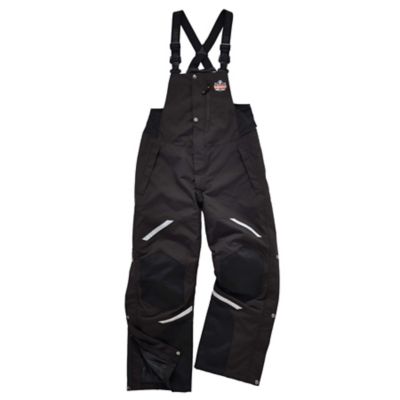
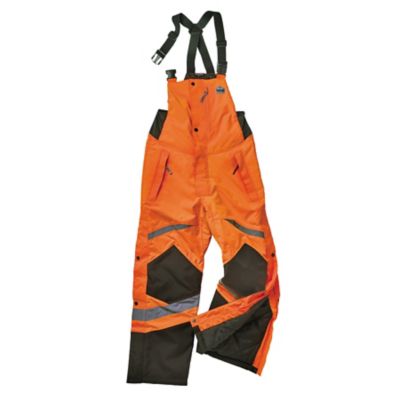
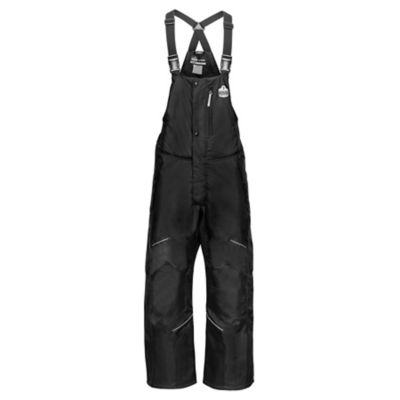
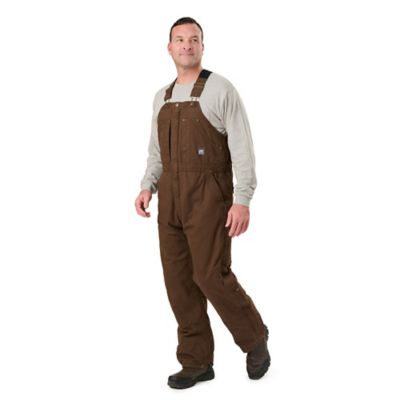
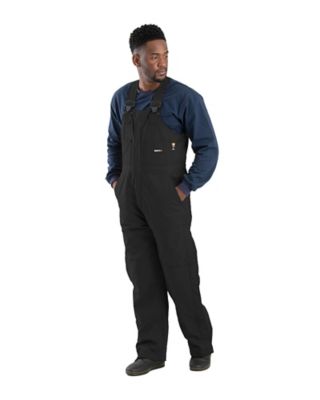
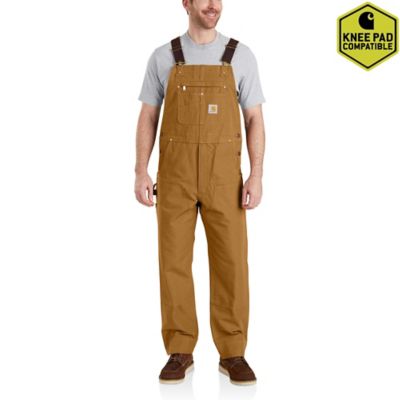
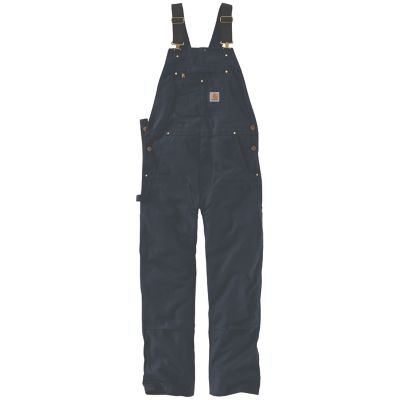
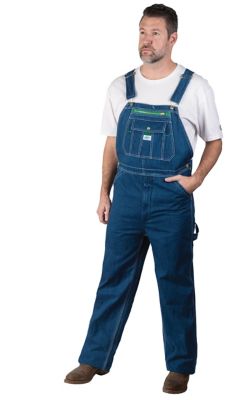
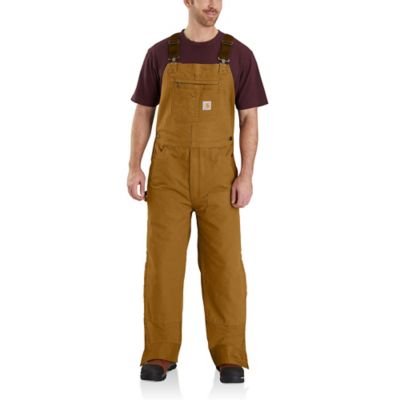
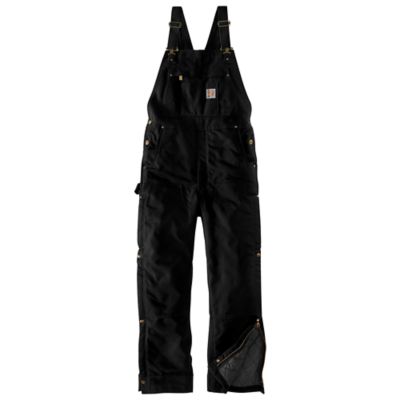
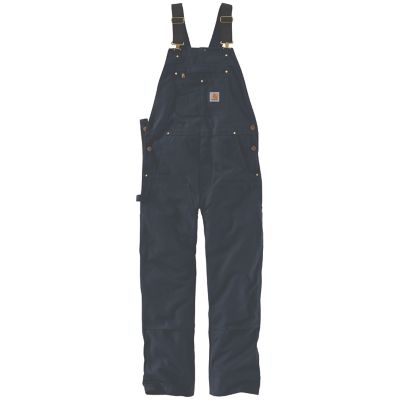
Work overalls with knee pads bring the coverage and storage of work bibs together with cushioning for jobs that put you down on your knees. That combination makes sense for laying flooring, setting fence hardware near the ground, repairing equipment, building cabinets or tending raised beds. Instead of fastening separate straps around each leg, pad-compatible overalls hold inserts in pockets positioned over the knees. Some designs have integrated padding, while others accept removable inserts; knee pad pockets alone do not necessarily mean pads come with the garment. The distinction matters when putting together a work outfit, especially for someone who spends part of the day standing at a bench and the rest crouched beside a tractor or kneeling on a shop floor. Padding can help ease contact with hard surfaces, but its coverage and cushioning depend on the insert, pocket placement and fit. It does not make every surface safe to kneel on or replace task-specific protective equipment. Nails, sharp scrap and other hazards still need to be cleared from the work area. Compared with regular work pants, bib overalls also extend coverage up the front and stay supported by shoulder straps, leaving less need for a tight waistband. A roomy bib pocket can keep a carpenter’s pencil or small notepad close, and lower utility pockets give frequently reached-for tools a place to ride. For farmers, mechanics, carpenters, maintenance crews and folks tackling repairs around the place, the appeal is straightforward: clothing that moves between standing, bending and kneeling without constant adjustment. For a gift, work overalls with knee pad pockets are most practical when the wearer’s measurements, usual tasks and preferred inserts are known. Someone who kneels briefly to change a mower blade may want a different pad shape and garment weight than a flooring installer spending hours close to the ground. Those everyday differences matter more than simply choosing the thickest fabric or the largest pad.
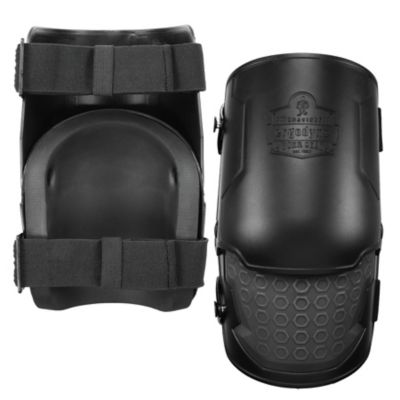
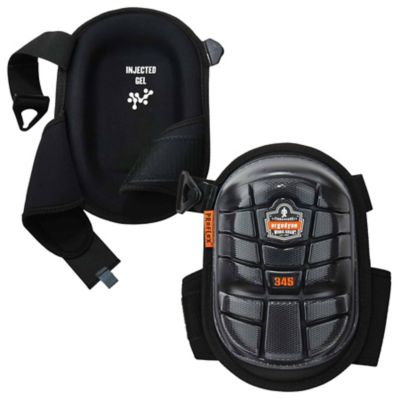
Fabric and construction determine how work overalls handle rubbing, pulling and repeated movement. Cotton duck and canvas generally have a firm, substantial feel that suits contact with rough lumber, workshop benches and equipment. Polyester-cotton twill offers another approach, combining cotton with fibers that can help the garment hold its shape through regular wear and washing. Nylon blends can provide abrasion resistance without the same heft as heavy canvas, while a small amount of stretch fiber helps fabric give when stepping onto equipment or reaching beneath a workbench. Stretch woven into the garment is different from extra room in the cut: one lets the material flex, while the other provides space for the body to move. Both can matter when knee inserts take up room inside the legs. Reinforced knee panels help protect areas that rub against floors, and reinforced seams at the seat, crotch and pocket corners support spots that take repeated strain. Double-knee fabric, however, is not automatically a knee pad pocket; a pocket needs an opening and a shape meant to hold an insert. Depending on the design, inserts may load through the top or bottom, with a flap or fastening that helps keep them in place. Some pockets offer more than one pad position so the cushioning can sit over the kneecap rather than below it. Insert dimensions, thickness and flexibility need to match the garment’s pocket design. A pad that bunches inside its pocket can interfere with bending, while one that shifts too freely may move away from the contact point. For jobs that call for separate, strap-on protection instead of garment inserts,
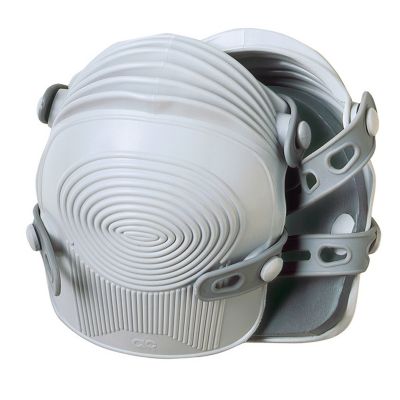
Heavy Duty Knee Pads offer another way to approach kneeling work. Separate pads and pocket inserts are different formats, so their attachment methods and intended applications deserve attention. Cushioning may come from foam or other flexible materials, and performance should be judged by the maker’s stated use rather than thickness alone. Any protection rating needs to apply to the particular pad or garment-and-pad combination, not merely to the appearance of a reinforced knee.
Fit is what brings the fabric, pockets and knee padding together into a workable outfit. Waist and inseam measurements are a starting point, but bib length, shoulder strap adjustment and room through the seat and thighs also affect how overalls feel during a full day of chores. The knee pockets should line up with the knees in the positions the job actually requires, including a deep bend or a one-knee stance beside a gate hinge. An overly long leg can put padding too low, and straps pulled too tight can make the bib tug when reaching overhead. There should be enough room for the clothing worn underneath without loose fabric catching on corners or dragging across the floor. A gusseted crotch, shaped knees or stretch panels can help with climbing, squatting and stepping over low obstacles. Pocket placement deserves the same attention as sizing. A tape measure carried at the hip should not dig in when crouching, and a loaded thigh pocket should not push against the knee insert. Loose straps, hanging loops and tools also need to stay clear of moving machinery. Care requirements vary with the fabric, finishes and pad materials, so the garment label and insert instructions are the best reference for washing and drying. Removable knee pads may need to come out before laundering, and some inserts require separate cleaning rather than a trip through the washer. Clearing grit from knee pockets helps keep abrasive particles from grinding against the fabric and padding. Regular checks for thinning knee panels, opened seams, torn pocket closures or flattened inserts can show when part of the setup needs attention. Strong fabric can keep going even after cushioning loses its shape, so the garment and pads deserve separate checks. Work overalls with knee pads earn their place through that combination of sensible fit, well-placed storage, reinforced construction and cushioning suited to the task, whether the day involves fitting baseboards in the house or working through the repair list out in the barn.