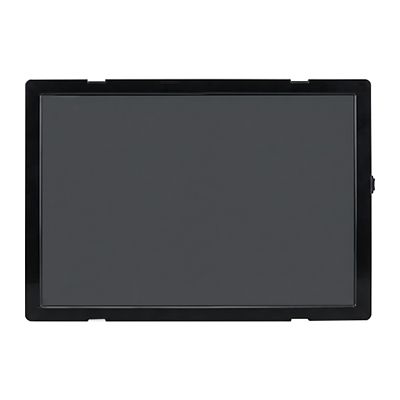
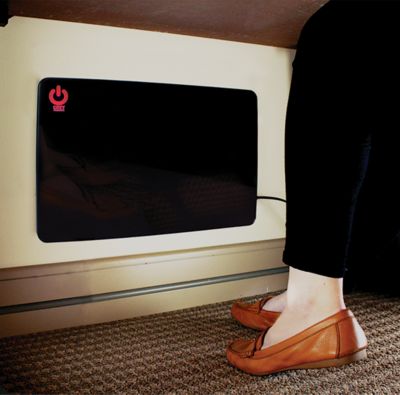
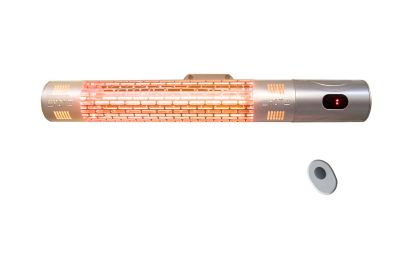
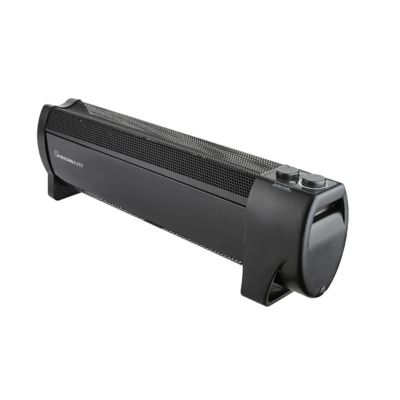
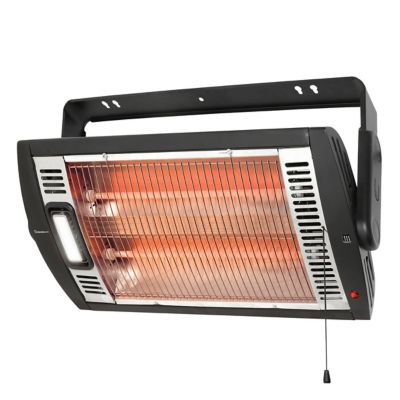
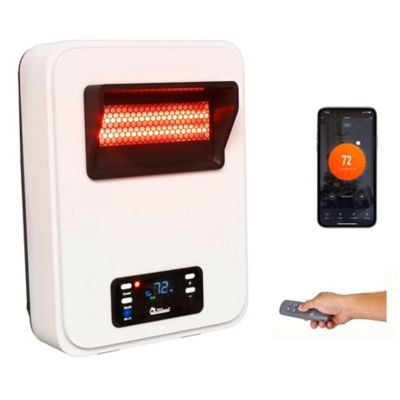
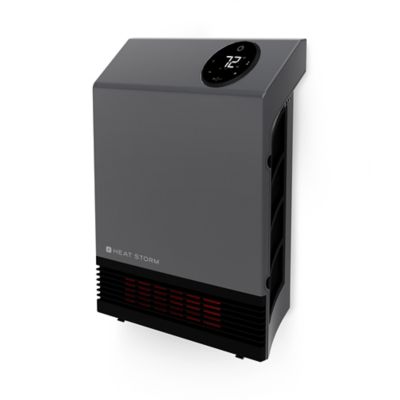
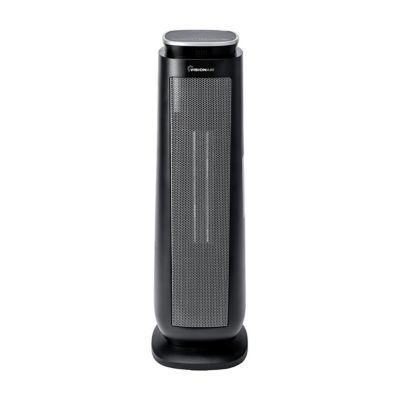
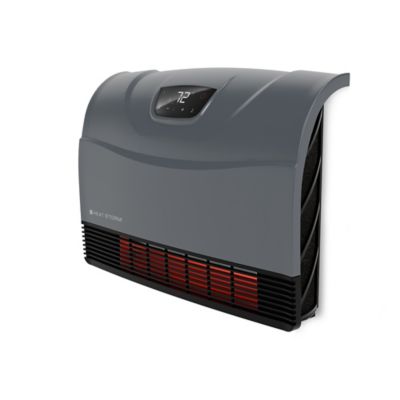
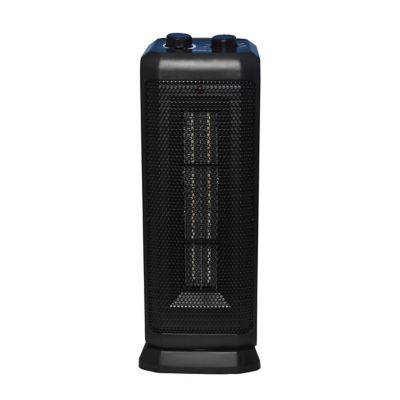
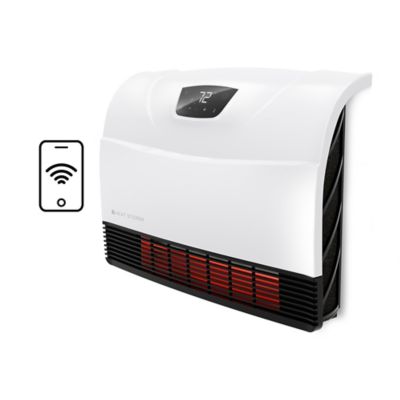
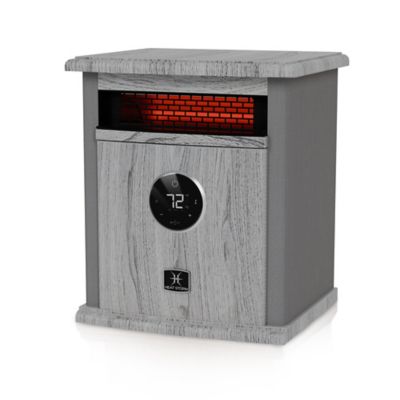
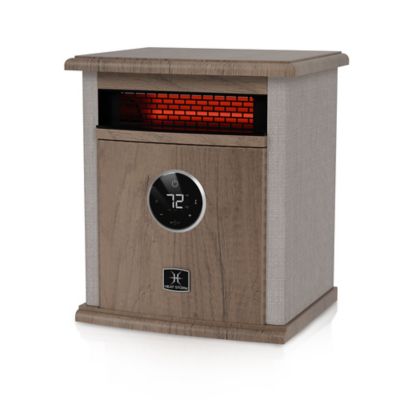
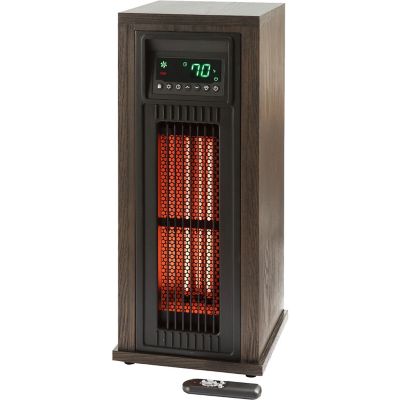
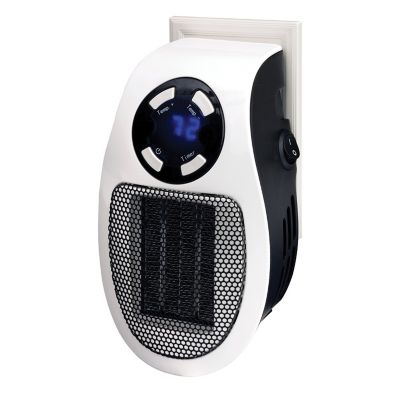
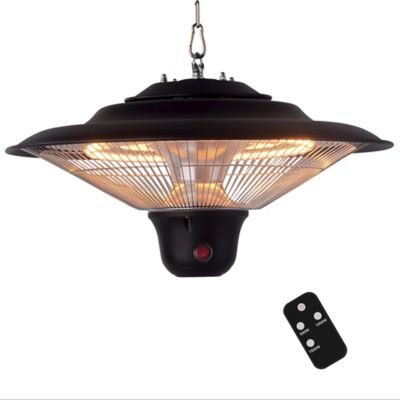
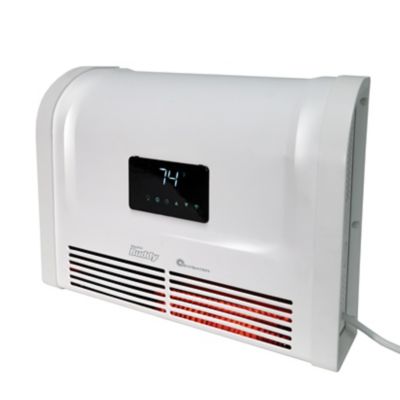
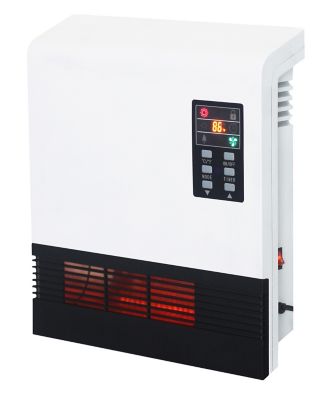
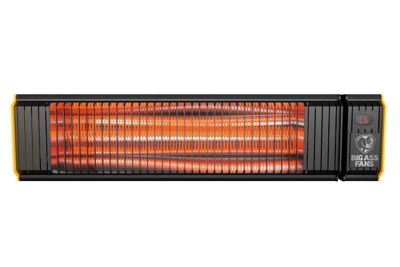
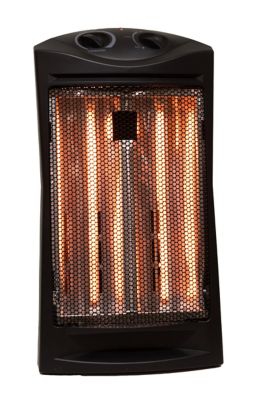
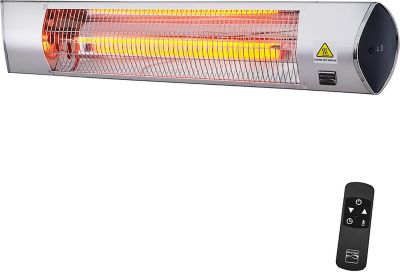
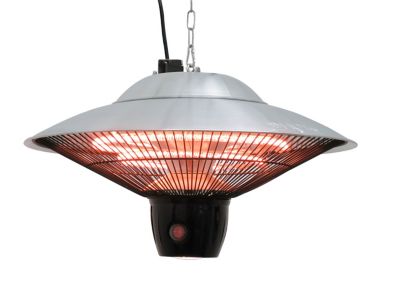
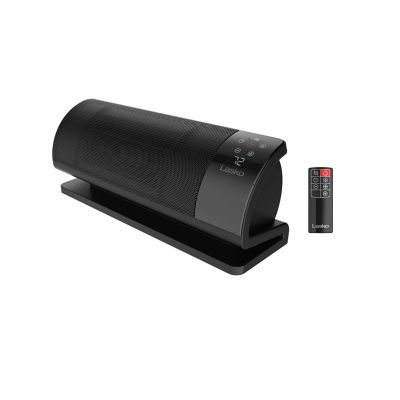
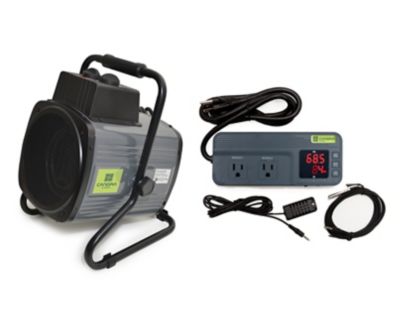
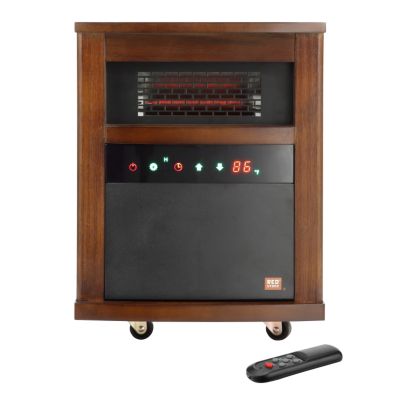
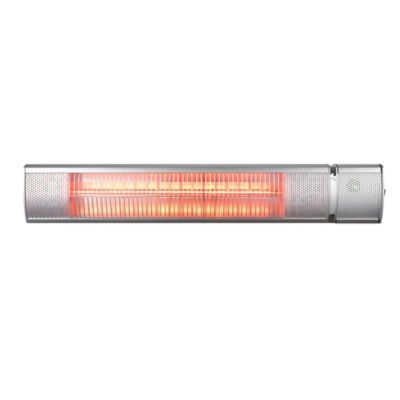
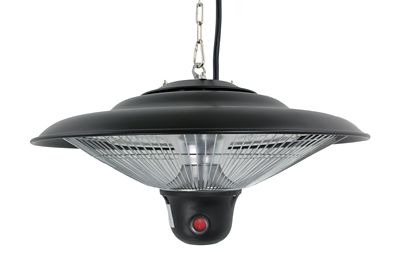
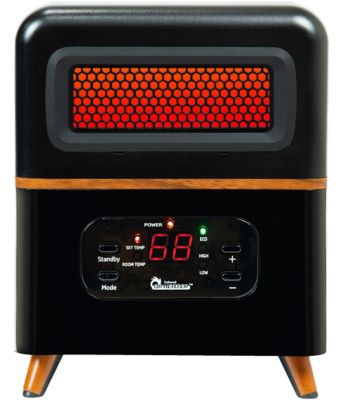
Panel heaters are a handy way to add comfortable warmth without taking up much floor space. These slim electric heaters can be mounted on a wall, set up with freestanding feet or placed in a small area where a bulky heater would get in the way. They’re often used as supplemental heat in bedrooms, home offices, enclosed porches, workshops, cabins, entryways and other spaces that feel chilly while the rest of the home is comfortable. In a farmhouse or older home, one room may hold onto a draft longer than the others, and a panel heater can help take the edge off without turning up the thermostat for the whole house. They can also be useful in a garage office, tack room or hunting cabin when you need a little extra warmth close by. Most panel heaters use either convection or infrared radiant heat. Convection models warm the air, which rises and circulates through the room for steady, even comfort. Infrared models send radiant heat toward nearby people and objects, making them a good fit for targeted warmth at a desk, chair, workbench or reading spot. For more information about this style of direct, focused heat, explore
Radiant Heaters. Panel heaters are generally quiet, with no fan noise on many models, and their slim profile works well in rooms where floor space is already claimed by furniture, boots, pet beds or storage bins. They may be a thoughtful housewarming gift for someone settling into a drafty older home, a practical present for a student or remote worker, or a useful addition to a cabin or workshop. Their simple appearance also makes them easy to blend into living spaces, bedrooms and finished outbuildings.
When choosing a panel heater, start with the space and the kind of warmth you want rather than shopping by appearance alone. A compact, lower-wattage unit may be well suited to a personal workspace, small bedroom or enclosed area, while a larger room with high ceilings, poor insulation or frequent door opening may need more than one heat source. Panel heaters are commonly designed for supplemental warmth and small spaces, not as a replacement for a home’s primary heating system in a large, especially cold room. Check the heater’s wattage, recommended coverage and electrical requirements, and make sure the outlet and circuit can safely handle the load. Plug-in models are convenient for renters, seasonal cabins and flexible room-to-room use, while hardwired units offer a more permanent installation and should be connected by a qualified electrician. Some models can be wall mounted, ceiling mounted or used with feet, so think about where the heater will sit, how close it will be to an outlet and whether you want to move it later. A built-in thermostat helps maintain a more consistent temperature and can reduce the need to switch the heater on and off by hand. Digital controls may make it easier to set a precise temperature, while Wi-Fi or app-enabled features can be useful for checking settings before you arrive at a weekend place or adjusting warmth from across the room. Basic manual controls remain a dependable choice for a mudroom, shop or other spot where straightforward operation matters most. As the weather warms and cools through changing seasons, a portable setup can be especially useful because it lets you heat only the space you’re using instead of wasting energy on empty rooms.
Safe placement matters with any electric heater. Follow the manufacturer’s installation and clearance instructions, keep clothing, bedding, paper, curtains, hay, straw and other combustible materials away from the heating surface, and never cover a panel heater while it is operating. Set freestanding units on a stable, level surface where they cannot be knocked over by a dog, child, boot or piece of equipment. Keep cords out of walkways and away from damp areas, and use the recommended outlet rather than an overloaded extension cord or power strip unless the instructions specifically allow it. In barns, sheds, garages and animal areas, pay close attention to dust, moisture and combustible bedding; many panel heaters are intended for dry indoor spaces and are not suitable for exposed outdoor use. A heater with overheat protection, tip-over protection or a cool-touch housing may offer extra peace of mind, but those features do not replace good placement and regular inspection. Before using a unit during the cooler months, look over the cord, plug, controls and mounting hardware for wear, and clear dust from the surrounding area. Panel heaters provide a comfortable, focused way to warm a room, work area or favorite chair, especially when you want quiet operation and a smaller footprint. With the right size, placement and controls, they can help make chilly mornings, drafty corners and long evenings indoors feel a whole lot more comfortable.