Paint for aluminum siding gives a house, workshop, or farm outbuilding a fresh finish while helping protect the metal beneath it. A 100% acrylic exterior paint is often a good fit because its flexible film accommodates the slight expansion and contraction of aluminum panels. Acrylic latex describes a water-based coating, not a paint containing natural rubber, and the acrylic content matters when comparing formulas for exterior metal. The important detail is whether the label specifically allows application to aluminum siding and identifies any required primer. A coating intended for interior walls or wood alone is not automatically suited to a metal exterior. Direct-to-metal acrylic paint is another category worth considering, though the name does not mean every formula can go over every surface without preparation or primer. Some coatings permit application directly to properly prepared aluminum, while others have different requirements for bare metal, an intact factory finish, or a previously painted surface. Those distinctions matter on a building where one wall still has its original coating and another has worn patches around corners, seams, or old fastener holes. Aluminum does not develop the reddish rust associated with iron and steel, but it can oxidize, and an aging finish may leave a pale, powdery residue. Paint needs a firm, clean foundation rather than a layer of chalk, grease, or loose coating. For that reason, adhesion, surface compatibility, and the condition of the existing finish matter just as much as color. An exterior metal primer may be part of the coating system, especially where bare aluminum is exposed or the paint label calls for it. When a formula lists resistance to fading, moisture, or peeling, those claims should be considered alongside its preparation requirements. Even a suitable coating cannot hold a loose layer underneath it in place. For homeowners maintaining an older ranch house, property owners freshening up rental siding, or folks repainting a shop beside the driveway, the best match starts with the metal and finish already on the building.
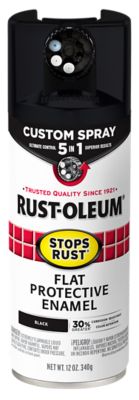
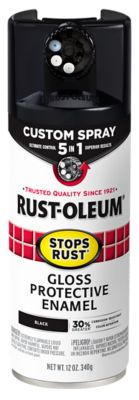
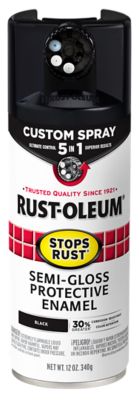
Finish and color have a big say in how aluminum siding looks across a whole wall, not just on a small sample. Satin and low-luster exterior finishes are common choices because they provide a modest sheen without the stronger reflections of gloss. Depending on the formula, that softer appearance can make shallow dents, old brush marks, and slight variations between panels less noticeable. Flat finishes reflect less light, while glossier finishes tend to draw more attention to surface irregularities; washability and care requirements still depend on the individual coating. On horizontal siding, the shadow beneath each lap already adds definition, so a restrained sheen can keep a long wall from looking overly shiny. A simple white, soft gray, tan, or muted green can sit comfortably beside stone foundations, wood porch posts, and painted trim. Deeper colors can give a building a different character, but the existing finish, siding manufacturer's recommendations, and coating instructions remain important considerations before making a large color change. A small color sample viewed beside the roof, gutters, doors, and masonry gives a better sense of the finished look than a color viewed by itself. Matching the exact shade of an older wall can be difficult because the exposed finish may have faded unevenly. Painting a complete wall or another natural section of the building often creates a more consistent appearance than scattered touch-ups. Coverage is another practical comparison point. The square-foot coverage listed on a container is an estimate tied to the coating and application conditions, not a promise that every siding profile will take the same amount. Laps, embossed textures, panel edges, and a substantial color change can affect the amount required. Coat recommendations and recoat intervals also vary by formula. For a farmhouse with several additions or an outbuilding with a mix of original and replacement panels, planning around those differences helps keep the final color and sheen consistent from one section to the next.
The rest of the painting setup should suit the shape and condition of the siding. Brushes can reach narrow edges and seams, rollers can cover open sections, and a compatible sprayer can handle larger areas when nearby surfaces can be protected from overspray. Paint thickness, recommended roller nap, spray tip size, and thinning restrictions are formula-specific details, so those label directions carry more weight than a general rule for all exterior paint. A rougher siding profile calls for a different approach than a smooth, flat panel, and heavy application can collect along lap edges instead of producing an even film. Cleaners, primers, and topcoats also need to work together as a system. A cleaner that leaves residue can interfere with adhesion, and an unsuitable primer can create another weak layer between the metal and the finish. On older buildings, preparation deserves extra care: paint on a home built before 1978 may contain lead, and disturbing it can create hazardous dust. Lead-safe practices and qualified help may be appropriate before sanding or scraping. After painting, routine care is generally a matter of following the coating manufacturer's cleaning recommendations, avoiding abrasive scrubbing, and keeping an eye on places where rubbing branches, ladder contact, or loose hardware can damage the film. Paint can refresh the surface, but it will not straighten crushed panels, secure loose siding, or repair gaps that let water behind the wall. Those conditions call for repairs rather than a thicker coat. For properties with several aluminum surfaces,
Paint for Aluminum Garage Doors offers a related category to consider when coordinating siding and door colors. Each surface still needs its own compatibility check, since doors may have different factory finishes and moving joints. Whether the job covers a small shed or a full house exterior, a suitable aluminum siding paint brings together the right substrate approval, an appropriate finish, clear application requirements, and care instructions that fit everyday property upkeep.