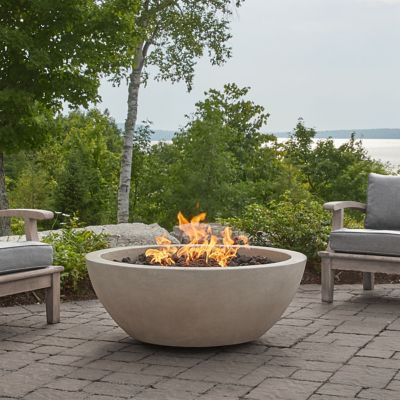
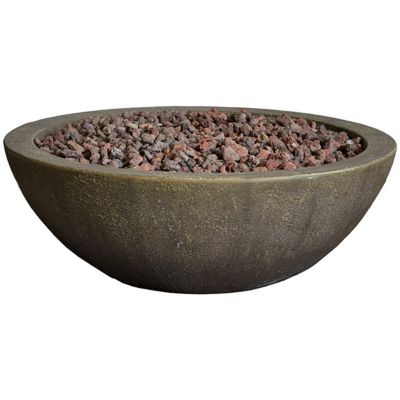
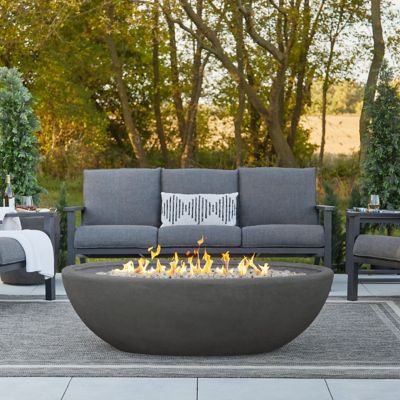
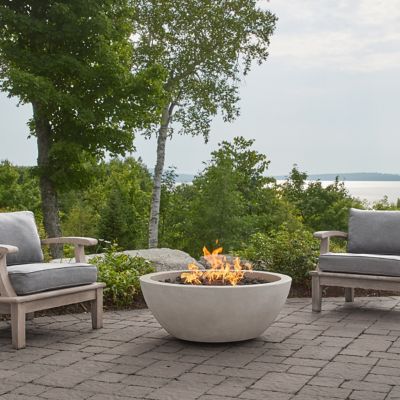
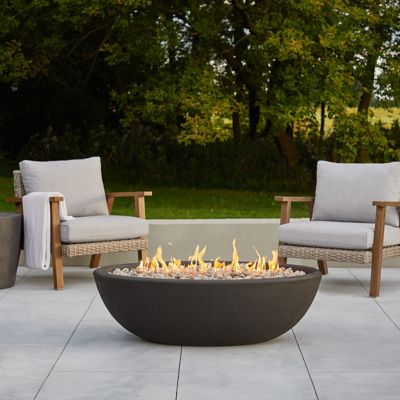
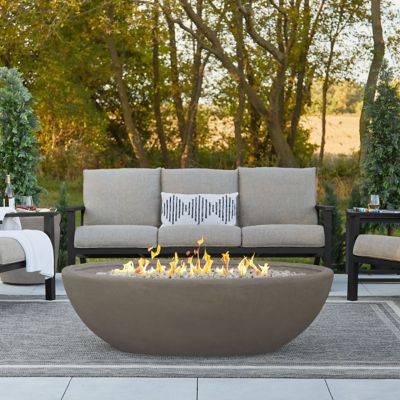
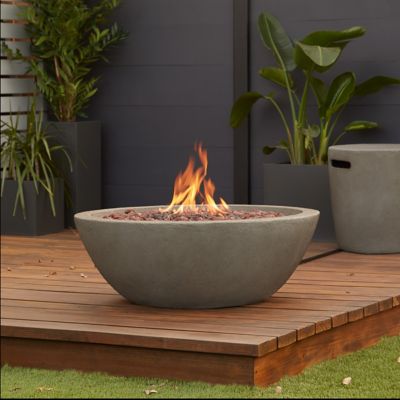
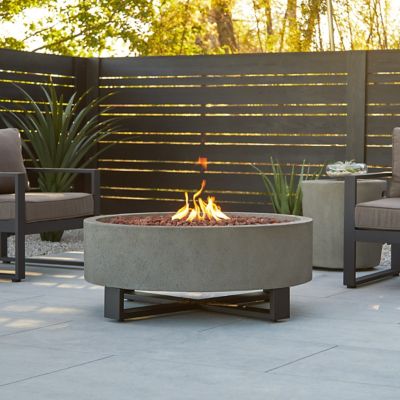
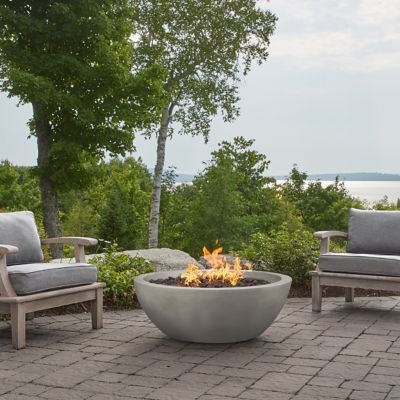
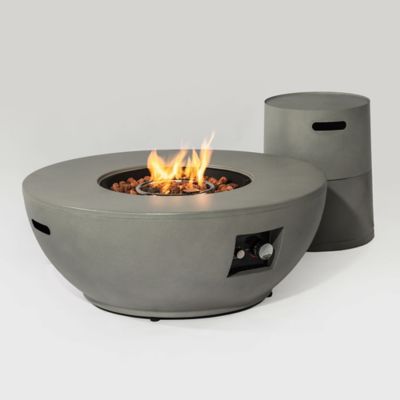
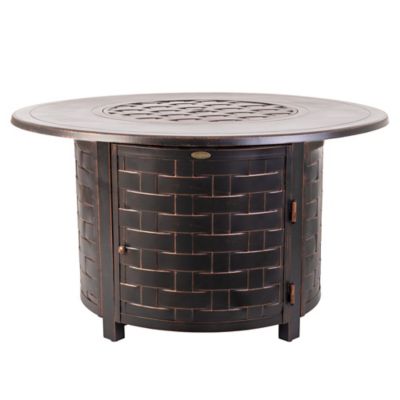
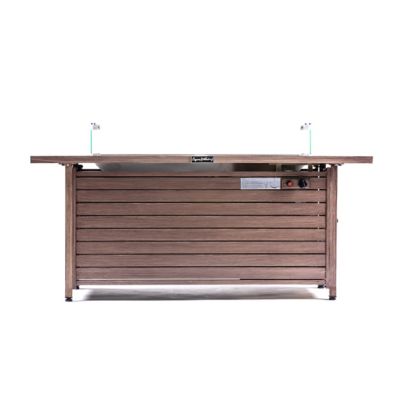
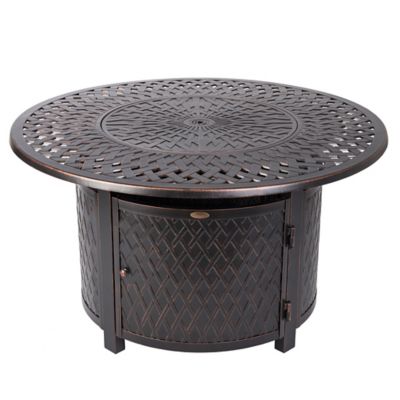
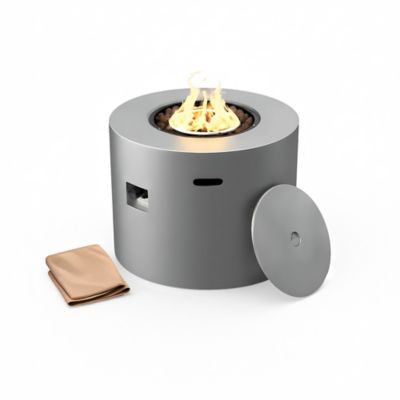
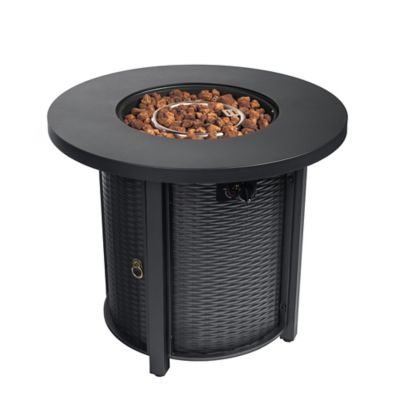
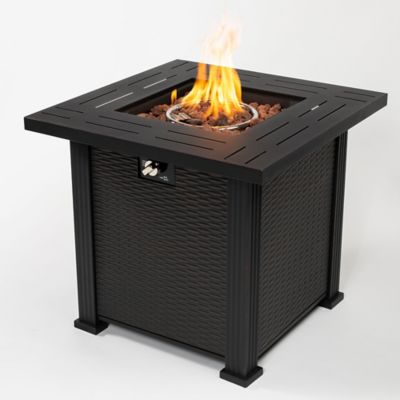
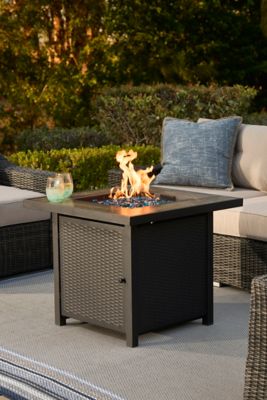
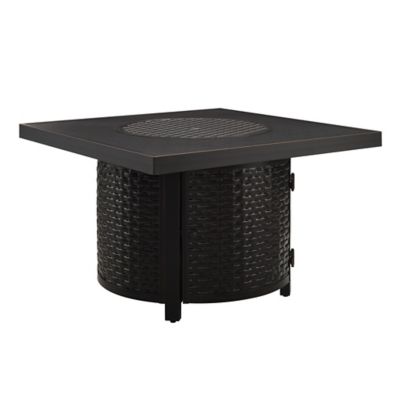
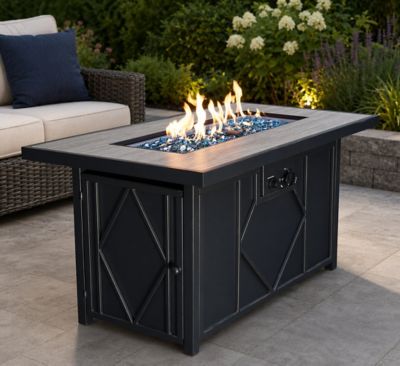
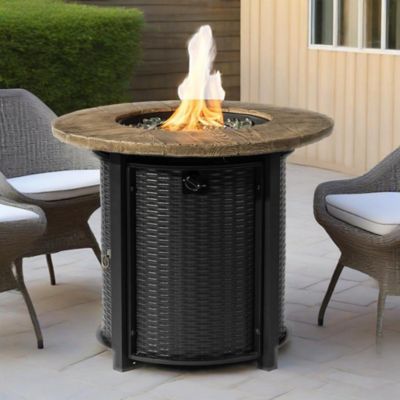
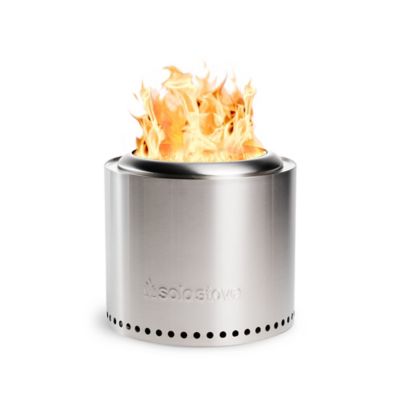
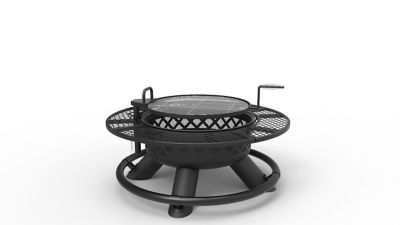
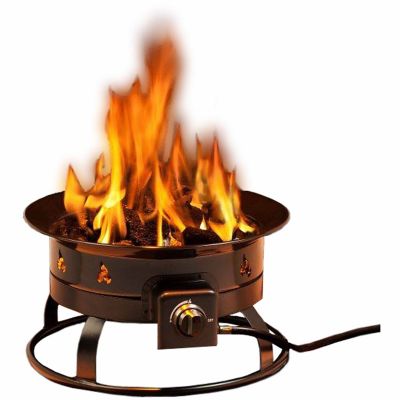
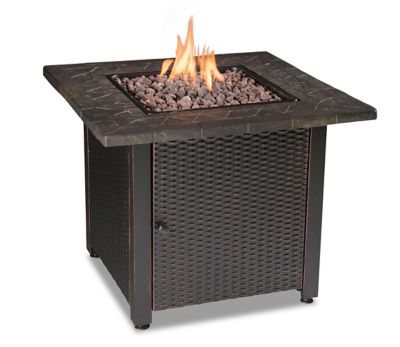
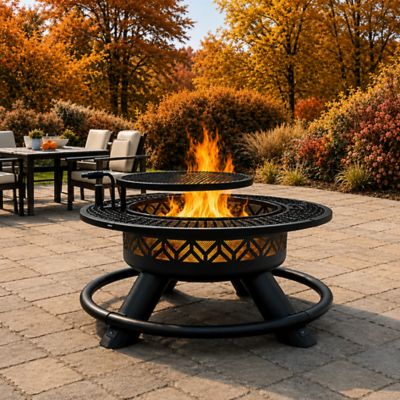
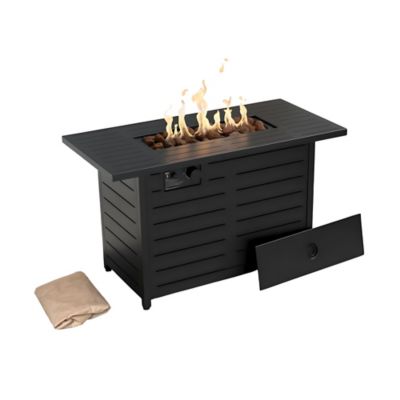
Outdoor propane fire bowls are gas-burning outdoor fire features that hold an open flame in a bowl-shaped vessel, bringing the glow and warmth of a fire to a patio or backyard seating area without hauling logs or clearing away wood ash. A propane burner sits beneath compatible fire media, such as lava rock or fire glass, while a connected propane cylinder supplies the fuel. Depending on the design, ignition may involve a push-button starter or another manufacturer-specified lighting method, and an adjustable control lets you raise or lower the flame within the burner’s operating range. Compared with wood-burning fires, properly operating propane fire bowls produce much less visible smoke and no flying wood embers, making them a practical fit for folks who enjoy sitting around a flame but would rather skip tending a stack of firewood. They still produce combustion gases and require a fully open outdoor setting with the clearances listed in the owner’s manual. The bowl shape gives the flame a central place in a seating arrangement, whether that means two chairs facing across a small patio or a wider circle where family gathers after chores. Low profiles keep the fire close to seated eye level, while taller bases can give the feature more presence in an open space. Some designs emphasize the bowl itself; others incorporate a broader rim or a base that conceals the propane cylinder. That difference affects both appearance and the amount of floor space the setup needs. A rim is not automatically a tabletop, so its intended purpose matters before setting down a mug or plate. These fire features suit conversation, quiet evenings outside and casual get-togethers where the fire is part of the setting rather than the main task. They are outdoor gathering features, not a substitute for a grill or cooking fire unless the manufacturer specifically permits that use.
Materials help determine how an outdoor propane fire bowl looks, how much it weighs and what kind of upkeep fits into everyday life. Powder-coated steel can offer a smooth, finished appearance, though chips and scratches need attention according to the manufacturer’s care directions to help limit corrosion. Stainless steel brings a different look and still benefits from cleaning to remove residue and buildup. Cast aluminum may reduce weight compared with some heavier constructions, while concrete and glass-fiber-reinforced concrete can give a bowl a substantial, stone-like appearance. The shell material alone does not tell the whole story: burner construction, protective finishes, drainage design and access to serviceable parts all contribute to long-term performance. A large, heavy bowl may make sense as a permanent focal point, while a more manageable design can better suit a patio layout that changes for family gatherings. Overall dimensions matter more than the bowl’s opening alone. The base, propane cylinder, hose route and required clearance all take up room, and chairs need enough space for people to stand and move without stepping over a fuel line or brushing against a hot edge. Tank storage varies by design, with some bases enclosing a compatible cylinder in a ventilated compartment and others requiring the tank to sit separately. An external tank arrangement needs a protected hose path and a placement that follows the product instructions; a hidden compartment still needs unobstructed ventilation and access to its valve. For seating areas built on a deck,
Propane Fire Pits for Decks is another category to consider, but any fire feature must be expressly suitable for the installation surface. A pad or barrier does not override the manufacturer’s restrictions. Overhead clearance and separation from siding, rails, furniture and other combustible materials remain part of the footprint, even when the bowl itself looks compact. A clear layout leaves the fire as the gathering point without crowding the people around it.
Heat output, fuel capacity and everyday care round out the practical differences among propane fire bowls. A BTU rating describes the burner’s fuel input, not a promise that an entire patio will feel evenly heated. Bowl dimensions, burner layout, flame setting and seating distance all influence the experience around the fire. A larger flame also consumes propane faster, so cylinder size and the selected setting affect how long a tank lasts. The correct regulator, hose and cylinder connection are essential; natural gas and propane components are not interchangeable unless the appliance has an expressly approved conversion system. Fire media deserves the same attention. Only the type, size and amount specified for the burner belong in the bowl, and ordinary landscaping stones are not substitutes for media rated for that purpose. Keeping burner ports, air openings and drainage passages clear helps the feature operate as intended, while cleaning methods should match the shell, finish and media. The flame must be off and the unit fully cool before cleaning or covering, with the fuel supply shut off as directed. A fitted cover can help keep debris out between gatherings, but it should never block ventilation while the appliance operates. Propane cylinders need upright outdoor storage in a ventilated location, away from ignition sources, rather than inside a home or enclosed shed. Children and pets also need separation from the flame and heated surfaces, including after the burner is turned off. Those everyday responsibilities are worth considering alongside the look of the bowl, especially in a busy yard where people come and go. For a housewarming or wedding gift, an outdoor propane fire bowl makes the most sense when the recipient’s space, fuel preference and willingness to handle routine care are already known. The right match feels at home with the way the space gets enjoyed: a modest circle of chairs for catching up, a roomy patio for family visits or a quiet spot to settle in after the day’s work.