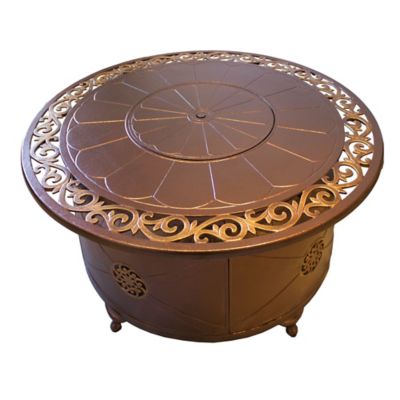
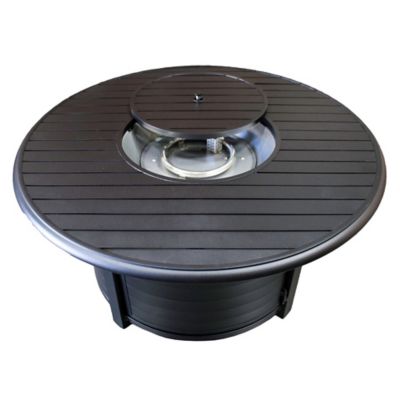
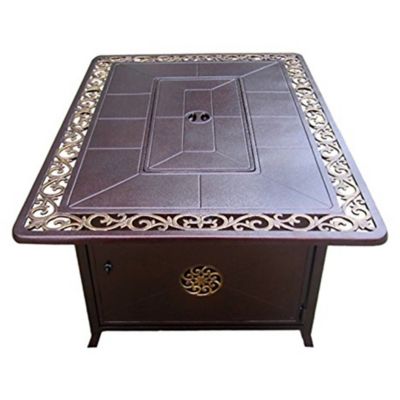
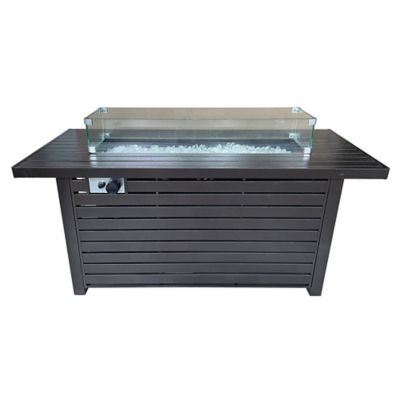
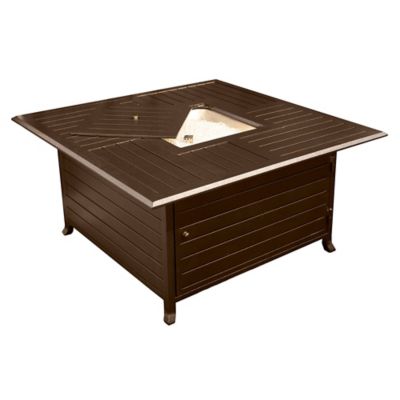
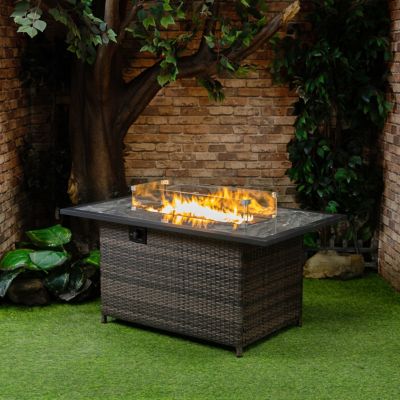
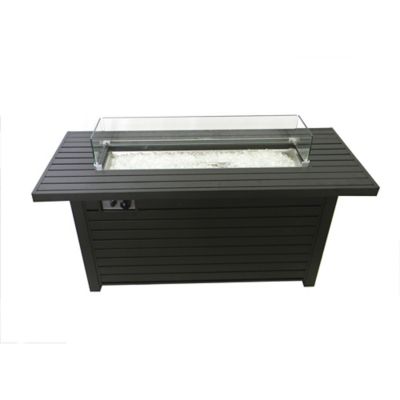
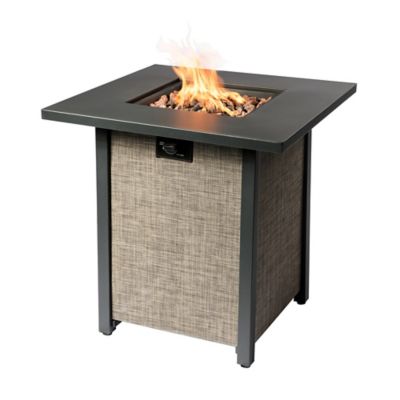
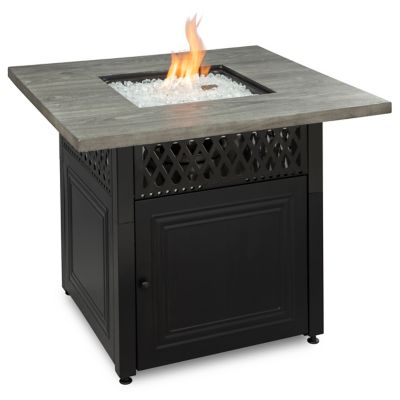
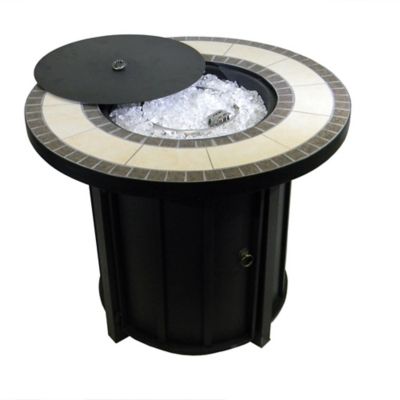
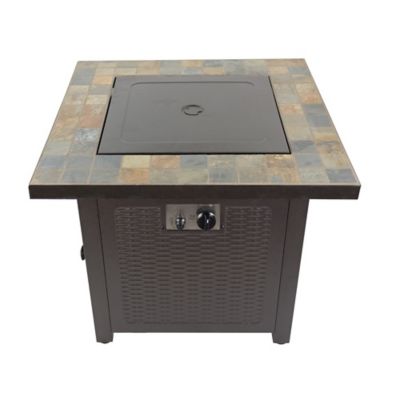
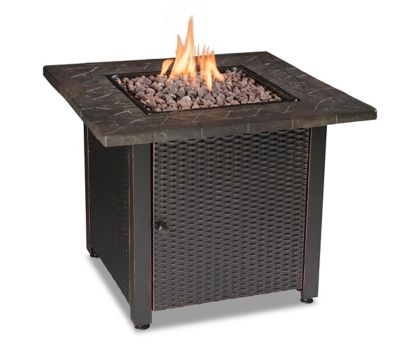
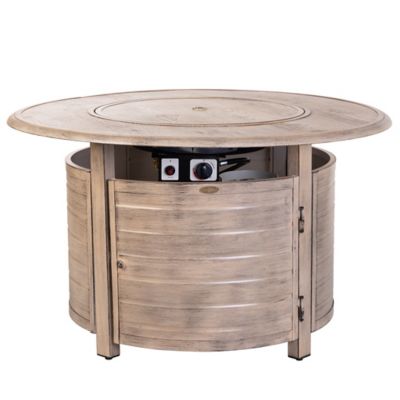
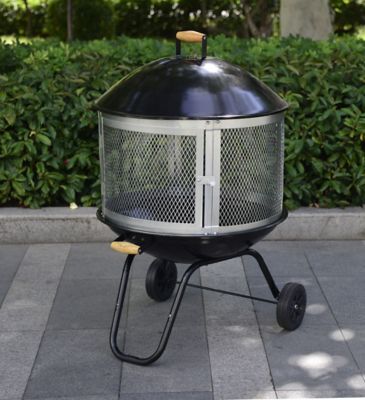
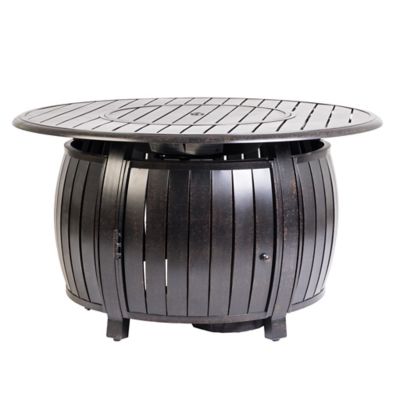
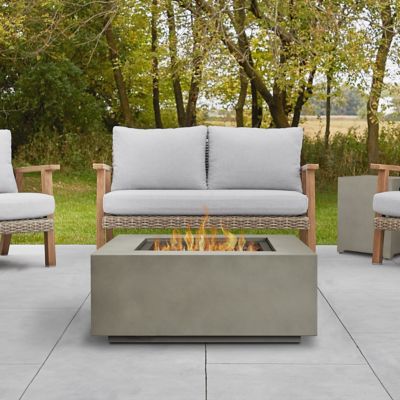
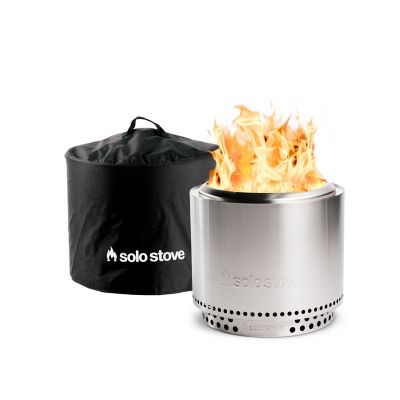
Propane fire pits for patios bring a steady flame and a gathering spot to an outdoor seating area without the firewood, ash, or tending that comes with a wood-burning fire. They burn liquid propane supplied through a regulator and hose, with many patio models designed to connect to a standard 20-pound propane cylinder. Tank requirements vary, and the cylinder may be sold separately. A propane flame produces little smoke during normal operation, though the fire pit still needs an open outdoor setting with plenty of ventilation. For a household that likes to settle into patio chairs after chores or have neighbors over for a meal, that straightforward operation makes a difference: there’s no stack of split logs to haul over and no bed of embers to rake afterward. Many propane patio fire pits have burner ratings around 40,000 to 60,000 BTUs per hour, although output varies by design. That rating describes fuel input rather than guaranteeing how much warmth reaches every seat. Burner shape, flame setting, placement, and seating distance all affect the experience. Push-button or electronic ignition is common, and an adjustable control knob lets the flame rise or settle within the burner’s operating range. Some ignition systems need a battery, while others follow a different lighting process. Fire pit tables pair that flame with a surrounding ledge for drinks or small plates, giving folks a place to set a glass while keeping the center of the gathering open. Only surfaces designated for that purpose should hold tableware, with everything kept away from the burner and hot edges. Some designs include a burner lid that creates more tabletop space after the flame is out and the unit has cooled completely. A patio fire pit is primarily a gathering and heating feature, not a grill; cooking belongs only on equipment specifically approved for it. The appeal is simple: a lively flame, comfortable conversation, and less cleanup at the end of the evening.
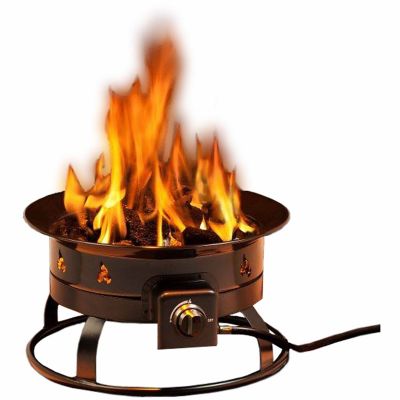
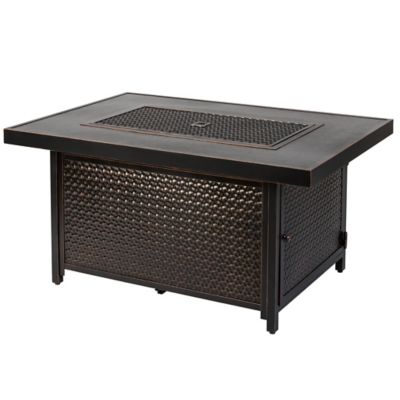
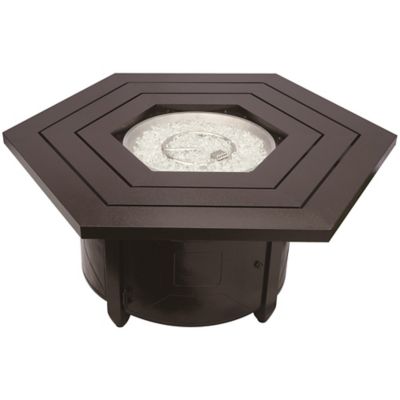
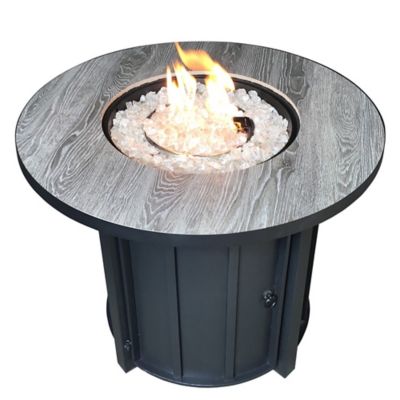
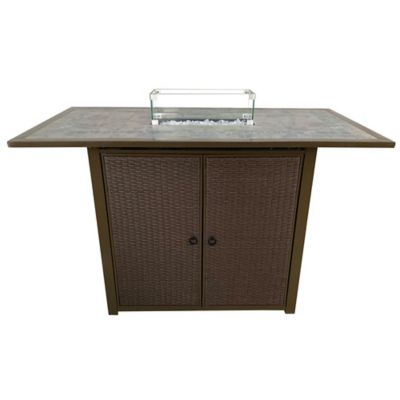
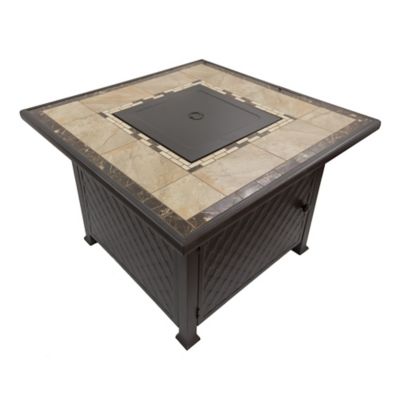
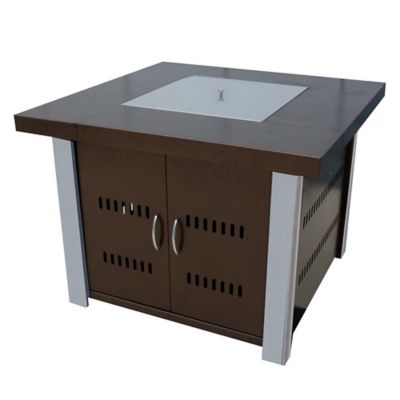
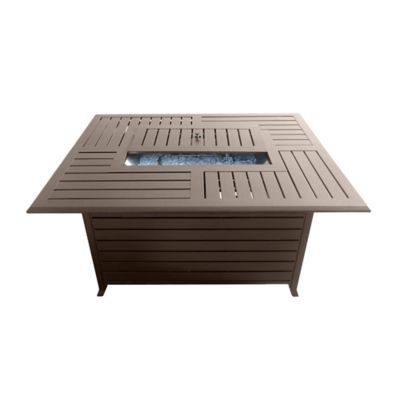
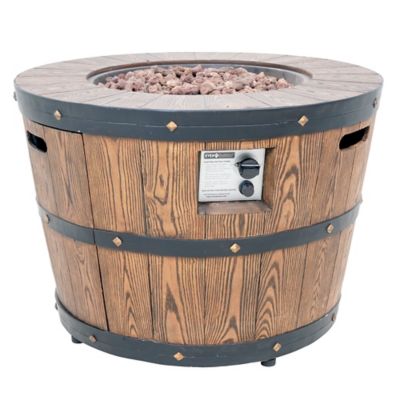
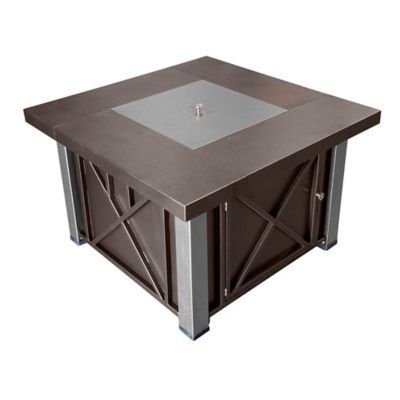
Shape and size determine how naturally a propane fire pit fits into a patio layout. A round bowl works well with chairs arranged in a loose circle, while a square fire pit table can anchor a compact seating group. A rectangular table often suits a longer sofa arrangement, letting more seats face the flame without crowding everyone around one small center point. Overall dimensions matter more than the burner opening alone. The base, tabletop overhang, tank-access door, and any separate cylinder enclosure all take up room, and people need a clear path between the seating area and the house. A chair should slide back without putting someone against the fire pit or forcing them to step over a fuel hose. Table height matters, too: a lower surface suits lounge seating, while a taller design may fit upright patio chairs better. Steel bodies offer a broad range of shapes and finishes, but damaged coatings can expose the metal to rust. Aluminum resists rust and can make a larger frame easier to move when it is cool and disconnected according to its instructions. Stainless steel burner components resist corrosion, though they still need cleaning and inspection. Cast concrete, stone-look composite, and tile surfaces bring a substantial appearance, with weight and care needs that depend on the construction. A broad, heavy base may suit a permanent gathering area, while a lighter bowl is easier to reposition when rearranging the patio. Hidden tank storage keeps the cylinder tucked inside the base, but the compartment needs its intended ventilation and enough access for shutoff and tank changes. An external tank arrangement leaves more flexibility in the fire pit’s body size, with the tradeoff of planning a safe cylinder location and hose route. For folks comparing a patio-centered setup with something intended for trips away from home, a
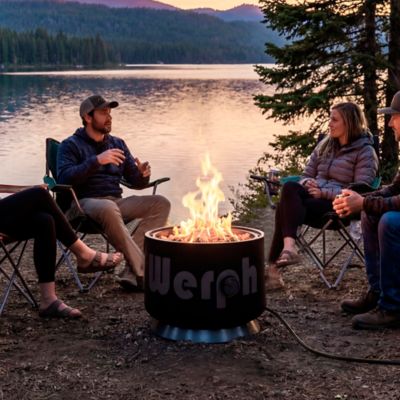
Propane Camping Fire Pit offers another category to consider, with attention to carrying weight, packed dimensions, and permitted use at the destination.
A good patio fit also depends on the installation requirements, not just whether the fire pit looks right beside the chairs. Each unit has specified clearances from walls, railings, furniture, plants, and overhead structures; there is no single clearance measurement that applies to every propane fire pit. Placement beneath a roof, awning, or other covering requires explicit permission in the manufacturer’s instructions, along with any local approvals. These appliances do not belong indoors, in garages, or in enclosed porches. Wood and composite decking need particular attention because a fire pit is not automatically approved for either surface, and adding a mat does not override its placement restrictions. A level, stable base helps keep the appliance secure, while open vents allow the burner and tank compartment to function as intended. Lava rock or fire glass may surround the burner, depending on the design. Only the specified type, size, and amount of fire-rated media belongs there; ordinary landscaping stones and household glass are not substitutes. Keeping ignition openings and burner ports clear helps the flame operate properly. Routine care includes wiping approved surfaces with suitable cleaners, checking for coating damage, and inspecting the hose, regulator, and connections as directed. Leak checks should follow the appliance instructions with an approved leak-detection solution, never a flame. If propane odor is present, stop operation and follow the appliance’s emergency directions before attempting to relight it. After shutdown, allow all components to cool before fitting a cover, and keep storage covers off during operation. Cylinder storage calls for an upright position outdoors in a ventilated location, following the cylinder and appliance requirements. Children and pets need space away from hot surfaces even after the flame goes out, and an operating fire pit needs adult supervision. With those practical details accounted for, a propane patio fire pit can become a natural meeting place for a quiet cup of coffee, a long talk after supper, or a few chairs pulled together when company stops by.