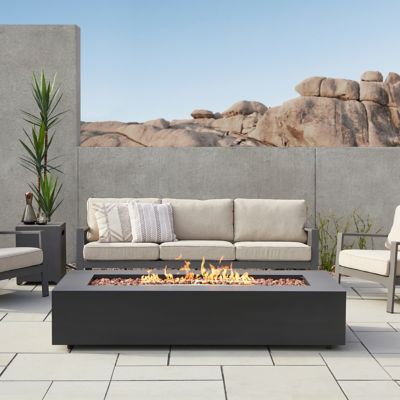
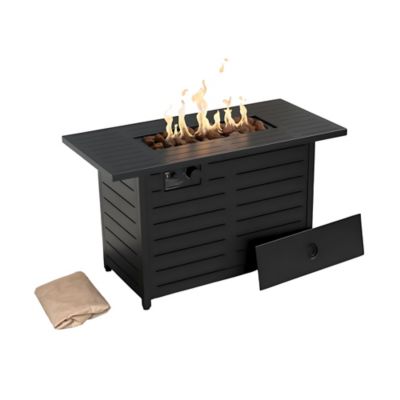
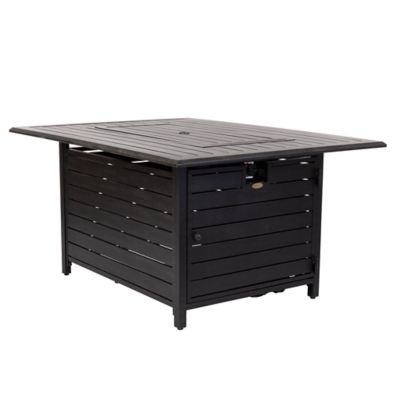
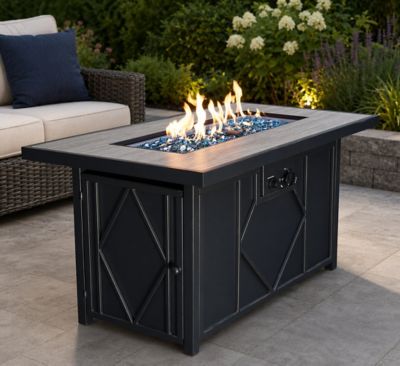
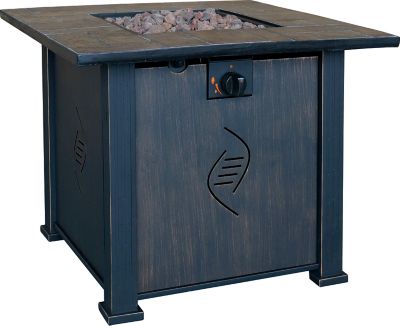
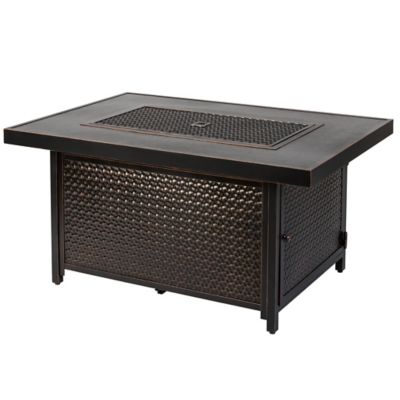
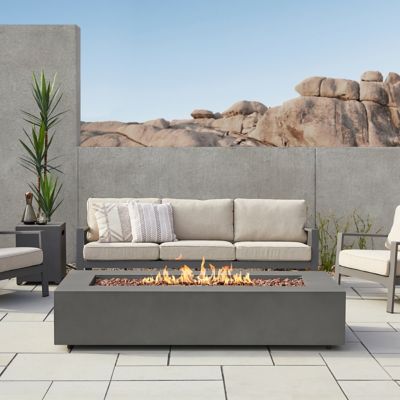
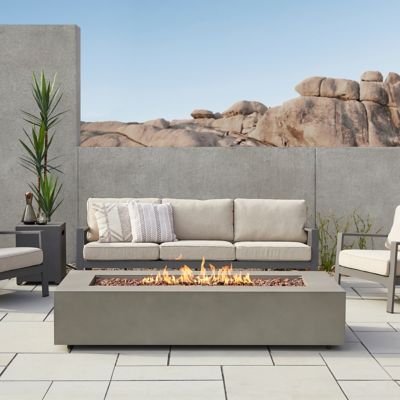
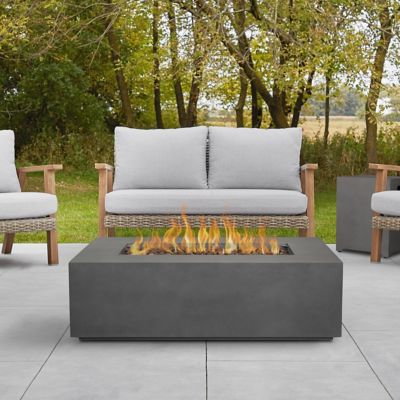
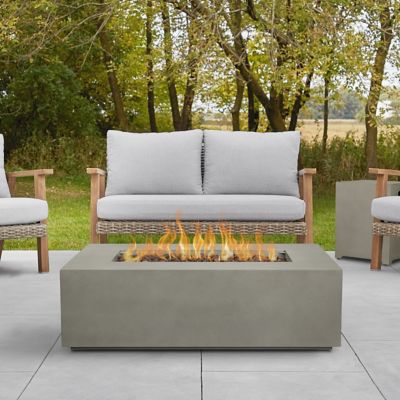
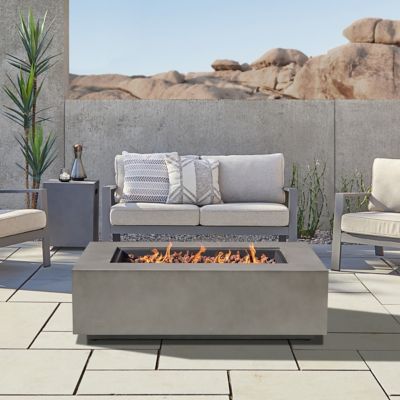
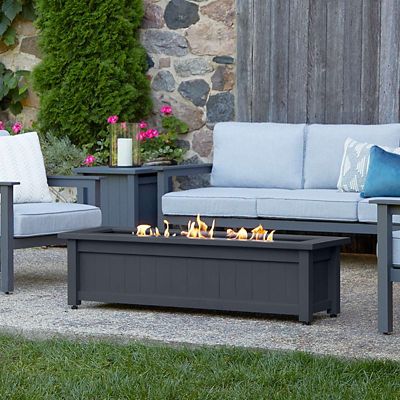
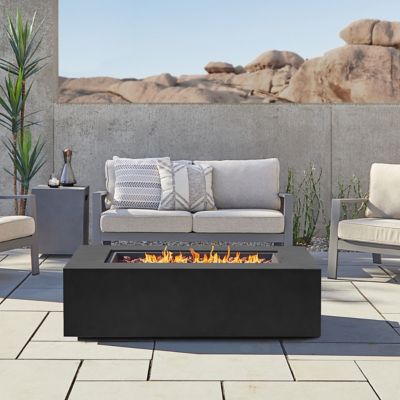
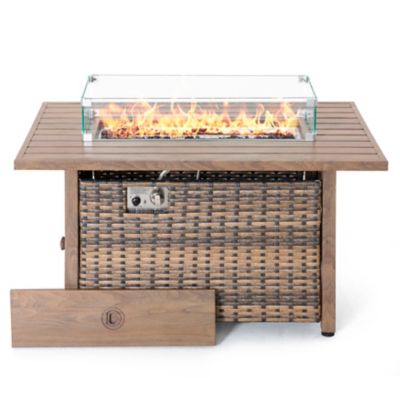
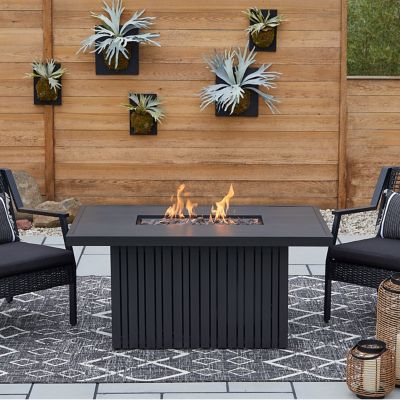
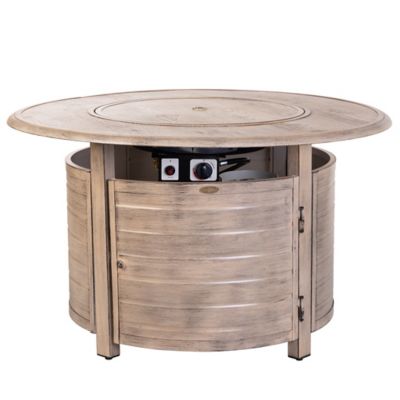
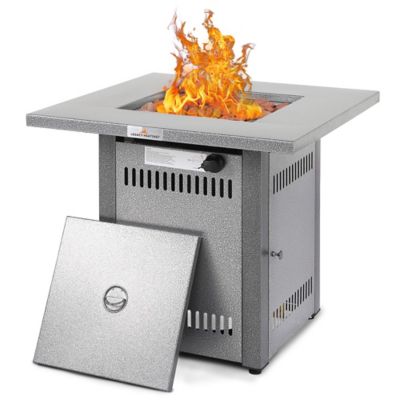
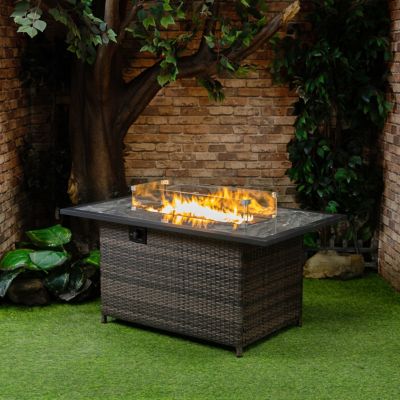
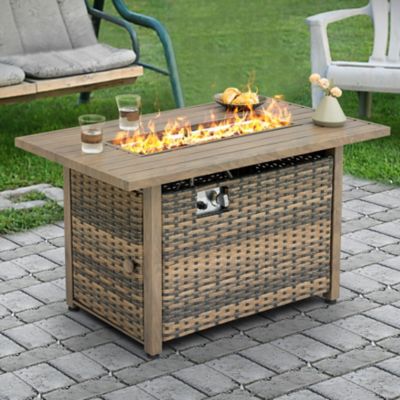
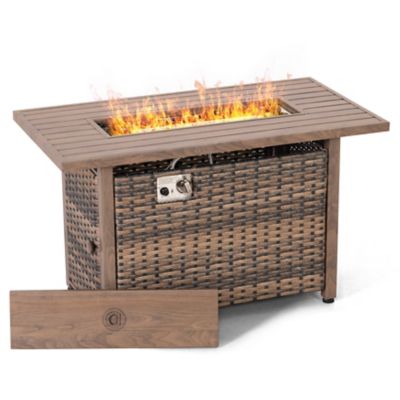
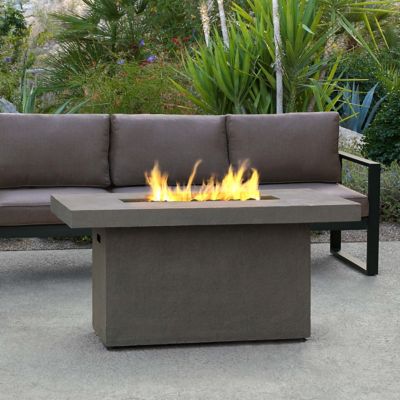
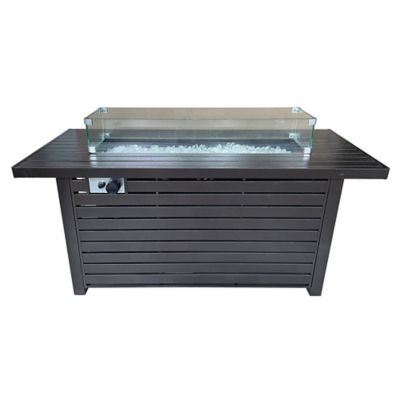
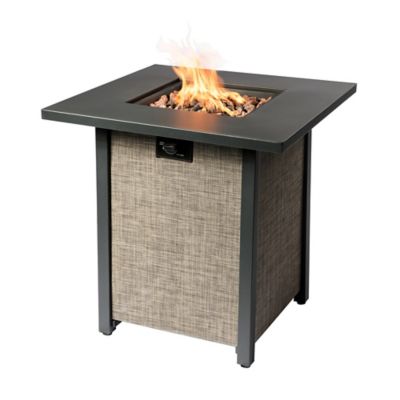
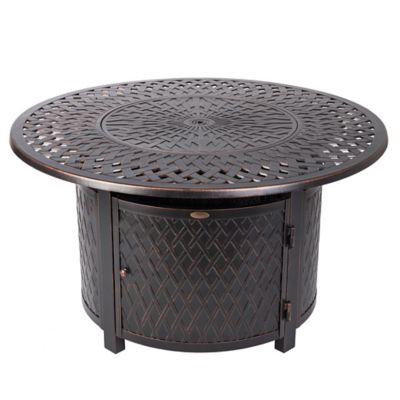
Rectangular propane fire pit tables bring a gathering spot and a stretch of tabletop together in one piece of outdoor furniture. Their long shape works well alongside a patio sofa, between facing benches or at the center of a seating area where family and friends settle in after chores. A propane burner provides an adjustable flame without the firewood, ash cleanup or tending that comes with a wood-burning fire. Many rectangular propane fire tables have heat output ratings around 45,000 to 60,000 BTUs, though ratings vary by design. That number describes the burner’s heat input rather than guaranteeing warmth across a certain number of seats; burner layout, flame setting and placement all affect how the fire feels from a chair. The surrounding tabletop offers room for drinks or small plates where the manufacturer permits, with enough distance from the burner to keep belongings out of the heat. Some designs include a burner lid that creates additional table space once the flame is off and all components have cooled. Others leave the fire feature visible as the centerpiece of the table. Ignition systems may use a push button, an electronic igniter or another manufacturer-specified lighting method, with a control knob for adjusting the flame. For folks who enjoy an evening conversation outdoors but would rather skip hauling logs, that straightforward operation is a big part of the appeal. These tables belong in outdoor living spaces, not inside homes, garages, barns or other enclosed areas. They are gathering furniture with a gas-burning appliance built in, so both comfort and safe placement matter. A broad rectangular top can anchor a roomy patio, while a narrower profile can suit a smaller seating arrangement without making every trip past the chairs a squeeze. The right proportions leave space for people to sit down, stretch their legs and move around the table without stepping over a fuel hose or crowding the flame.
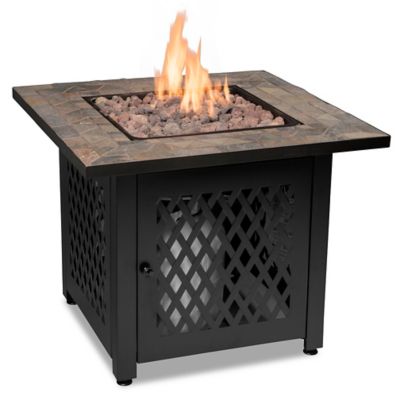
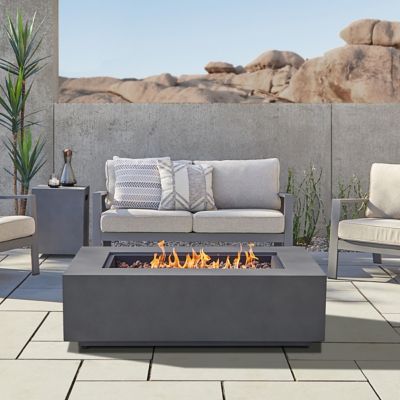
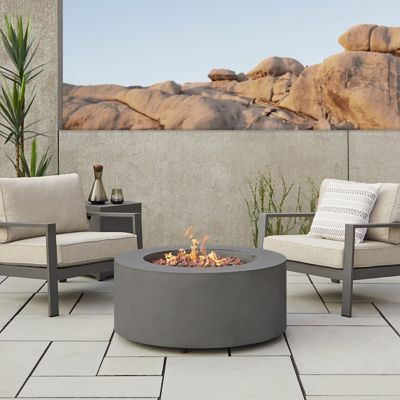
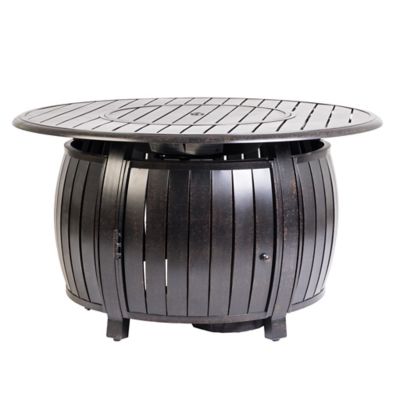
Materials give rectangular propane fire pit tables much of their character, and they also influence weight, upkeep and how the table fits its surroundings. Powder-coated steel offers a clean, substantial look, while aluminum construction can make a larger table easier to reposition when the seating arrangement changes. Coatings help protect metal surfaces, but scratches and exposed edges still deserve attention according to the care instructions. Glass-fiber reinforced concrete brings a stone-like appearance and a solid presence beside wood benches or cushioned seating. Its weight varies with the construction, so dimensions alone do not tell the whole story when planning delivery or moving it across a patio. Resin wicker-style panels can soften the look of a metal base and pair naturally with woven outdoor chairs. Tabletops may feature metal, tile, stone or concrete-style surfaces, each with its own cleaning requirements and resistance to stains, chips and surface marks. Stainless steel burners are common, but the complete burner assembly and its care requirements matter more than any single material claim. Fire glass or lava rock may surround the burner, depending on the design; only the type and amount specified for that appliance belong in the burner pan. Ordinary landscaping stones are not a substitute for approved fire media. Table height matters just as much as the finish. A low rectangular fire table feels at home in a lounge arrangement, while a taller design may better match upright patio seating. Matching seat height, armrests and tabletop height helps keep the setup comfortable instead of leaving guests leaning forward or reaching awkwardly. Overall length and width should account for pulled-out chairs, walking paths and access to the fuel compartment, not just the footprint of the table itself. For a seating area that calls for a rounded fire feature instead of a long tabletop,
Outdoor Propane Fire Bowls offer another shape to consider. Rectangular designs remain a natural fit where the furniture follows straight lines and the goal is to give several seats a view of the flames.
Tank placement and routine care have a lot to do with how smoothly a propane fire pit table fits into everyday life. Many designs accommodate a standard 20-pound propane cylinder inside the base, behind an access door or on a slide-out tray, while others connect to an external cylinder. An enclosed tank compartment gives the seating area a tidier look, but its ventilation openings must stay clear. External-tank designs need a planned location for the cylinder and a hose route that follows the manufacturer’s directions without crossing a walkway. Propane cylinders must remain upright, and connections need leak checks as directed, using an approved leak-detection solution rather than a flame. Burn time depends on the amount of propane in the cylinder and the burner setting, so a higher BTU rating does not mean longer operation. Access to the shutoff valve should stay easy even after chairs and cushions are in place. A level supporting surface, clearance from combustible materials and permission for the intended surface are essential; a wood deck or covered patio is not automatically suitable simply because it is outdoors. Follow the listed clearances and local requirements, and keep the table away from hay, bedding, fuel containers and other combustible supplies around the property. Children and pets need supervision near the flame and hot surfaces, including after shutdown. Most fire pit tables are intended for ambiance and supplemental warmth rather than cooking, unless their instructions expressly allow it. After the table cools, wiping away spills with the recommended cleaner, keeping burner openings free of debris and inspecting hoses and fittings help support a longer service life. A properly fitted cover can protect the table between gatherings, provided the appliance is fully cool and the cover is applied as directed. These practical details leave more room for the reason the table is there: pulling up a chair, setting a glass on the permitted tabletop area and sharing an unhurried conversation after the work is done.