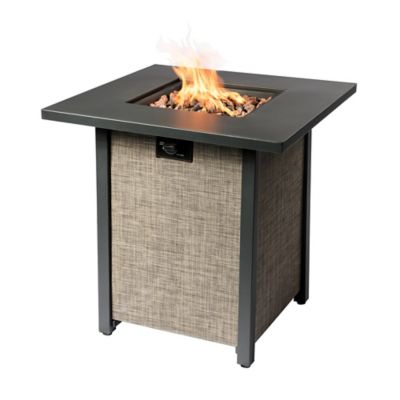
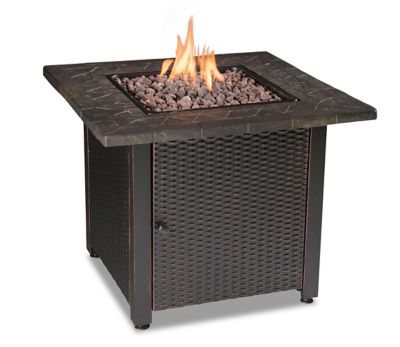
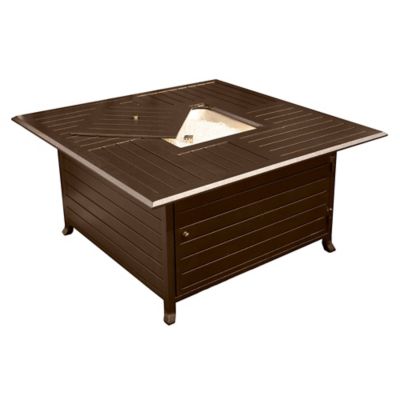
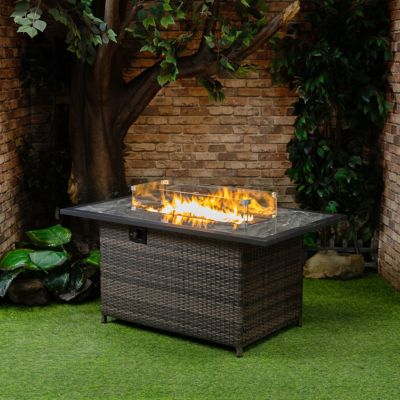
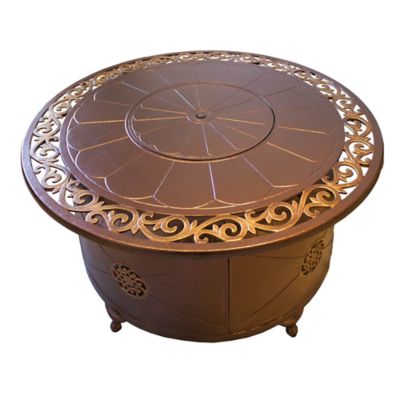
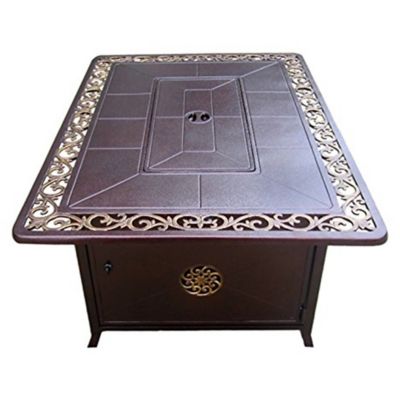
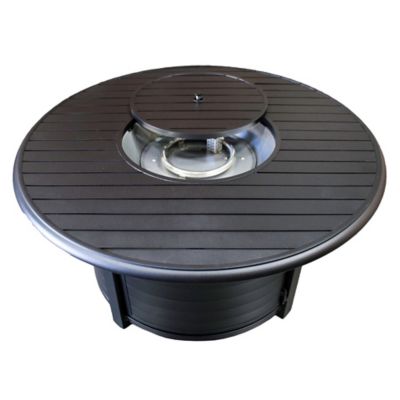
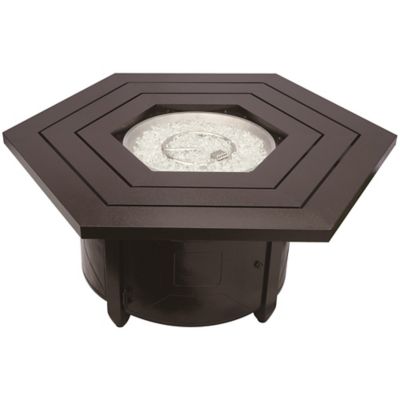
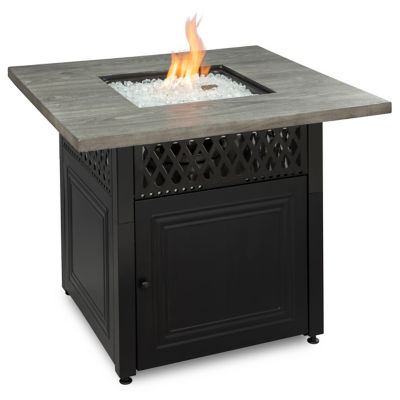
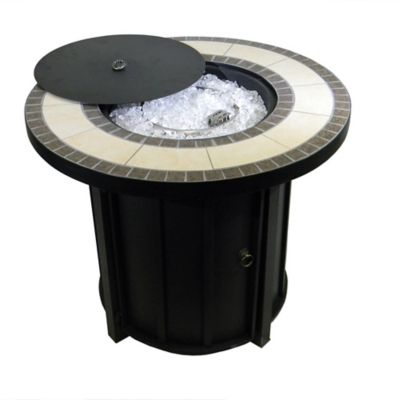
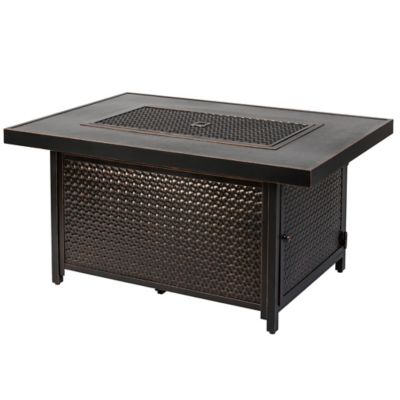
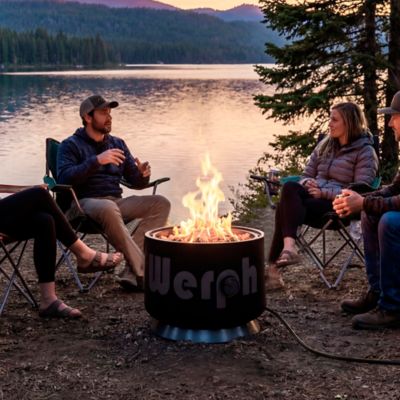
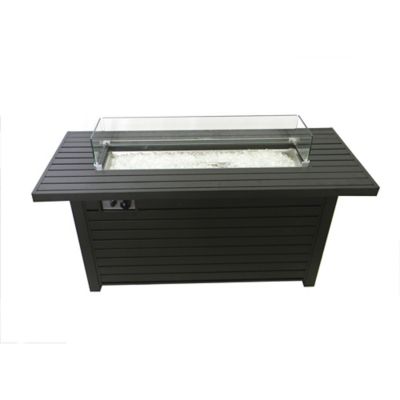
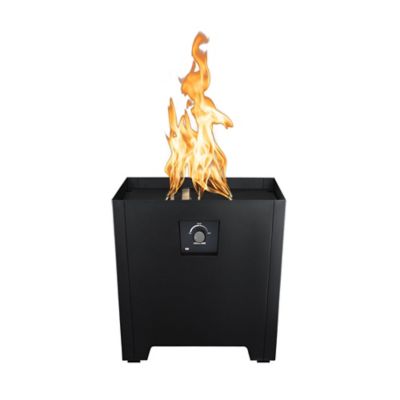
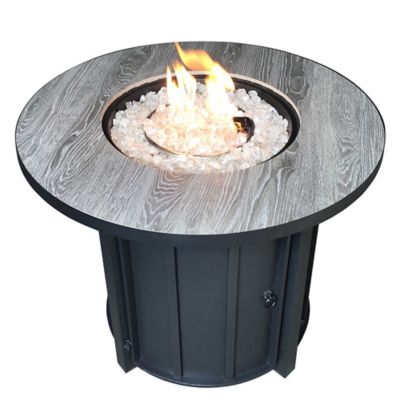
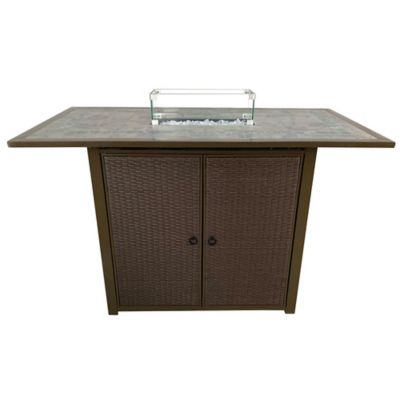
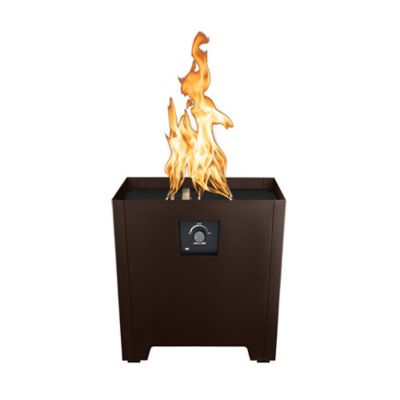
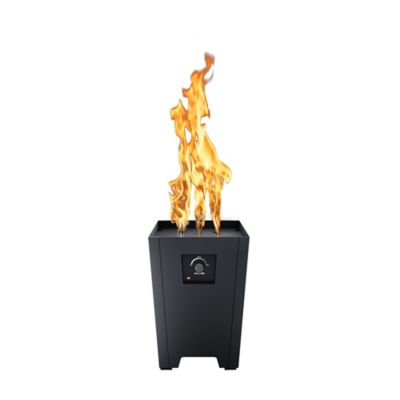
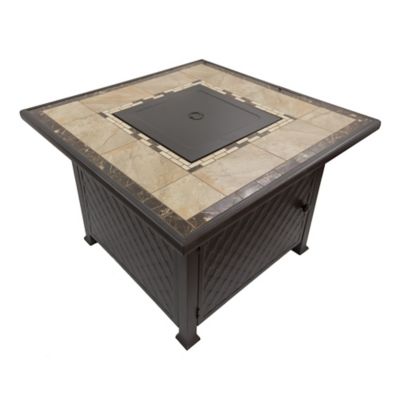
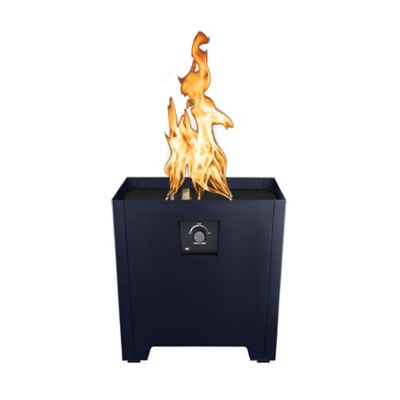
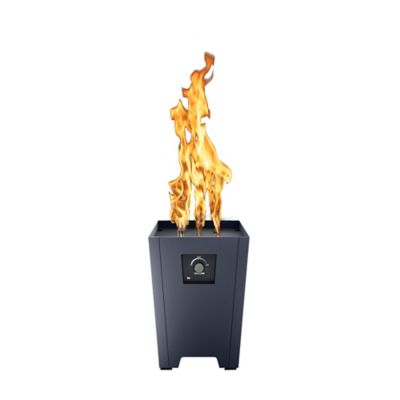
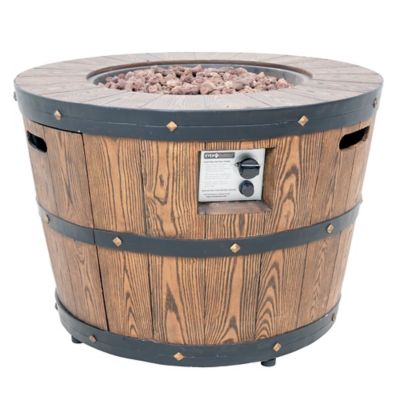
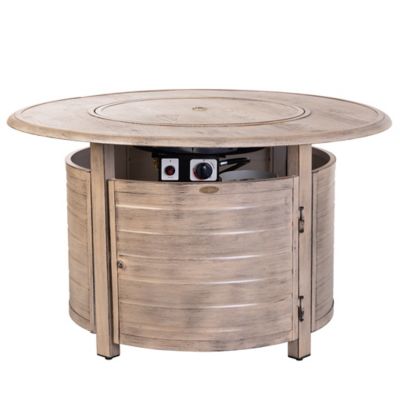
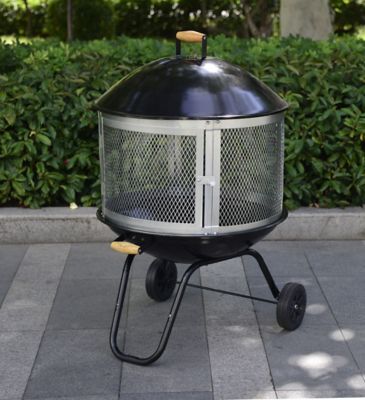
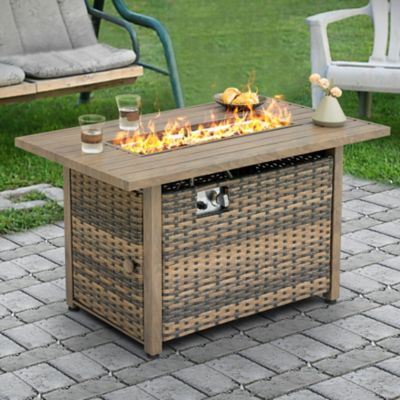
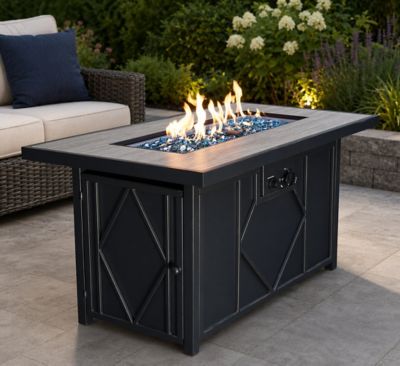
Propane fire pits for decks offer an adjustable flame without loading logs or clearing wood ash, making them a practical centerpiece for outdoor seating. A propane fire pit can be suitable for a wood or composite deck only when the fire pit manufacturer permits that installation, the decking requirements allow it, and all specified clearances and surface protection are in place. An elevated burner or insulated base does not, by itself, make every model safe for every deck. With that fit established, the right shape and size help turn an open stretch of decking into a comfortable gathering spot after chores or an easy place to settle in when company comes by. Round fire pits work well with chairs arranged in a circle, while rectangular fire tables can sit alongside a sofa or anchor a longer seating area. Square designs suit compact conversation groups, provided there’s still enough room to walk around them without stepping over hoses or squeezing past the flame. Overall dimensions tell only part of the story: the burner area, tabletop space, seat placement and required safety distances all affect how a fire pit fits into daily life. A wide ledge can provide room for a drink when the instructions allow it, but the burner opening and nearby surfaces need to stay clear. Table height matters, too. A lower profile pairs naturally with lounge chairs, while a taller fire table may suit more upright seating. Heat output, often listed in BTUs, describes fuel input rather than a guaranteed circle of warmth, so burner layout and seating distance deserve attention alongside that number. For folks who enjoy visiting outdoors, a propane fire pit offers a gathering point with flame control close at hand. It can also make a thoughtful housewarming gift for someone with a suitable outdoor space, as long as the deck requirements, footprint and fuel setup are settled before choosing a style.
Materials and construction affect how a propane fire pit looks, how much it weighs and how much attention it needs over time. Powder-coated steel offers a range of finishes, though scratches that expose the underlying metal need attention according to the care instructions. Stainless steel resists corrosion but still benefits from cleaning, especially around fasteners and burner openings. Aluminum bodies are generally lighter than similarly sized steel designs, while cast concrete and concrete-look housings can create a substantial, grounded appearance. Actual weight varies considerably, and a concrete-look finish does not necessarily mean solid concrete construction. On a deck, the combined weight of the fire pit, a filled propane cylinder, furniture and people matters more than the fire pit’s shipping weight alone. Older decking, elevated platforms and areas with uncertain structural capacity may warrant an assessment by a qualified professional before adding a heavy fire feature. The surface beneath the unit matters just as much. Wood and composite decking can be damaged by heat, and a generic mat, loose pavers or an improvised platform cannot substitute for manufacturer approval. Where a protective pad is required, its material, size and placement need to match the fire pit and decking instructions. Clearances apply above and around the flame, including distances from railings, siding, furniture, cushions, umbrellas and overhead structures. A covered deck should never be assumed suitable simply because its sides are open; the appliance instructions and applicable local rules must allow the location. Propane fire pits belong outdoors with the ventilation their design requires, not in enclosed porches, garages or similar spaces. Level footing, unobstructed ventilation openings and a hose route away from foot traffic help keep the setup orderly. These details are especially important on a working household’s deck, where boots, feed deliveries, visiting family and pets may all pass through the same doorway. A seating layout should leave a clear route between the house, steps and yard without bringing anyone close to hot surfaces.
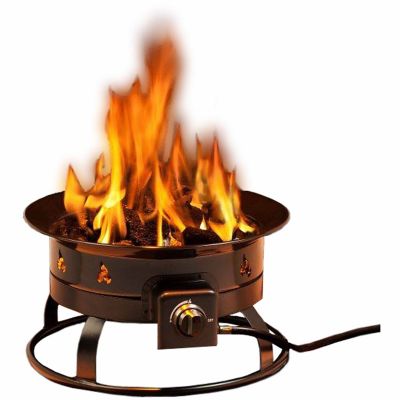
Fuel storage, controls and everyday care round out the decision. Many propane fire pits connect to a refillable cylinder, but tank size, connection type and placement must match the appliance specifications. An enclosed tank compartment can keep the setup tidy when the fire pit is designed for one; a separate cylinder needs the specified location and a hose arrangement that stays protected from damage. A tabletop cover is not the same thing as a weather-resistant storage cover, and neither should go over an active or hot burner. Burner lids can create a more finished tabletop when the unit is off and fully cool, but the instructions determine whether that surface can hold anything. For households that want a fire feature to travel beyond the deck, a
Propane Camping Fire Pit offers another format to consider. Portability does not establish deck compatibility, so the same checks for approved surfaces, clearance and cylinder placement still apply. Ignition systems also vary, from push-button spark starters to other manufacturer-specified lighting methods, and accessible controls make routine operation less awkward. Before operation, connections need the leak check described in the manual, never a test with an open flame. A gas smell calls for stopping operation and following the manufacturer’s emergency instructions rather than attempting another ignition. Once the fire pit is fully cool and the fuel supply is shut off, routine care generally includes removing loose debris, wiping compatible surfaces and checking hoses for cracking, abrasion or other damage. Burner ports, drainage paths and ventilation openings need to remain clear. Fire glass or lava rock must be the type and quantity specified for the burner; ordinary stones and other fillers do not belong in the flame bed. Children and pets need space away from both the flame and hot surfaces after shutdown. With an approved deck setup and straightforward upkeep, a propane fire pit can serve as a comfortable gathering spot without adding wood storage and ash cleanup to the chore list.