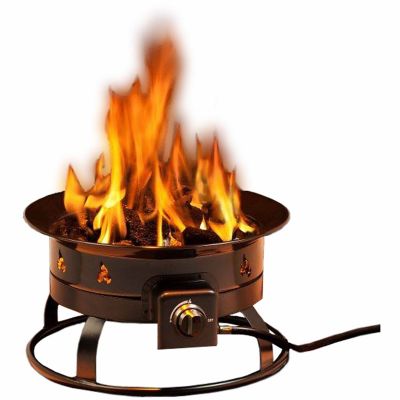
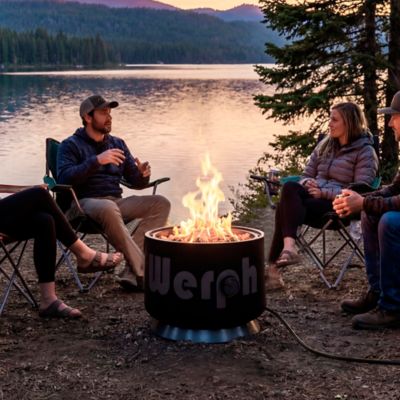
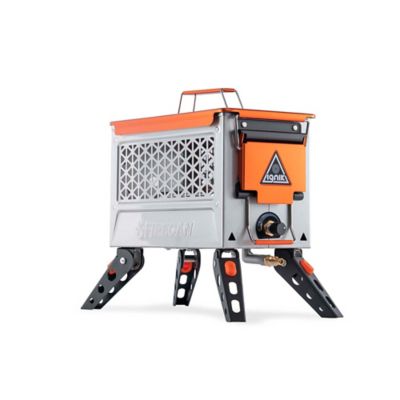
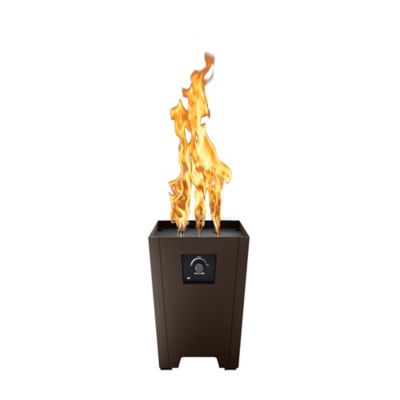
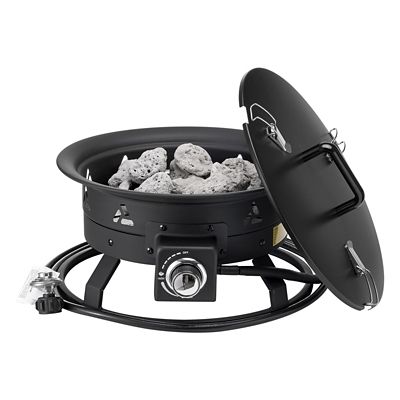
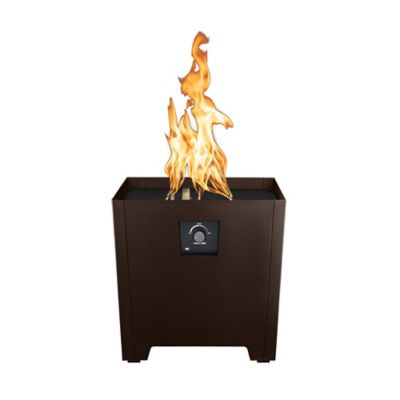
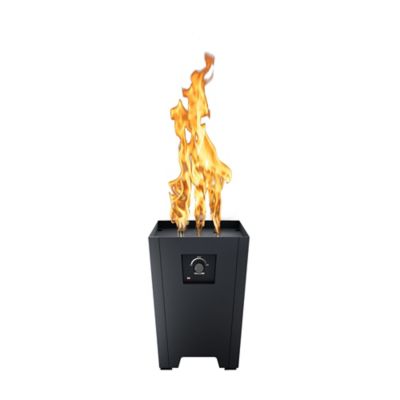
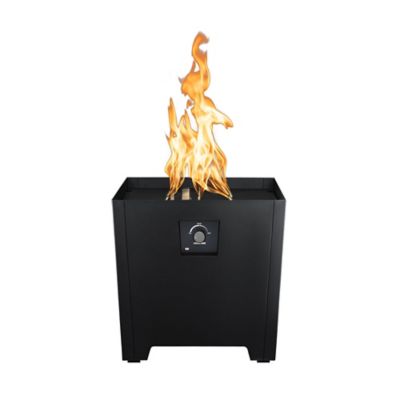
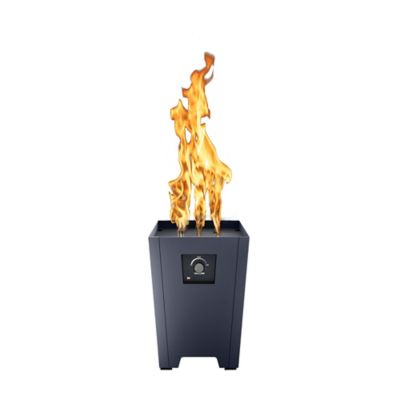
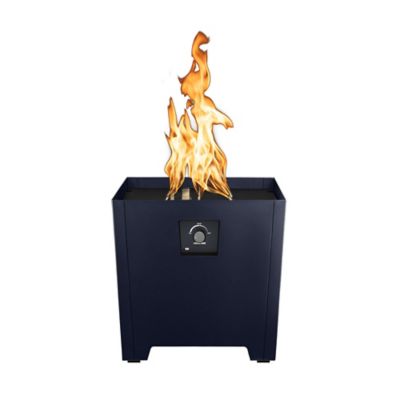
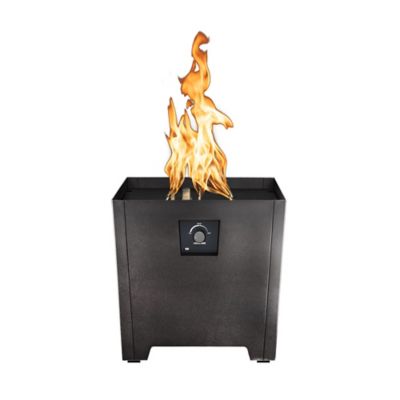
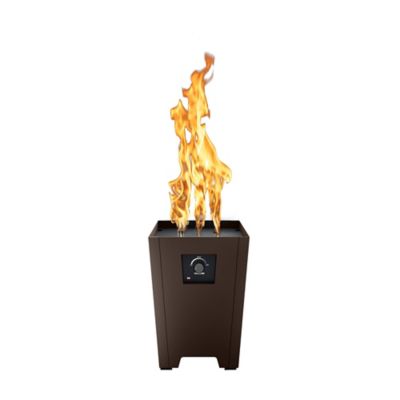
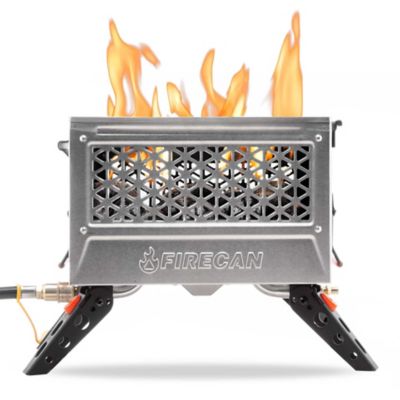
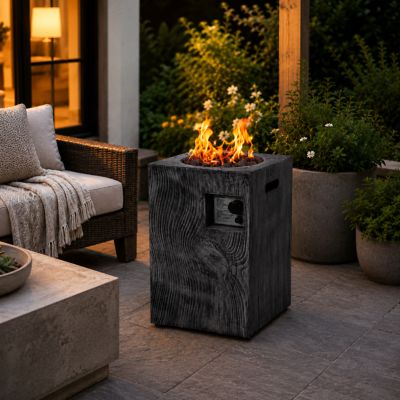
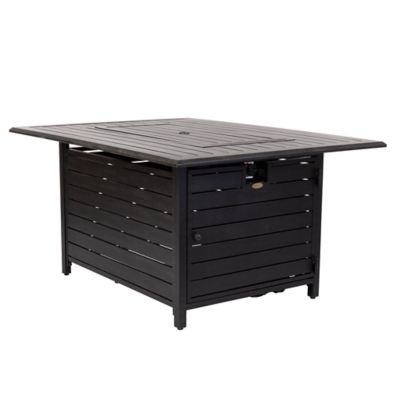
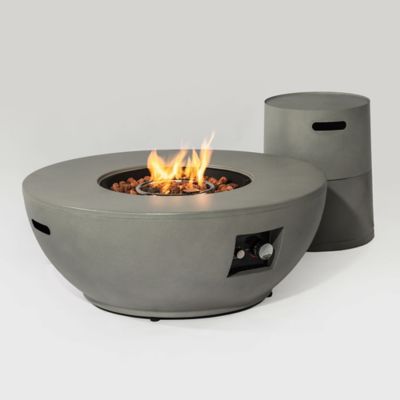
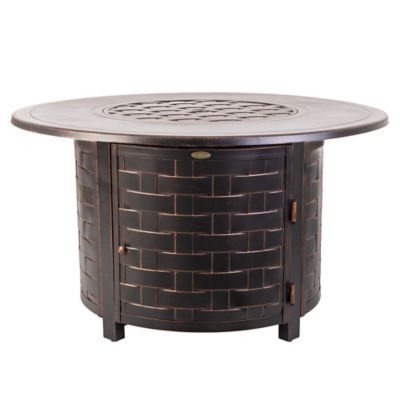
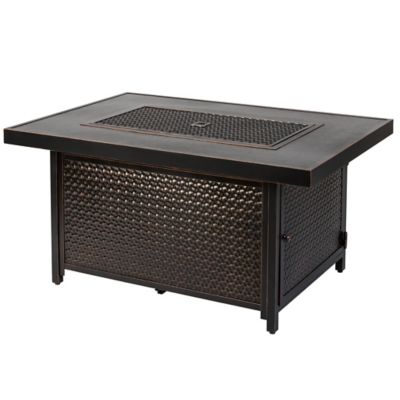
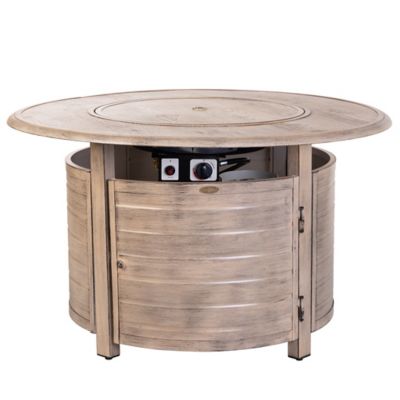
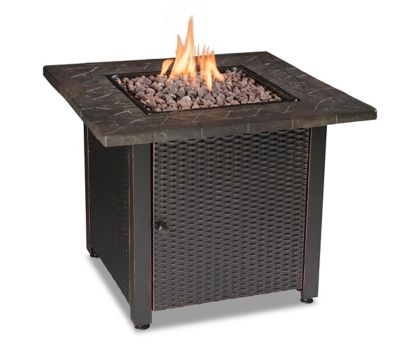
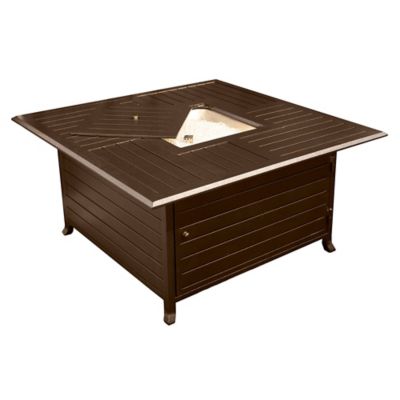
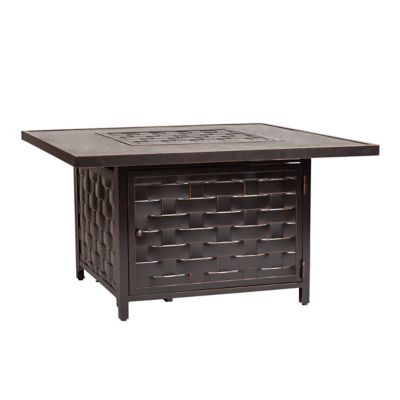
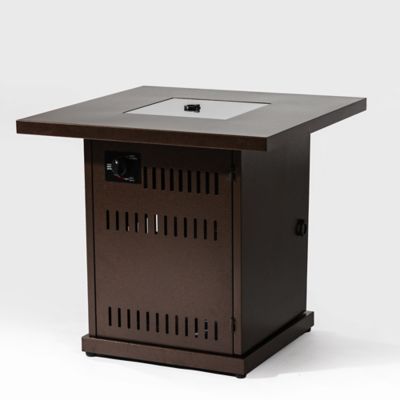
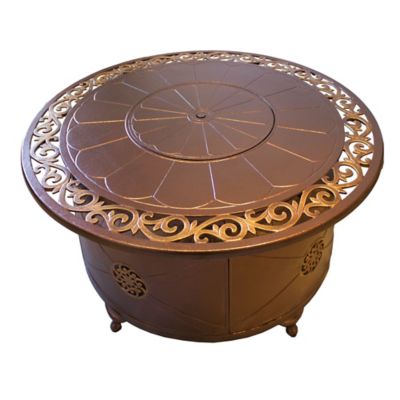
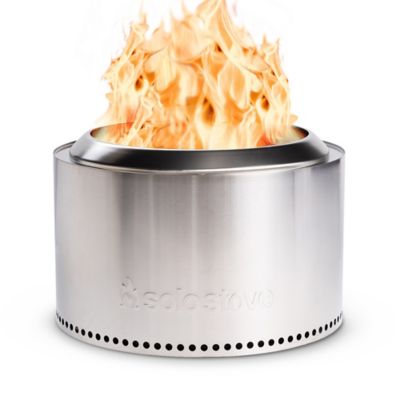
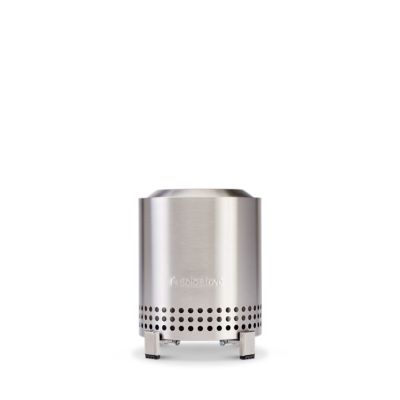
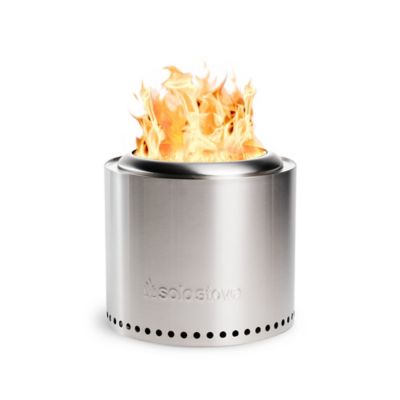
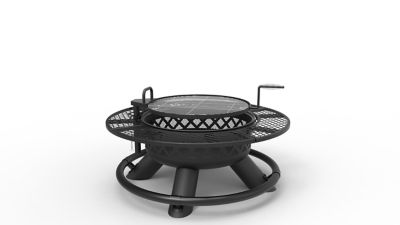
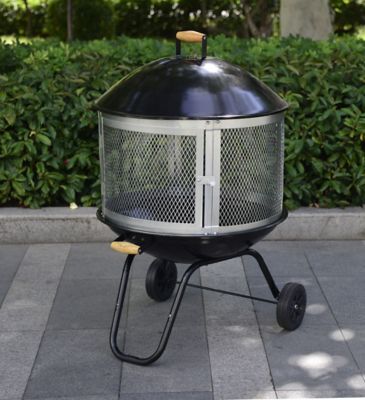
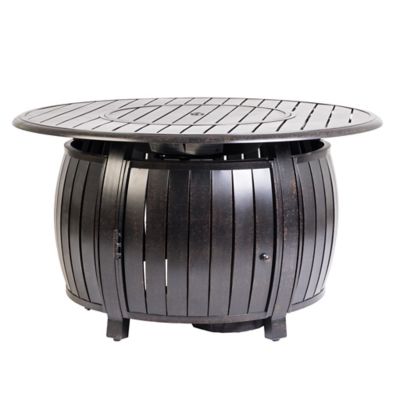
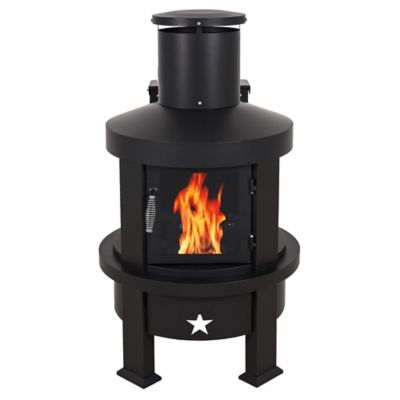
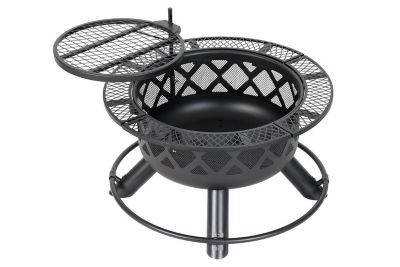
A propane camping fire pit is a portable outdoor fire feature that burns propane instead of logs, giving campers an adjustable flame without gathering firewood or hauling away wood ash. It brings a familiar gathering spot to a campsite, whether the evening means pulling chairs into a circle after supper or settling in after a long day on the trail. During normal operation, propane produces little visible smoke compared with a wood fire, so there is less smoke drifting across the seating area. That does not mean the flame is harmless or the appliance can go indoors; propane combustion can produce carbon monoxide, and these fire pits belong in open outdoor spaces. For truck camping, RV trips and weekends at an established campground, the main appeal is a fire that starts without kindling and shuts off at the fuel controls. Many designs have adjustable flame settings, while ignition methods vary. Some have a built-in igniter, and others require a separate lighting method described in the manual. A wide bowl can give several chairs a view of the flame, while a compact, box-shaped design may fit more easily among camping gear. Compare the packed dimensions as well as the operating footprint, especially when truck-bed space also needs to hold coolers, bedding and fishing tackle. Carrying weight includes more than the fire pit itself: the propane cylinder, hose, lid and any fire media all add to the load. Heat output is often listed in BTUs per hour, which describes the fuel input rather than promising a certain reach around the seating area. A higher rating generally means greater fuel consumption at full output. Runtime depends on the amount of propane in the cylinder and the flame setting. Check the required cylinder type and connection before choosing a setup; a fire pit designed for a larger refillable cylinder does not automatically accept a small camping bottle. For families who camp together, the right fit balances room to gather with room to pack.
Materials and construction matter when a propane camping fire pit travels over gravel roads, rides beside other gear and gets unpacked at several stops. Steel bodies are common, with finishes intended to protect the metal from corrosion. Stainless steel offers another approach, though it still needs cleaning and sensible storage to help limit staining and surface corrosion. Look closely at the base, legs, carry handles and lid rather than judging the unit by the fire bowl alone. A steady stance matters on a campsite surface, and folding legs should lock or secure as the manufacturer directs. Handles make carrying easier only after the appliance has cooled completely; they are not a reason to move a burning fire pit. Some designs include lava rock or other approved fire media that spreads the flame and gives the burner area a more natural appearance. Follow the specified amount and placement, keeping burner openings and ignition components clear. Ordinary rocks gathered beside a creek are not a substitute, since trapped moisture can make them crack or break apart when heated. Hose length also affects the layout. There needs to be enough room to position the cylinder at the required distance without stretching the hose, running it across a walkway or placing it against hot metal. Protect the hose and regulator from pinching when loading the truck, and inspect them before each outing for cracks, wear or damage. For care between trips, let everything cool, then clean surfaces and fire media according to the manual. Clear debris from the burner area without altering the burner or enlarging its openings. Keep the unit dry in storage, and secure loose parts so they do not bounce around in transit. A fitted carry bag or lid can help contain the setup, but it does not replace careful packing. For someone who enjoys camping, these practical details make a thoughtful gift easier to match to their vehicle, campsite routine and existing fuel equipment.
Campground rules deserve the same attention as packing size and flame control. A propane camping fire pit may be permitted where wood fires are restricted, but propane is not automatically allowed during a burn ban. Some restrictions prohibit all open flames, while others make exceptions for certain gas appliances with an immediate shutoff. Check the rules for the campground, public land or other location before lighting, including any temporary restrictions. A recognized safety certification indicates evaluation against applicable standards; it does not override local rules or make every setting suitable. Set the fire pit on a firm, level, noncombustible surface and follow the manufacturer’s clearances from tents, vehicles, vegetation and anything overhead. Never operate it inside a tent, camper, garage or other enclosed space. Leave a clear path to the fuel controls, and position chairs so feet, blankets and bags stay away from the bowl and hose. Keep children and pets back from both the flame and hot surfaces, including after the flame goes out. Inspect fuel connections and check for leaks with an approved leak-detection solution as directed, never with a flame. If propane odor is present, stop and follow the manufacturer’s shutdown and leak-response instructions before attempting to light the appliance. Keep the cylinder upright and secured, and follow cylinder guidance for transport and storage. A campsite fire pit is also not automatically a cooking appliance. Roasting food or placing cookware over it should happen only when the manufacturer specifically permits that use; drippings can foul burners and fire media. When the gathering ends, shut down the system in the stated order and let it cool completely before covering or packing it. Anyone considering a similar gathering spot at home can also explore
Propane Fire Pits for Decks, while checking the appliance’s surface requirements and clearances before placing it on a deck. With the right setup and sensible handling, a portable propane fire pit gives the campsite a welcoming place to sit, swap stories and enjoy the flame without tending a pile of logs.