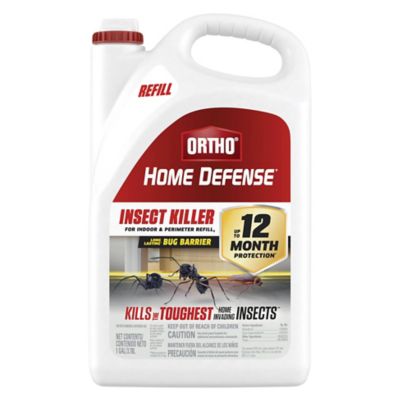
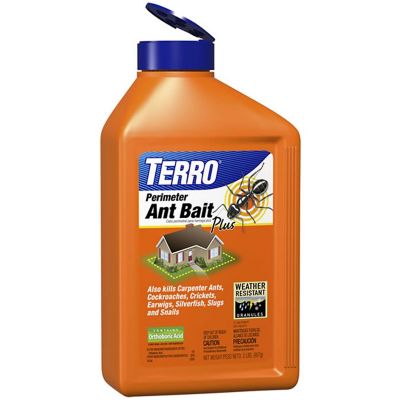
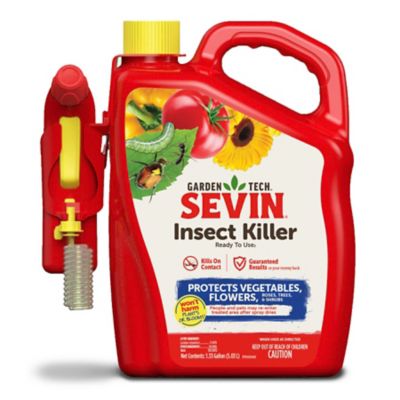
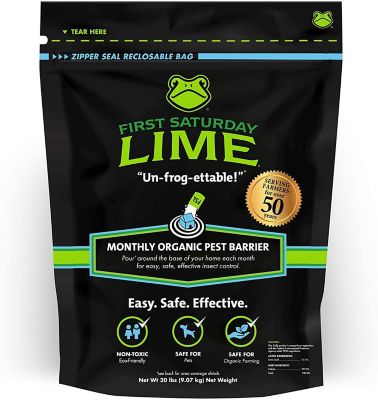
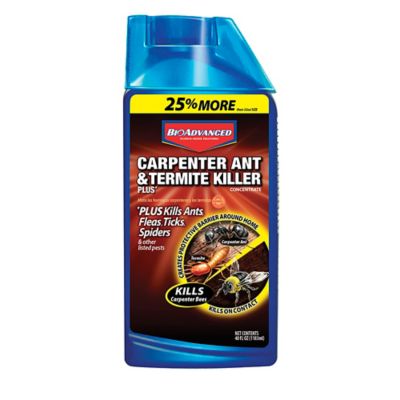
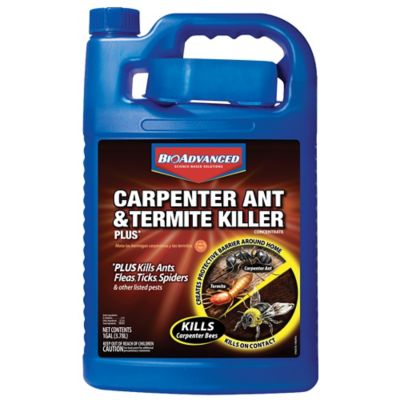
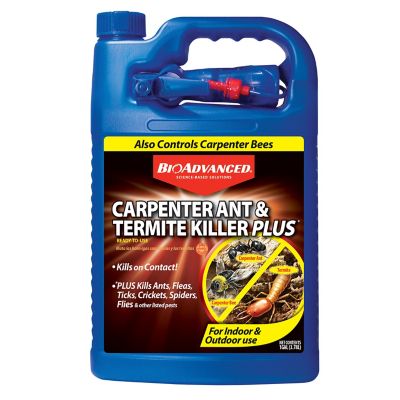
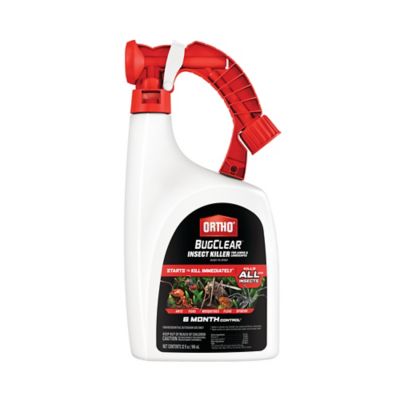
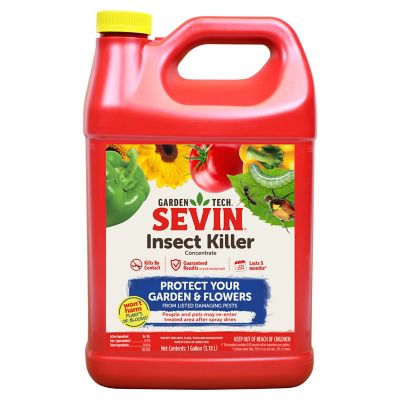
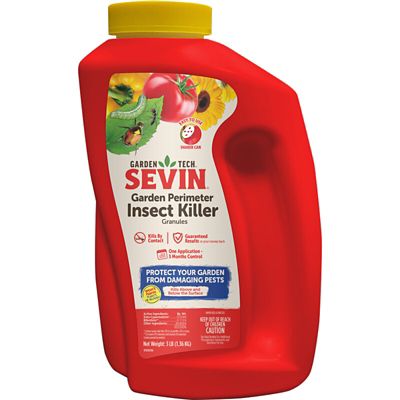
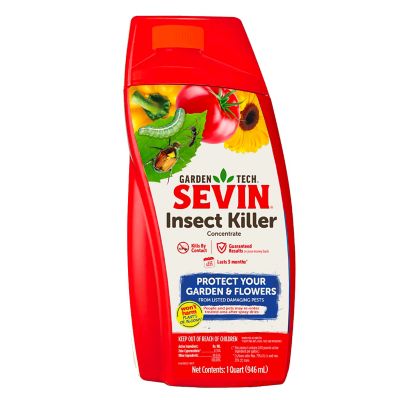
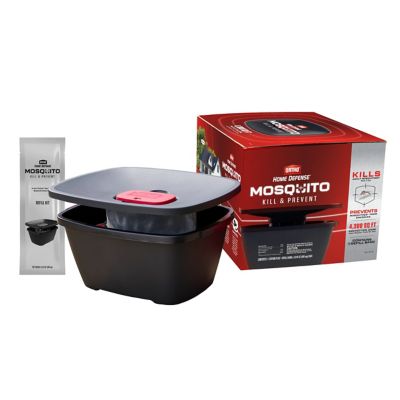
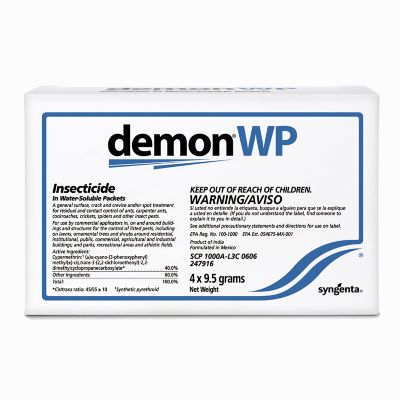
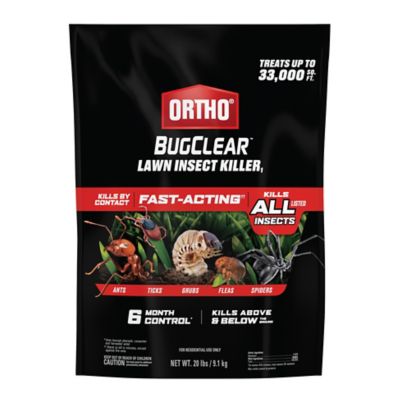
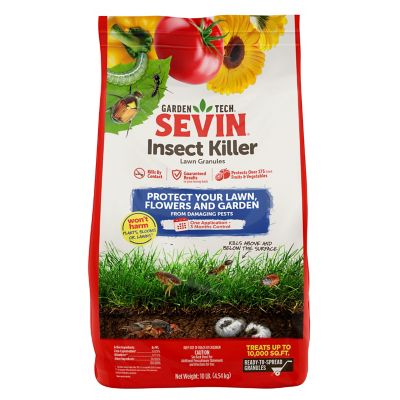
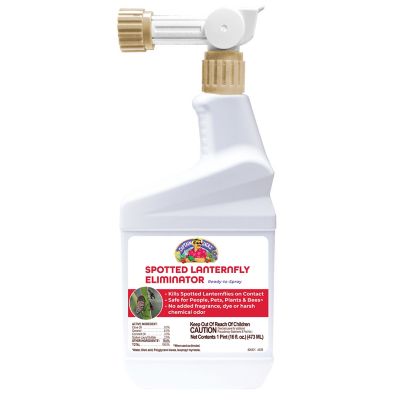
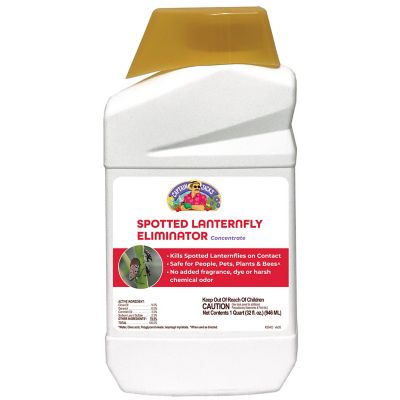
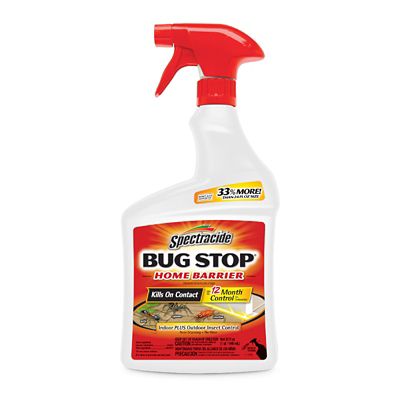
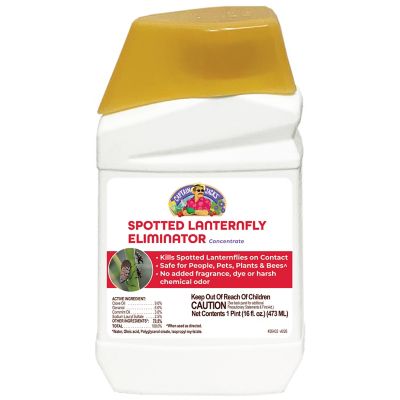
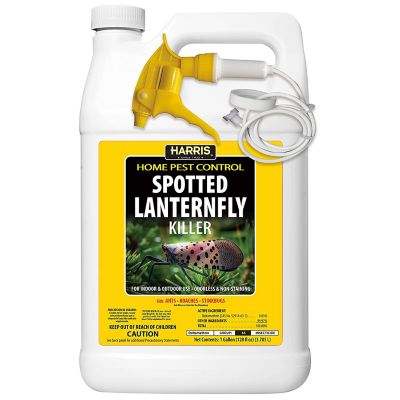
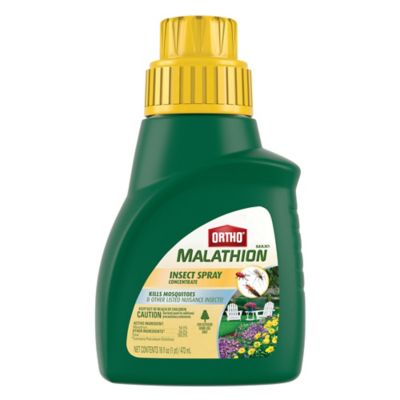
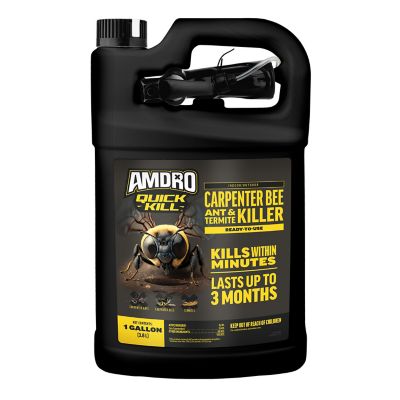
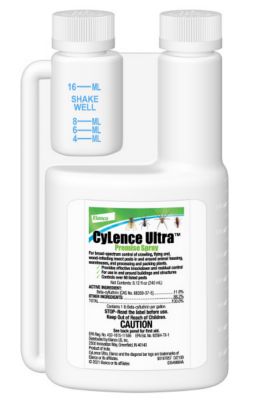
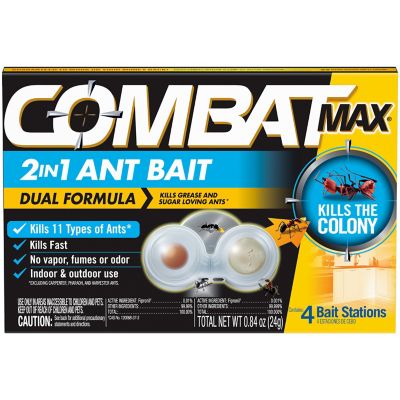
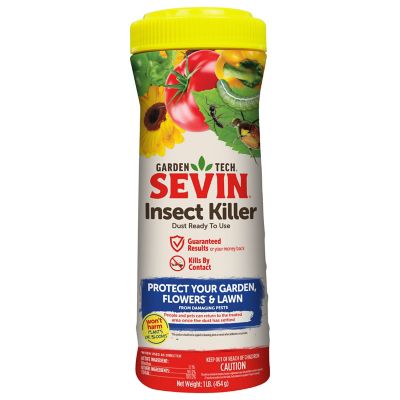
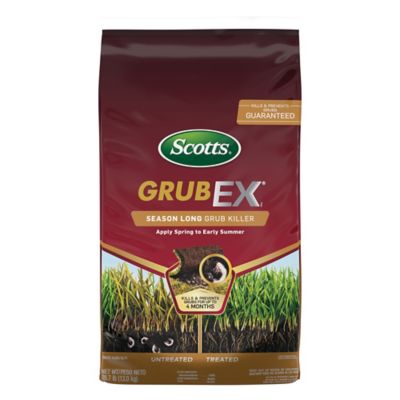
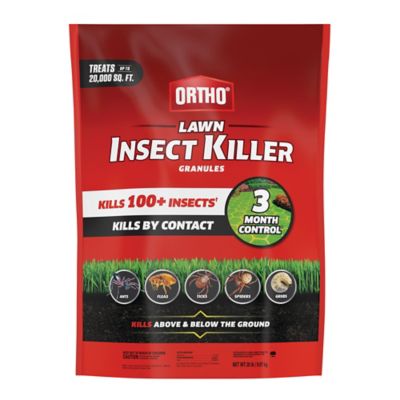
Home perimeter insect control is about managing the places where crawling pests meet the house: the foundation line, gaps near exterior doors, utility openings and other treatment sites listed on the label. On a country property, that might mean a back door beside the mudroom, an attached garage where boots and tools collect, or a porch with steps close to the ground. Ants following a narrow trail along the foundation and insects gathering near an entryway call for products suited to the pest and the location, rather than a catchall treatment for every part of the property. This category includes several application formats, with differences in preparation, placement and the pests they target. Some formulas are intended to kill listed insects on contact, while others provide ongoing control at labeled treatment sites. Those claims vary by product, so the pest list and application directions matter more than a broad promise on the front of the package. A product labeled for ants may not address every crawling pest around a home, and permission to treat an exterior foundation does not automatically include indoor floors, vegetable beds or animal housing. Homeowners, renters responsible for exterior upkeep and folks tending a farmhouse all have different spaces to account for. A small house with one main entrance presents a different job than a home with several exterior doors, a basement entrance and an attached garage. The amount of wall area, the length of the permitted treatment band and the number of labeled application sites help determine the appropriate package size. Coverage information is especially useful here; a package’s weight or volume alone does not tell the whole story. A well-matched choice suits the actual treatment area without assuming that a wider band or a heavier application will work better. The aim is a manageable approach to listed pests around the building, with clear limits on where and how each formula belongs.
The application format makes a practical difference when comparing home perimeter insect control products. Ready-to-use liquids remove the mixing step, which can suit someone handling a limited area around a few exterior entry points. Concentrates require measuring and dilution according to the label, along with application equipment suited to the formula. Granular treatments have their own placement and activation requirements and are not interchangeable with liquids simply because both address outdoor pests. Baits work differently again: they attract specified pests to a feeding material rather than treating a broad surface in the same way as a spray. Their placement needs to fit both the target pest and the package directions. These differences matter around a home where the foundation, walkway and planting beds sit close together. A narrow strip beside brickwork may call for a different application method than an open area along a permitted foundation treatment zone. Brick, concrete, wood, painted trim and siding also present different surfaces, and any application has to stay within the label’s permitted sites and restrictions. Product fit includes the equipment in your hand, too. A comfortable grip, a hose that reaches the intended area and an applicator that permits controlled placement can make the task less awkward around steps, corners and door thresholds. For concentrates, the measuring method and sprayer compatibility deserve attention before the package comes home. Protective clothing or gloves may be required, and the label specifies what is necessary. Treatment length, repeat-application limits and storage requirements are other useful comparison points. Ongoing control does not mean an application lasts indefinitely, and adding more material is not a substitute for following the stated rate. Clear directions for coverage, placement and follow-up help keep the job consistent from one section of the house to the next. For someone who regularly handles property upkeep, a format that fits the existing equipment and the size of the job can be easier to manage than one that calls for an entirely different setup.
A home’s perimeter rarely stands apart from everyday life. The dog’s route to the yard, a child’s play area, the path to the feed shed and the spot where groceries come through the back door may all pass close to an exterior treatment area. That makes label restrictions for people and animals a central part of choosing a product, not a detail to sort out afterward. Reentry directions vary, including whether a treated surface must dry or another condition must be met before access resumes. Feed, water bowls, animal bedding, food-contact surfaces and edible plants require particular attention; an exterior-use claim does not grant permission to treat all of them. Ponds, drainage routes and areas visited by pollinators also matter when reviewing environmental restrictions. Around a farmhouse with pets or livestock nearby, the best fit is a product whose permitted sites and precautions match the property’s layout. Storage and care belong in that decision as well. Original containers retain the pest list, directions and emergency information, while secure storage helps keep pesticides away from children, animals, food and feed. Applicators need cleaning and maintenance according to their instructions, and leftover material, rinse water and empty packaging need disposal according to the label and applicable requirements. Beyond treatment, sound door seals, repaired screens and closed gaps help limit entry points. Spilled feed near an entrance or a trash container against the house can attract pests, so those conditions affect the overall job even when the chosen formula is a good match. When the focus extends beyond the foundation to a patio, porch or another outdoor gathering spot,
Yard Insect Repellents is a related category to explore. Repelling pests from an outdoor living space and controlling listed insects around a structure can involve different products and application sites. Keeping those purposes separate makes it easier to choose home perimeter insect control that fits the house, the target pest and the people and animals sharing the property.