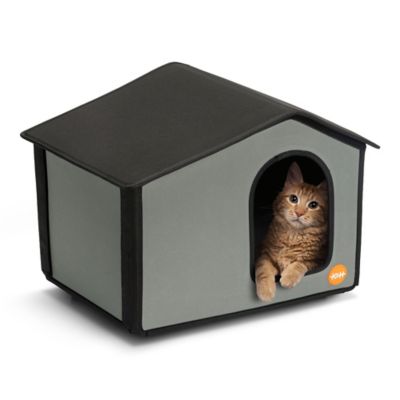
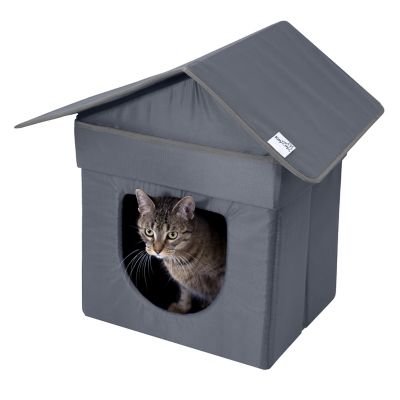
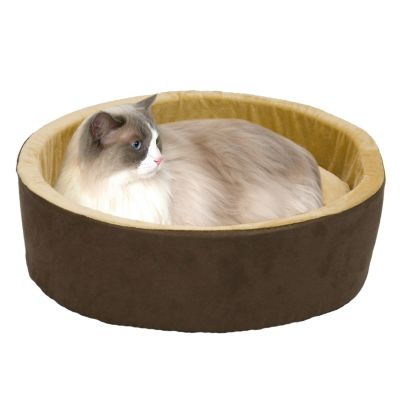
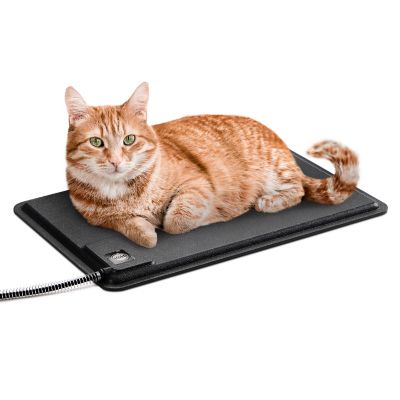
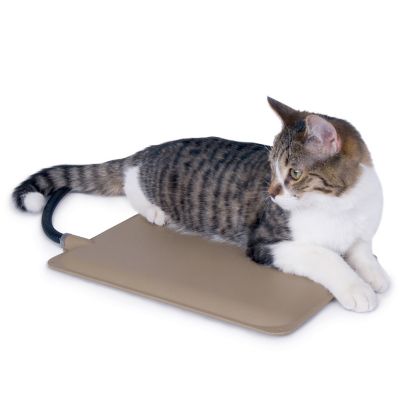
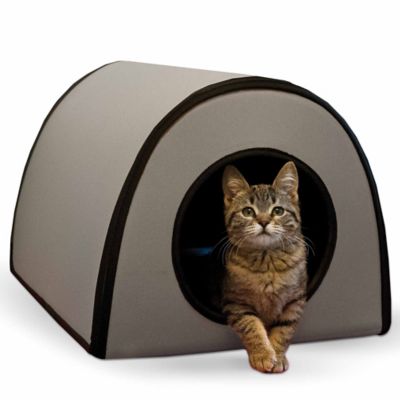
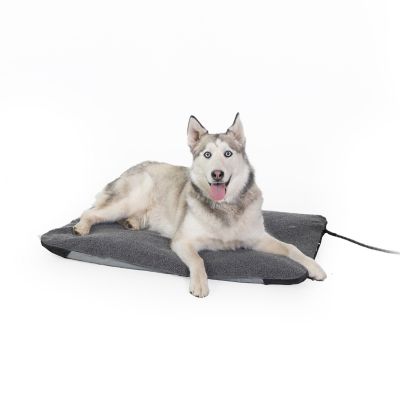
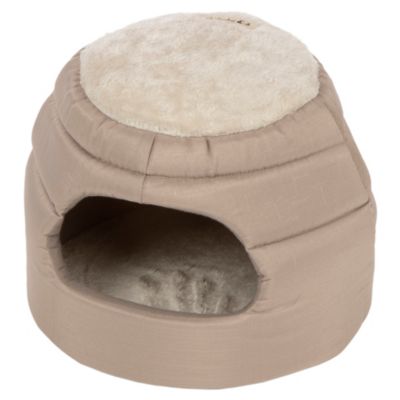
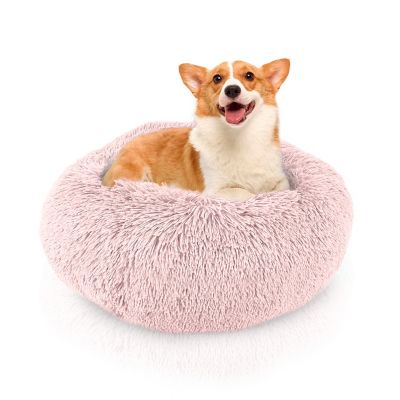
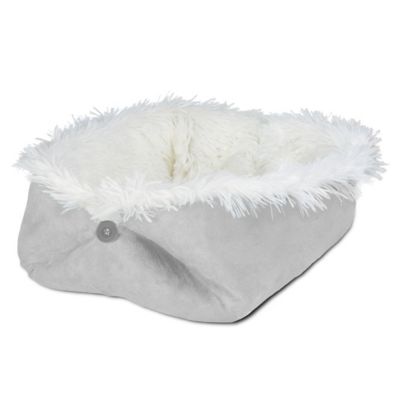
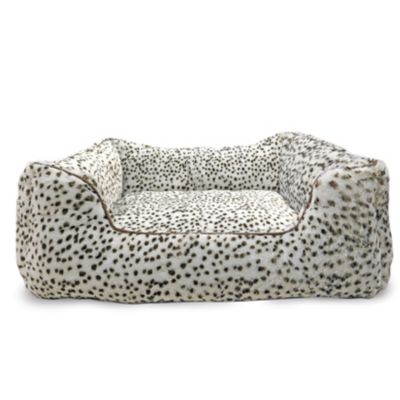
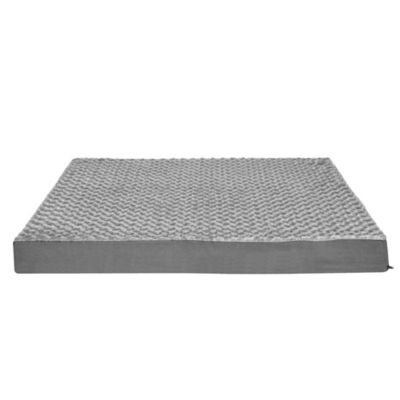
Cold weather can make a cat seek out the warmest corner of the house, whether that means curling up beside the woodstove, burrowing into a folded blanket, or claiming a sunny windowsill. A cat bed made for cooler conditions gives your pet a soft place to settle while helping shield them from chilly floors and drafts. Indoor cats, senior cats, short-haired cats, kittens, and pets with thin coats may all appreciate an extra layer of warmth when temperatures drop. Even cats that spend time in barns, garages, porches, or enclosed sheds can benefit from a sheltered resting spot, though outdoor setups need special care. As you browse cat beds for cold weather, consider where the bed will go, how your cat likes to sleep, and whether the space has access to an electrical outlet. Some cats stretch out from nose to tail, while others curl into a tight ball or tuck themselves beneath fabric. A flat pad can suit a cat that likes room to sprawl, while a bolster bed with raised sides gives a curled-up cat a snug place to lean. A cave or hooded bed can help block drafts and hold in body warmth, making it a handy choice for cats that naturally burrow under quilts or crawl into boxes. For a broader look at sleeping styles and features, visit
Best Cat Beds. Size matters, too. The sleeping area should let your cat turn around and settle without hanging over the edge, but it should not be so large that your pet loses the tucked-in feeling many cats prefer during the cooler months. Place the bed in a quiet spot away from busy doorways, cold air blowing from vents, and damp areas. A corner near a family room can help a social cat stay close to everyone, while a covered spot in a spare room may suit a cat that prefers peace and quiet. If you are giving a cat bed as a gift, pay attention to the recipient’s home and the cat’s habits. A small bed can be a thoughtful present for someone bringing home a new kitten, caring for an older cat, or setting up a cozy station in a barn office or mudroom.
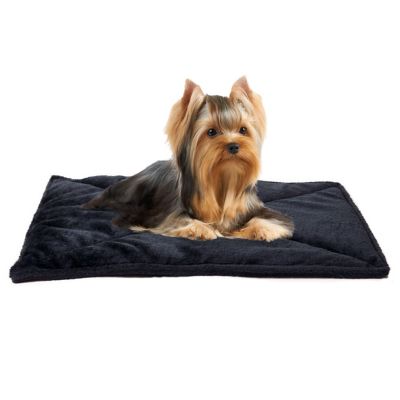
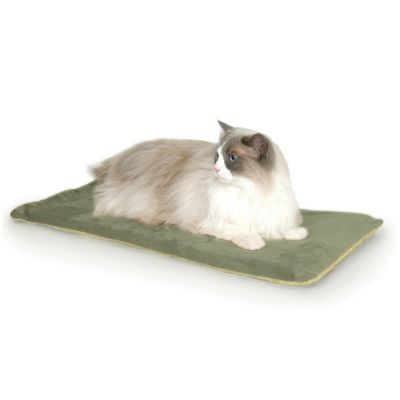
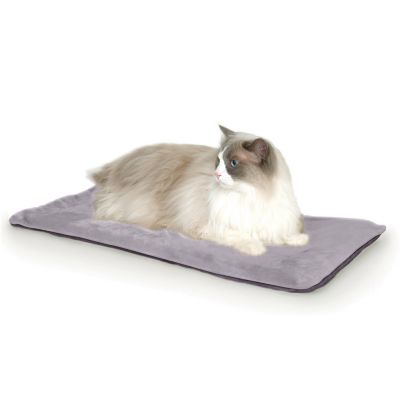
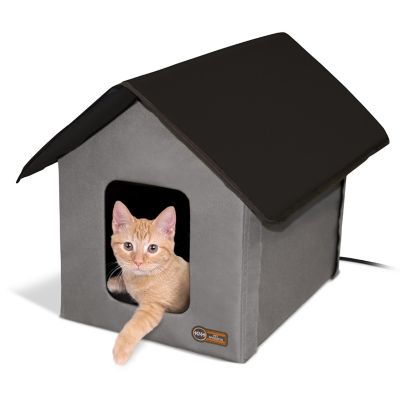
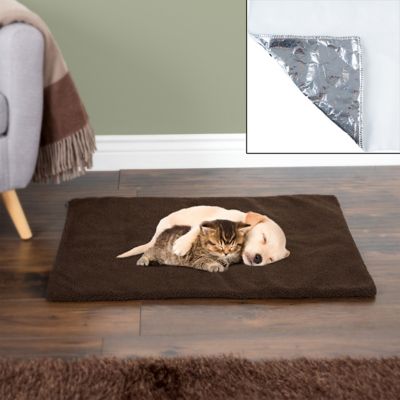
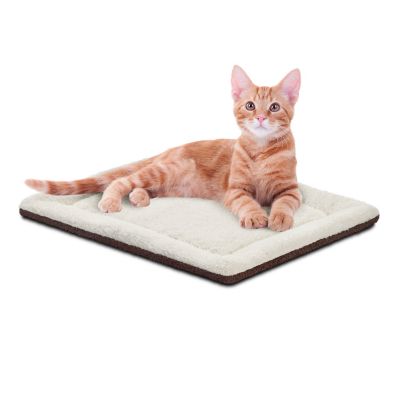
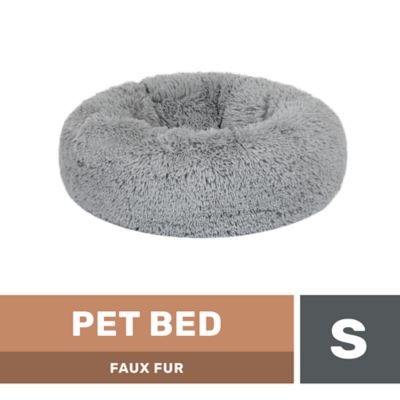
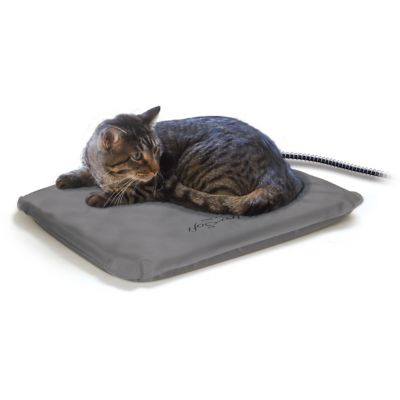
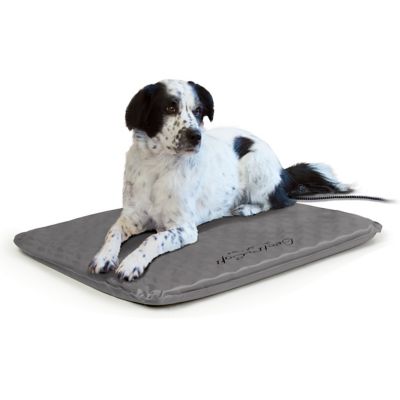
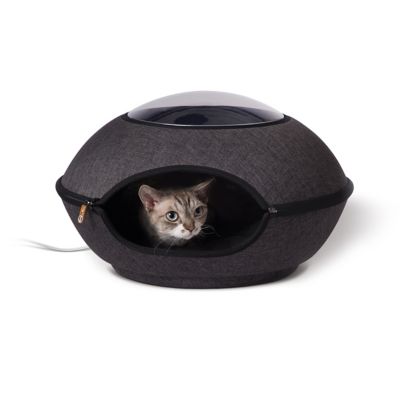
Self-warming beds are a convenient choice when you want added coziness without plugging anything in. Many contain an insulating layer that reflects a cat’s body warmth back toward the sleeping surface, helping the bed feel warmer as your pet settles in. Since these beds do not require a cord or nearby outlet, they are easy to move from a living room to a bedroom, enclosed porch, camper, or other indoor space. They can also work well for cats that nap in different places throughout the day. Heated beds offer another option for indoor use, especially for older pets or cats that seek out gentle warmth. Look for low-wattage designs with thermostatic controls and recognized electrical safety testing, such as MET or UL listing, and follow the care and placement directions provided with the bed. Keep cords out of reach, inspect them for damage, and give your cat enough room to move off the warmed area whenever desired. Never cover a heated bed with thick material unless the instructions specifically allow it, since extra layers can interfere with safe operation. Washable covers or removable liners can make routine cleanup easier, particularly during shedding season or when muddy paws find their way indoors. Before setting up any bed, check the seams, filling, heating components, and underside, then place it on a level surface that will not slide across a smooth floor. In a chilly room, setting the bed above a cold concrete or tile surface can make a noticeable difference. A low platform, rug, or insulated mat beneath the bed may help reduce the chill rising from the floor. Cats often inspect a new bed carefully before accepting it, so place it near a familiar blanket or a favorite resting area rather than expecting an instant change. A few treats, a little catnip if your pet enjoys it, or the scent of home on a clean towel can make the new spot feel more inviting. Keep in mind that every cat has its own routine. One may sleep in a hooded nook for hours, while another may choose a simple pad beside the heater and ignore anything enclosed.
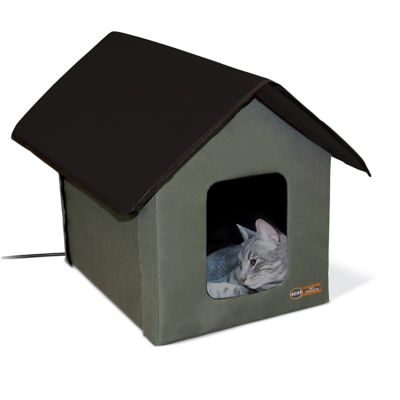
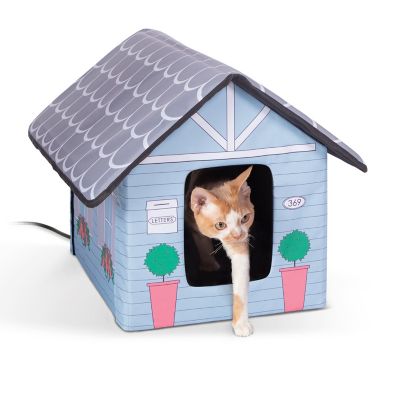
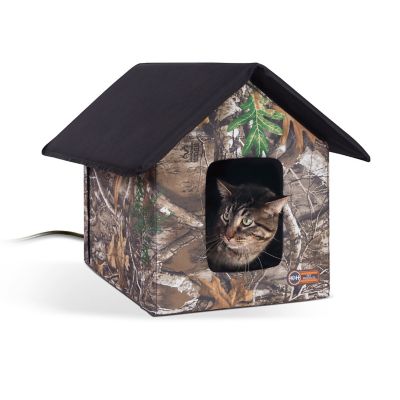
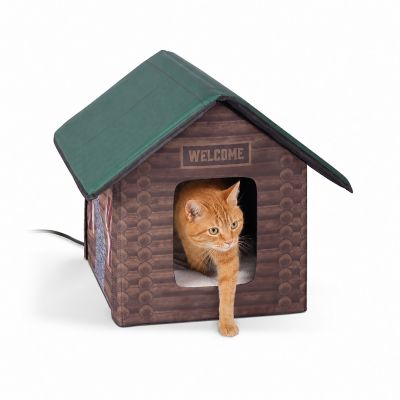
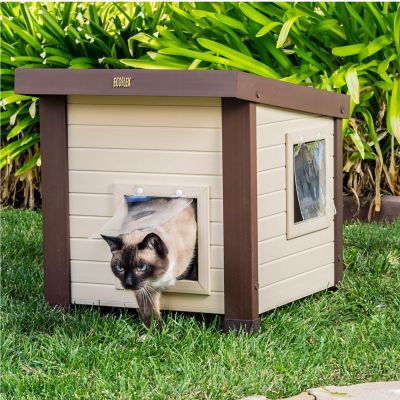
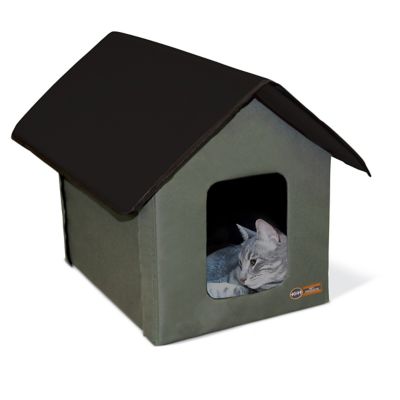
For cats that spend time outdoors, warmth and moisture control are especially important. A cloth bed, towel, or blanket can absorb humidity, rain, and condensation; once damp, it may become cold and can freeze in exposed conditions. In an outdoor feral-cat shelter, dry straw is generally a better bedding material because it helps cats burrow and sheds moisture more readily than fabric. The shelter should be raised off the ground, protected from wind and precipitation, and sized to help retain body heat without leaving a large open interior. Check outdoor shelters often for wet bedding, leaks, ice, or damage, and refresh the straw when needed. A bed intended for indoor use should not automatically be placed outside, even if it feels thick and cozy inside the house. For a porch, enclosed shed, or barn area, select a setup that matches the level of exposure and keep food and water positioned so spills do not soak the sleeping area. During the cooler months, a warm resting place can support daily comfort for barn cats, house cats, foster pets, and animals adjusting to a new home. It can also be a useful gift for a neighbor caring for community cats or for a family welcoming a pet before the weather turns colder. Watch how your cat uses the bed after it is set up: flattened filling, damp fabric, excessive panting, or avoidance may signal that the location or style is not a good fit. A cat that shivers, seems unusually tired, or has trouble staying warm needs prompt attention from a veterinarian, since a bed is a comfort item and not a substitute for medical care. With the right size, shape, placement, and heating approach, a cold-weather cat bed can turn a drafty corner into a calm retreat where your pet can curl up, stretch out, and rest through the changing season.