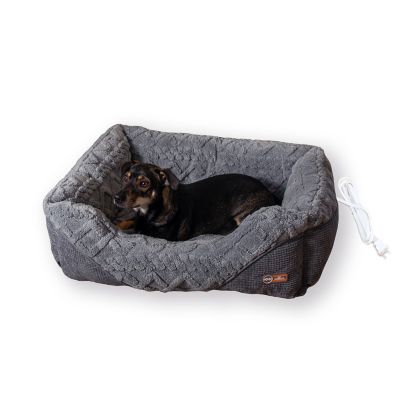
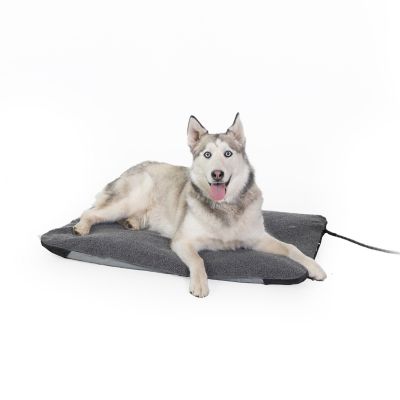
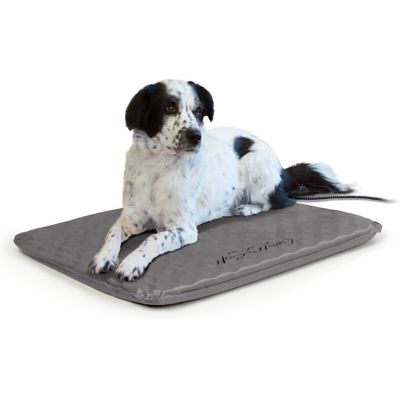
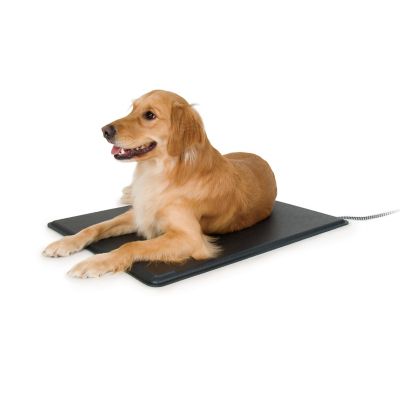
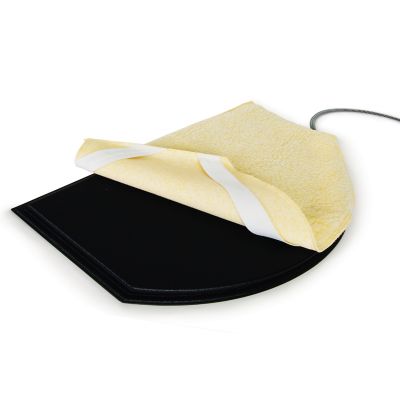
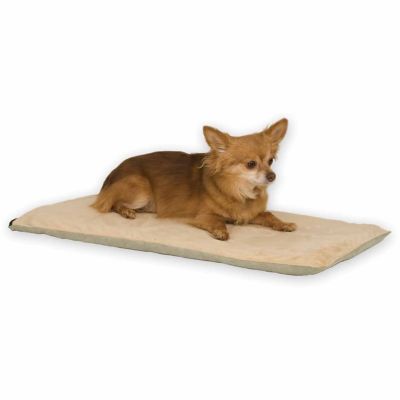
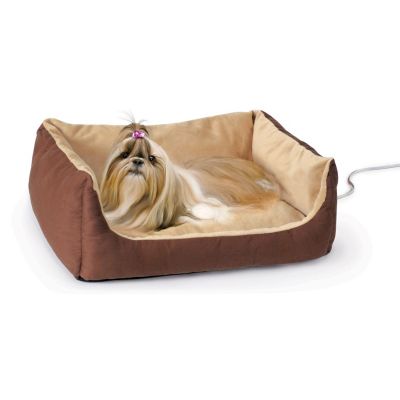
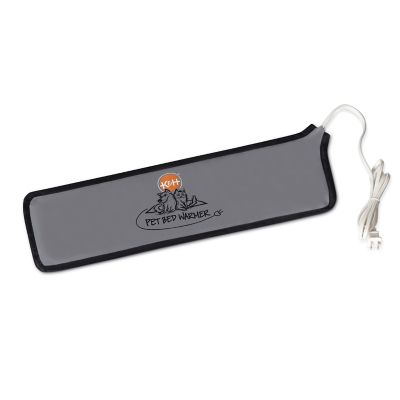
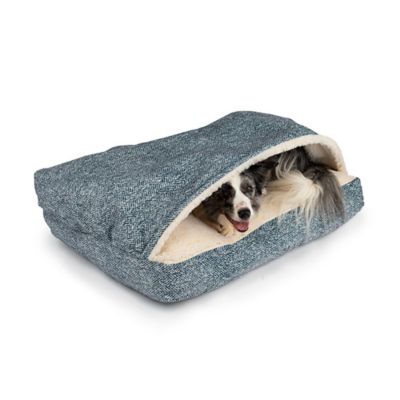
Electrically heated dog beds use a powered heating element to warm a dog’s resting surface, adding gentle warmth to the cushioning of a pet bed. Unlike self-warming beds that reflect body heat, electric models need a power source to produce heat. They can suit senior dogs, short-haired breeds, lean dogs, and other pets that settle more comfortably on a warm sleeping spot. For a gray-muzzled farm dog stretching out after a walk around the property or a little terrier curling up beside the couch, the right bed combines room to rest with warmth appropriate for the animal. Heating does not replace supportive padding, though. A thick foam base helps cushion the elbows and hips, while a softer filled bed offers a nestlike feel for dogs that burrow and curl. Bolstered sides give a dog somewhere to rest its chin; a flat sleeping surface leaves more room for long legs. Low entry edges can make getting settled easier for dogs that have trouble lifting their feet over a tall rim. Fit depends on the actual sleeping area rather than the outside dimensions alone, since raised sides take up space. A dog that sleeps nose to tail needs a different shape than one that sprawls on its side with all four feet stretched out. There should be enough room to change positions without slipping off the padding, and the bed’s weight rating should match the dog. The heated section may cover only part of the bed, so its size matters alongside the overall footprint. For dogs with arthritis, an injury, or another health condition, a veterinarian can help determine whether a heated resting surface is appropriate. Warmth may add comfort, but a heated dog bed is not a treatment for pain or a substitute for veterinary care. Familiar placement matters, too: a quiet corner near the family often gets more attention than an out-of-the-way spot the dog rarely visits.
The electrical setup is another important difference between heated dog beds. Some designs operate through a low-voltage adapter, while others have a different power arrangement; the label and operating instructions establish the requirements for each bed. Low voltage should not be assumed simply because a bed is intended for pets. Thermostatic controls can regulate heat, and some designs respond to the pet’s presence, but controls and operating behavior vary. A bed may feel only slightly warm to a person’s hand when empty and behave differently with a dog resting on it. The manufacturer’s directions provide the proper way to confirm operation rather than judging performance by touch alone. Indoor-rated beds belong in the indoor settings specified on their labels. A covered porch, open shed, or kennel can still expose electrical equipment to moisture, so a roof overhead does not make an indoor bed suitable for that location. Beds intended for sheltered outdoor placement need to be rated for that purpose, with the power connection protected as directed and ground-fault protection where required. A heated bed also does not replace proper shelter. Cord length affects placement, especially where the nearest outlet sits behind furniture or across a walking path. The cord should stay out of traffic, away from pinch points, and beyond the dog’s reach as much as possible. Protective cord coverings can discourage damage, but no covering makes a powered bed a sound choice for a determined cord chewer. Puppies and dogs that dig into bedding or pull apart cushions need particular caution around heating components. Dogs should be able to move away from the warmed surface freely, and pets with limited mobility or reduced sensation need veterinary guidance and close supervision. Extra blankets, folded heating pads, and makeshift layers can change how heat escapes; only bedding arrangements permitted by the manufacturer belong over or around the heating element.
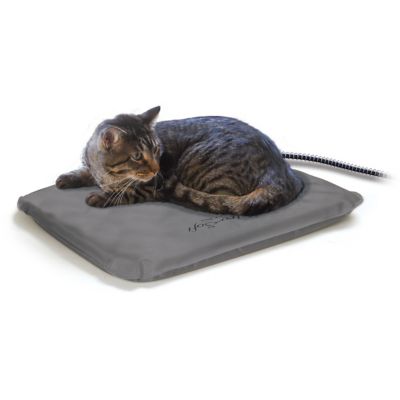
Everyday upkeep matters just as much as the first comfortable nap. Electrically heated dog beds may pair fleece, plush fabric, woven covers, foam, or fiber filling with a heating insert, and each part can have different cleaning requirements. A removable, machine-washable cover can make muddy pawprints and shed hair easier to manage, while a tightly woven outer fabric may be a better match for dogs that scratch a few circles before lying down. Raised seams, exposed zippers, and loose fabric deserve attention when a dog likes to nibble at bedding. Water-resistant materials can help with small spills, but that description does not mean the electrical assembly can be soaked or that the whole bed can go into a washing machine. Power should be disconnected before cleaning, and heating components should stay dry unless their instructions expressly allow another method. Covers and other washable parts need to dry completely before reassembly and reconnection. Regular checks for frayed cords, split seams, exposed filling, and damage around the heating insert help catch problems before the next rest. A bed with damaged electrical parts should stay unplugged and out of service. For a home with working dogs, a washable cover and a stable base can be especially practical near the back door, provided the spot stays dry and meets the bed’s placement requirements. A nonslip underside can help keep the bed from shifting when a dog steps onto it, though the floor surface still matters. In homes with several animals, a resting spot for each pet helps prevent crowding and gives each one room to leave the heat. Households caring for cats in suitable sheltered spaces can also consider
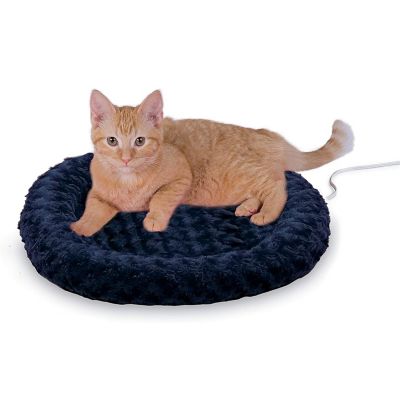
Outdoor Heated Cat Beds for feline-specific sleeping arrangements. Whether chosen for a longtime companion or as a gift for another dog-owning household, an electric dog bed is most useful when its size, care needs, and electrical requirements fit the dog’s everyday routine.