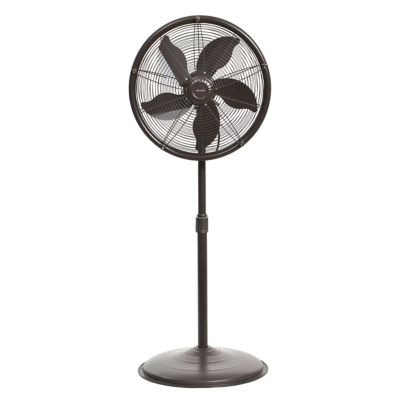
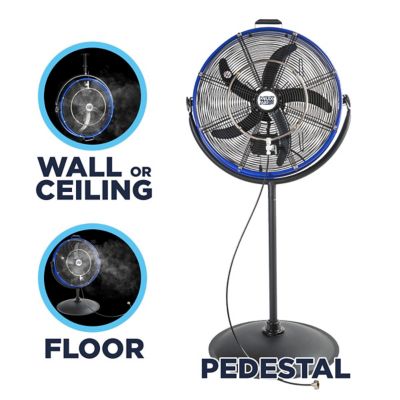
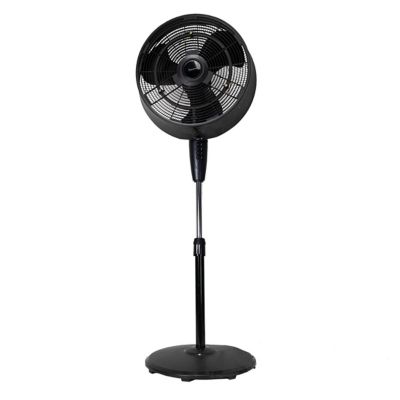
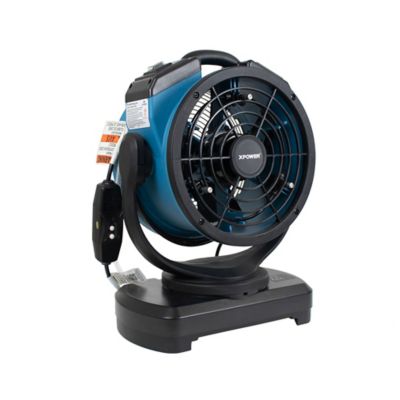
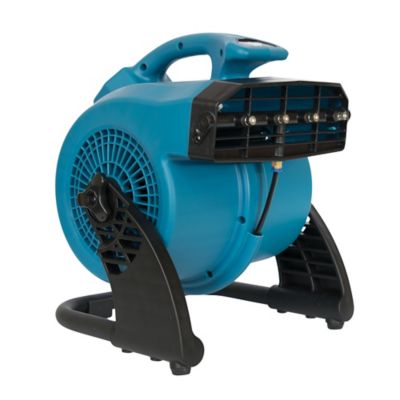
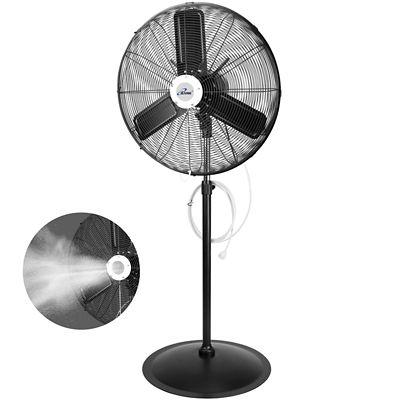
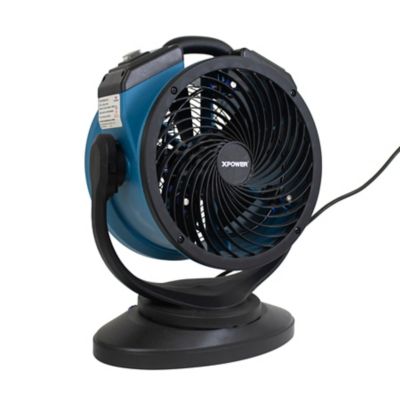
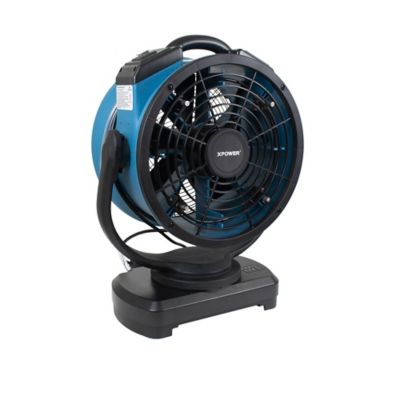
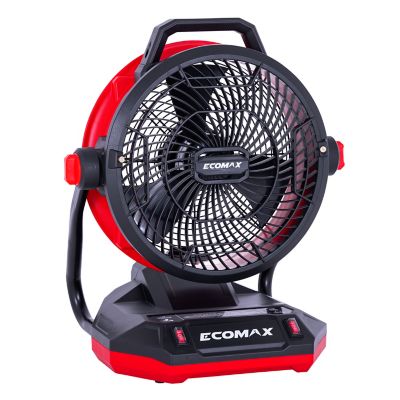
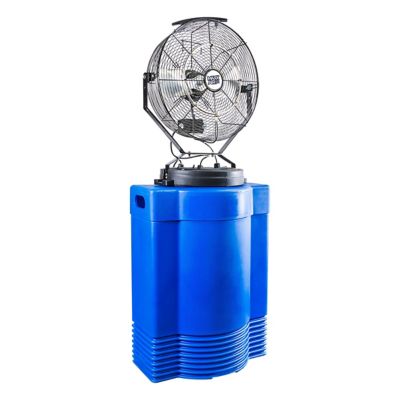
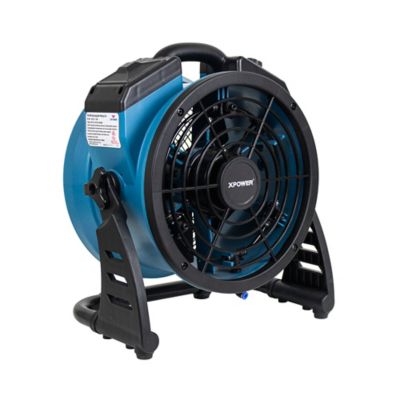
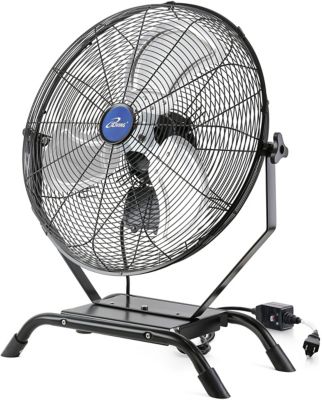
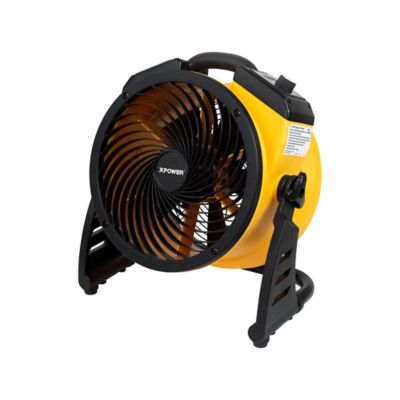
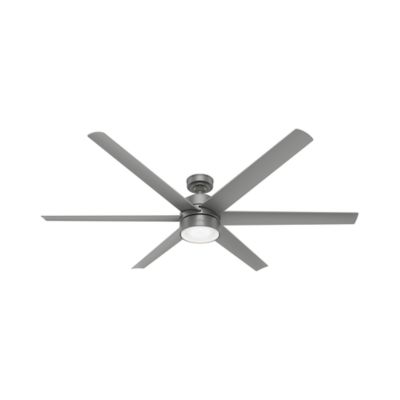
Outdoor misting fans for patios combine moving air with a fine water spray to help make outdoor seating areas more comfortable in hot conditions. As the droplets evaporate, they absorb heat from the surrounding air, while the fan carries that cooled air toward the seating area. The effect depends on humidity, airflow, water pressure and placement, so there is no single temperature drop that applies to every patio. Misting generally works best in hot, dry air; humid conditions slow evaporation and can leave more moisture on nearby surfaces. These fans make sense for open patios, breezeways and porch edges where air can circulate freely, whether the space holds a pair of rocking chairs or a table big enough for a family supper. A shaded location can improve comfort without asking the fan to overcome direct sun on its own. Freestanding misting fans bring airflow closer to seated guests, while wall-mounted designs keep the floor clear around chairs, planters and walkways. Portable designs suit households that move between a back patio and another outdoor gathering spot, provided each location meets the fan’s power, water and clearance requirements. Oscillation spreads airflow across a wider seating area, while an adjustable head helps direct the breeze toward people rather than straight into the tabletop. Airflow ratings, often listed in cubic feet per minute, or CFM, describe how much air a fan moves. Higher CFM can help serve a larger open space, but fan placement, airflow direction and distance from the chairs matter, too. A large fan blowing past the seating area may provide less relief than a smaller one positioned well. Adjustable speeds offer flexibility for a quiet cup of coffee, an afternoon break after fence work or a full table at suppertime. Sound matters in those settings as well, especially when the fan sits close enough that everyone still wants to carry on a conversation.
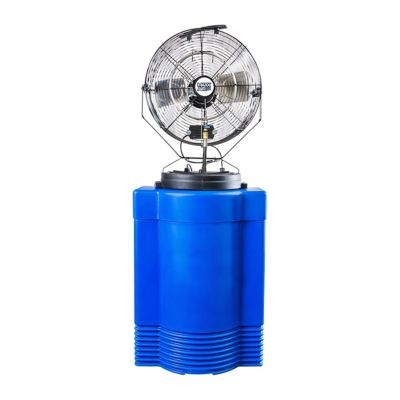
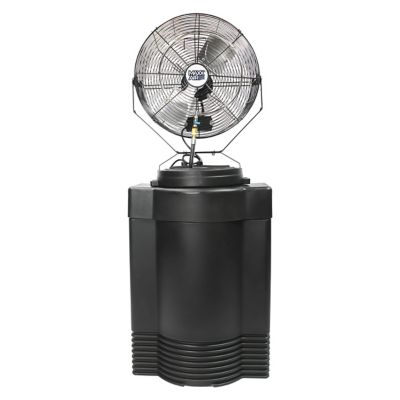
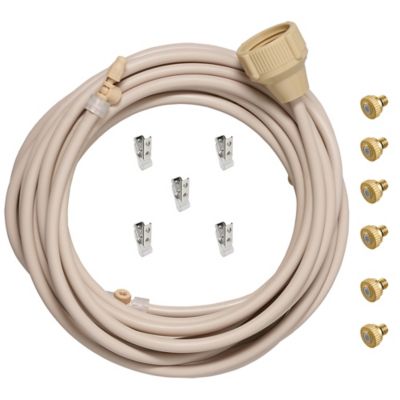
The water supply is one of the main differences among patio misting fans. Hose-connected designs draw from an outdoor faucet, making them practical for a patio with a nearby spigot and a clear route for the hose. Reservoir designs carry water in a tank, which can offer more placement flexibility without a hose stretched across the yard. A full tank adds weight, though, and its capacity affects how often it needs refilling. Wheels and handles can help with repositioning, but a level surface and a stable base still matter, especially around children, pets and busy walkways. Misting performance also depends on the nozzle system and the water pressure the fan requires. A fine mist that evaporates before settling is different from a noticeable spray that leaves chair cushions damp. Water-pressure requirements, mist settings and nozzle maintenance instructions help explain what to expect from a particular design. Separate fan and mist controls are handy when the breeze feels good but extra moisture does not, or when changing humidity calls for less water. Placement should keep mist away from food, electrical equipment and materials that should stay dry, with enough space for droplets to evaporate before reaching furniture or decking. A steady crosswind can carry the spray away from the intended seating area, so an exposed patio may need a different arrangement than a sheltered porch. Outdoor electrical suitability matters just as much as water delivery. The fan’s rating should match its location; a model intended for a covered outdoor area is not automatically suited to direct rain. A GFCI-protected power supply adds protection around water, but it does not replace the correct outdoor rating or the manufacturer’s installation directions. Cords, plugs and connections need protection from spray and standing water, and neither hoses nor cords should create a trip hazard. Browse
Outdoor Fans for Patio Comfort for air circulation options suited to outdoor seating spaces.
Construction details help determine how an outdoor misting fan fits into everyday patio life. Metal guards and frames provide a substantial feel, while corrosion-resistant finishes help protect exposed surfaces from moisture. Molded housings can reduce weight, and UV-resistant materials help limit damage from sun exposure. No material or finish makes a fan maintenance-free, especially where mist, dust and pollen meet. Motor protection, hardware, base design and the stated outdoor rating deserve attention alongside the appearance of the housing. For a freestanding fan, the base needs enough room to sit flat without crowding chair legs or narrowing the path to the back door. A wall-mounted fan needs a suitable mounting surface, proper fasteners and the clearances specified by the manufacturer. Controls should be easy to reach without leaning through the mist, and any remote control needs care appropriate to its own moisture rating. Routine cleaning helps keep air moving and water spraying as intended. Dust on the guard and blades can restrict airflow, while mineral deposits can clog small nozzle openings or turn an even mist into an uneven spray. Before cleaning or servicing, disconnect power and shut off the water supply according to the instructions. Removable filters, accessible nozzles and a tank that drains completely can make regular upkeep less of a chore. Nozzle cleaning methods vary, so the manufacturer’s directions should determine whether rinsing, soaking or replacement is appropriate. Reservoirs need regular emptying and cleaning rather than repeated topping off, and standing water should not sit in an idle fan. Before freezing conditions, water needs to be drained from tanks, hoses, pumps and misting lines as directed to help prevent cracked components. Clean, dry storage also protects the fan between periods of operation. With the right fit, sensible placement and steady care, a patio misting fan can help make the space outside the back door a more comfortable place to rest, visit and share a meal.