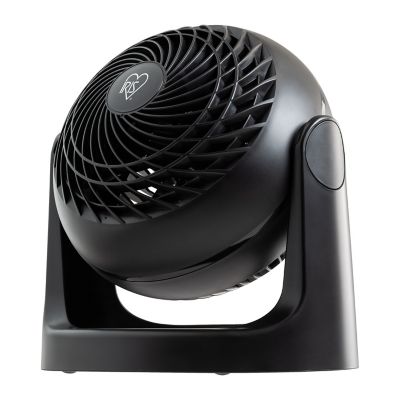
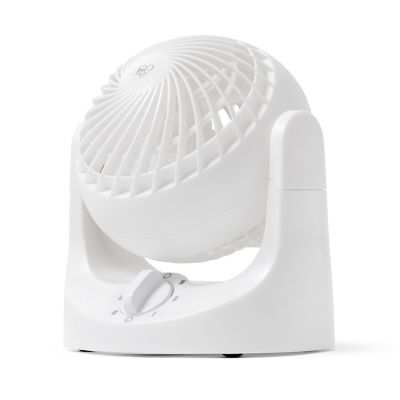
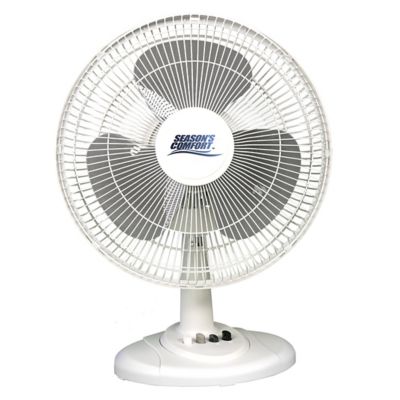
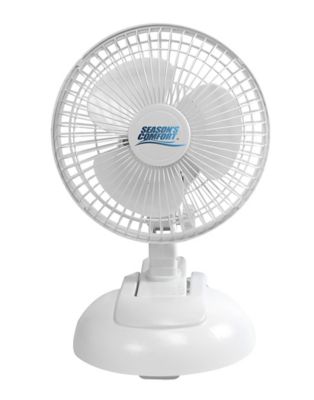
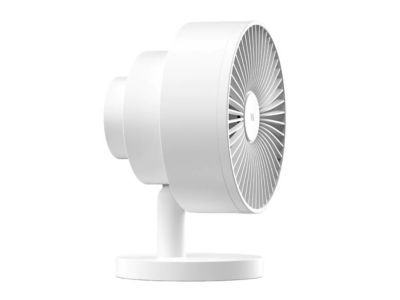
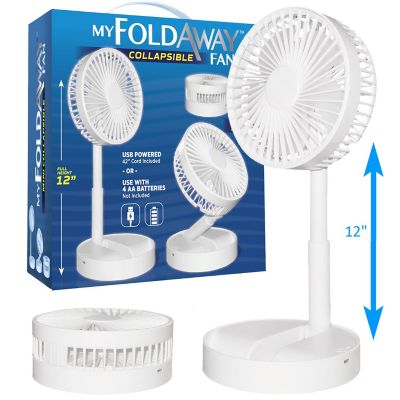
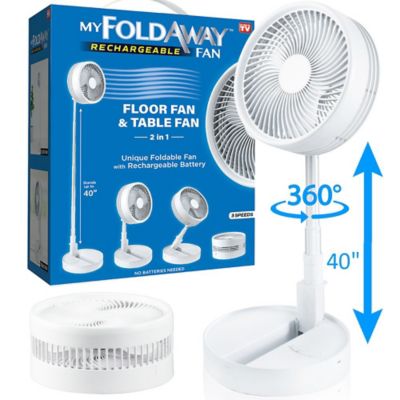
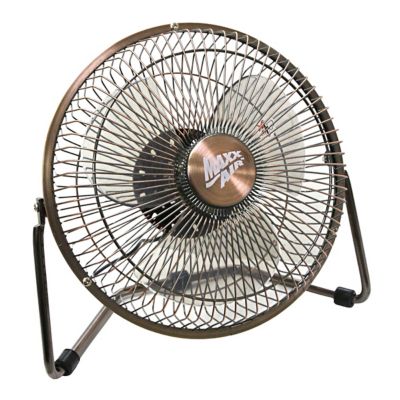
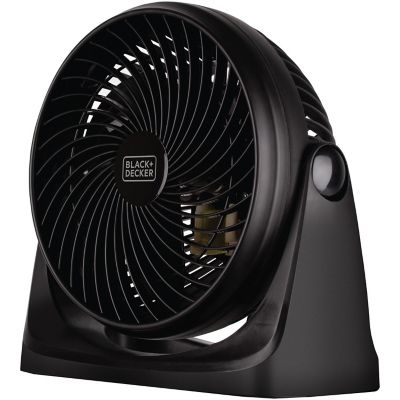
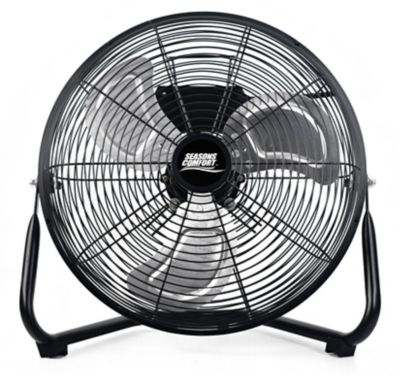
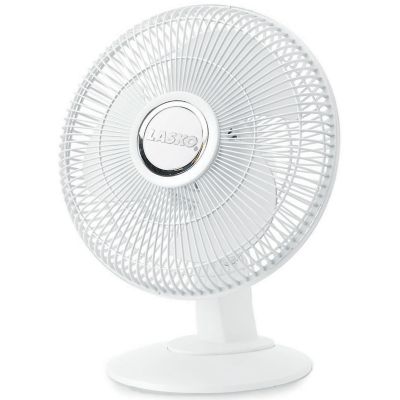
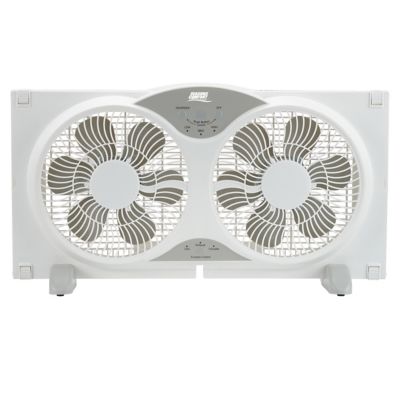
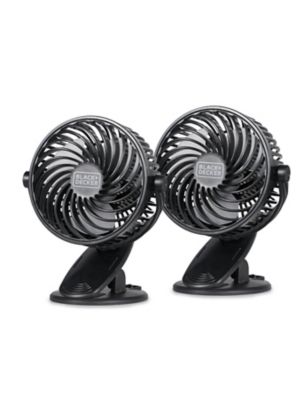
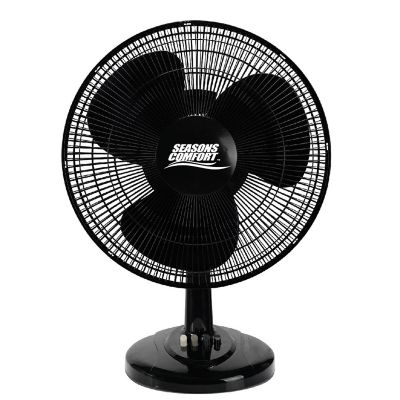
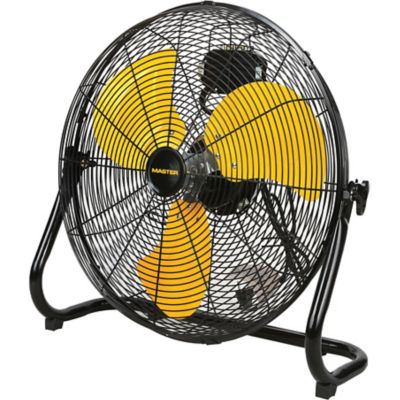
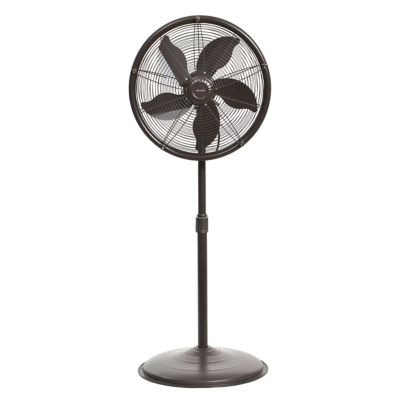
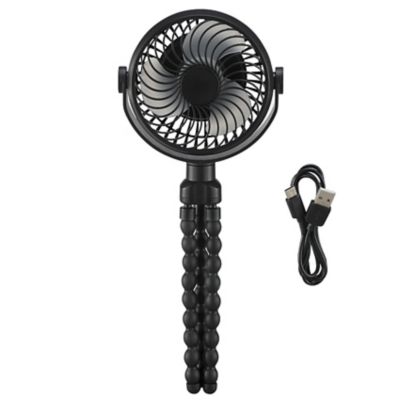
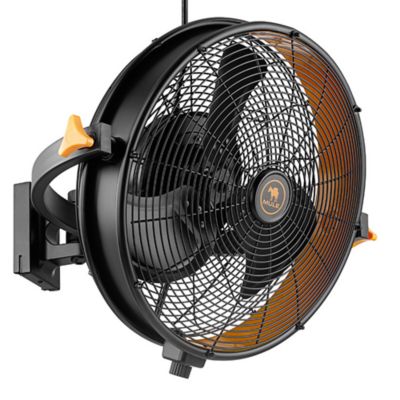
Compact fans for small room comfort bring steady air movement to the places where people read, sleep, tackle paperwork, or take a break after chores. Their smaller footprint makes sense on a crowded desk, a narrow nightstand, or a sturdy shelf where a larger fan would get in the way. A personal desk fan generally directs a focused stream toward someone sitting nearby, while a compact air circulator is designed to encourage airflow through more of the surrounding space. Neither takes the place of an air conditioner; a fan moves air rather than refrigerating it, helping a person feel more comfortable when that airflow reaches the skin. The right fit depends on more than the measurement across the blades. Overall height, base width, depth, and the space needed for a tilting head all affect whether a fan belongs beside a bedside lamp or behind a computer monitor. An advertised blade diameter does not necessarily describe the full size of the housing. On a small work surface, a narrow base leaves more room for a notebook and coffee cup, while a broad, steady base can help resist tipping from an accidental bump. A tilting head makes it possible to aim air above a stack of papers instead of straight across them. Oscillation spreads airflow from side to side, which can suit a shared room better than a fixed stream aimed at one chair. The sweep needs enough open space to move without brushing a wall, curtain, or nearby belongings. Where airflow ratings are provided, cubic feet per minute, or CFM, describes the volume of air a fan moves. That figure is most useful alongside the fan’s size, speed settings, and intended placement, since a strong stream close to a desk is a different job from moving air across an entire room. A compact fan suits that close-at-hand role without claiming much of the room.
Sound and controls matter just as much as airflow when a fan sits within arm’s reach. A low setting can provide a gentler stream beside a bed or reading chair, while additional speeds give more flexibility at a desk or kitchen table. Quiet operation is relative: motor sound, blade noise, vibration, and the surface beneath the base all contribute to what a person hears. Published decibel ratings can help with comparisons, but the speed setting and measuring distance matter, too. A fan resting on a hollow cabinet may sound different from the same fan on a solid desk. For a home office, smooth operation helps keep the fan from becoming a distraction during phone calls; for a bedroom, a steady sound may be preferable to rattling or abrupt changes in speed. Simple knobs and clearly marked buttons are handy when reaching past a lamp, and a timer can limit operation to a chosen stretch of time. Bright indicator lights may also matter beside a bed. Power options affect where a compact fan fits into daily routines. A corded fan needs a suitable outlet within reach, with the cord kept out of walkways and clear of moving parts. USB-powered fans need a compatible power source with the output specified by the manufacturer; the connector alone does not confirm that every port or adapter will work. Rechargeable designs offer more freedom of placement, though operating time depends on speed, battery capacity, and any other active features. A carry handle or easy-grip housing makes moving a fan between a bedroom and a small office less awkward. Lightweight plastic housings can be easier to carry, while metal housings or guards may add weight and a firmer feel. Either material benefits from a well-supported base, secure joints, and controls that move cleanly without feeling loose. A clamp-mounted style can free up tabletop space when its clamp matches the thickness and shape of the mounting surface.
Everyday care helps a compact fan keep moving air without a layer of dust collecting on the grille and blades. A front guard that opens according to the manufacturer’s directions can make routine cleaning easier, while a tightly enclosed housing may call for a different approach. Before cleaning, the fan should be turned off and disconnected from its power source, including removal of a detachable battery when directed. A soft cloth or brush can lift surface dust, but cleaning products, water exposure, and guard removal should follow the instructions for that fan. Motors, switches, charging ports, and electrical connections need protection from moisture. Washable parts should be fully dry before reassembly, and a fan should never run with its safety guard removed. That guard helps limit contact with the blades, but it does not make the fan a toy or remove the need to keep it away from small fingers, loose clothing, and curious pets. Placement matters in a busy household: a level surface away from an edge is better than a stack of books, and clear space around the intake and outlet lets air pass freely. Cords should not sit beneath rugs or where a chair leg can pinch them. A fan intended for an indoor living space also should not be assumed suitable for a wet sink area, a dusty feed room, or a workshop with airborne debris. Those settings call for equipment rated for the conditions. For an apartment bedroom, guest room, student’s study corner, or farmhouse office, a compact fan can provide personal airflow without adding another large piece of equipment to the floor. When a room calls for broader airflow and has space for a larger footprint,
Floor Fans for Home Air Circulation offer another category to consider. Compact designs serve a different purpose: keeping useful air movement close by, with a size and setup that fit the furniture, routine, and people already in the room.