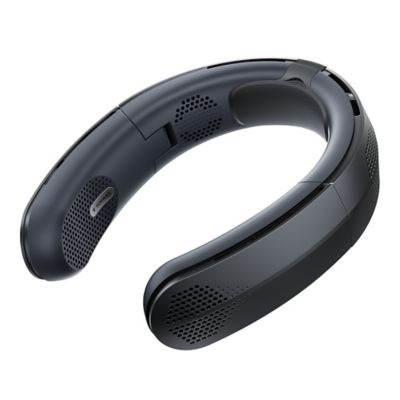
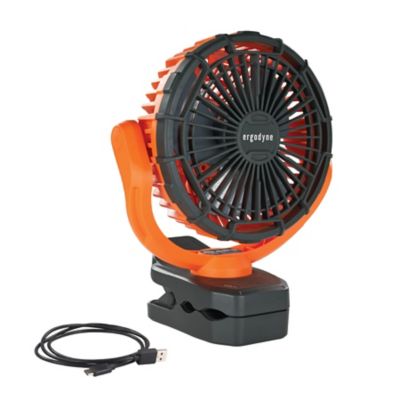
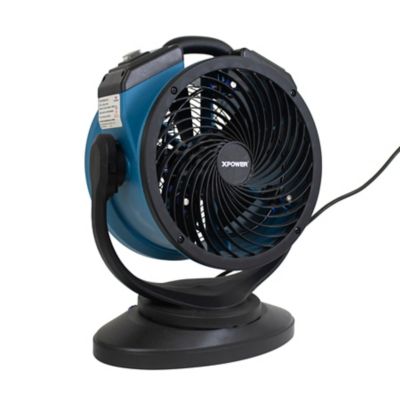
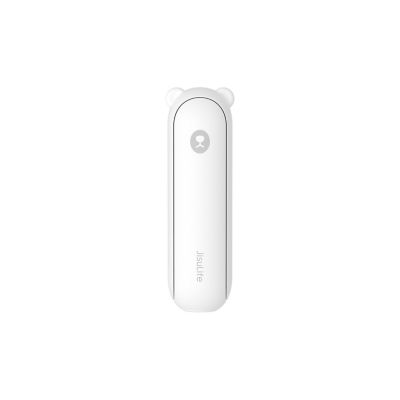
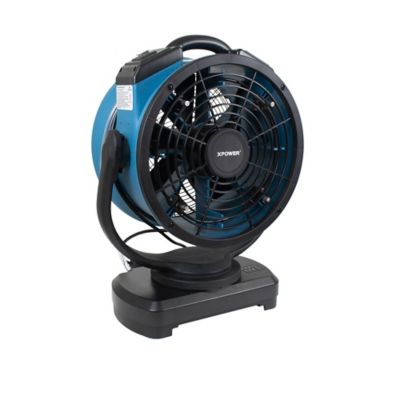
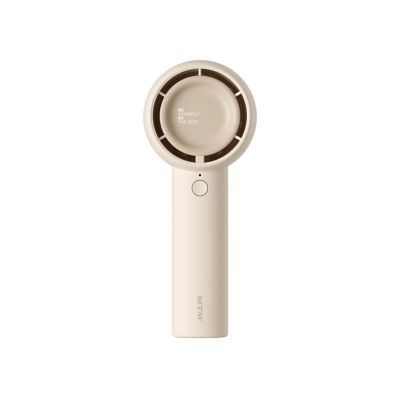
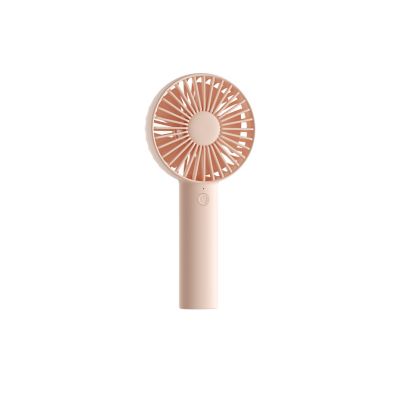
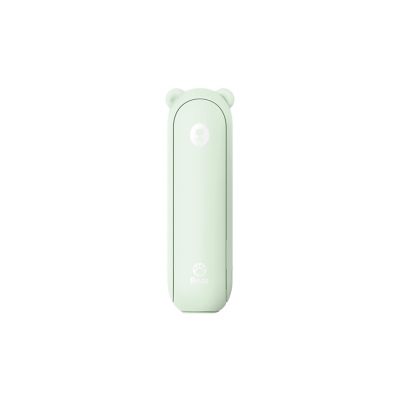
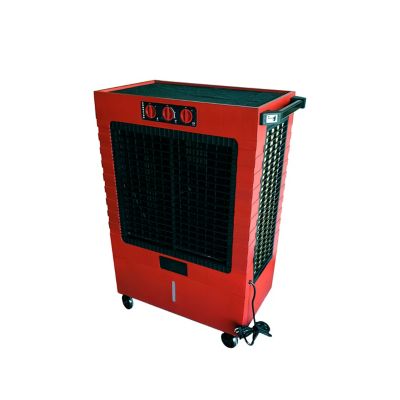
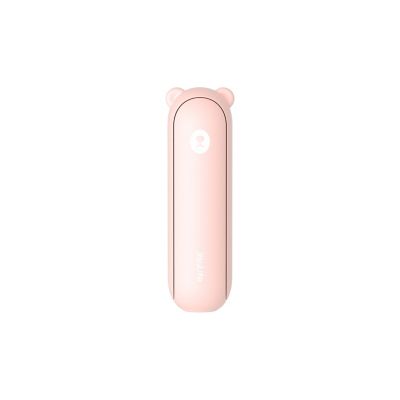
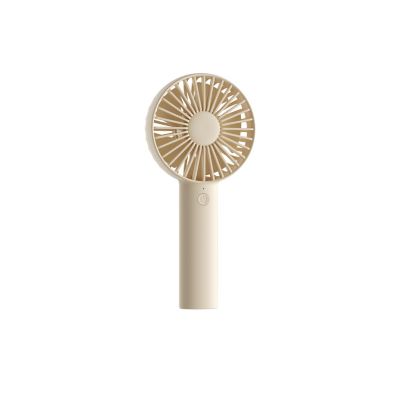
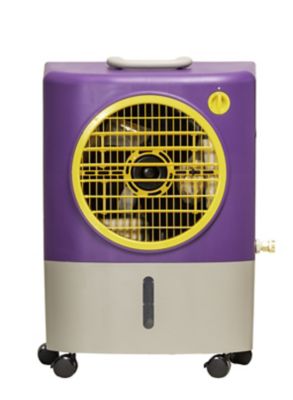
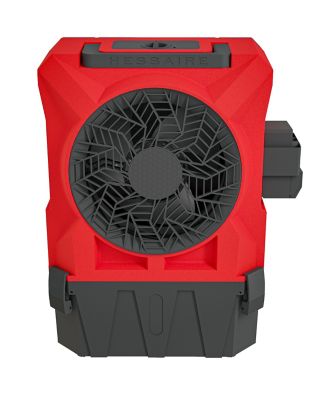
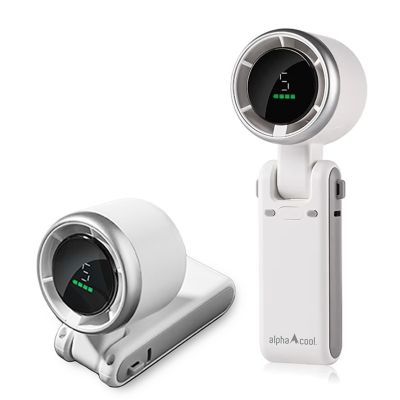
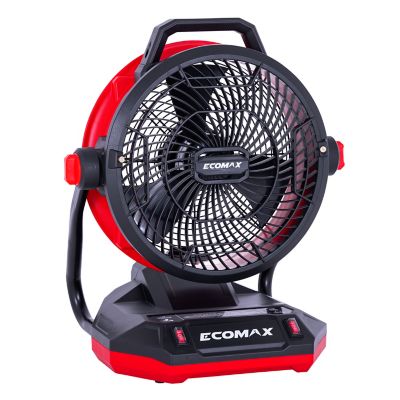
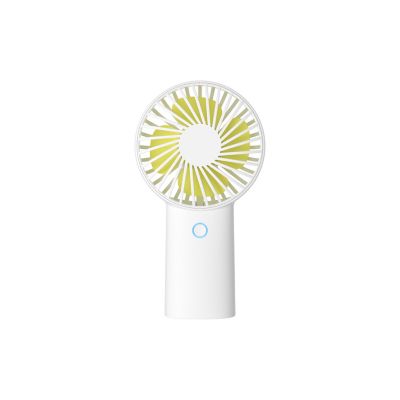
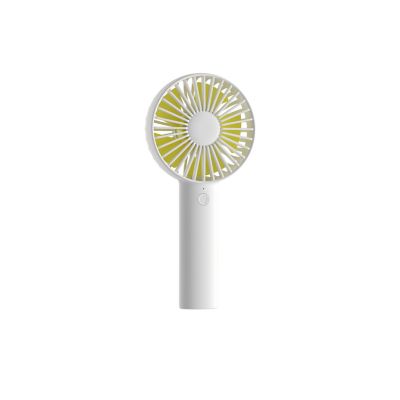
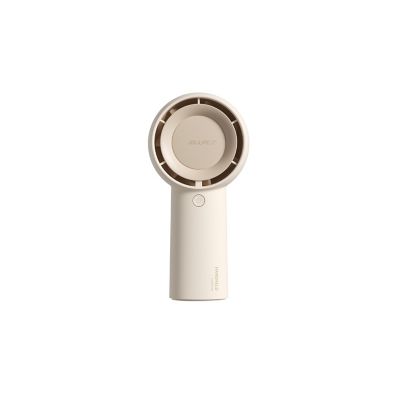
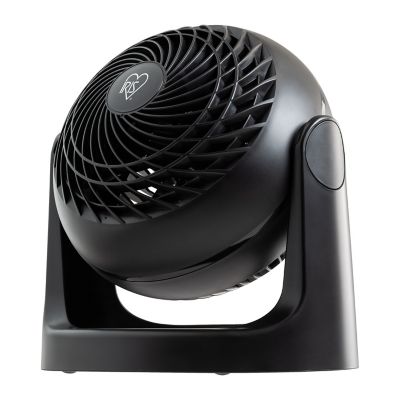
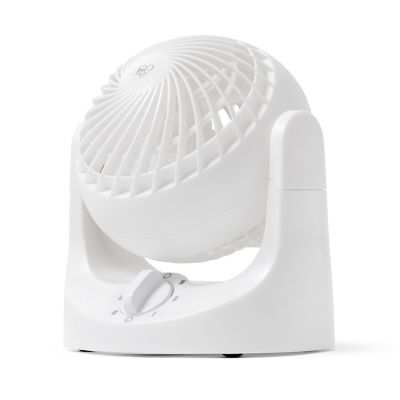
Portable cooling fans for outdoor tasks bring moving air closer to the work, whether that means fixing a gate, potting seedlings at a bench or sorting tools beside the barn. The right fit depends on where the fan will sit, how far the breeze needs to reach and what power source can follow the job. Battery-powered fans make sense along a fence line or beside a parked trailer, where running an extension cord would get in the way. Corded fans suit longer stretches at a covered workbench when a suitable outlet is close by. Fans with both power options offer flexibility between a steady work area and jobs that move around the property. For cordless operation, runtime depends on the battery’s capacity, the speed setting and any additional functions drawing power. A runtime listed for the lowest setting does not tell the whole story for someone who needs a stronger breeze through an afternoon of repairs. Battery compatibility matters, too, especially when tools and other equipment already share a charging system. A compact personal fan can direct air toward one person without taking over a narrow workspace, while a larger floor fan is better suited to moving air across a broader work area. Carry handles, manageable weight and a balanced frame make a difference when the route includes gravel, porch steps or a walk from the shed to the garden. A tilting head helps aim airflow toward a seated worker or across a bench without propping the fan on something unstable. Oscillation spreads that breeze from side to side, which can suit two people sharing a potting table. For work that stays in one spot, a fixed direction may put more of the airflow where it counts. Noise also deserves a little thought: a fan running beside a conversation, an animal enclosure or a work area where equipment signals need to be heard has a different role than one beside a noisy repair job.
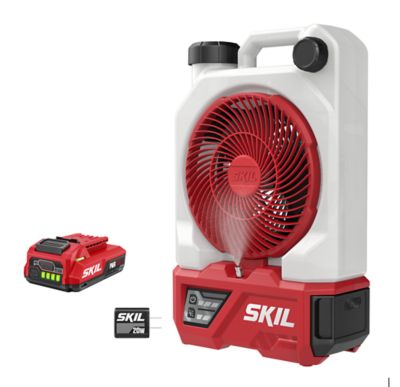
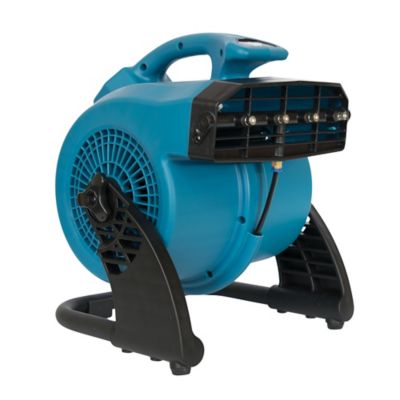
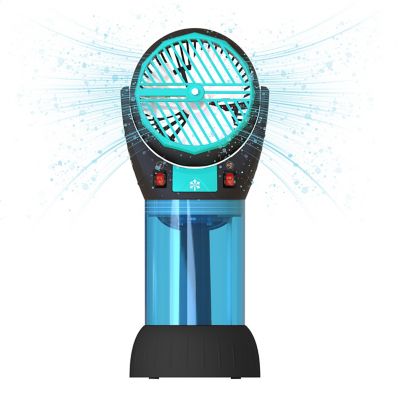
Airflow, rather than blade size alone, helps explain how a portable outdoor fan will perform. Cubic feet per minute, commonly shown as CFM, describes the volume of air a fan moves, although grille design, airflow pattern and the distance from the fan also affect how the breeze feels. A focused stream can reach a particular work position, while a wider pattern spreads moving air across a nearby area. Several speed settings make it easier to balance airflow, sound and battery life as the task changes. An ordinary fan circulates air; it does not lower the surrounding air temperature the way an air conditioner does. Its cooling effect comes largely from helping moisture evaporate from skin. Misting fans add fine water droplets to the airflow, making them a different choice from fans that move air alone. They fit open spaces where a little moisture will not harm tools, supplies or nearby surfaces. Tank-fed designs can move beyond a hose connection, while hose-fed designs depend on access to a suitable water supply. Tank capacity, water flow and mist settings influence how often refilling becomes part of the job. Portable evaporative coolers work differently, drawing air through wet cooling media. Their cooling performance is generally stronger in dry air and less effective when humidity is high, and they need the ventilation specified for the equipment. Neither misting nor evaporative cooling belongs beside moisture-sensitive materials simply because the work happens outdoors. A shaded break spot away from electrical connections is a more sensible setting than a bench covered in open power tools. Placement matters for any fan: a steady, level surface helps keep it upright, and clear space around the intake lets air move freely. Aim the breeze away from loose sawdust, feed dust and other material that could blow into faces. In extreme heat, a fan is only part of staying safe; drinking water, taking shaded breaks and stopping work when heat illness symptoms appear still matter.
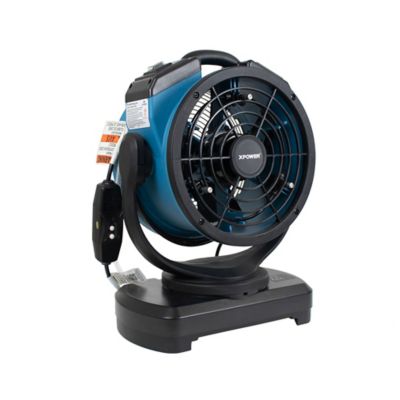
Materials and construction help determine how well a fan fits life around a yard, workshop or outbuilding. Metal housings and frames can provide a solid base for regular transport, while molded plastic housings can keep carrying weight down. Corrosion-resistant finishes are worth considering where damp air or occasional splashes are part of the setting, but a finish alone does not establish that a fan is suitable for wet conditions. Outdoor suitability, water resistance and dust protection depend on the equipment’s stated ratings and operating instructions. An open-sided shed can still expose a fan to windblown rain, and a dusty work area calls for attention to the motor’s intended environment. Broad feet, a stable stand and guarded blades all deserve a close look. Guards help shield the blades, but fingers, loose sleeves, twine and curious noses still need to stay clear. Cord routing matters around wheelbarrows, livestock paths and walking routes; outdoor-rated cords and appropriate ground-fault protection belong in the setup whenever electrical connections are involved. Care is usually easier when the grille and other serviceable parts are accessible as directed by the manufacturer. With power disconnected and any removable battery taken out, accumulated dust can be cleared according to the cleaning instructions rather than pushed deeper into the housing. Misting systems and evaporative coolers also need attention to water tanks, nozzles and cooling media, including draining and drying before storage as directed. A clean, dry storage spot keeps the fan ready for its next trip outside. Beyond chores, portable airflow can make a shaded seating area more comfortable when the work gives way to a backyard gathering. The related
4th of July Portable Fans for Outdoor Heat page covers that outdoor occasion. Whether the next stop is a repair bench or a picnic table, the most useful setup brings together suitable power, steady placement and airflow aimed where people actually spend their time.